Ethylene Oxide | CAS 75-21-8

Detecting Ethylene Oxide

Ethylene oxide (C2H4O) is a colourless, highly flammable gas widely used to sterilise heat- and moisture-sensitive medical devices, pharmaceutical products and healthcare equipment. While highly effective as a sterilising agent, ethylene oxide is also toxic and classified as a human carcinogen, makingethylene oxide gas detection essential wherever it is manufactured, stored or used.

Effective ethylene oxide monitoring helps organisations protect workers, detect leaks, support occupational exposure monitoring and verify emissions throughout the sterilisation process. From personal exposure monitoring to continuous area monitoring, selecting the right ethylene oxide detector helps maintain a safe working environment and supports regulatory compliance.

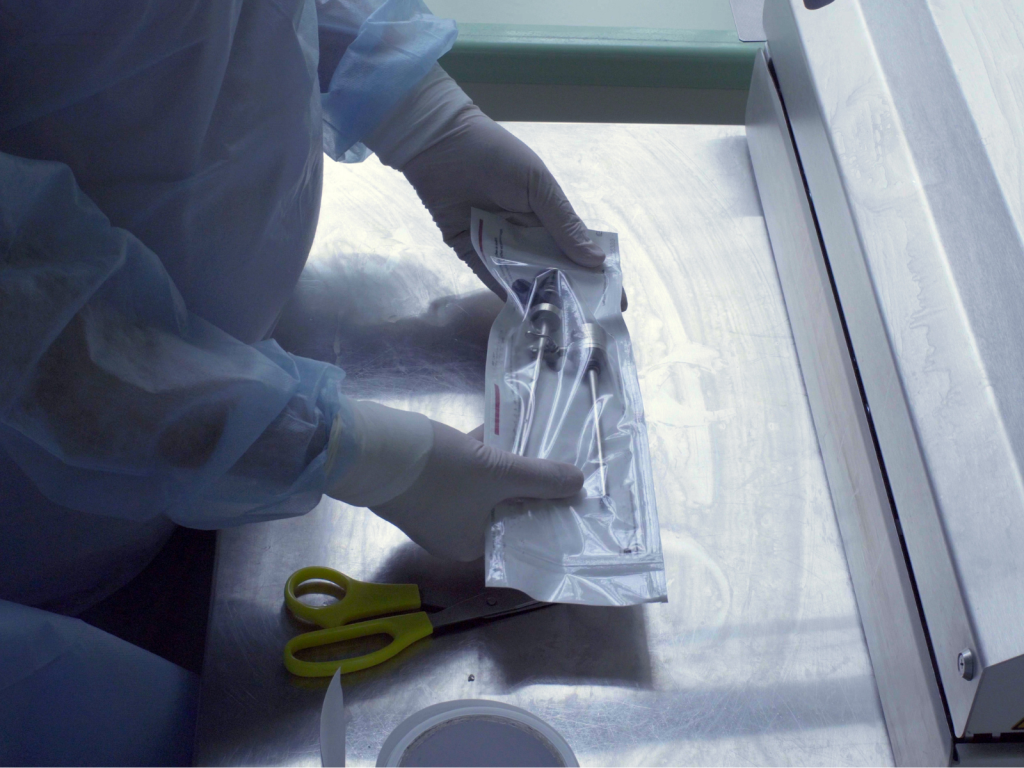
Gloved hands place small plastic-wrapped metal instruments onto a metal tray on a workbench, with scissors, a roll of tape, and a container lid nearby.

Ethylene Oxide Properties

Property  Value
Chemical Formula C2H4O
CAS Number 75-21-8
Molecular Weight 44.05 g/mol
Appearance Colourless gas
Odour Sweet, ether-like odour
Flammability Highly flammable
Relative Density Heavier than air
Common Detection Technology Photoionisation Detection (PID) technology

What is Ethylene Oxide?

Ethylene oxide is an organic compound primarily used to sterilise medical devices that cannot withstand steam or high-temperature sterilisation. Because it is a gas, it can penetrate complex packaging and equipment, making it one of the most widely used chemical sterilisation methods within the healthcare industry.

Despite its effectiveness, ethylene oxide presents significant health and safety challenges. Long-term exposure has been linked to serious health effects, and because EtO is both toxic and flammable, continuous monitoring is often required throughout sterilisation facilities and associated processes.

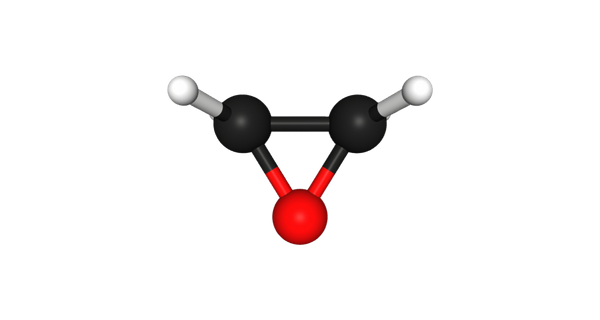
3D molecular model showing the chemical structure of ethylene oxide

Common Applications for Ethylene Oxide Monitoring

Medical Device Sterilisation Pharmaceutical Manufacturing Healthcare Manufacturing 
Monitor sterilisation chambers, processing areas and aeration rooms to protect personnel throughout the sterilisation cycle. Detect EtO during sterilisation and production processes to maintain workplace safety. Support the safe production and sterilisation of medical products and healthcare equipment.
Sterilisation Facilities Environmental Emissions Occupational Exposure Monitoring
Monitor process areas, gas injection systems and extraction points for leaks and workplace exposure. Monitor EtO concentrations before and after scrubbing systems to help verify emission control performance. Provide continuous personal and fixed monitoring to help manage employee exposure and support workplace compliance.

Why Detect Ethylene Oxide?

Protect Workers

Ethylene oxide can be harmful through inhalation and skin exposure. Real-time gas monitoring can provide an early warning of unexpected EtO concentrations, helping workers respond before exposure escalates.

Support Occupational Exposure Monitoring

Real-time monitoring enables organisations to manage worker exposure and assess Time Weighted Average (TWA) and Short-Term Exposure Limit (STEL) values where applicable.

Detect Leaks Early

Monitoring around sterilisation chambers and associated equipment helps identify leaks before they become hazardous.

Improve Environmental Performance

Monitoring emissions supports the effective operation of scrubber systems and helps minimise EtO released to the environment.

Health Effects of Ethylene Oxide Exposure

Because ethylene oxide is classified as a carcinogen, maintaining low workplace exposure levels is a key safety priority.

Short-Term (Acute) Exposure

Long-Term (Chronic) Exposure

Exposure may result in: Repeated exposure may increase the risk of:
  • Eye irritation
  • Skin irritation
  • Headaches
  • Nausea
  • Respiratory irritation
  • Cancer
  • Nervous system effects
  • Reproductive health implications
  • Long-term respiratory complications

Workplace Exposure Limits of Ethylene Oxide

Standard Limit
UK EH40 WEL (8-hour TWA) 1 ppm
UK EH40 STEL Not specified
OSHA TWA 1 ppm
NIOSH REL TA 0.1 ppm

Exposure limits are provided for guidance and were checked against the relevant regulatory sources in August 2026. Always refer to the latest published guidance from the relevant authority.

Sources: EH40/2005 Workplace exposure limits; OSHA Table Z-1-Limits for Air Contaminants

How is Ethylene Oxide Detected?

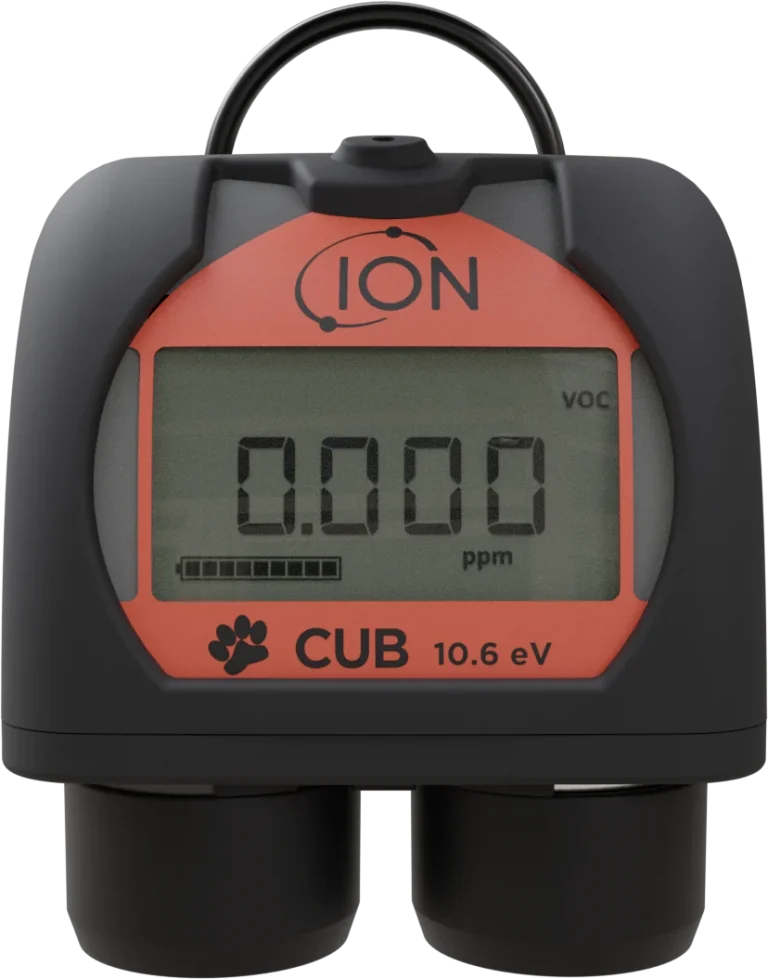
Ethylene oxide can be detected using photoionisation detector (PID) technology, making it suitable for workplace exposure monitoring, leak detection and continuous area monitoring. With an ionisation potential of 10.56 eV, EtO can be detected using a 10.6 eV PID lamp, making PID technology a practical solution for many occupational hygiene applications.

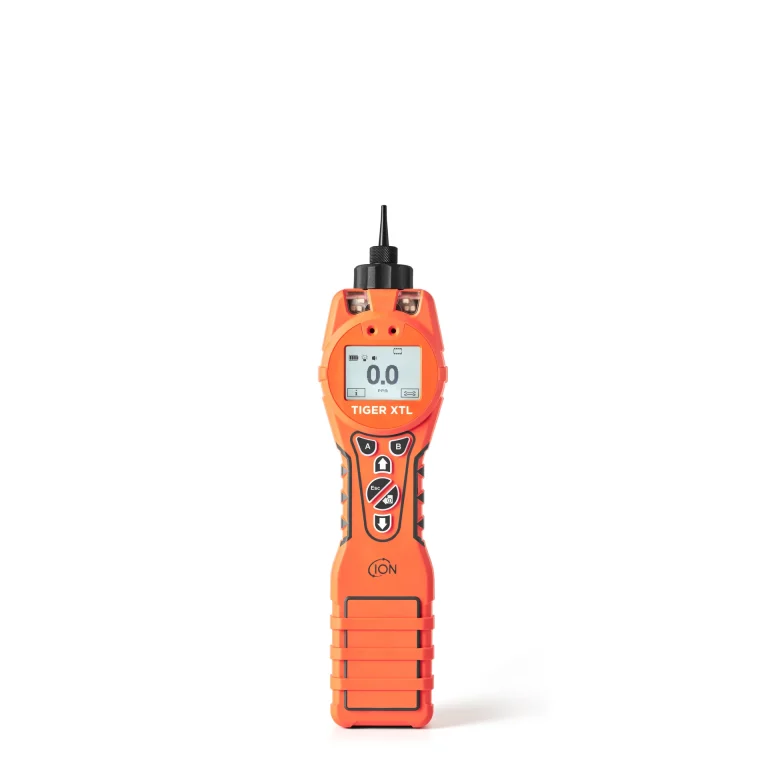
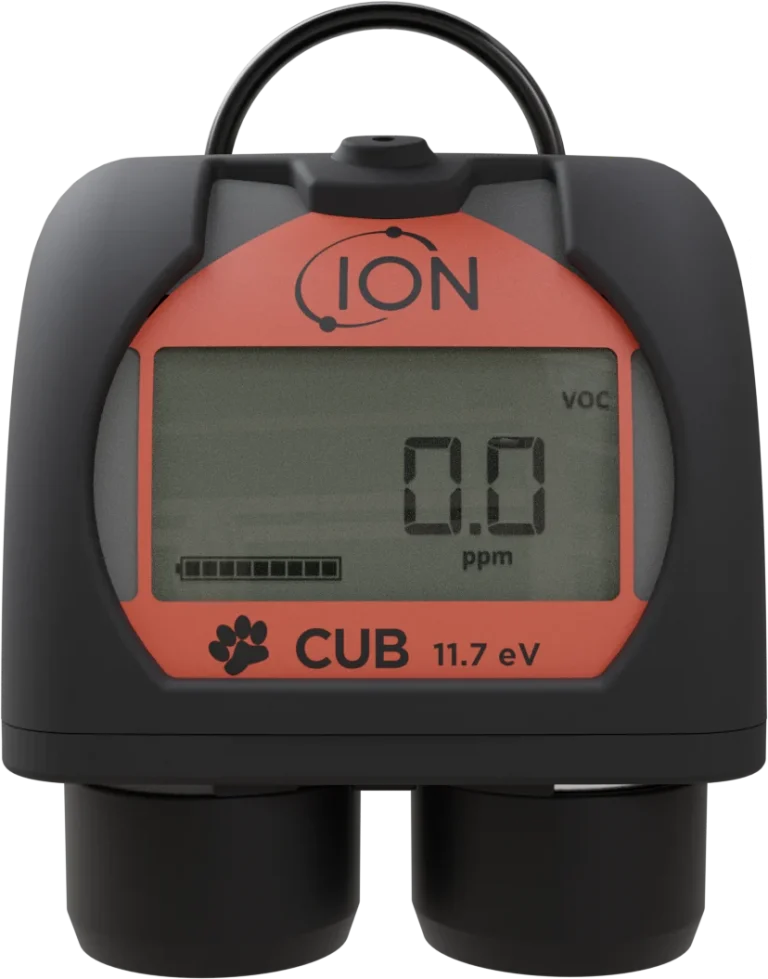
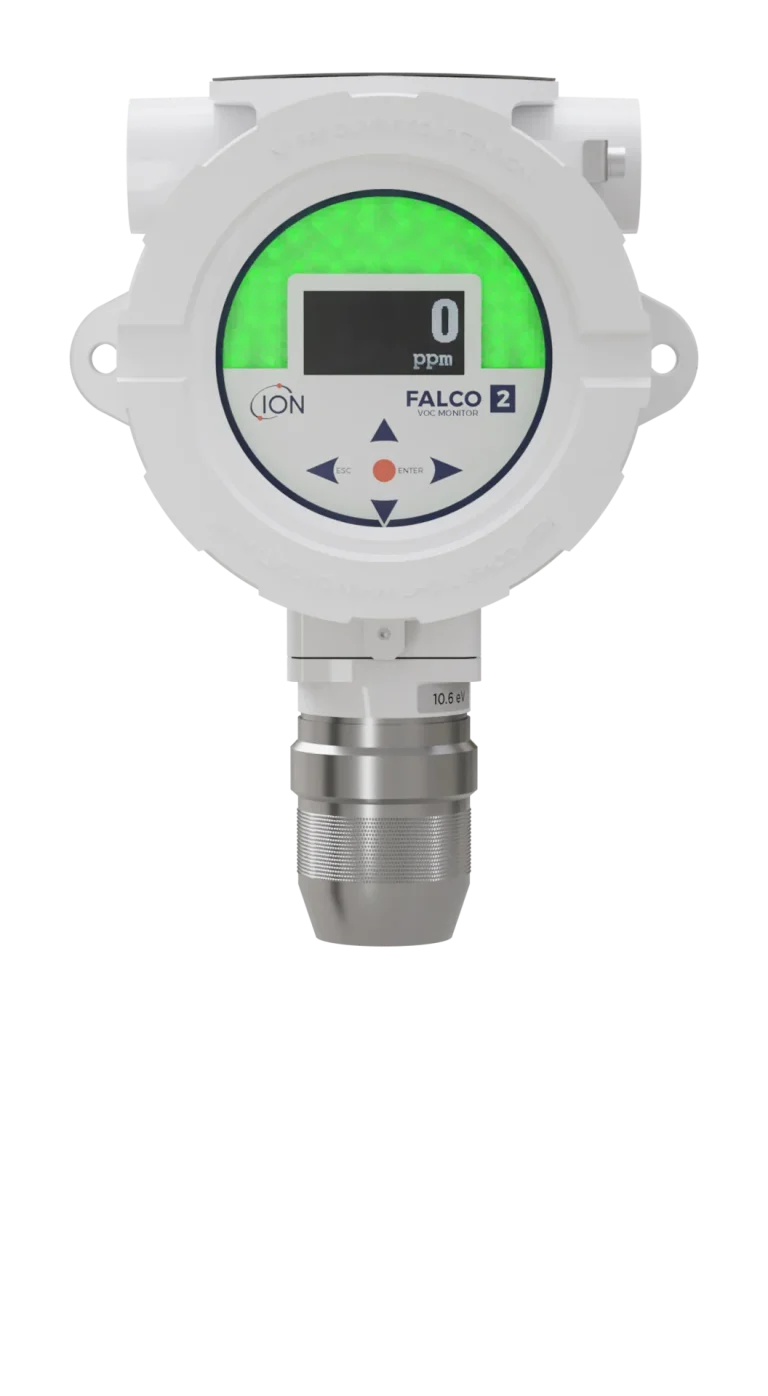
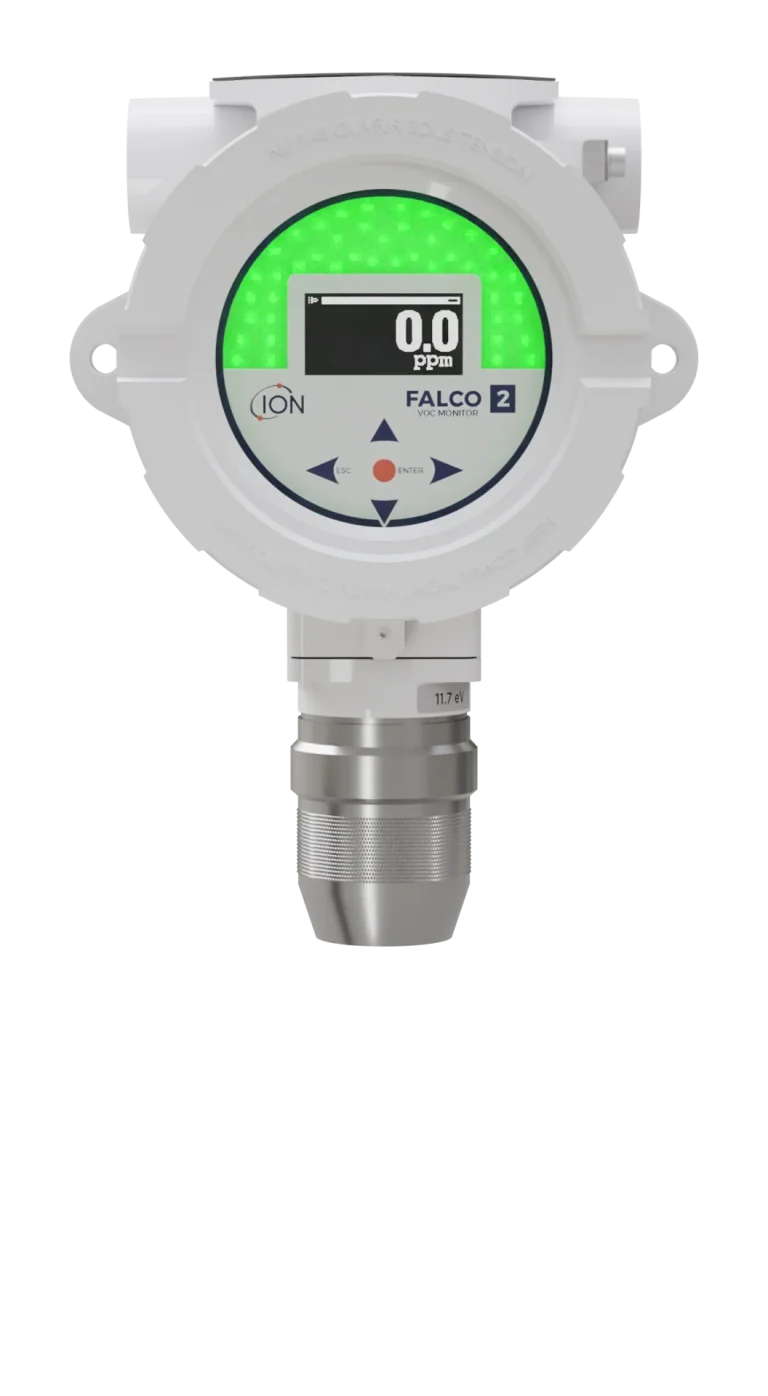
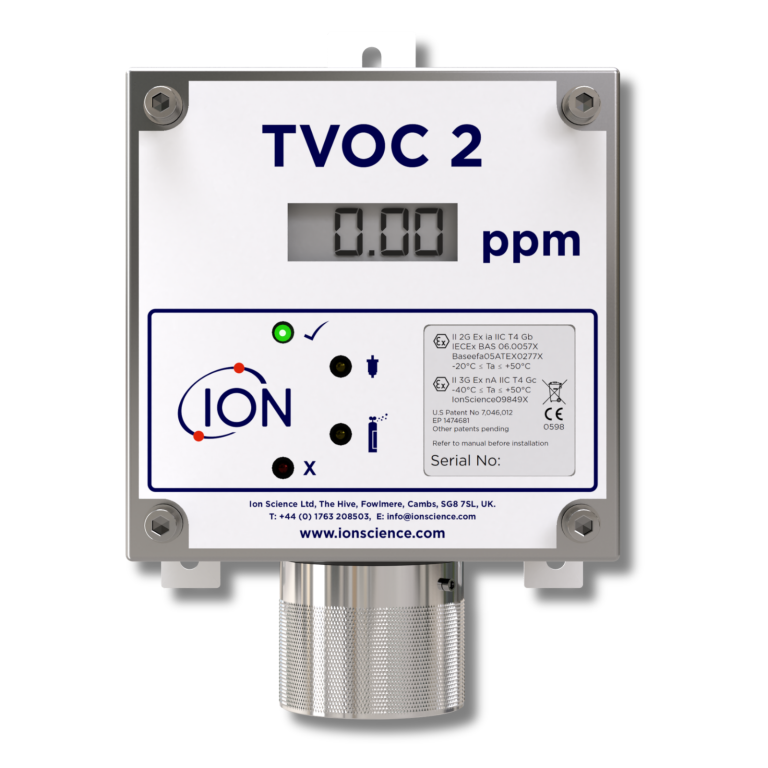
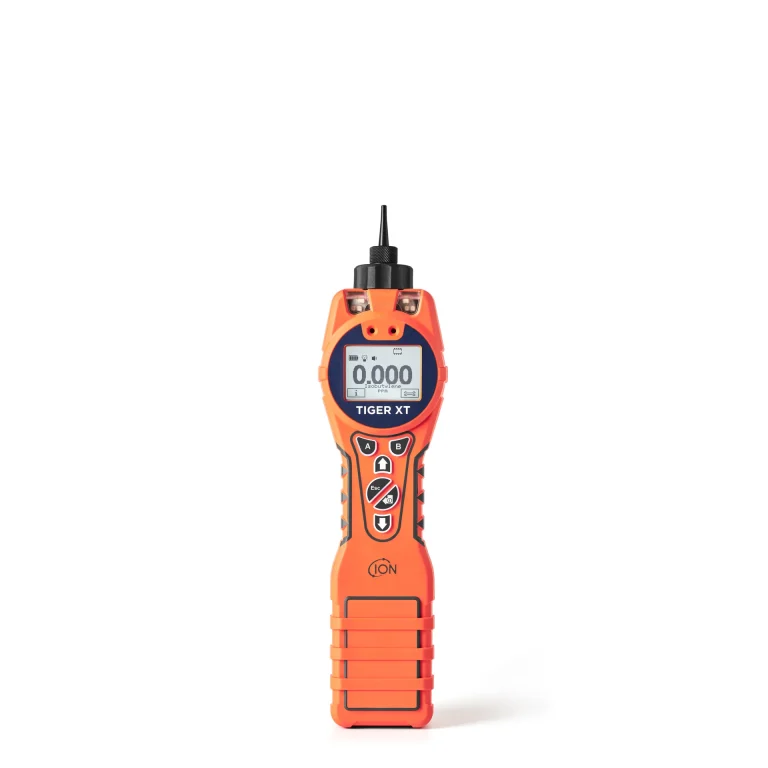
Wearable monitors are well suited to recording individual exposure throughout a working shift, while fixed systems provide continuous monitoring around sterilisation chambers, extraction systems and processing areas.

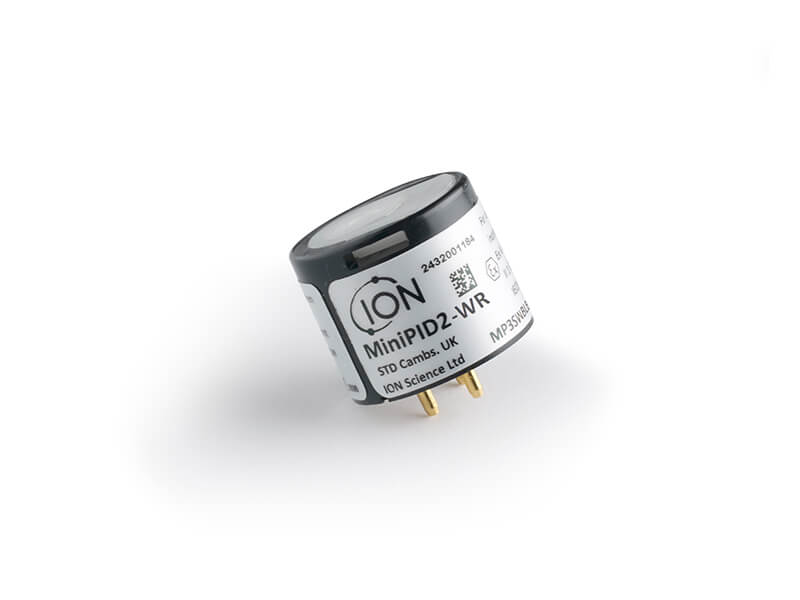
ION Science MiniPID 2 PPB photoionisation sensor for low-level VOC detection.

Frequently Asked Questions about Ethylene Oxide

Ethylene oxide (EtO) is a colourless, flammable and highly reactive gas with the chemical formula C₂H₄O and CAS number 75-21-8. It is used as an industrial chemical intermediate and as a low-temperature sterilising agent for medical devices and healthcare products.

Ethylene oxide is also known as epoxyethane or oxirane.

Ethylene oxide is used to manufacture chemicals including ethylene glycols, surfactants, detergents and ethanolamines. It is also used to sterilise medical devices, pharmaceutical products and other materials that could be damaged by steam, heat or moisture.

Ethylene oxide is toxic, carcinogenic and highly flammable. Exposure may irritate the eyes and respiratory system, while repeated or long-term occupational exposure can increase the risk of serious health effects, including cancer. Because EtO may be absorbed through inhalation and skin contact, workplaces must prevent or adequately control exposure.

Ethylene oxide can be monitored using several methods, depending on the required detection level and purpose. These may include photoionisation detectors for real-time workplace screening and leak detection, fixed monitoring systems, and occupational-hygiene sampling followed by laboratory analysis.

The selected method should be suitable for the expected concentration, required sensitivity, other gases or vapours present and applicable regulatory requirements.

EtO is widely used in medical device sterilisation, pharmaceutical manufacturing, healthcare product production and specialist sterilisation facilities.

Yes. Ethylene oxide has an ionisation potential of 10.56 eV, making it detectable using a 10.6 eV photoionisation detector (PID).

As a gas, ethylene oxide penetrates packaging and complex medical devices, allowing effective sterilisation of products that are sensitive to heat or moisture. 

In Great Britain, the Workplace Exposure Limit for ethylene oxide is 1 ppm as an eight-hour time-weighted average. Ethylene oxide also carries carcinogen and skin notations in the HSE’s EH40 guidance. No separate 15-minute short-term exposure limit is currently assigned in EH40. Organisations should nevertheless assess and control short-term concentration peaks as part of their workplace risk assessment. 

Current requirements should always be checked in the HSE’s EH40 Workplace Exposure Limits and against any additional regulations applicable to the location and industry.

Discuss Your Ethylene Oxide Monitoring Requirements

Whether you’re monitoring employee exposure, detecting leaks around sterilisation equipment or implementing continuous area monitoring, our team can help you identify the most suitable ethylene oxide detection solution.

Speak to the ION Science experts to discuss your application and discover the right monitoring technology for your facility.

Contact ION Science

Loading enquiry form…

Contact ION Science

Loading enquiry form…

Newsletter sign up

Loading enquiry form…

Warranty registration

Loading enquiry form…

Contact support

Loading enquiry form…