
Ethyl Acetate | CAS 141-78-6

Detecting Ethyl Acetate

Ethyl acetate (C4H8O2) is a volatile organic compound (VOC) widely used as an industrial solvent in paints, coatings, adhesives, printing inks, pharmaceuticals and packaging. Its high volatility and flammability make effective ethyl acetate detection essential wherever the solvent is manufactured, stored or used.

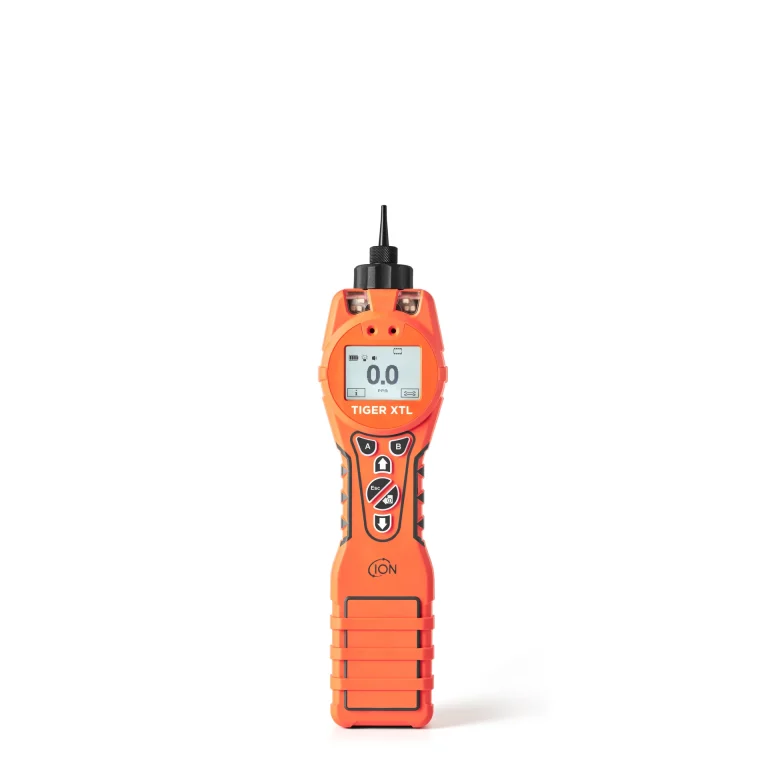
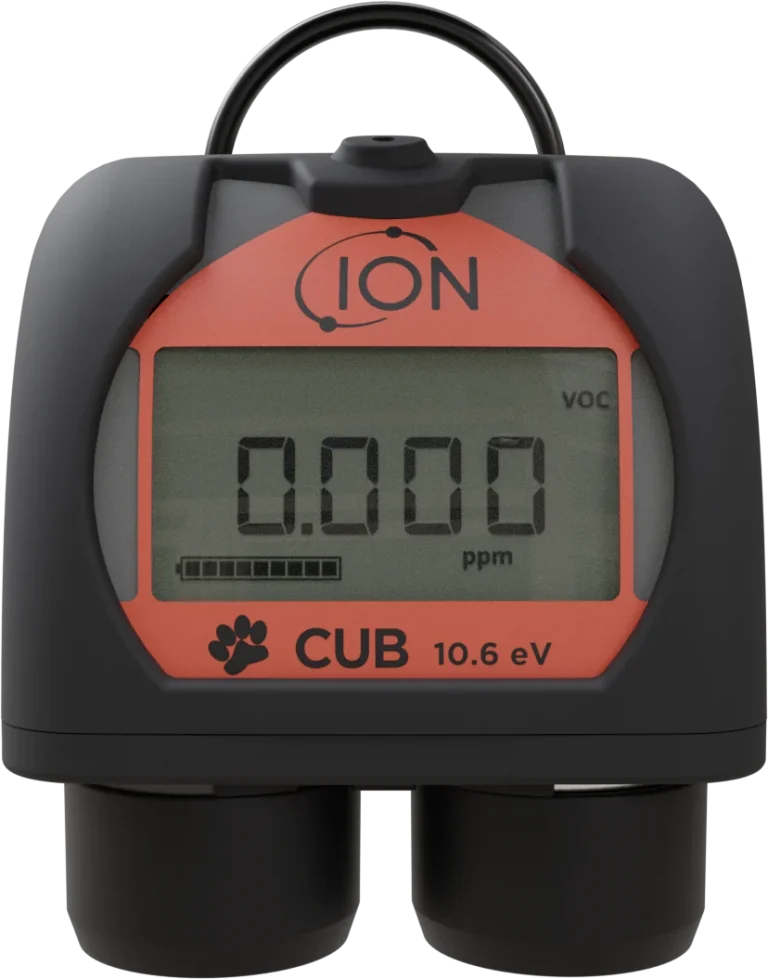
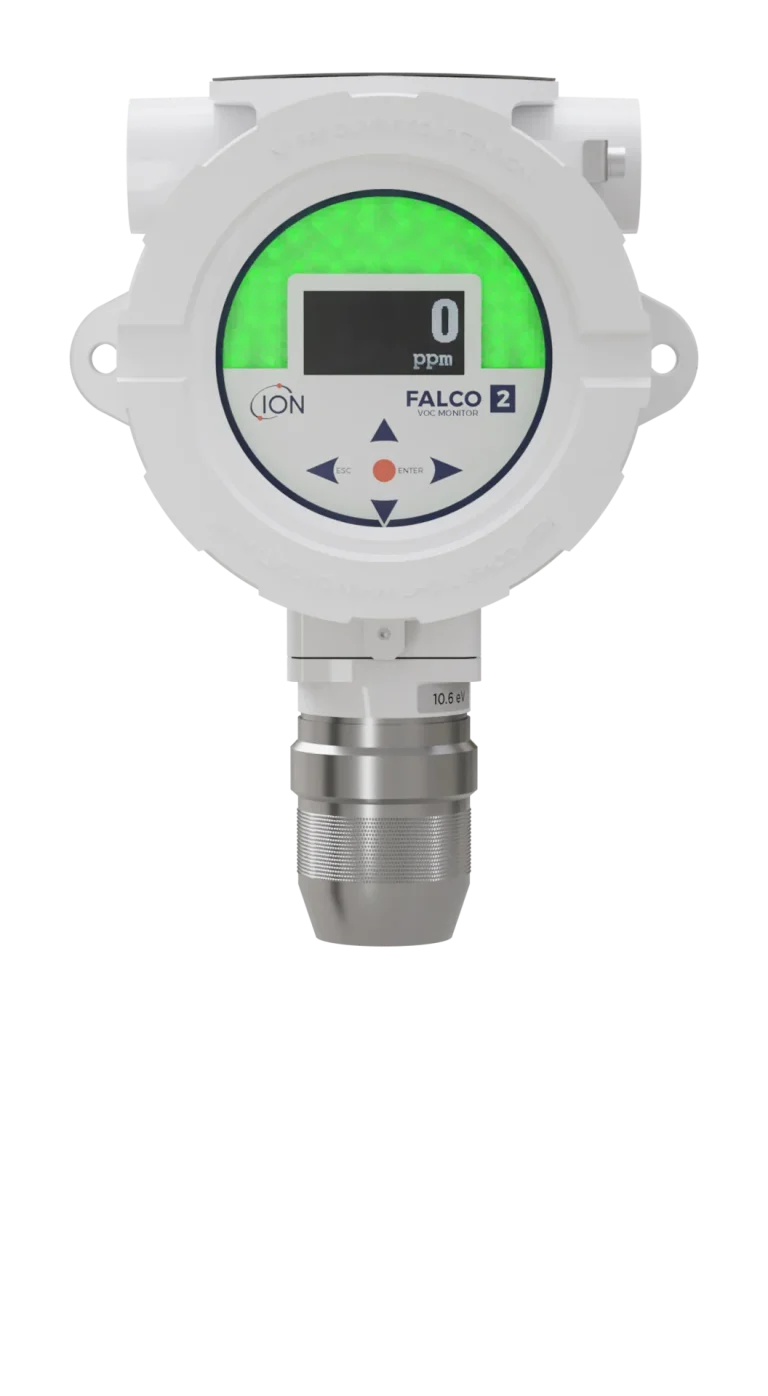
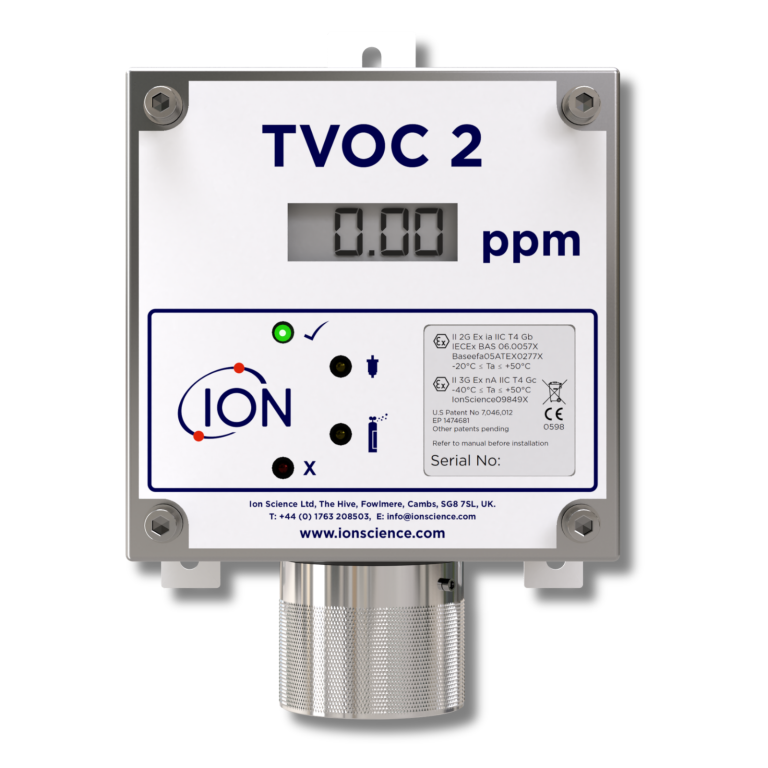
Real-time ethyl acetate vapour detection helps organisations monitor airborne concentrations, identify leaks and support safer working environments. ION Science photoionisation detection (PID) technology provides accurate VOC monitoring, enabling users to detect ethyl acetate quickly and effectively across a wide range of industrial applications.

A worker in protective clothing and a red hard hat handles a tool while wearing a face mask inside a metal fabrication workshop filled with gray beams and machinery.

Ethyl Acetate Properties

Property Value
Chemical formula C₄H₈O₂
CAS number 141-78-6
Molecular weight 88.11 g/mol
Appearance Colourless vapour
Odour Sweet, fruity odour 
Flammability Highly flammable 
Relative density Heavier than air 
Common detection technology Photoionisation detection (PID) technology

What is Ethyl Acetate?

Ethyl acetate, also known as ethyl ethanoate, is a colourless volatile organic compound (VOC) widely used as a fast-evaporating solvent. It is valued for its excellent solvency, relatively low cost and rapid drying properties, making it a common ingredient in paints, varnishes, lacquers, coatings, adhesives and printing inks. It is also used in pharmaceutical manufacturing, food flavourings, fragrances and decaffeination processes.

Due to its high vapour pressure, ethyl acetate readily evaporates during handling and processing. Effective ethyl acetate gas detection helps identify airborne solvent vapours, monitor worker exposure and support safe operations in industrial environments.

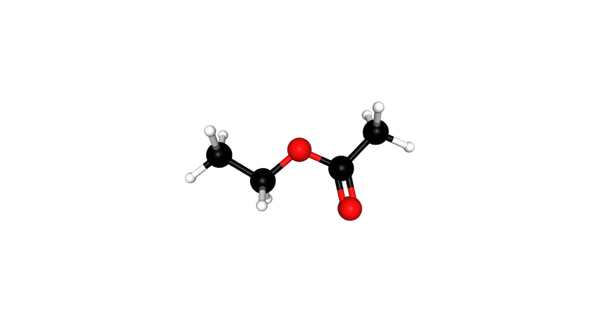
3D molecular model showing the chemical structure of ethyl acetate

Common Applications for Ethyl Acetate Detection

Ethyl acetate detection is commonly required in industries where solvent vapours may be generated during manufacturing, storage, handling and processing activities.

Manufacturing & Industrial Processing Chemical & Petrochemical Research & Laboratory 
Monitoring solvent use during the production of coatings, packaging materials, plastics and manufactured products where ethyl acetate is used for cleaning, coating or extraction processes. Supporting the safe manufacture, storage and transfer of ethyl acetate and other industrial solvents. VOC monitoring can help identify leaks and minimise workplace exposure during production and maintenance activities. Identifying airborne ethyl acetate vapours during analytical testing, product development and laboratory research.
Paints, Coatings and Printing Pharmaceutical Manufacturing

Detecting vapours from paints, lacquers, varnishes, printing inks and thinners where ethyl acetate is widely used as a fast-drying solvent.

Monitoring solvent vapours used during pharmaceutical production, extraction and formulation processes to help maintain safe working conditions.

Why Detect Ethyl Acetate?

Monitoring ethyl acetate concentrations helps organisations identify potential exposure risks, verify ventilation performance and support workplace safety procedures.

As a highly volatile and flammable solvent, ethyl acetate can quickly evaporate into the surrounding air, creating both health and fire hazards. Real-time ethyl acetate vapour monitoring enables users to detect changing VOC concentrations, investigate leaks and respond quickly to unexpected releases.

Ethyl acetate detection can support:

  • Workplace exposure assessments
  • Solvent handling safety procedures
  • VOC leak detection and investigation
  • Industrial hygiene monitoring
  • Fire and explosion risk management
  • Confined space entry assessments

Health Effects of Ethyl Acetate Exposure

Exposure to ethyl acetate can occur through inhalation of vapours, skin contact or accidental ingestion. The potential health effects depend on the concentration, duration and frequency of exposure.

Short-Term (Acute) Exposure

Long-Term (Chronic) Exposure

Short-term exposure to elevated concentrations of ethyl acetate vapour may cause:

Repeated or prolonged exposure may result in:

  • Headaches
  • Dizziness
  • Drowsiness
  • Eye, nose and throat irritation
  • Nausea
  • Central nervous system depression at high concentrations
  • Dry or cracked skin following repeated contact
  • Dermatitis
  • Potential effects on the central nervous system following prolonged high-level exposure

Workplace Exposure Limits of Ethyl Acetate 

Workplace exposure limits for ethyl acetate vary between regulatory bodies and regions. These limits provide guidance on acceptable airborne concentrations over defined periods.

Standard Limit
UK EH40 WEL (8-hour TWA) 200 ppm
UK EH40 WEL (15-minute STEL) 400 ppm
OSHA PEL (8-hour TWA) 400 ppm
NIOSH REL (10-hour TWA) 400 ppm
IDLH 2,000 ppm

Exposure limits are provided for guidance and were checked against the relevant regulatory sources in August 2026. Always refer to the latest published guidance from the relevant authority.

Sources: EH40/2005 Workplace exposure limits; OSHA Table Z-1-Limits for Air Contaminants; NIOSH Pocket Guide to Chemical Hazards

How is Ethyl Acetate Detected?

Ethyl acetate is commonly detected using photoionisation detection (PID) technology. PIDs use ultraviolet light to ionise VOC molecules, allowing instruments to measure airborne concentrations in real time.

PID technology is well suited to ethyl acetate detection because it offers:

  • Rapid response to changing VOC concentrations
  • Sensitive detection at low ppm levels
  • Real-time exposure monitoring
  • Portable, personal and fixed monitoring options

When selecting an ethyl acetate detector, factors such as required sensitivity, environmental conditions, monitoring objectives and installation location should be considered.

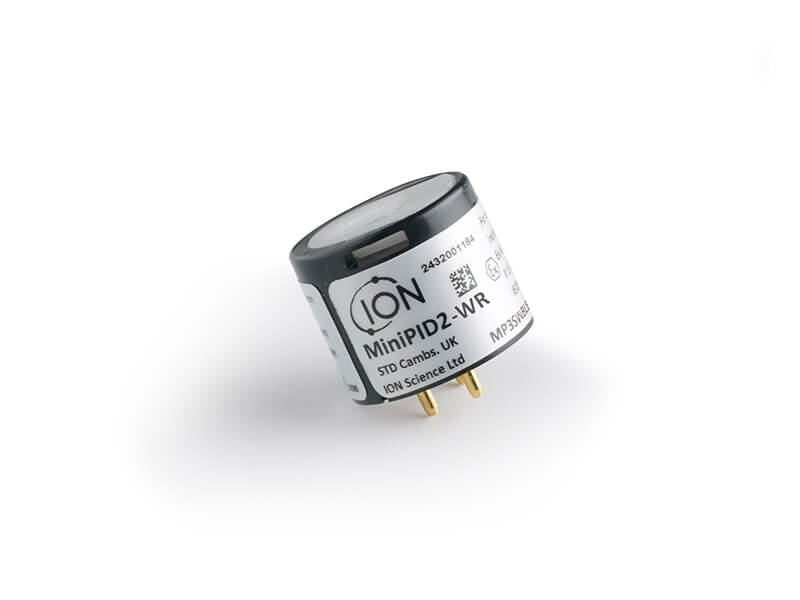
ION Science MiniPID 2 PPB photoionisation sensor for low-level VOC detection.

Frequently Asked Questions about Ethyl Acetate

Ethyl acetate is widely used as a solvent in paints, coatings, varnishes, adhesives, printing inks, pharmaceuticals, fragrances, food flavourings and decaffeination processes.

Yes. Ethyl acetate is classified as a volatile organic compound because it evaporates readily at room temperature. Its vapour can build up where ethyl acetate is stored, transferred or used, particularly within enclosed or poorly ventilated areas.

Yes. Ethyl acetate has an ionisation energy of approximately 10.01 eV, making it suitable for detection using 10.6 eV PID technology.

Ethyl acetate monitoring helps organisations manage worker exposure, identify solvent leaks and reduce fire risks associated with flammable solvent vapours.

Ethyl acetate is a highly flammable liquid and vapour. Exposure can irritate the eyes, skin, nose and throat. High airborne concentrations may cause headaches, dizziness, drowsiness or other effects on the central nervous system.

Suitable controls should be used to prevent ignition, minimise vapour release and protect workers from exposure.

Photoionisation detectors (PIDs) are commonly used for real-time ethyl acetate monitoring because they respond quickly to VOC vapours. Depending on the risk assessment, monitoring may use:

  • Wearable PID detectors worn within a worker’s breathing zone
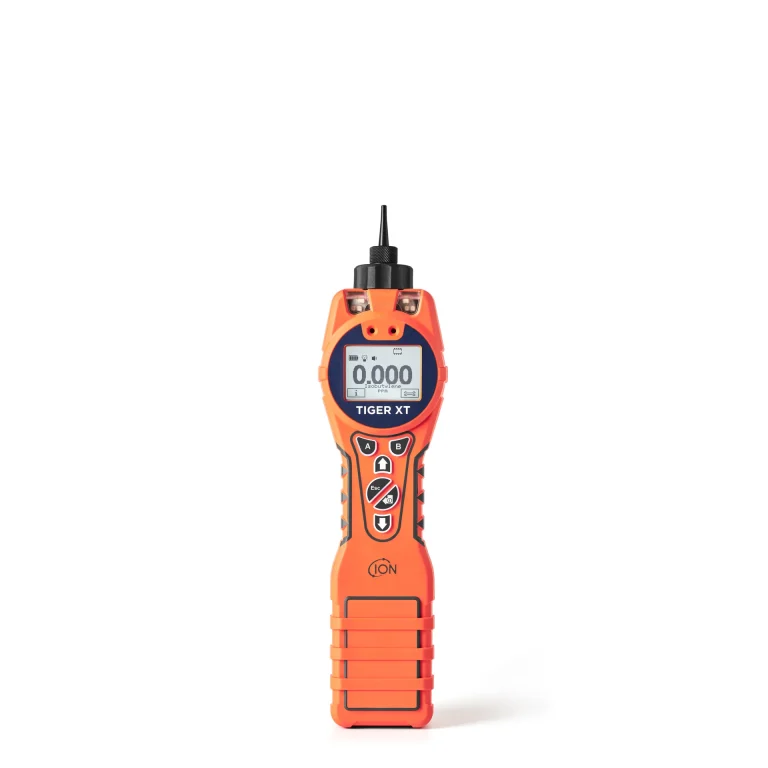
  • Portable PID instruments for surveys and leak investigation
  • Fixed PID detectors for continuous monitoring of designated areas

The appropriate detector depends on the monitoring objective, expected concentration, environment and other compounds that may be present.

In Great Britain, the Workplace Exposure Limits for ethyl acetate are:

  • 200 ppm as an eight-hour time-weighted average
  • 400 ppm as a 15-minute short-term exposure limit

These values are published in the HSE’s EH40 Workplace Exposure Limits.

Organisations outside Great Britain should consult the latest occupational exposure limits applicable within their country and industry.

Need an Ethyl Acetate Detection Solution?

From personal VOC monitoring to continuous fixed-area detection, ION Science provides PID technology designed to help industries identify and manage ethyl acetate exposure risks.

Contact our team to discuss your ethyl acetate detection requirements and find the right VOC monitoring solution for your application.

Contact ION Science

Loading enquiry form…

Contact ION Science

Loading enquiry form…

Newsletter sign up

Loading enquiry form…

Warranty registration

Loading enquiry form…

Contact support

Loading enquiry form…