Butadiene 1,3- | CAS 106-99-0

Detecting Butadiene Gas

Butadiene 1,3- (C4H6) is a highly flammable volatile organic compound (VOC) primarily used in the production of synthetic rubber, plastics and other industrial chemicals. Classified as a known human carcinogen, exposure to butadiene vapours can present significant health risks, making effective butadiene detection essential wherever the gas is manufactured, processed or stored.

ION Science photoionisation detection (PID) technology provides accurate, real-time 1,3-butadiene gas detection, helping organisations monitor airborne concentrations, identify leaks and support safer working environments across the chemical, petrochemical and manufacturing industries.

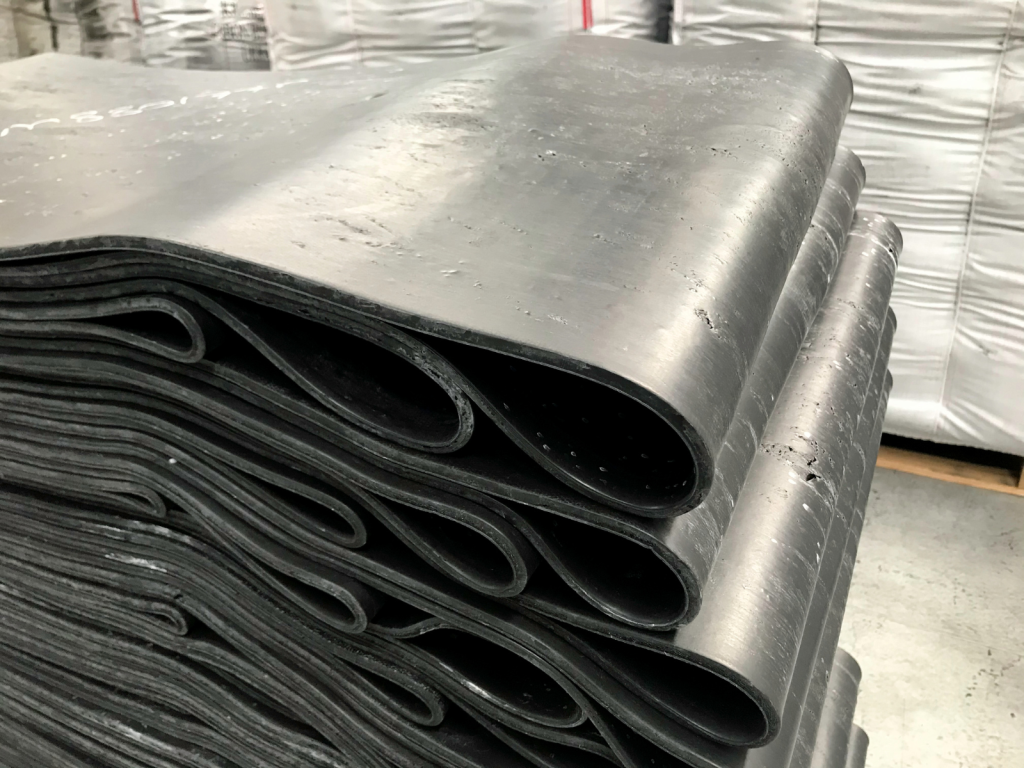
Stacked rolls of dark rubber or foam insulation with curved edges, sitting on a warehouse floor next to silver reflective sheeting.

Butadiene Properties

Property Information
Chemical formula C₄H₆
CAS number 106-99-0
Molecular weight 54.09 g/mol
Appearance Colourless gas (typically stored and transported as a liquefied compressed gas)
Odour Mild aromatic or gasoline-like odour
Flammability Extremely flammable gas
Relative density Heavier than air 
Common detection technology Photoionisation detection (PID) technology

What is Butadiene?

1,3-Butadiene is an unsaturated hydrocarbon and volatile organic compound used primarily as a chemical feedstock for manufacturing synthetic rubber, including styrene-butadiene rubber (SBR) and polybutadiene rubber. It also plays an important role in the production of plastics, nylon intermediates and latex products.

Due to its high volatility, butadiene can readily escape into the atmosphere during production, storage and transfer operations. As a recognised human carcinogen, monitoring airborne concentrations is essential for protecting workers and maintaining safe industrial operations

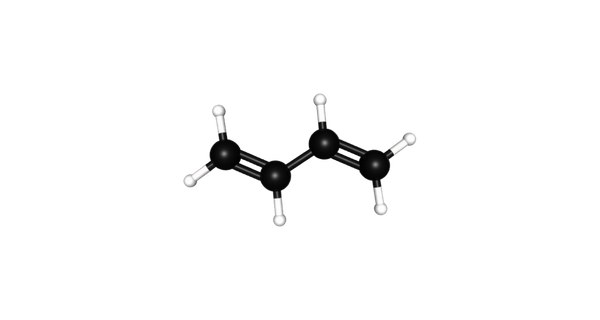
3D molecular model showing the chemical structure of butadiene

Common Applications for Butadiene Detection

Butadiene detection is commonly required in industries where the gas is manufactured, processed, transported or stored.

Chemical & Petrochemical Oil & Gas Manufacturing & Industrial Processing
Monitoring butadiene during the manufacture of synthetic rubber, plastics, resins and chemical intermediates. VOC monitoring helps identify leaks during processing, storage and transfer operations.

Monitoring butadiene associated with petroleum refining and hydrocarbon processing. Gas detection supports leak investigation, maintenance activities and workplace exposure assessments across refinery operations.

Monitoring production facilities manufacturing tyres, rubber products, plastics and industrial polymers where butadiene is used as a feedstock.

Research & Laboratory Polymer and Synthetic Rubber Production
Identifying butadiene gas during analytical testing, quality control and chemical research involving unsaturated hydrocarbons. Detecting butadiene during the manufacture of styrene-butadiene rubber (SBR), polybutadiene rubber and latex products used across automotive and industrial applications.

Why Detect Butadiene?

Monitoring butadiene concentrations helps organisations identify potential exposure risks, detect leaks quickly and support workplace safety procedures.

As a highly volatile and extremely flammable gas, butadiene presents both health and fire hazards. Real-time butadiene gas monitoring enables users to identify changing VOC concentrations, verify engineering controls and respond rapidly to unexpected releases.

Butadiene detection can support:

  • Workplace exposure assessments
  • VOC leak detection and investigation
  • Industrial hygiene monitoring
  • Chemical process safety
  • Fire and explosion risk management
  • Confined space entry assessments

Health Effects of Butadiene Exposure

Exposure to butadiene can occur through inhalation of airborne gas. The potential health effects depend on the concentration, duration and frequency of exposure.

Short-Term (Acute) Exposure

Long-Term (Chronic) Exposure

Short-term exposure to elevated concentrations of butadiene may cause:

Repeated or prolonged exposure to butadiene has been associated with:

  • Eye, nose and throat irritation
  • Headaches
  • Dizziness
  • Drowsiness
  • Fatigue
  • Central nervous system depression at high concentrations
  • Increased risk of leukaemia and other blood cancers
  • Bone marrow effects
  • Potential effects on the cardiovascular system
  • Reproductive and developmental effects
  • Increased cancer risk following long-term occupational exposure

Because 1,3-butadiene is classified as a known human carcinogen, minimising exposure through effective ventilation and reliable gas detection is essential.

Workplace Exposure Limits for Butadiene

Workplace exposure limits for butadiene vary between regulatory bodies and regions. These limits provide guidance on acceptable airborne concentrations over defined periods.

Standard Limit
UK EH40 WEL (8-hour TWA) 1 ppm
OSHA PEL (8-hour TWA) 1 ppm
OSHA STEL (15-minute) 5 ppm
NIOSH REL Occupational carcinogen (minimise exposure)
NIOSH IDLH 2,000 ppm

Exposure limits are provided for guidance and were checked against the relevant regulatory sources in August 2026. Always refer to the latest published guidance from the relevant authority.

Sources: EH40/2005 Workplace exposure limits; OSHA Table Z-1-Limits for Air Contaminants; NIOSH Pocket Guide to Chemical Hazards

How is Butadiene Detected?

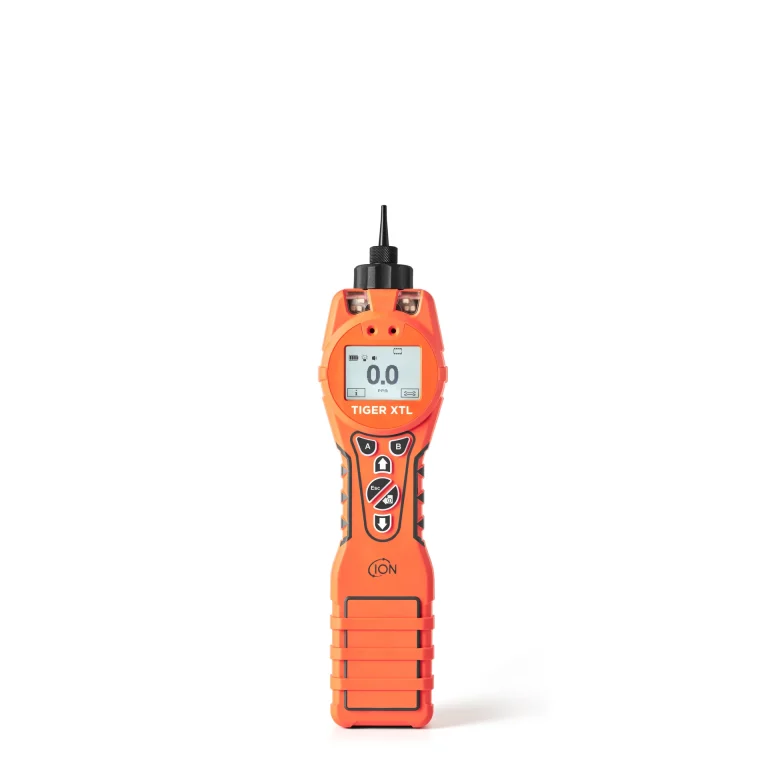
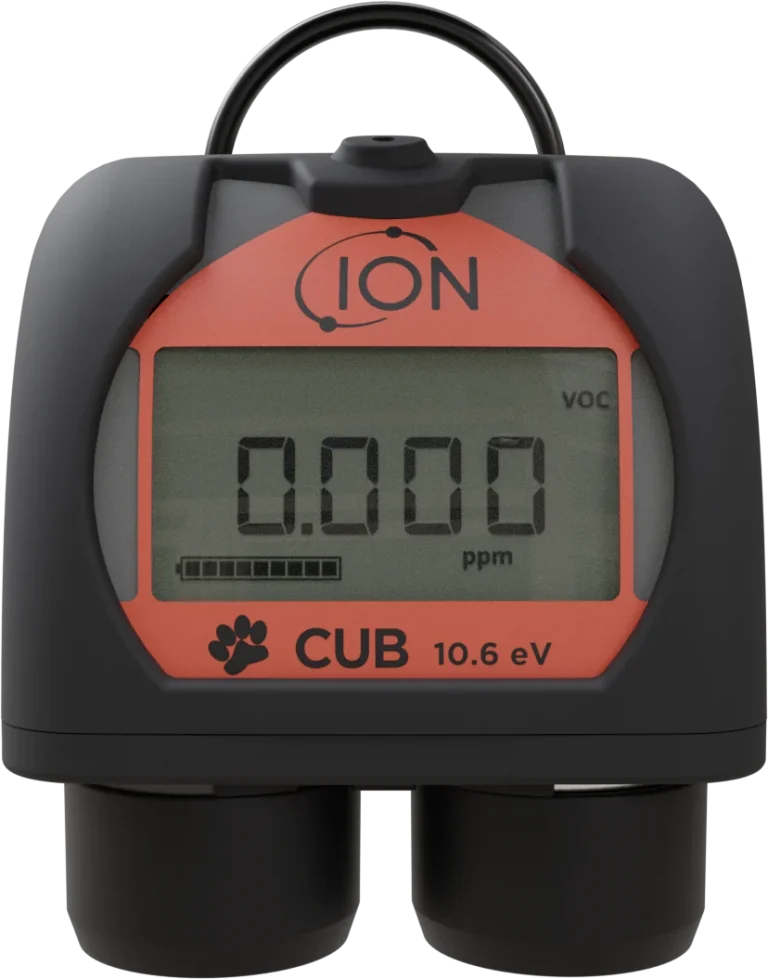
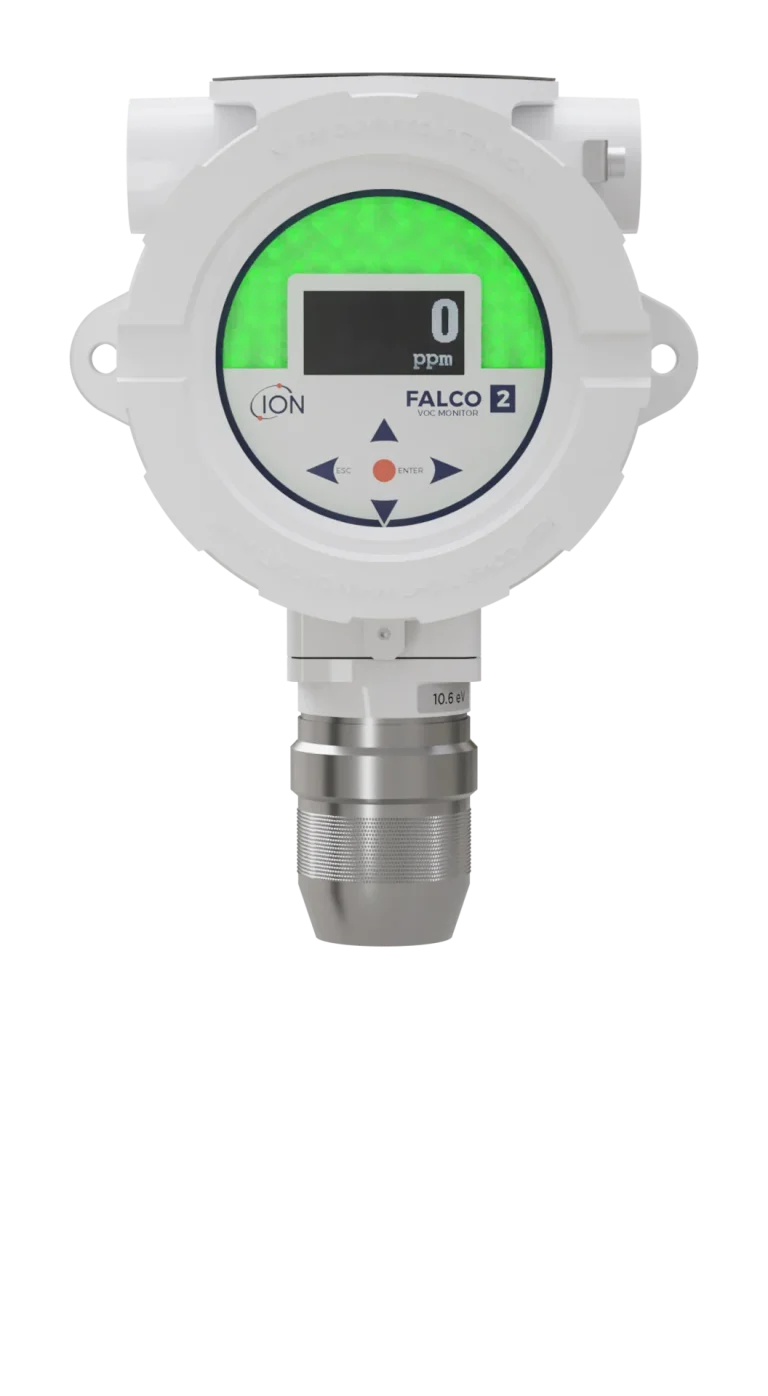
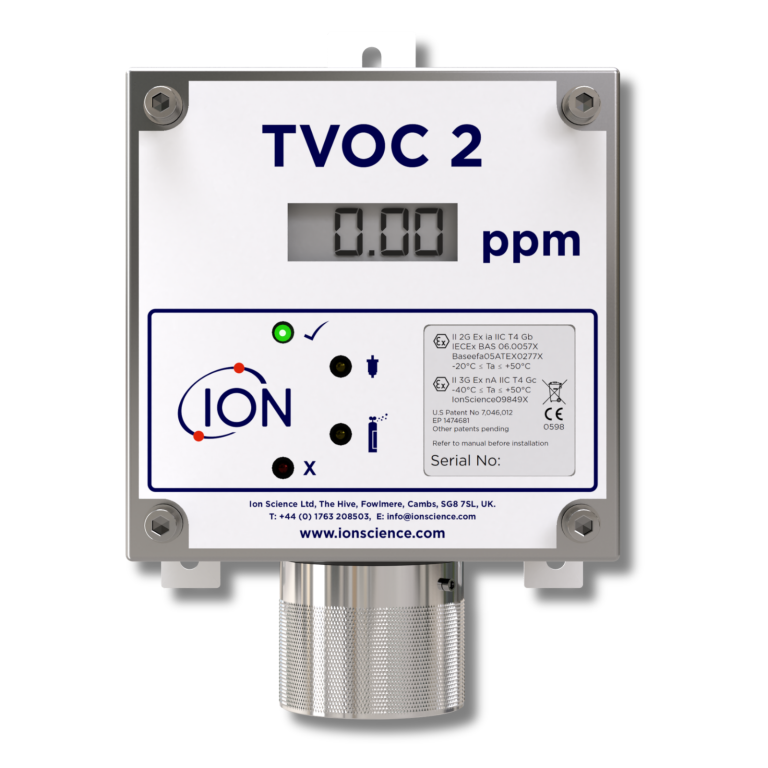
Butadiene is commonly detected using photoionisation detection (PID) technology. PIDs use ultraviolet light to ionise VOC molecules, allowing instruments to measure airborne concentrations in real time.

PID technology is well suited to butadiene detection because it offers:

  • Rapid response to changing VOC concentrations
  • Sensitive detection at low ppm levels
  • Real-time leak and exposure monitoring
  • Portable, personal and fixed monitoring options

When selecting a butadiene detector, factors such as required sensitivity, environmental conditions, monitoring objectives and installation location should be considered.

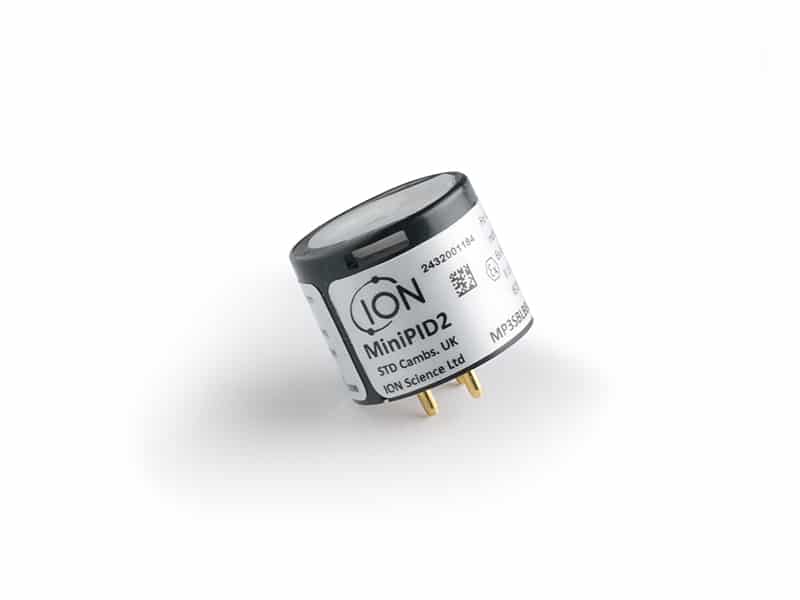
ION Science MiniPID 2 PPB gas sensor for high-sensitivity VOC detection.

Frequently Asked Questions about Butadiene

Butadiene is primarily used to manufacture synthetic rubber, including styrene-butadiene rubber (SBR) and polybutadiene rubber, as well as plastics, resins and chemical intermediates.

Yes. 1,3-Butadiene is classified as a volatile organic compound due to its high volatility and ability to readily evaporate into the atmosphere.

Butadiene monitoring helps organisations minimise worker exposure, identify leaks, support industrial hygiene programmes and manage fire and explosion risks.

Photoionisation detectors (PIDs) are commonly used because they provide fast, accurate, real-time monitoring of butadiene concentrations.

Need a Butadiene Detection Solution?

From personal VOC monitoring to continuous fixed-area detection, ION Science provides PID technology designed to help industries identify and manage butadiene exposure risks.

Contact our team to discuss your butadiene detection requirements and find the right VOC monitoring solution for your application.

Contact ION Science

Loading enquiry form…

Contact ION Science

Loading enquiry form…

Newsletter sign up

Loading enquiry form…

Warranty registration

Loading enquiry form…

Contact support

Loading enquiry form…