HAZMAT Spill Response
HAZMAT emergency response guide explains the great benefits of PID instruments in a response situation because they provide an immediate response.
Discover more: HAZMAT Spill ResponseEmergency incidents can involve unknown or rapidly changing atmospheric conditions. Chemical spills, industrial accidents, fires, confined-space rescues and hazardous-material releases may expose responders to toxic gases, volatile organic compounds, flammable atmospheres or unsafe oxygen levels.
Suitable portable and personal gas detection equipment provides essential information before and during response activities. The required instruments and sensing technologies should be selected according to the incident-response plan, anticipated hazards and applicable operating procedures.
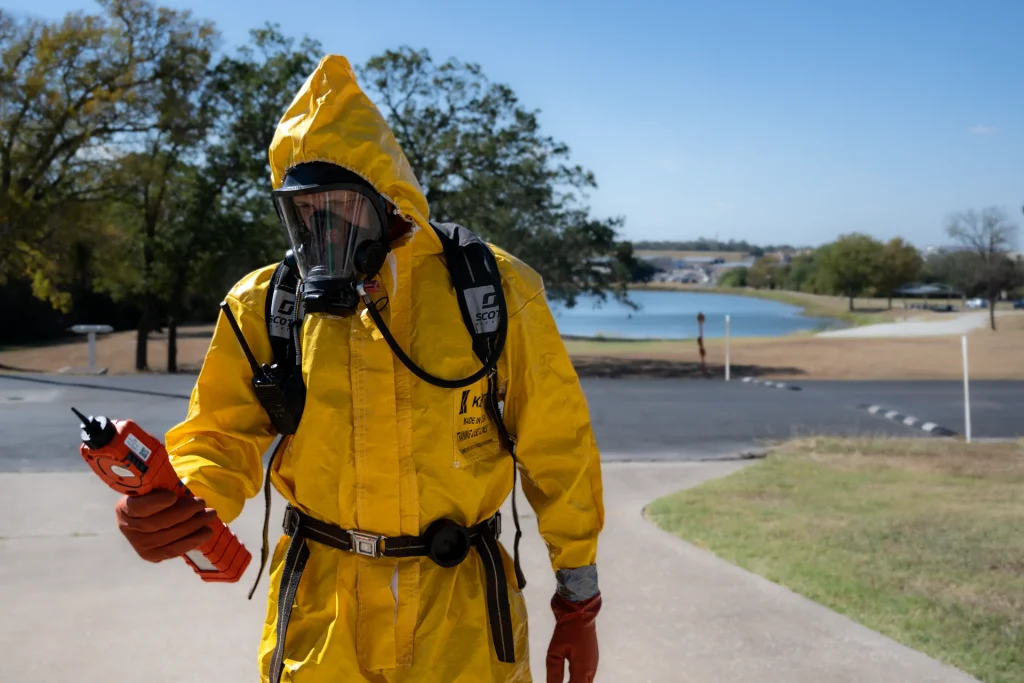
Responders may arrive without complete information about the substances involved or their concentrations. Multi-gas detectors and broad-response instruments can help screen the atmosphere for configured hazards and unexpected changes.
Gas detectors only measure substances that their installed sensors or detection technologies can respond to. A reading from a standard PID is not ordinarily compound-specific, and additional analytical methods may be required to identify an unknown substance.
Emergency situations can involve toxic gases, VOCs, flammable gases and oxygen-deficient or oxygen-enriched atmospheres. No single sensing technology detects every hazard, so teams may require a combination of multi-gas and specialist instruments.
Responders need instruments that start quickly, provide clear readings and can be operated while wearing the required protective equipment. Rapid measurement supports initial atmospheric assessment, hazard-zone management and ongoing monitoring as conditions change.
Response and start-up times vary between instruments and sensing technologies and should be considered during equipment selection.
Confined spaces can contain toxic or flammable gases, insufficient oxygen or stratified atmospheres. Remote pre-entry sampling and continuous personal monitoring may both be required, depending on the risk assessment and confined-space procedure.
The selected detector, sampling equipment and test locations must be appropriate for the identified hazards and characteristics of the space.
Emergency incidents can occur at industrial facilities, transport infrastructure, confined spaces, public locations and outdoor sites. Detection equipment must be suited to the anticipated temperature, moisture, contamination and hazardous-area conditions.
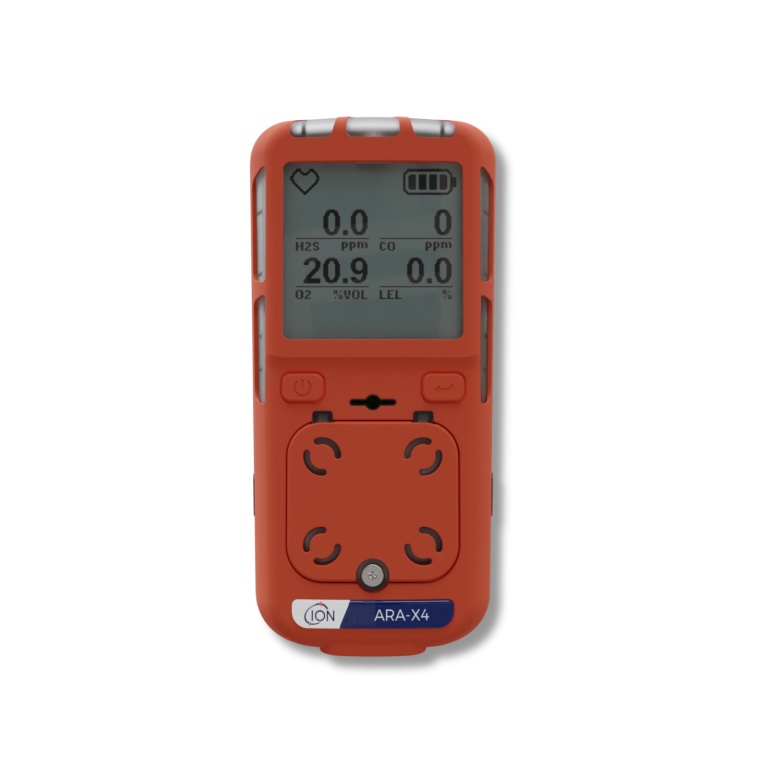
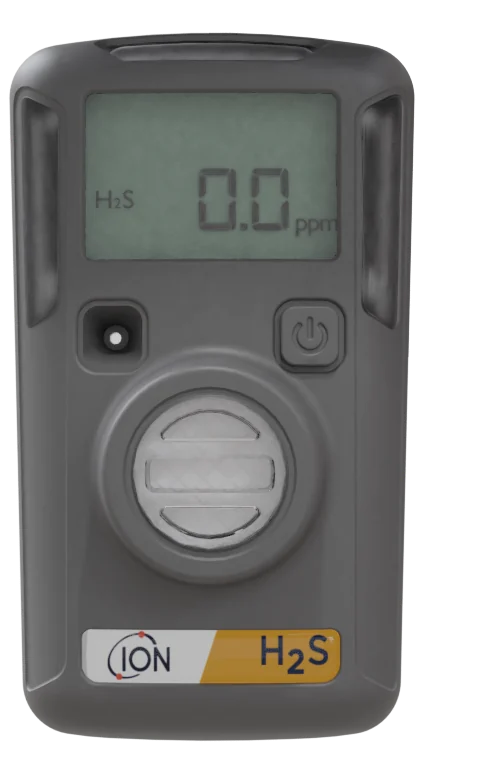
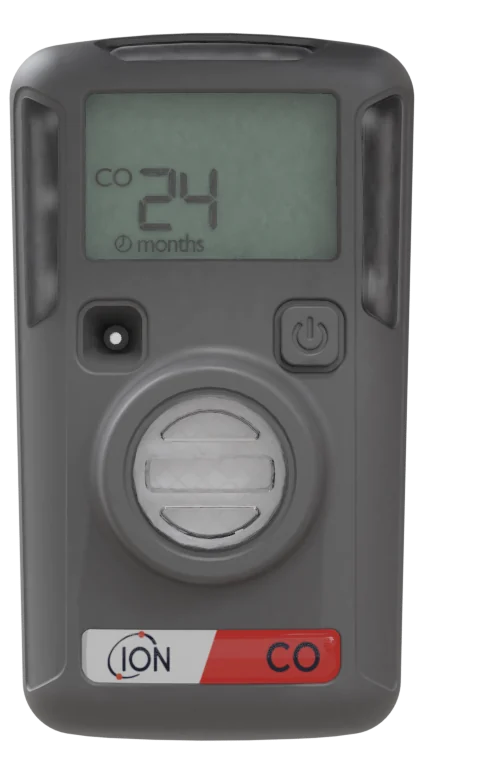
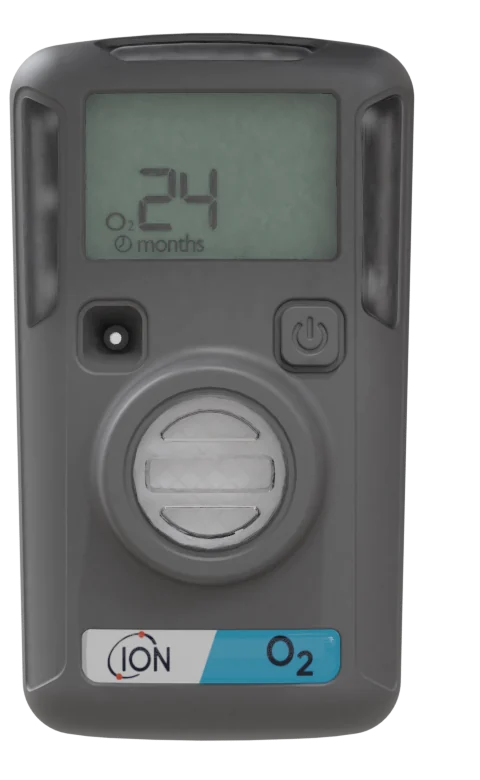
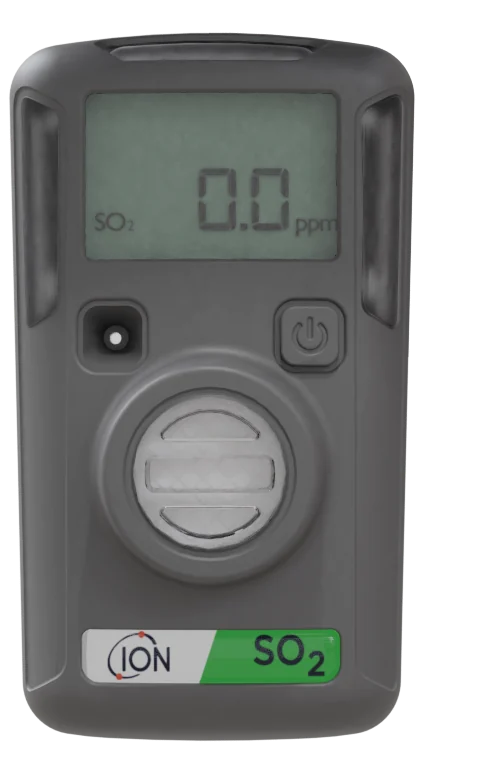
Wearable gas detectors provide continuous monitoring within the responder’s breathing zone, while handheld instruments can support leak investigation, area monitoring and atmospheric assessment. Audible, visual and vibrating alarms provide a clear warning when configured thresholds are exceeded.
Once the immediate incident is controlled, gas monitoring can help identify remaining atmospheric hazards and confirm whether conditions are changing. Instrument data logs may also support incident review, reporting and future response planning.
Explore application guidance, industry resources and real-world examples covering HazMat response, VOC detection, fire investigation, confined spaces and other emergency gas-monitoring applications.
ION Science provides portable, wearable and specialist gas detection instruments for emergency-response applications.
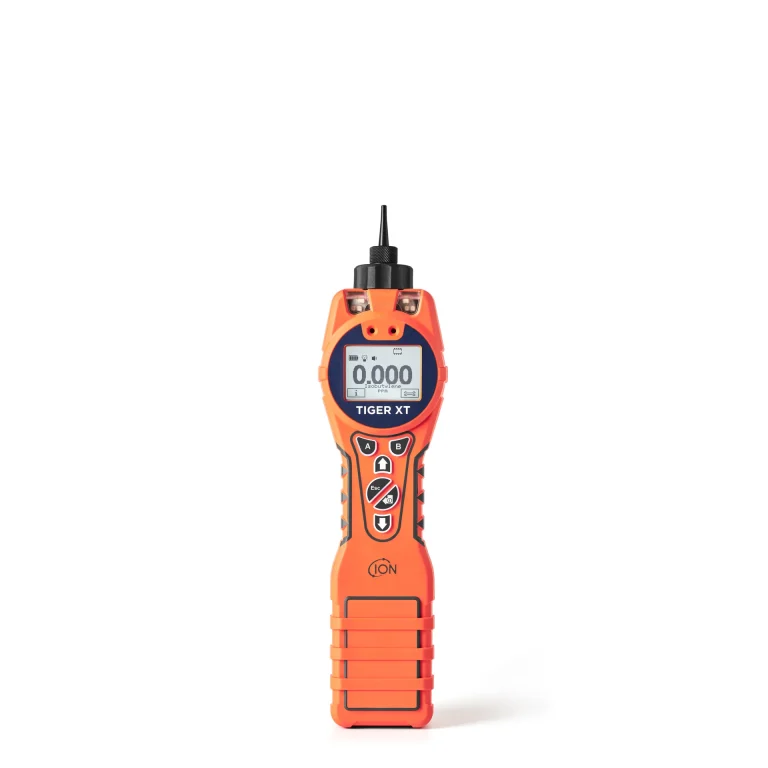
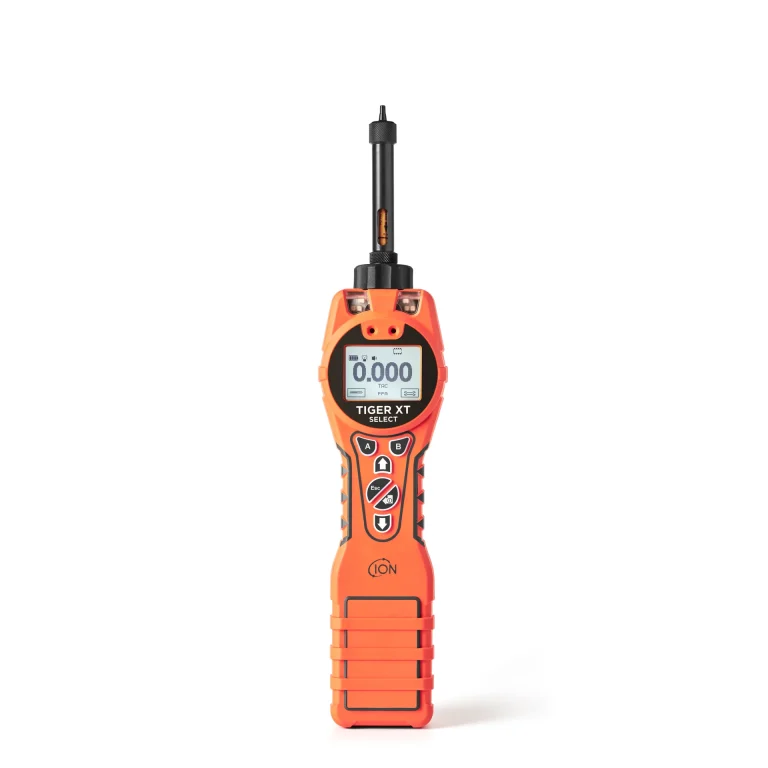
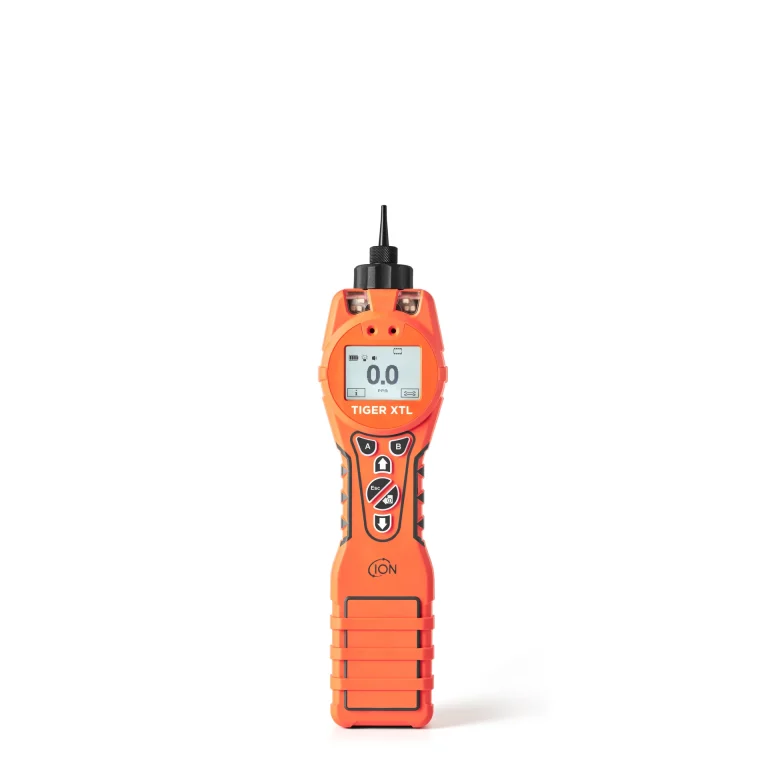
Our PID instruments support rapid screening for detectable VOCs and total aromatic compounds. Wearable single-gas and multi-gas detectors provide personal monitoring for configured toxic, flammable and oxygen hazards, while specialist leak detectors support targeted investigations.
The appropriate solution depends on the gases involved, required measurement range, response procedure and operating environment.
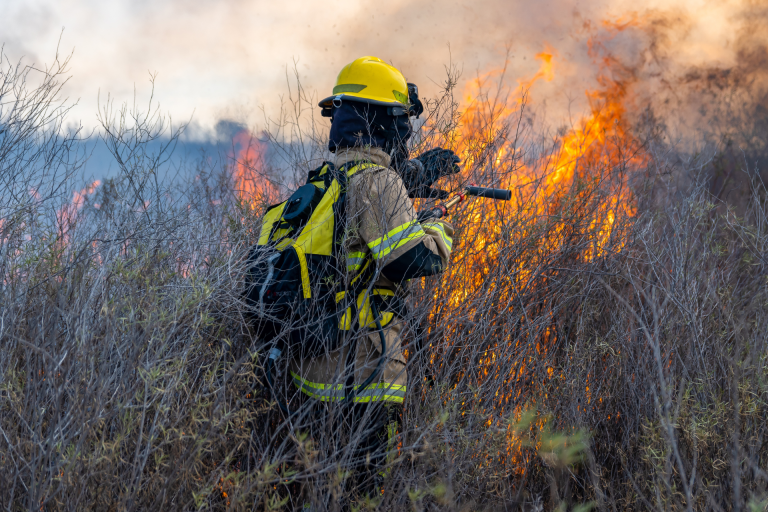
See how Bedfordshire Fire & Rescue Service uses the ION Science Tiger XT PID to identify ignitable liquids and strengthen fire scene investigations.
Discover more
See how Italy’s fire and rescue service uses the Tiger XT to provide real-time VOC detection during fire investigation and emergency response activities.
Discover moreOur authorised distributors understand the challenges associated with emergency and HazMat response. They can help you compare sensing technologies and select equipment suited to your anticipated hazards, response procedures and operating environment.