Ammonia | CAS 7664-41-7

Detecting Ammonia

Ammonia (NH₃) is a colourless gas with a distinctive, pungent odour that is widely used across industrial processes, refrigeration systems and agricultural applications. Although naturally occurring in the environment, elevated concentrations can present serious health risks, causing irritation to the eyes, skin and respiratory system, while high concentrations can result in severe injury or death.

Effective ammonia gas detection helps identify leaks, monitor workplace exposure and support safe working environments. Whether used in refrigeration systems, fertiliser production or chemical processing, reliable ammonia monitoring enables organisations to respond quickly to hazardous conditions and maintain compliance with occupational exposure limits.

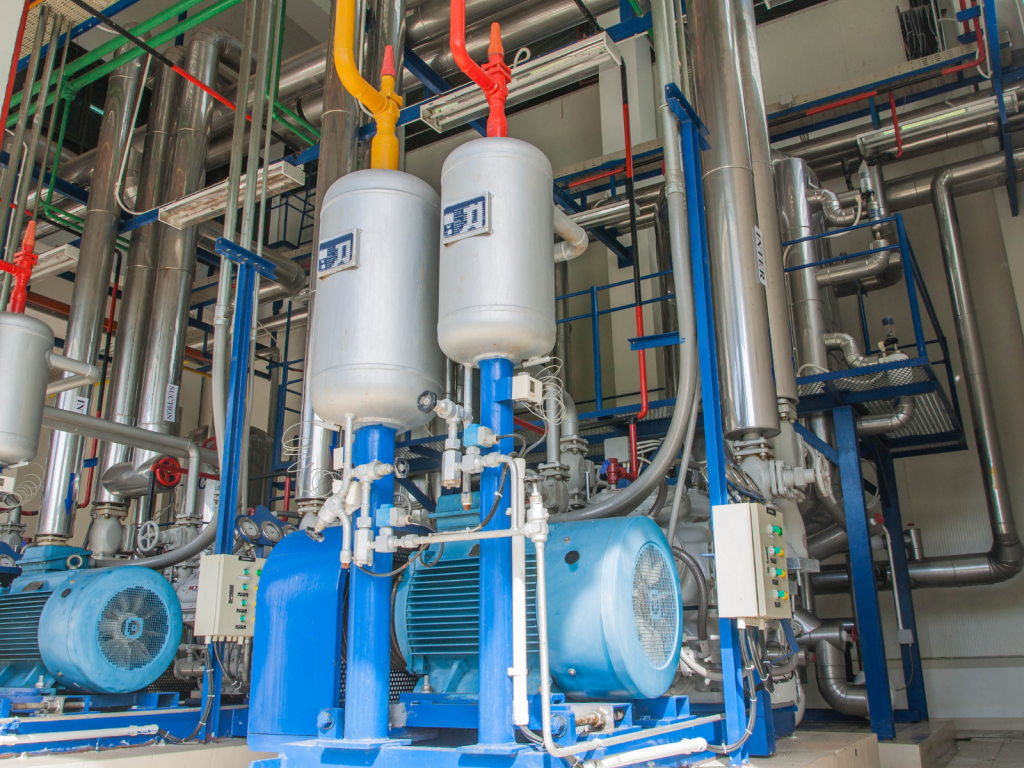
Industrial mechanical refrigeration system with blue pumps and large white cylindrical tanks, surrounded by stainless steel pipes, valves, and coloured cables in a facility room.

Ammonia Properties

Property  Value
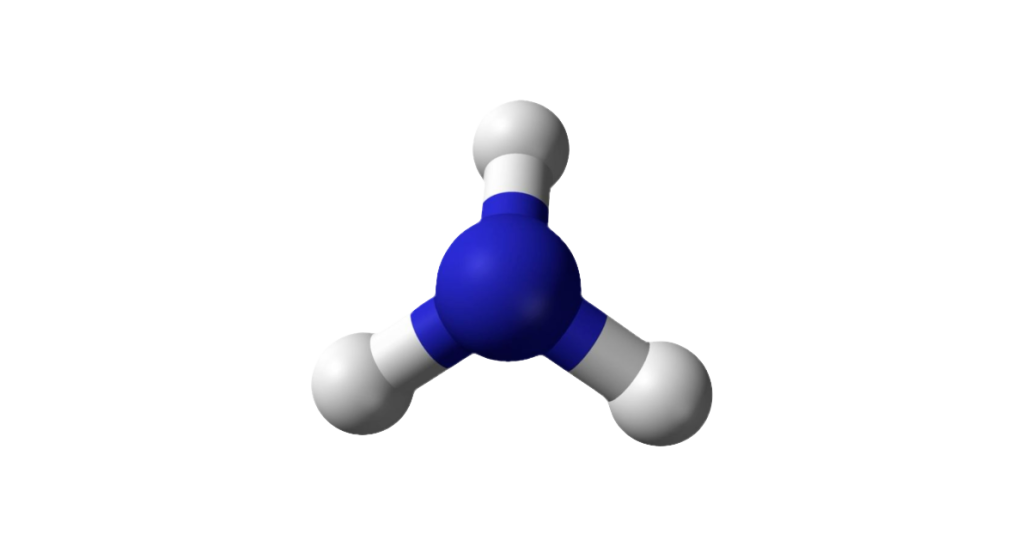
Chemical Formula NH3
CAS Number 7664-41-7
Molecular Weight 17.03 g/mol
Appearance Colourless gas
Odour Sharp, pungent
Flammability Flammable at certain concentrations
Relative Density Lighter than air
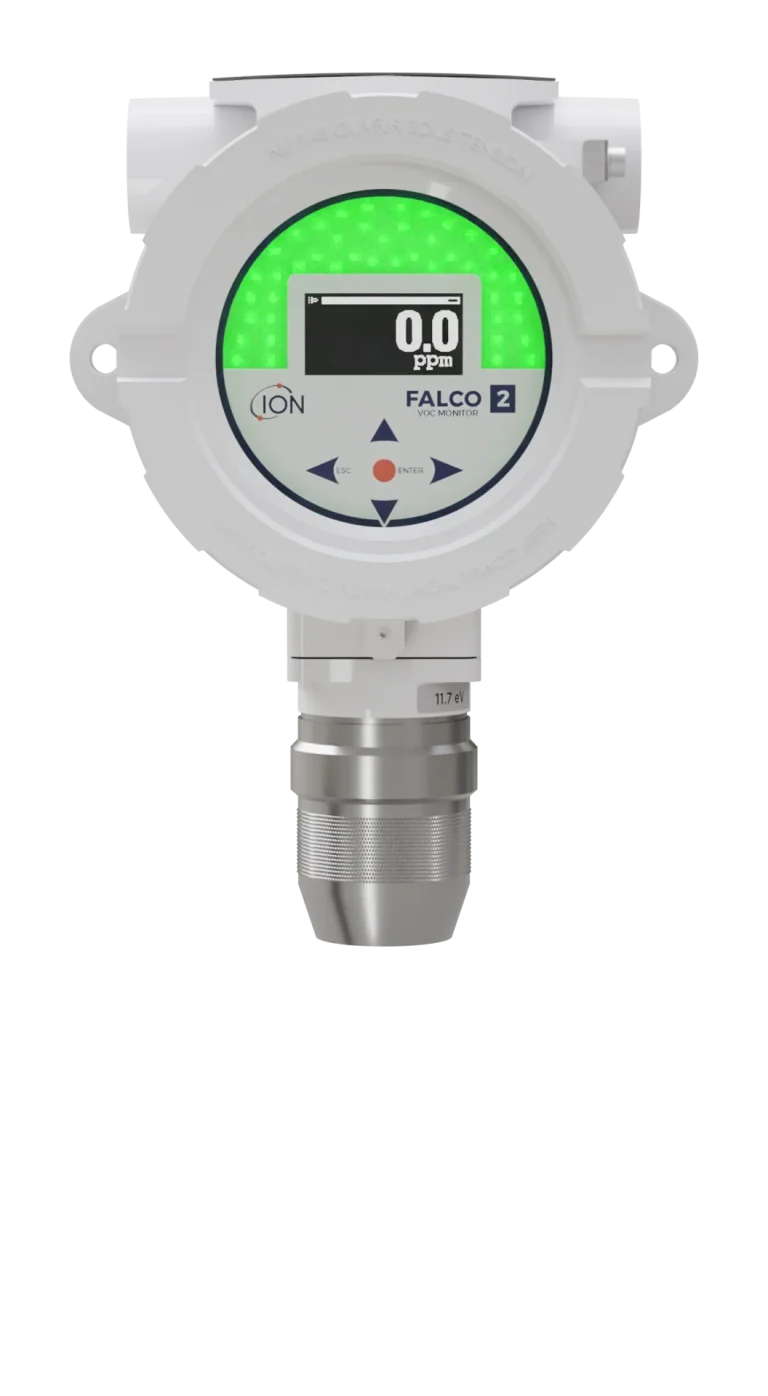
Common Detection Technologies Photoionisation Detection Technology (PID), Microthermal Conductivity, Electrochemical (EC)

What is Ammonia?

Ammonia is one of the world’s most widely produced industrial chemicals and plays a vital role in the manufacture of fertilisers, pharmaceuticals, cleaning products and numerous other chemical processes. It is also commonly used as a refrigerant (R717) in industrial cooling systems.

Despite its widespread use, ammonia is highly irritating and corrosive. Exposure to elevated concentrations can rapidly affect the eyes and respiratory system, making early detection essential wherever ammonia is stored, transported or used.

Common Applications for Ammonia Detection

Refrigeration & HVAC SystemsChemical ManufacturingFertiliser Production
Monitor ammonia refrigeration plants and cold storage facilities for leaks to protect personnel and minimise downtime.Detect ammonia used during chemical production and processing to support safe operations.Monitor ammonia throughout production, storage and transfer processes.
Food & BeverageAgricultureWater & Wastewater Treatment
Protect workers in food processing facilities using ammonia-based refrigeration systems.Monitor ammonia in livestock housing, manure storage and fertiliser handling environments.Detect ammonia used during water treatment and monitor potential releases across treatment facilities.

Why Detect Ammonia?

Protect Workers

Continuous monitoring helps identify hazardous ammonia concentrations before they pose a risk to personnel.

Detect Leaks Quickly

Early leak detection reduces the impact of accidental releases and helps minimise operational disruption.

Support Regulatory Compliance

Monitoring workplace ammonia concentrations helps organisations comply with occupational exposure limits and safety regulations.

Improve Process Safety

Routine monitoring supports safe operation of refrigeration systems, chemical processes and ammonia storage facilities.

Health Effects of Acetone Exposure

Low-Level Exposure Moderate Exposure High-Level Exposure
Symptoms may include: Increasing concentrations may cause: High concentrations can rapidly result in:
  • Eye irritation
  • Nose and throat irritation
  • Coughing
  • Watery eyes
  • Skin irritation
  • Chest tightness
  • Difficulty breathing
  • Severe eye irritation
  • Chemical burns
  • Persistent coughing
  • Serious respiratory injury
  • Lung damage
  • Blindness
  • Loss of consciousness
  • Fatality

Workplace Exposure Limits of Acetone

Standard Limit
UK EH40 WEL (8-hour TWA) 25 ppm
UK EH40 WEL (15-minute STEL) 35 ppm
OSHA PEL 50 ppm
NIOSH REL 25 ppm
NIOSH IDLH 300 ppm

Exposure limits are provided for guidance and were checked against the relevant regulatory sources in August 2026. Always refer to the latest published guidance from the relevant authority.

Sources: EH40/2005 Workplace exposure limits; OSHA Table Z-1-Limits for Air Contaminants; NIOSH Pocket Guide to Chemical Hazards

How is Ammonia Detected?

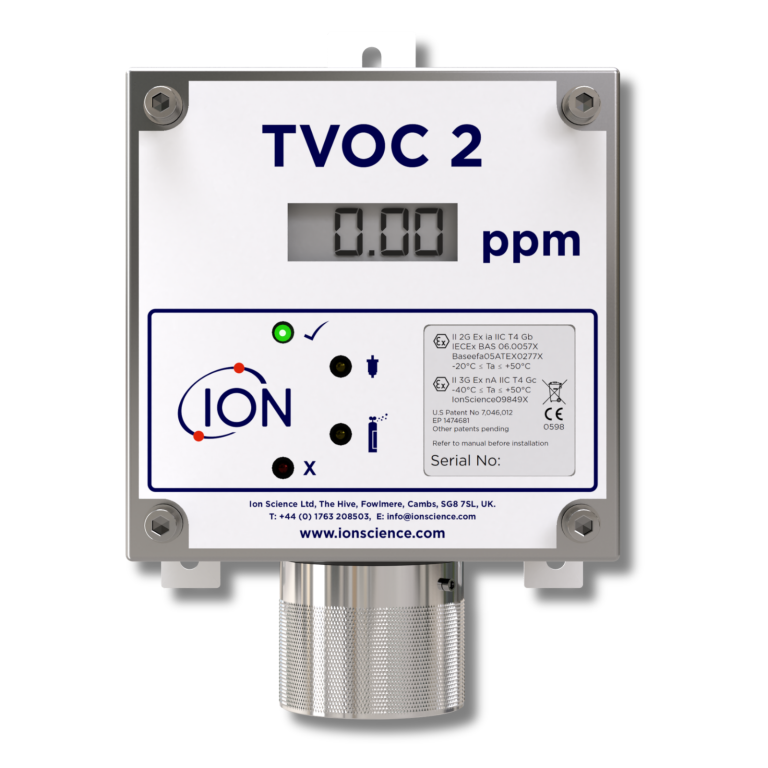
Ammonia can be detected using a range of gas sensing technologies depending on the application. Electrochemical sensors are commonly used for personal and fixed toxic gas monitoring, while photoionisation detectors (PIDs) may be suitable for certain ammonia monitoring applications where appropriate response factors apply. Selecting the correct detection technology depends on the expected concentration, monitoring objective and operating environment.

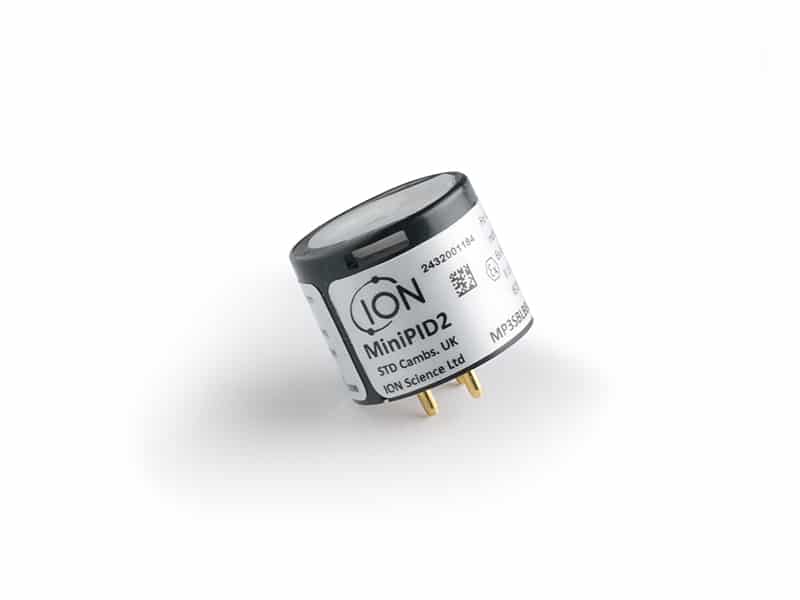
ION Science MiniPID 2 PPB gas sensor for high-sensitivity VOC detection.

Frequently Asked Questions about Ammonia

Ammonia is a colourless gas composed of nitrogen and hydrogen that is widely used in refrigeration, fertiliser production, chemical manufacturing and water treatment.

Ammonia is corrosive and highly irritating. Exposure can damage the eyes, skin and respiratory system, while high concentrations can cause severe injury or death.

Ammonia is commonly used in refrigeration systems, fertiliser production, chemical processing, agriculture, food manufacturing and wastewater treatment.

Ammonia can be monitored using electrochemical sensors for toxic gas detection or PID technology in suitable applications, depending on the monitoring requirements.

Ammonia refrigeration systems operate under pressure, and early leak detection helps protect workers, minimise downtime and maintain safe operation.

Find the Right Ammonia Detection Solution

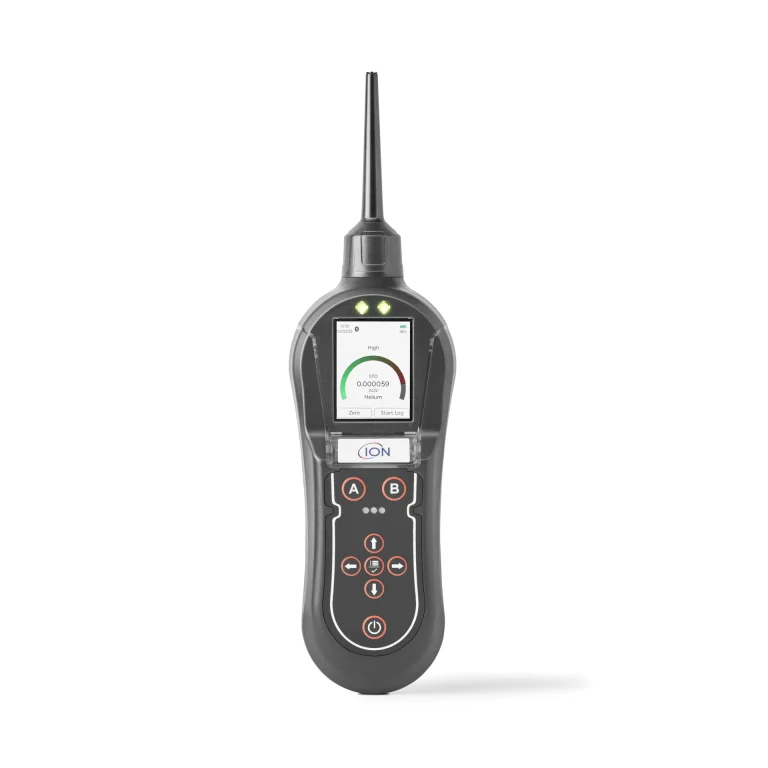
From personal gas monitoring and fixed detection systems to portable leak detection, our team can help you select the most suitable ammonia detection solution for your application.

Contact the ION Science team to discuss your monitoring requirements, explore the best technology for your environment and find a solution tailored to your operational needs.

Contact ION Science

Loading enquiry form…

Contact ION Science

Loading enquiry form…

Newsletter sign up

Loading enquiry form…

Warranty registration

Loading enquiry form…

Contact support

Loading enquiry form…