

ION Science have created a chart detailing over 1000 PID response factors (RFs) that use either a 10.0 eV, 10.6 eV and 11.7 eV lamp.
This downloadable response factor chart serves as a comprehensive reference, providing you with essential gas information including gas names, formulas, CAS numbers, ionisation energies, and recommended lamp variants.
It addresses the needs of researchers and industry professionals by offering swift access to information on specific gases that PID can detect. Plus, the inclusion of detailed chemical formulas proves advantageous for individuals engaged in a spectrum of chemical processes.
The chart includes RFs for important chemicals, listed by their common names, but CAS numbers are recommended for precise identification. RFs are guideline figures, subject to variation based on PID design and operating conditions. ION Science advises calibrating the instrument to the target gas at the desired measurement concentration for accuracy.
Users should exercise caution in measuring PID responses at high or low concentrations, considering non-linearity, sensor clear-down time, and potential contamination of the PID window. Frequent calibration or bump tests are recommended, especially for less common volatiles. RFs labeled as ‘ZR’ indicate zero response, and ‘NA’ signifies an unavailable or insignificant value at toxic concentrations.
The RFs of many chemicals have been measured at ION Science typically with 10 and 50 ppm of the target volatile, using ten PIDs containing lamps of different photon energy and intensity and of different sensor designs. Generally, 50 ppm responses have been used. These RFs are indicated in bold in the chart.
Complete the form below to receive your copy of the PID Response Factor Chart.
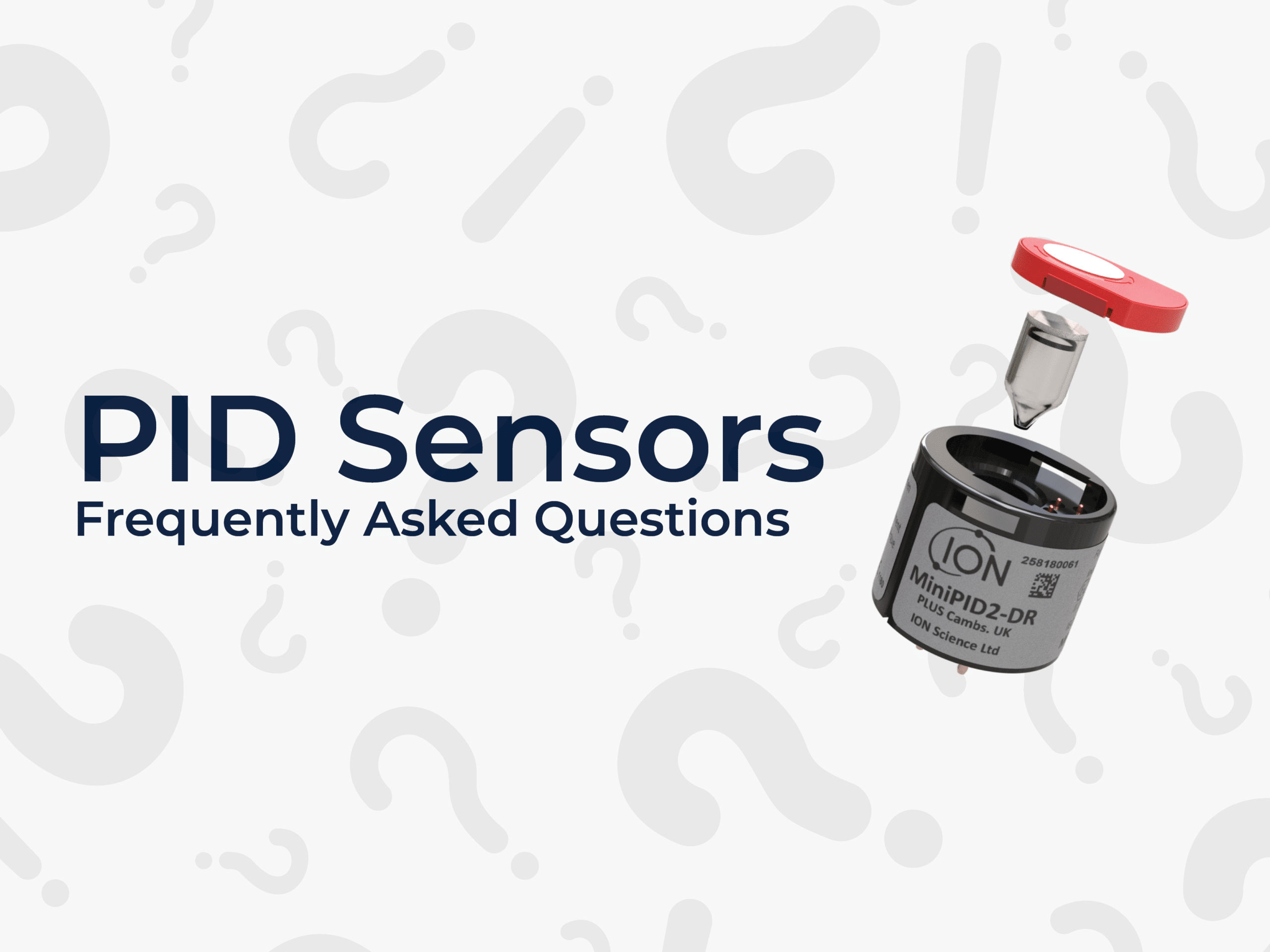
Everything you need to know about PID Sensors
PID stands for “Photo-Ionisation Detector”. PID (Photoionisation Detection) sensors are essential tools for monitoring air quality and can be incorporated into a hand-held, personal, or fixed detector for the detection of volatile organic compounds (VOCs) and some inorganic compounds.
ION Science sensors can detect VOCs down to parts-per-billion (ppb) and up to thousands of parts-per-million (ppm). In this article ‘Everything you need to know about PID Sensors’, we’ll answer some frequently asked questions about PID sensors to help you better understand their applications, advantages, and importance across various industries.
-
What is a PID Sensor?
A PID sensor is a device used to measure and monitor volatile organic compounds (VOCs) to very low concentrations and other gases in the air. It relies on a process called photoionisation to detect and quantify these substances.
-
How Does a PID Sensor Work?
A PID sensor works by irradiating a gas sample with ultraviolet light. This light energy ionizes the gas molecules, producing positively charged ions and an electron. The resulting ionization current from the electrons is proportional to the concentration of the VOCs in the sample.
-
Where Are PID Sensors Used?
PID sensors are used in a variety of industries, including environmental monitoring, industrial safety, hazardous material response, indoor air quality assessments and ambient outdoor air quality.
-
What Are the Key Advantages of PID Sensors?
PID sensors offer fast and accurate measurements, real-time monitoring, and the ability to detect a wide range of VOCs. They are also portable and easy to use, making them versatile tools for many applications.
-
What Types of VOCs Can PID Sensors Detect?
PID sensors can detect a broad spectrum of VOCs, including solvents, fuels, pesticides, and other organic compounds.
-
Are PID Sensors Safe to Use?
Yes, PID sensors are safe to use when operated according to manufacturer instructions. They are designed to be non-destructive and non-invasive.
-
How to Calibrate a PID Sensor?
Calibrating a PID sensor involves exposing it to a known concentration of a specific VOC and recording the mV response for that known concentration. This is often done at the zero point, at the midpoint and at the end of the detection range. . Regular calibration ensures accurate readings.
-
What Factors Can Affect PID Sensor Accuracy?
Environmental conditions, sensor contamination, and the presence of interfering compounds can affect some PID sensor accuracy on the market. ION Science’s innovative feature of humidity-resistance helps maintain optimum sensor performance in challenging humidity conditions, contributing to reliable and accurate readings in diverse environments.
-
Can PID Sensors Detect Gas Concentrations in Real-Time?
Yes, PID sensors provide real-time measurements, allowing for immediate response to changing gas concentrations.
-
How to Choose the Right PID Sensor for Your Application?
Consider factors like the range of VOCs you need to detect, required sensitivity, environmental conditions, and the intended application when choosing a PID sensor.
-
What Are the Maintenance Requirements for PID Sensors?
Regular maintenance, including cleaning, calibration, and sensor replacement, is crucial to ensure PID sensors operate optimally.
-
Are PID Sensors Compatible with Data Logging and Remote Monitoring Systems?
Yes, many PID sensors can be integrated into data logging and remote monitoring systems for enhanced data collection and analysis.
-
What Should You Consider When Handling and Storing PID Sensors?
Proper storage and handling are essential to prevent damage to PID sensors. This includes protecting them from extreme temperatures and physical damage.
-
How Do PID Sensors Compare to Other Gas Detection Technologies?
PID sensors excel in detecting VOCs but may not be suitable for all gas types. Compare them to other gas detection technologies to determine the best choice for your needs.
-
Can PID Sensors Detect Combustible Gases?
While PID sensors are primarily designed for VOC detection, some models can detect combustible gases indirectly by measuring changes in VOC concentration.
-
What Are the Future Developments in PID Sensor Technology?
Future developments may focus on improved sensitivity, lower detection limits, and enhanced data integration capabilities.
For more information on MiniPID 2, watch the video here.
Conclusion
PID sensors are valuable tools for detecting and quantifying VOCs in various applications. Understanding their operation, maintenance, and suitability for different industries is crucial for their effective use. As technology advances, PID sensors continue to play a significant role in ensuring air quality and safety.
This ‘Everything you need to know about PID Sensors’ article provides a comprehensive overview of PID sensors, helping you make informed decisions when considering this technology for your specific application.
Do you have a question for the ION Science Sensor Team?
Ask the question below!

ION Science, a global leader in gas detection instrumentation and sensing technology, is proud to announce the successful achievement of additional management system accreditations, demonstrating its unwavering commitment to quality, safety, and environmental sustainability.
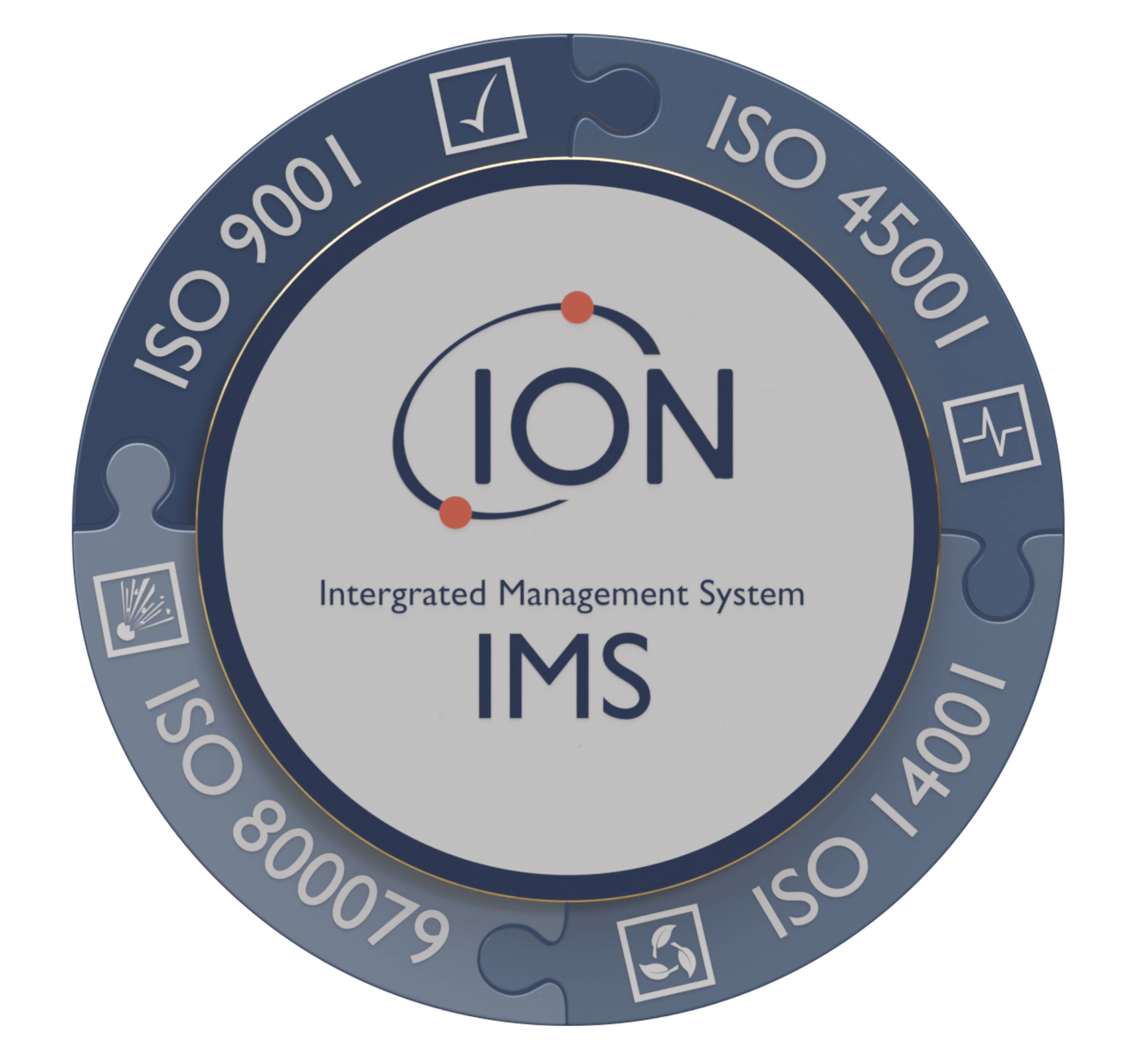
The company has continually developed and maintained the respected ISO 9001 and ISO/IEC 80079-34 accreditations and has recently been awarded both ISO 45001 and ISO 14001 Certification, marking another significant milestone in its continuous journey to provide world-class products and services to its global customer base.
ION Science’s ISO Accreditations



Benefits for ION Science and Its Customers
These esteemed certifications offer a multitude of benefits for both ION and its valued customers, which include:
Enhanced Quality and Reliability: ISO 9001 ensures that ION Science Ltd delivers consistently high-quality products and services, providing customers with reassurance that they are staying true to their mission of safeguarding lives.
Increased Safety Assurance: Working to the ISO/IEC 80079-34 standard ensures that ION Science’s gas detection instruments and sensing technology is manufactured in compliance with the individual ex product certification requirements and is safe for use in potentially hazardous environments, reducing risks for customers.
Improved Occupational Health: ISO 45001 underpins our commitment to provide a positive and safe working environment, leading to high employee retention and morale, reduced downtime, and superior customer service.
Environmental Responsibility: ISO 14001 demonstrates ION’s commitment to sustainability, aligning with suppliers and customers who prioritise eco-friendly solutions and responsible business practices. For many years, ION Science has been at the forefront of the industry, offering accurate and reliable technology that detects harmful gases and volatile organic compounds (VOCs), making workplaces safer and ensuring a healthier planet.
Mr. Steve Newcomb, Operations Director and Deputy Managing Director of ION Science Ltd, expressed his enthusiasm, stating, “These internationally recognised accreditations demonstrate our commitment and dedication to quality, safety, environmental responsibility and continuous improvement. We believe that they will further strengthen our position as a trusted partner to our global network of distribution and customers worldwide”.

By retaining these certifications, ION reaffirms its commitment to excellence and sets the highest standards for the gas detection instrumentation and sensor manufacturing industry. Customers can continuously rely on ION Science for innovative, reliable and safe solutions that meet the highest industry standards.
For more information on ION Science’s ISO accreditations, please fill out the form below to contact us.
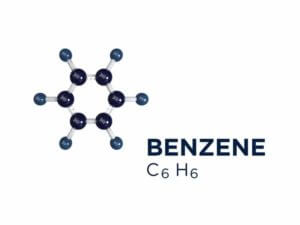
Benzene Ring Explained – Delving into the Unique Structure of Benzene
Introduction:
The world of chemistry is filled with captivating stories of discovery and innovation, and one of its most iconic tales is that of the benzene ring. This seemingly modest hexagonal configuration has etched an enduring impression on the realm of organic chemistry. Within this blog post, we will uncover the essence of the benzene ring, trace its discovery, and contemplate the far-reaching influence it has wielded over the domains of science.
The Benzene Ring: A Unique Structure:
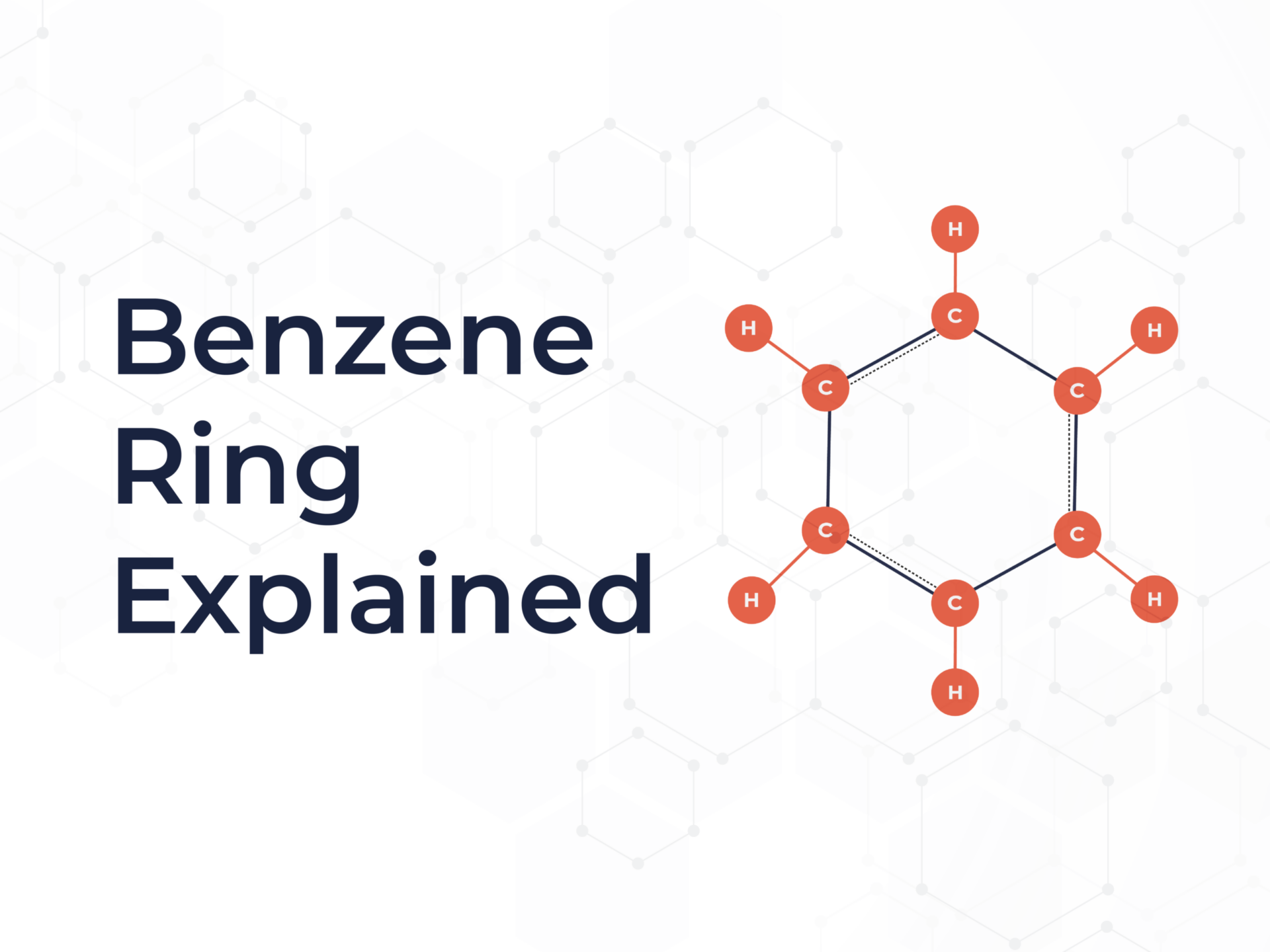
Fundamentally, the benzene ring embodies a hexagonal configuration featuring six carbon atoms, with each carbon atom forming a single bond with a hydrogen atom. What distinguishes it from typical hydrocarbons is the alternating sequence of single and double bonds connecting these carbon atoms. This alternating bonding arrangement constitutes the fundamental aromaticity and stability intrinsic to the benzene ring.
The Discovery of the Benzene Ring:
The discovery of the benzene ring is a tale that revolves around the brilliant mind of Friedrich August Kekulé, a German chemist who lived in the 19th century. During the mid-1800s, the structure of benzene, a compound extracted from coal tar, confounded chemists. While they understood its composition—comprising six carbon and six hydrogen atoms—the arrangement remained an enigma.
Kekulé’s Dream:
According to legend, in 1865, Kekulé experienced a pivotal moment while sleeping by a fireplace. Within his dream, he witnessed atoms in a graceful dance, forming a serpentine structure. Remarkably, this serpent had its tail enclosed in its mouth, resulting in a closed ring shape. Upon awakening, Kekulé had a profound revelation: the structure of benzene resembled a hexagonal ring. This visionary dream marked a ground-breaking moment in understanding the essence of the benzene molecule.
Aromaticity and Stability:
Kekulé’s proposition illuminated the stability of benzene. Instead of featuring the anticipated arrangement of three single and three double bonds, benzene’s electrons exhibit a distinctive quality – they are delocalised. In essence, this signifies that the six pi electrons, typically linked with the double bonds, are not restricted to specific carbon-carbon pairs; rather, they are evenly dispersed throughout the entire ring. This phenomenon of electron delocalisation bestows an exceptional stability upon the molecule, ultimately giving birth to its aromatic nature.
Impact on Chemistry and Industry:
Kekulé’s finding brought about a paradigm shift in the realm of organic chemistry. The introduction of the benzene ring fundamentally altered the landscape, establishing itself as the cornerstone for the examination of aromatic compounds and their reactivity. Furthermore, it yielded substantial real-world utility in the industrial sector, where benzene derivatives assumed pivotal roles in the manufacture of plastics, synthetic rubber, dyes, pharmaceuticals, and a multitude of other products.
Conclusion:
The benzene ring, characterised by its graceful hexagonal configuration and distinctive aromatic attributes, stands as a defining juncture in the annals of chemistry. Friedrich August Kekulé’s revelation regarding it heralded an era of boundless opportunities, fundamentally altering our comprehension and manipulation of molecules. Emerging from the realm of dreams to ground-breaking revelations, the benzene ring perseveres as an enduring emblem of scientific exploration and ingenuity.
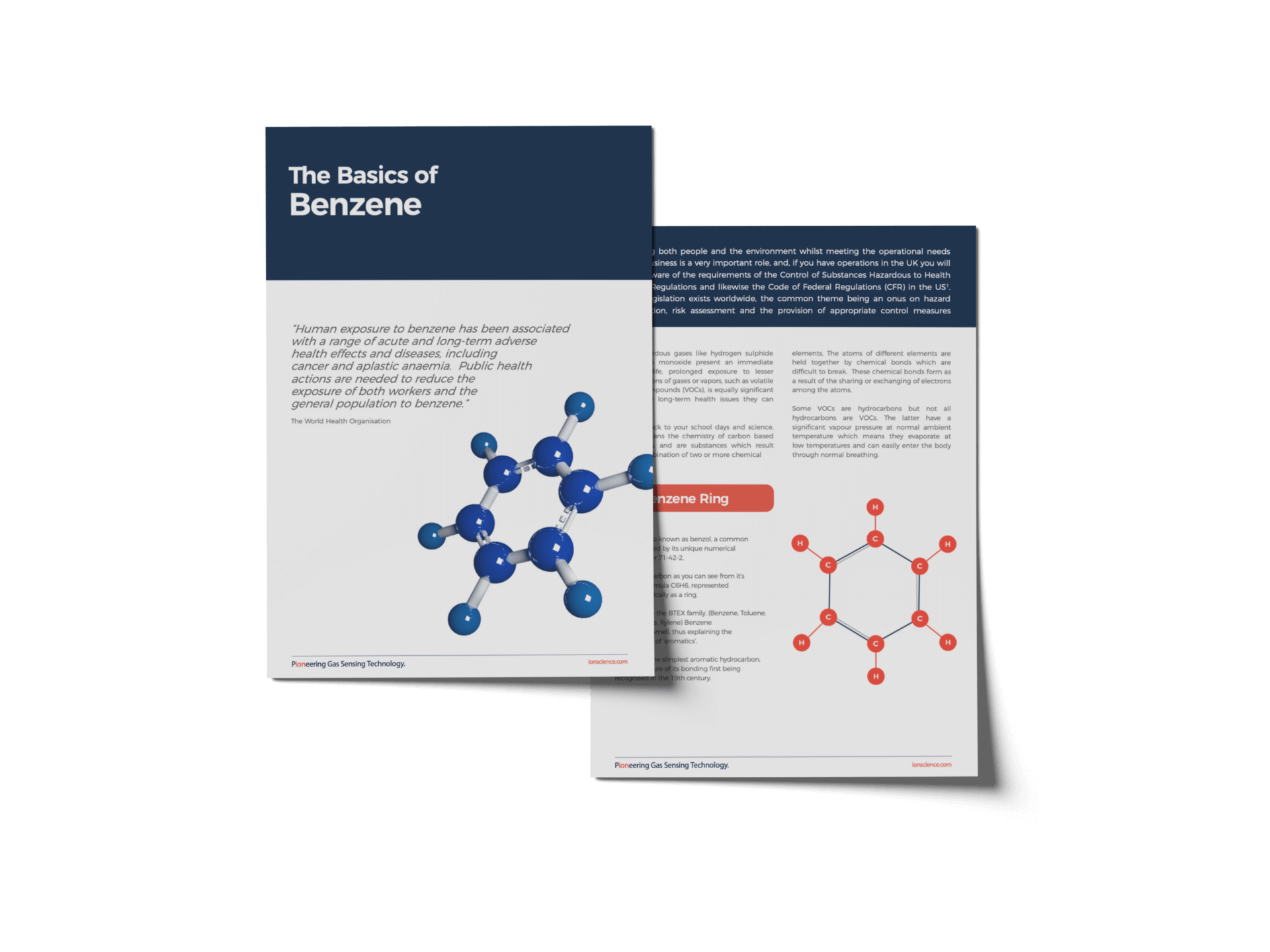
Basics of Benzene:
The basics of detecting benzene guide which can be downloaded below provides the reader with an in-depth balance of knowledge covering the main properties, exposure and detection of benzene.
Download ‘Basics of Benzene’ guide


ION Science Unveils Titan 2: The Next Generation Fixed Benzene-Specific Monitor for Unrivalled Safety and Compliance
ION Science has launched a new, dramatically upgraded version of Titan, maintaining its position as the only fixed benzene-specific monitor in the world; Titan 2.
In accordance with recent legislation changes, Titan 2 offers enhanced stability and sensitivity, supporting ION’s continued mission of protecting lives and preserving the environment.
ION Science’s Group Managing Director, Duncan Johns explains how benzene is a toxic, carcinogenic gas that represents a serious threat to many workers, as well as the environment.
Titan 2 Benzene Fixed Monitor“It is therefore vital that staff are protected by monitors that can continuously measure benzene at the low levels required by increasingly stringent international regulations. Titan 2 is the only commercially available, truly selective, fixed continuous benzene monitor worldwide that can meet this requirement.”
Users of the original Titan will be familiar with the instrument’s accuracy and performance, however, within the new Titan 2 they will see core enhancements, such as a new rugged manifold, a piezoelectric micropump for enhanced stability, a lower limit of detection, and updated PC software for easier management and control.
An occupational exposure limit (OEL) for benzene of 100 ppm was originally recommended in 1946. Following further associations with leukemia, the OEL was reduced to 50 ppm and then to 1 ppm as the 8-hour time-weighted average (TWA) exposure limit (U.S. OSHA, 1987). However, further health problems have been reported at levels below 1ppm so there is pressure in many countries to lower the limit further. For example, NIOSH recommended airborne exposure limit (REL) is 0.1 ppm (10-hr TWA) and 1 ppm during any 15-minute work period. Similarly, the current EU 8-hour TWA for benzene is 1 ppm (3.25 mg/m3). However, from 5th April 2024, the long-term exposure limit will be reduced to 0.5 ppm – and will be cut again from April 2026 to just 0.2 ppm. – Directive (EU) 2022/431 of the European Parliament of the Council, March 2022.
Regulatory requirements are therefore driving the need for greater sensitivity, and these needs are met by Titan 2. Thanks to our innovative technology in conjunction with our industry-leading PID sensor technology, the Titan 2 has a reduced likelihood of cross-sensitivity and can detect benzene rapidly at levels as low as 0.02 parts per million (20 parts per billion). At the other end of the scale, it can detect benzene at up to 20 ppm, delivering high speed and high sensitivity.
The Titan 2 captures a gas sample once every 60 seconds. The sample is then conditioned within a further 60 seconds to allow precise benzene measurement, ensuring a consistent flow of real-time data. This latest version now incorporates the piezoelectric micro pump which delivers enhanced pressure and flow accuracy to ensure a rapid response and unrivalled reliability.
Titan 2 also features visible alarm capability, triggering an alert when benzene concentrations reach either of two operator-configurable levels. Twin relay outputs enable the user to integrate the unit with existing site alarm systems, while easy-to-use firmware allows a simplified calibration procedure. For analysis of readings captured by Titan 2, both 4-20mA and RS485 MODBUS communication protocols can be utilised.
A proven, robust separation method ensures specific readings for benzene, with an easy-to-read display. An internally regulated heating system ensures stable operation even at extremes of temperatures, and the new robust housing reduces contamination risk and allows for extended use in the harshest environments.
Titan 2 has been designed to comply with international safety standards, including ATEX and IECEx, making it safe for use in any environment, as well as featuring an IP65 Ingress Protection rating. ION Science’s photoionisation detection (PID) technology has been independently verified as the best-performing on the market, providing reliable, accurate solutions backed by outstanding product support. Importantly, the new, unique to Titan 2, MiniPID T2 10.0 eV Sensor features a patented design to nullify potential humidity interference, whilst ensuring a fast response, the highest levels of sensitivity, and market-leading reliability.
The Titan 2 service module is designed to be backward compatible, so in conjunction with a simple firmware upgrade now provides existing Titan customers with a quick and convenient upgrade opportunity.
Summarising, Duncan Johns says:
“Benzene is one of the more dangerous VOCs so the Titan 2’s ability to reliably speciate this gas is extremely important in the protection of lives, and with lowering regulatory limits, the instrument’s enhanced sensitivity is a major advantage.”
Typical Industries & Applications
Titan 2 delivers unrivalled accuracy and sensitivity in benzene detection and is ideal for use in a variety of sectors, such as oil & gas, bulk storage facilities, chemical manufacturing and processing, and asphalt production.

Contact Us
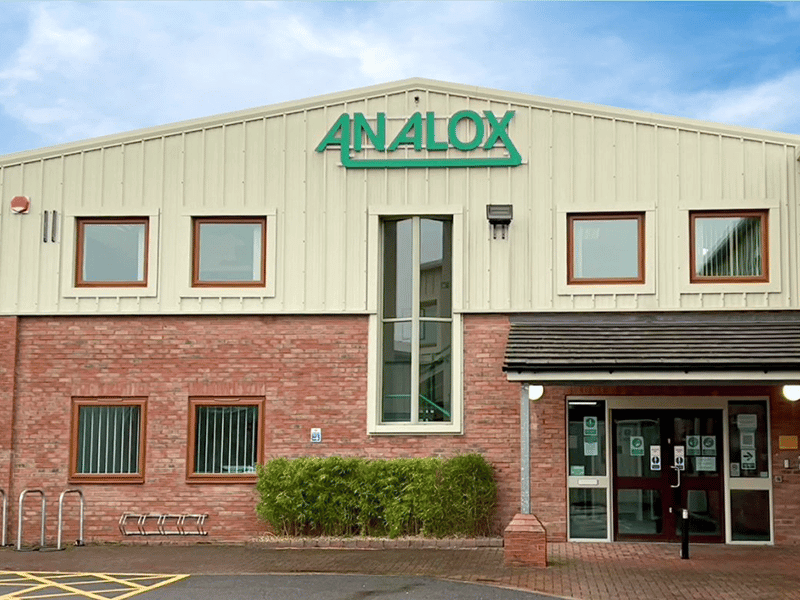
ION Science Holdings acquires Analox to further accelerate growth
ION Science, the world’s leading developer and manufacturer of PID gas sensors and instruments, has announced the acquisition of Analox Group, a gas sensing and analysis manufacturer based in Stokesley, North Yorkshire.
“This is a major step on our strategic growth journey,” explains ION Science Group Managing Director, Duncan Johns. “With strong brands in global markets, ION and Analox will continue to operate separately. However, both companies invest heavily in research and development, so by working together, we are really excited by the opportunities this acquisition presents for accelerating future growth.
Importantly, both companies share a common focus on customers’ needs, and especially product quality and reliability. We also both supply OEM sensors and engineered solutions, so customers can expect a broader range of solutions in the future. From an ION Science perspective, this move will expand the range of measurement technologies that we will be able to offer, which means that in addition to VOCs, we will also offer detection and measurement solutions for a wide range of other gases.”
Analox Managing Director, Emma Harbottle says: “Over the last 40 years we have designed and developed innovative gas sensing solutions that truly solve our customers’ challenges. We are extremely proud of the reputation we have built, especially in the defence, beverage & hospitality and laboratory sectors. By working closely with ION we can continue to build on the success of both companies and I am excited to see what the future holds.”
About ION Science

ION Science is one of the world’s leading manufacturers of advanced gas detection equipment and gas sensors. For over 30 years, the company has developed measurement solutions for almost every industry; helping to protect the environment and the safety of workers, even in the harshest of environments.
Key products in the ION Science portfolio include portable, personal, semi-portable, and fixed VOC detectors, in addition to the world’s most popular range of PID sensors. With a focus on sensitivity, stability and a wide measurement range, ION Science’s instruments and sensors have a global reputation for quality. Manufactured at the company’s UK headquarters, ION Science products are designed and developed by a talented and experienced in-house team and distributed worldwide via subsidiaries in Germany, France, Italy, India, China and the USA, and via a global network of distributors.
For more information, visit www.ionscience.com.
About Analox

Analox, established in 1981, specialise in the research, development and manufacturing of gas sensing technology. The company is based in the UK, with an office in California. Delivering innovative life-supporting gas measurement products, services and solutions, the Analox gas monitors and sensors are used in diverse markets such as food, beverage and hospitality, space exploration, healthcare, laboratories, commercial diving and defence applications.
The Analox product range includes both off-the-shelf gas monitors, and bespoke gas detection and measurement solutions.
For more information, visit www.analoxgroup.com
For press enquiries please contact: Graham Meller, Buttonwood Marketing
Tel: +44 (0)1604 862 404
Email: graham@buttonwoodmarketing.com

ION Science appoints four directors for strategic evolution and developing success
ION Science, a leading manufacturer of gas detection equipment and OEM PID (photoionisation detection) gas sensors, have appointed four directors to headline its new board and deliver ION Science’s ambitious plans for further growth. The board will be instrumental in forging and delivering a long-term strategic growth plan and to deliver repeated profitable results.
Duncan Johns has led the company for more than 23 years, but ION Science’s high business performance meant additional capacity was required to ensure the appropriate support was available to deliver pioneering plans for further growth. As such, it was imperative to get the right people on the board to lead the ongoing development and change.
Steve Newcomb joined early last year as an experienced operations director. As a professional engineering business leader, Steve has more than 30 years’ experience within technical manufacturing and engineering sectors, both within multinational corporate and private SME businesses. Steve’s experience is invaluable in operations, supply chain, engineering, and manufacturing. However, Steve has also demonstrated his experience as a senior board member and has been promoted to Deputy Managing Director, supporting all aspects of the business when Duncan is involved elsewhere.
Jason Evans, who joined late last year as Commercial Director, brings a strong background in high performance technologies from both privately owned SMEs and publicly listed global businesses. His previous work has covered markets that include MedTech, consumer electronics, digital imaging, and a variety of high energy RF industries. His solid understanding of global markets will help provide further focus on delivering growth and driving shareholder value.
Garfay Liu has been with the company for three years. Whilst heading up the R&D function for the last three years, he has now been promoted to R&D Director. Garfay has more than 15 years’ experience in managing technology product developments for commercial, medical, and industrial applications. His leadership style has helped grow high performing technical teams applied to product development, and he will be instrumental in technology research, applications, and new product development.
Nicki Howard joined the company last year as head of Finance and was promoted to Finance Director in April this year. Nicki brings 17 years of finance experience, knowledge of effective financial controls and processes, and a desire to work inclusively across the business. Nicki trained professionally in PwC’s audit practice, where she worked on a variety of SMEs and large listed clients in various industries. More recently, she worked as a Group Financial Controller at a large, global manufacturing company, which provided transferable experience and skills applicable to ION Science.
 Duncan Johns – Managing DirectorSteve Newcomb – Operations Director & Deputy Managing DirectorJason Evans – Commercial DirectorGarfay Liu – R&D DirectorNicki Howard – Finance Director
Managing Director Duncan Johns commented on the appointments:
“We have made good progress on developing our product roadmap, and this has led to considerable additional recruitment and changes to the structure of teams, which has itself created further roles. It is exciting bringing in great new talent, as well as internally promoting others, to create this strong strategic board to support ION Science through the next stage of its journey”.
The new strategic board appointments are a fitting development for ION Science. In addition to the new hires, a new research and development building was commissioned late in 2021 and is due for completion in early 2023. The building will support dedicated research and development activity, further strengthening ION Science’s position as an OEM leader for PID technology and gas detection.
For press enquiries please contact: Hannah Albone hannah.albone@cogent.co.uk or on 07483047567, alternatively contact David Leatham David.leatham@cogent.co.uk or on 07483 071 833.

ION Science wins Queen’s Award for Enterprise: Innovation for MiniPID Sensors
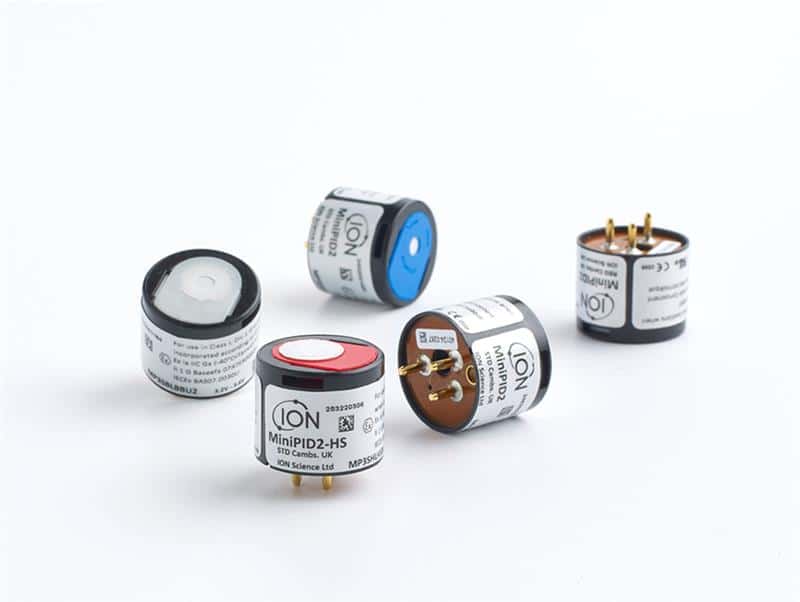
ION Science is delighted to announce it has won the prestigious Queen’s Award for Enterprise in the category of Innovation, for its pioneering MiniPID sensors. The award is the highest recognition of business excellence across Britain and endorses the commercial success in respect to the innovative technology. ION Science’s industry-leading PID (photoionisation detection) technology, offers unparalleled VOC detection.
The achievement of the Queen’s Award for Innovation reaffirms the quality, reliability and success of the MiniPID sensor. And just how dedicated ION Science is to developing and producing new technologies. Prior to the development of the MiniPID sensor range, VOC sensors often suffered from short operational life, unreliable technology, and failed in the face of challenging environmental conditions.
The MiniPID sensor addresses all these issues and more, highlighting why it is the market leader in quality and standards for all VOC sensors. Able to withstand relative humidity up to 99% (non-condensing), temperatures of -40 to +65 °C, and with an anti-contamination design, the MiniPID range offers 10,000 hours of reliable detection, ideal for long-term monitoring. Sensitivity for VOC measurement can be conducted in ppm (parts per million) or ppb (parts per billion), over a wide range or across a small area. ION Science’s sensors can be used to detect up to 950 different compounds, many of which pose a serious threat to human health and life if people are exposed.
Duncan Johns, Managing Director of ION Science, said of the win: “It’s wonderful to see the hard work of all the staff here at ION Science recognised with the success of the Queen’s Award. As an organisation we are always striving to achieve the next level of innovation in technology, which is exactly represented by the MiniPID sensor range. We’re looking forward to the future of ION Science and the next steps with our award-winning sensors.”
Dr Peter Morris, head of the Sensors Product Business Unit at ION Science, also spoke of the MiniPID: “Achieving this outstanding level of recognition for the MiniPID sensor is a fantastic result for the Sensors team. Many of us have worked at ION Science for decades and seen the development of the MiniPID since its inception in 2007. Being able to have the affirmation of the MiniPID sensor as an ‘Innovation’ by the Queen’s Award for Enterprise is a great highlight and we’re very proud to receive it.”
Across the globe today, MiniPID sensors can be found in many applications, including oil rigs, gas refineries, pharmaceutical manufacturing plants, semiconductor factories, laboratories, nuclear facilities, air quality monitoring and more, protecting the health and safety of workers, public and the environment.
MiniPID sensors represent a monumental step forward in protecting staff, but also in ensuring product quality and keeping workplaces as healthy as possible. The advanced VOC detection capabilities mean that no matter what application, environment, or compounds, MiniPID sensors exceed the customer need and delivers high quality, reliable results.

ION Science’s range of MiniPID sensors are now available to buy directly from the award winning manufacturer – contact them today to find out more: https://ionscience.com/en/sensors-and-components/oem-sensors/
For press enquiries please contact: Hannah Albone hannah.albone@cogent.co.uk or 07483047567, alternatively contact David Leatham David.leatham@cogent.co.uk or 07483 071 833.
To find out more about ION Science and our award winning innovative MiniPID technology!
Please complete the form below and a member of our team will contact you shortly.