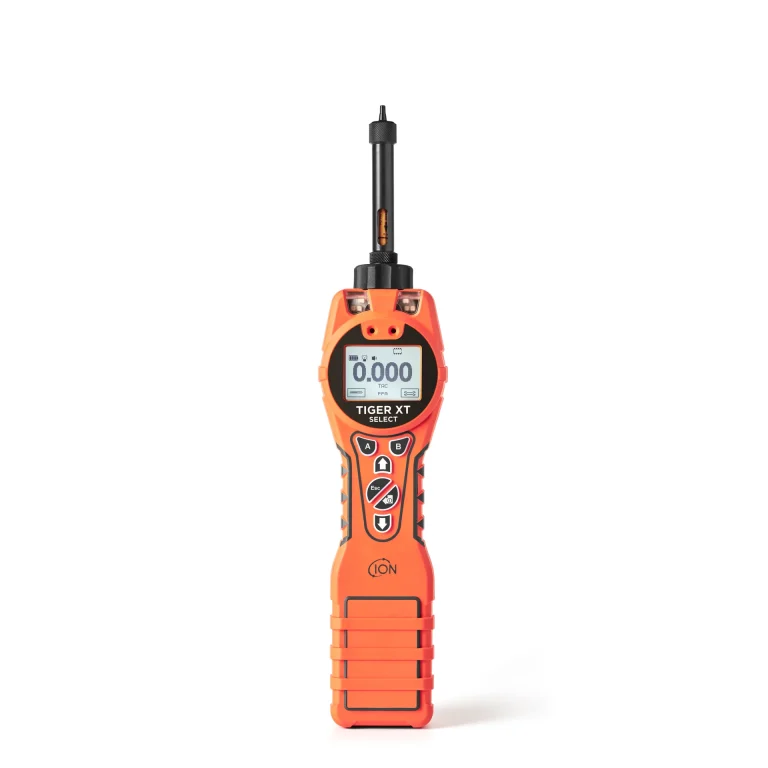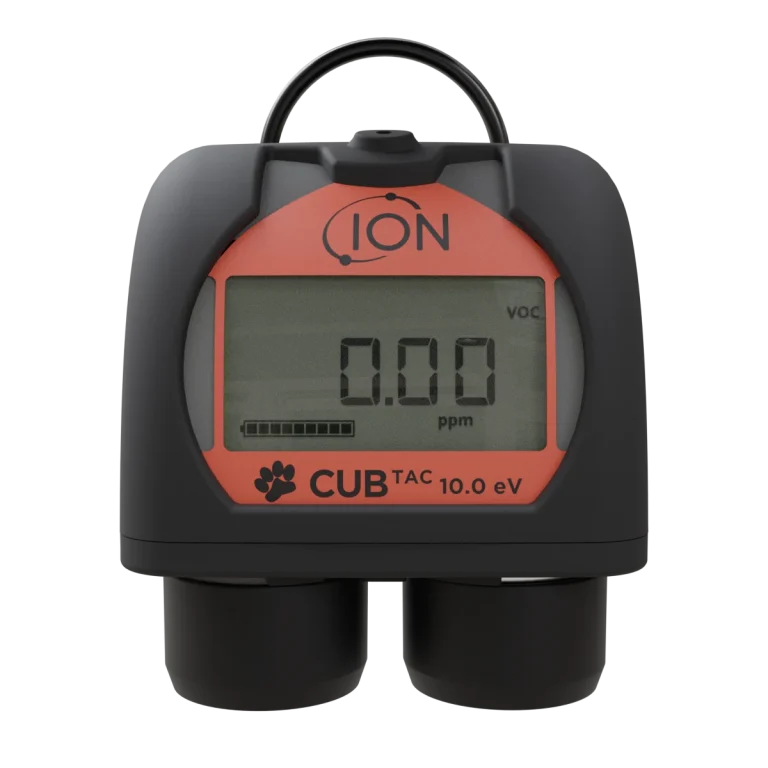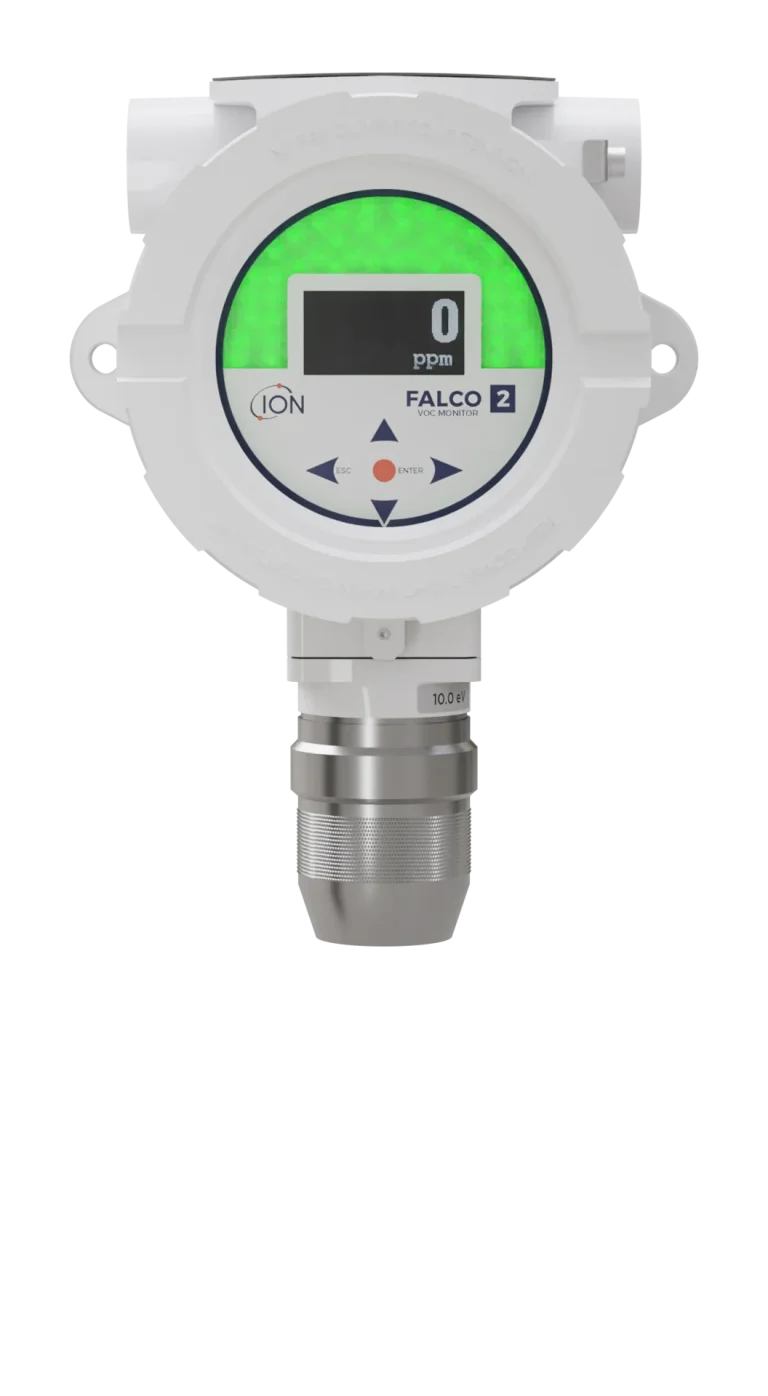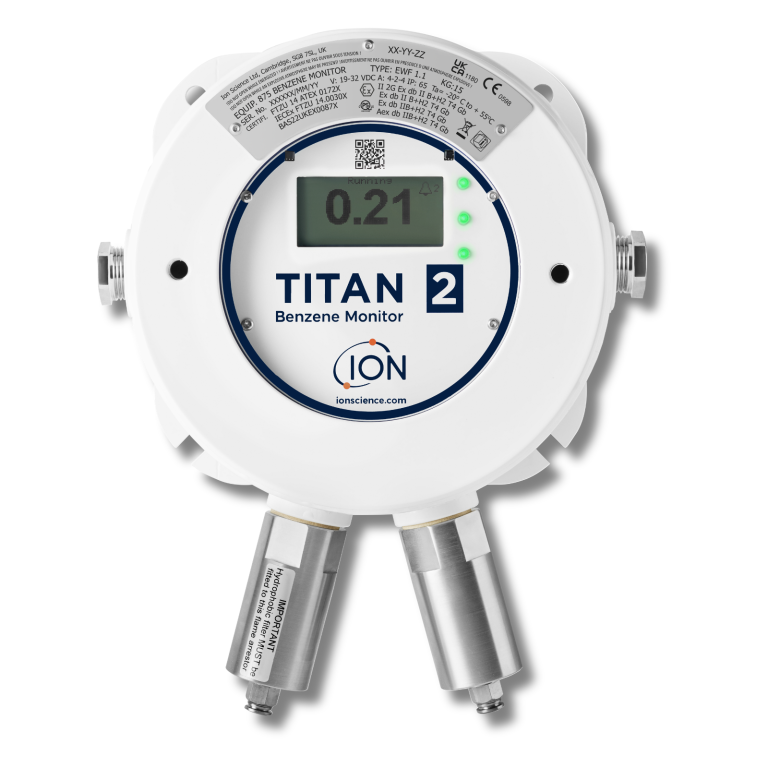
Titan 2 Selective Fixed Benzene Monitor
A fixed benzene monitor for measuring airborne benzene, supporting exposure assessment and industrial monitoring.
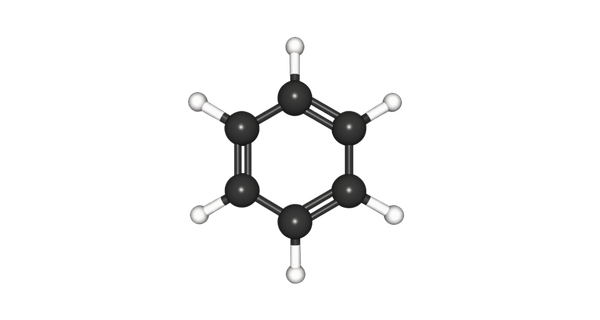
View product: Titan 2 Selective Fixed Benzene MonitorBenzene (C6H6) is a colourless, highly flammable volatile organic compound (VOC) widely used throughout the petrochemical, chemical manufacturing and refining industries. While naturally present in crude oil and produced during many industrial processes, benzene is also recognised as a human carcinogen, making accurate monitoring essential wherever exposure may occur.
Effective benzene gas detection helps organisations protect workers, monitor airborne concentrations and support compliance with occupational exposure limits. Whether conducting routine personal monitoring, leak investigations or continuous workplace monitoring, selecting the appropriate benzene detector is critical for identifying low-level benzene concentrations and reducing exposure risks.

| Property | Value |
| Chemical Formula | C6H6 |
| CAS Number | 71-43-2 |
| Molecular Weight | 78.11 g/mol |
| Appearance | Colourless |
| Odour | Sweet aromatic odour |
| Flammability | Highly flammable |
| Relative Density | Heavier than air |
| Common Detection Technology | Photoionisation Detection (PID) |
Benzene (C6H6) is an aromatic hydrocarbon and one of the most important raw materials used in chemical manufacturing. It is commonly found in crude oil, petrol and numerous industrial processes, where it is used to manufacture plastics, resins, synthetic fibres, detergents and other chemical products.
Although benzene gas is an important industrial chemical, prolonged or repeated exposure can present serious health risks. Because benzene readily evaporates at ambient temperatures, airborne monitoring is often required to identify hazardous concentrations before workers are exposed.
Unlike many other volatile organic compounds, benzene is often monitored at very low concentrations, requiring specialised benzene detection equipment capable of selectively identifying benzene in the presence of other VOCs.
| Oil & Gas | Chemical & Petrochemical | Fuel Storage & Distribution |
| Benzene is naturally present in crude oil, condensates and fuels, making monitoring essential during extraction, refining, storage and maintenance activities. | Chemical production, blending processes and solvent handling may generate airborne benzene requiring continuous or routine monitoring. | Terminals, loading facilities, tank farms and fuel transfer operations may expose workers to benzene vapours during normal operations. |
| Manufacturing & Industrial Processing | Laboratories | Hazardous Area Maintenance |
| Benzene may be encountered during the production of plastics, synthetic rubber, resins, lubricants and speciality chemicals. | Research, analytical testing and chemical handling may involve benzene, requiring personal exposure monitoring and ventilation assessments. | Shutdowns, inspections and confined space entry around hydrocarbon processing equipment often require low-level benzene monitoring before work begins. |
Long-term exposure to benzene has been linked to serious health effects, making continuous benzene detection essential wherever airborne benzene may be present.
Monitoring workplace benzene gas concentrations helps organisations comply with occupational exposure limits and demonstrate effective exposure management.
Because workplace exposure limits are extremely low, specialised benzene detectors are required to accurately identify hazardous concentrations.
Routine monitoring helps identify leaks, evaluate engineering controls and support safe maintenance activities across hydrocarbon processing environments.
Short-Term (Acute) Exposure |
Long-Term (Chronic) Exposure |
| Exposure to elevated benzene gas concentrations may cause: | Repeated or prolonged exposure may result in: |
|
|
Because benzene is classified as a carcinogen, implementing benzene gas detection solutions to minimise occupational exposure is a key workplace safety priority.
| Standard | Limit |
| UK EH40 WEL (8-hour TWA) | 1 ppm |
| OSHA PEL | 1 ppm |
| NIOSH REL | 0.1 ppm |
| NIOSH IDLH | 500 ppm |
Exposure limits are provided for guidance and were checked against the relevant regulatory sources in August 2026. Always refer to the latest published guidance from the relevant authority.
Sources: EH40/2005 Workplace exposure limits; OSHA Table Z-1-Limits for Air Contaminants; NIOSH Pocket Guide to Chemical Hazards
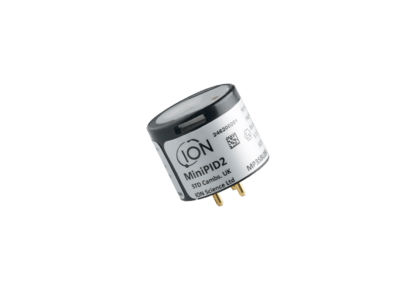
Benzene is commonly detected using advanced photoionisation detector (PID) technology combined with a benzene-selective pre-filter. This enables the detector to selectively identify benzene while reducing interference from many other volatile organic compounds.
Depending on the application, monitoring may include:
Selecting the appropriate benzene detector depends on the required detection limits, surrounding VOCs and workplace conditions.
Benzene is a volatile aromatic hydrocarbon widely used in chemical manufacturing and naturally present in crude oil, fuels and numerous industrial processes.
Long-term exposure to benzene has been associated with serious health effects, including blood disorders and an increased risk of certain cancers. As a result, occupational exposure limits are set at very low concentrations.
Benzene is commonly detected using photoionisation detector (PID) technology with a benzene-selective pre-filter, allowing accurate measurement of low-level benzene concentrations.
Standard PID instruments respond to many volatile organic compounds. Selective benzene detection typically requires a benzene pre-filter that removes many interfering compounds before measurement.
Benzene is commonly encountered in oil and gas production, petrochemical facilities, fuel storage terminals, chemical manufacturing, laboratories and maintenance activities involving hydrocarbons.
Because occupational exposure limits are extremely low and benzene is a recognised carcinogen, accurately detecting low concentrations is essential for protecting workers and managing long-term exposure.
Our team of experts are on hand to discuss your benzene gas detection requirements and support you in making an informed decision.