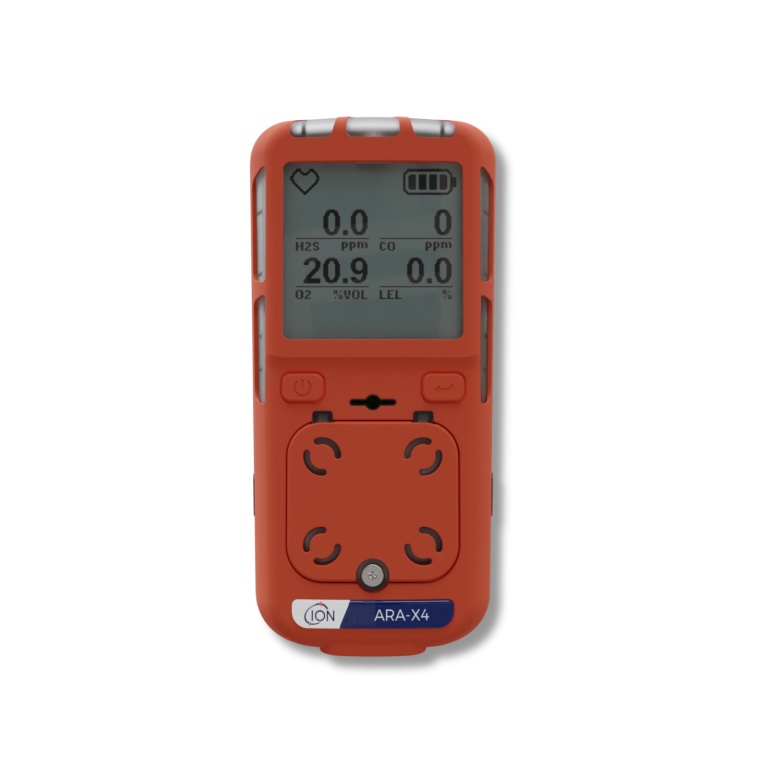
ARA-X4 Wearable Multi-Gas Detector
A wearable personal gas detector for monitoring up to four gases, supporting worker safety and confined space applications.
View product: ARA-X4 Wearable Multi-Gas DetectorCarbon monoxide (CO) is a colourless, odourless and highly toxic gas produced whenever carbon-containing fuels burn incompletely. Because it cannot be seen, smelled or tasted, carbon monoxide presents a significant workplace hazard in industries where combustion engines, furnaces, boilers and fuel-burning equipment are used. Carbon monoxide monitoring is essential, as dangerous concentrations can build up quickly, placing workers at risk of serious injury or death.
Industrial carbon monoxide gas detectors provide real-time monitoring of CO concentrations, helping organisations protect personnel, maintain regulatory compliance and respond rapidly to hazardous conditions. Whether monitoring confined spaces, manufacturing processes or plant rooms, selecting the appropriate industrial carbon monoxide gas detector is essential for effective workplace safety.

| Property | Value |
| Chemical Formula | CO |
| CAS Number | 630-08-0 |
| Molecular Weight | 28.01 g/mol |
| Appearance | Colourless gas |
| Odour | Odourless |
| Flammability | Flammable |
| Relative Density | Slightly lighter than air |
| Common Detection Technology | Electrochemical sensors |
Carbon monoxide is produced when fuels such as petrol, diesel, natural gas, coal, wood and LPG do not burn completely. While low concentrations may go unnoticed, elevated levels can rapidly reduce the body’s ability to transport oxygen, resulting in poisoning that may become life-threatening.
Industrial environments frequently generate carbon monoxide through combustion processes, making continuous monitoring an essential part of workplace safety programmes. Unlike domestic carbon monoxide alarms designed for residential environments, industrial carbon monoxide gas detectors are engineered to provide accurate, real-time monitoring in demanding workplaces, helping businesses identify hazardous concentrations before they become dangerous.
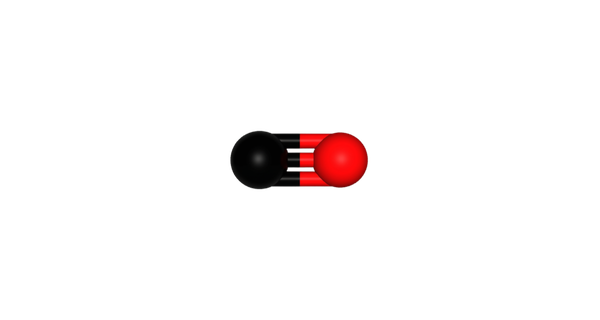
Carbon monoxide is encountered across numerous industrial applications where combustion processes occur.
| Manufacturing and Industrial Processing | Transport and Logistics | Oil and Gas |
| Furnaces, kilns, ovens, heat treatment equipment and combustion-powered machinery can all generate carbon monoxide during production. | Forklifts, loading bays and vehicle movements may produce CO emissions, particularly in enclosed or poorly ventilated spaces. | Refineries, processing facilities, compressor stations and offshore installations require continuous monitoring around combustion equipment and confined spaces. |
| Power Generation | Research and Laboratories | Confined Spaces |
| Generators, turbines and backup power systems produce carbon monoxide during operation and maintenance. | Combustion testing, research applications and calibration processes may generate carbon monoxide requiring localised monitoring. | Storage tanks, tunnels, utility chambers, sewers and underground infrastructure often require continuous carbon monoxide monitoring before and during entry. |
Carbon monoxide interferes with the blood’s ability to carry oxygen, potentially causing serious health effects even at relatively low concentrations. Continuous monitoring helps identify hazardous conditions before workers are exposed.
Employers must assess and control occupational exposure to carbon monoxide wherever a workplace hazard exists. Personal carbon monoxide monitors can support workplace risk assessments, safe-working procedures and compliance with applicable occupational exposure limits.
Continuous monitoring helps identify combustion inefficiencies, equipment faults and ventilation issues before they escalate.
Early detection enables rapid response, minimising downtime, protecting personnel and reducing the likelihood of serious incidents.
| Low-Level Exposure | Moderate Exposure | High-Level Exposure |
| Workers may experience: | Increasing concentrations may result in: | High concentrations of CO exposure can rapidly become life-threatening, potentially leading to: |
|
|
|
| Standard | Limit |
| UK EH40 WEL (8-hour TWA) | 20 ppm |
| UK EH40 WEL (15-minute STEL) | 100 ppm |
| OSHA PEL | 50 ppm |
| NIOSH REL | 35 ppm |
| NIOSH Ceiling | 200 ppm |
| NIOSH IDLH | 1,200 ppm |
Exposure limits are provided for guidance and were checked against the relevant regulatory sources in August 2026. Always refer to the latest published guidance from the relevant authority.
Sources: EH40/2005 Workplace exposure limits; OSHA Table Z-1-Limits for Air Contaminants; NIOSH Pocket Guide to Chemical Hazards
Industrial carbon monoxide (CO) is commonly detected using electrochemical sensor technology. These sensors respond to the presence of carbon monoxide and provide real-time measurements, enabling workers and site operators to identify potentially hazardous concentrations.
Depending on the workplace risk assessment, industrial CO detection may involve fixed systems that continuously monitor designated locations, portable instruments used for surveys and inspections, or wearable monitors that provide personal protection to individual workers.
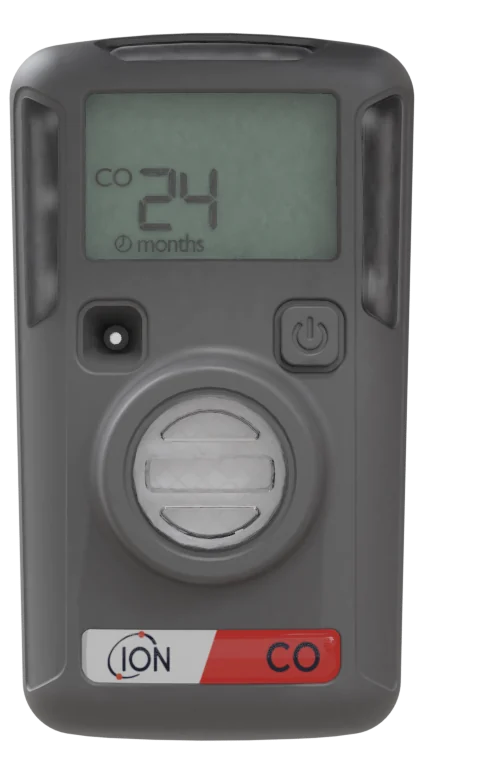
ION Science specialises in wearable carbon monoxide monitors for industrial and occupational applications. Worn within the worker’s breathing zone, these personal CO monitors continuously measure the conditions immediately around the individual and provide an audible, visual and vibrating alarm when preset carbon monoxide levels are reached.
Wearable carbon monoxide monitors may be used by workers:
Personal monitoring is particularly important where workers move around a site and carbon monoxide concentrations may vary between locations or change as work progresses.
ION Science wearable CO monitors are designed for industrial worker protection. They are not fixed or portable survey instruments and are not intended for domestic carbon monoxide monitoring or use as home CO alarms.
Carbon monoxide (CO) is a colourless, odourless and toxic gas produced when carbon-based fuels do not burn completely. Industrial sources can include petrol and diesel engines, boilers, furnaces, generators and other combustion equipment.
Carbon monoxide binds to haemoglobin in the blood, reducing its ability to transport oxygen around the body. Exposure can cause headaches, dizziness, nausea, confusion and loss of consciousness. High concentrations can be fatal, particularly because workers cannot see, smell or taste the gas.
Industrial carbon monoxide can be detected using fixed, portable or wearable gas-monitoring equipment. Wearable personal CO monitors commonly use electrochemical sensors to measure airborne carbon monoxide continuously and alert the worker when preset alarm levels are reached.
ION Science provides wearable carbon monoxide monitors for personal protection in industrial and occupational environments.
A wearable carbon monoxide monitor is a personal gas detector worn by an individual worker, typically within their breathing zone. It continuously measures the carbon monoxide concentration immediately around the worker and provides audible, visual and vibrating alarms when potentially hazardous levels are detected.
Occupational carbon monoxide exposure can occur in manufacturing facilities, boiler rooms, warehouses, power-generation sites, refineries, workshops, laboratories and confined or poorly ventilated spaces. Any workplace using engines, heating systems or combustion equipment may present a potential CO risk.
In Great Britain, the Workplace Exposure Limit for carbon monoxide is 20 ppm as an eight-hour time-weighted average and 100 ppm as a 15-minute short-term exposure limit.
Workplace exposure limits support the assessment and control of worker exposure; they should not be treated as automatic detector alarm settings. Employers should establish suitable alarm levels and monitoring procedures through their risk assessment and applicable safety guidance. Current limits should be checked in the HSE’s EH40 Workplace Exposure Limits.
No. Carbon monoxide cannot be detected using photoionisation detector (PID) technology. Electrochemical sensors are the recognised method for industrial carbon monoxide monitoring.
Industrial carbon monoxide gas detectors provide continuous, real-time gas concentration measurements suitable for workplace safety, confined space entry and process monitoring. Domestic CO alarms are designed to alert occupants in residential environments and are not intended for industrial gas monitoring applications.
Whether you need personal monitoring for workers or advice on the most suitable industrial carbon monoxide detector for your application, our specialist team can help.