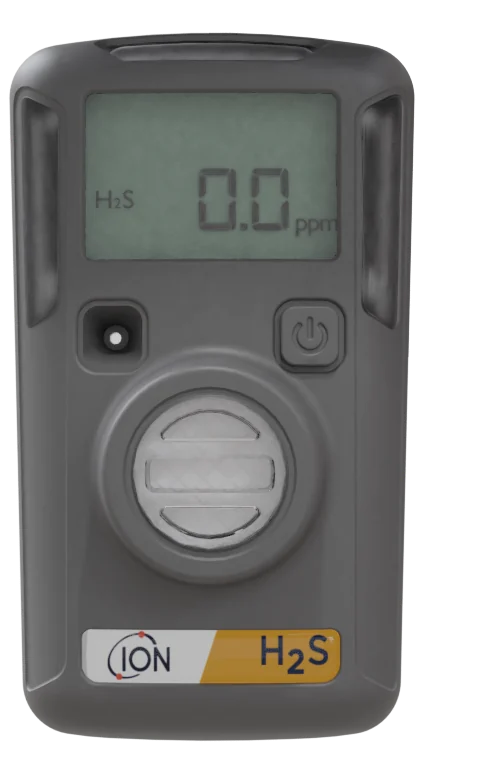
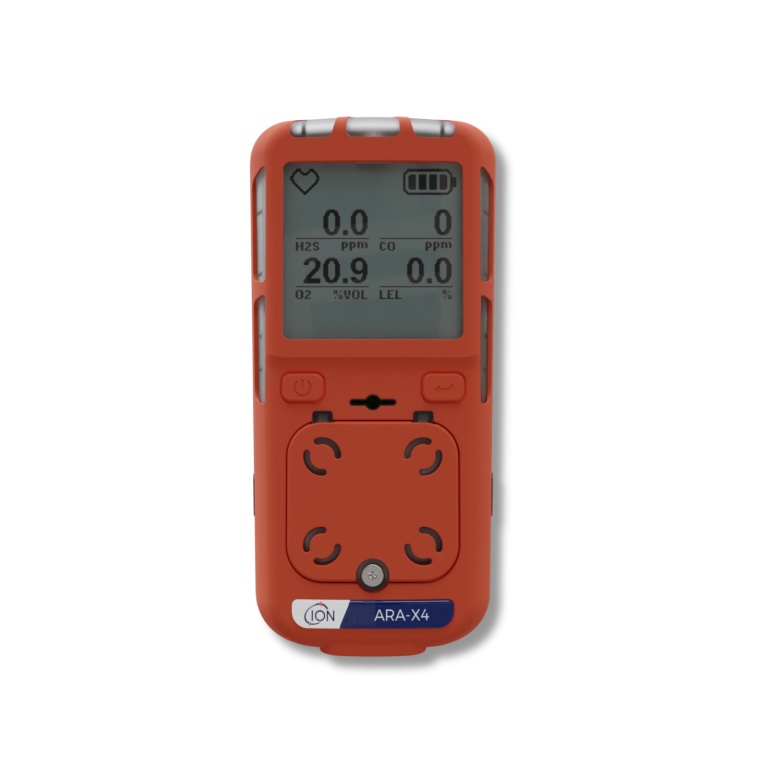
ARA-X4 Wearable Multi-Gas Detector
A wearable personal gas detector for monitoring up to four gases, supporting worker safety and confined space applications.
View product: ARA-X4 Wearable Multi-Gas DetectorHydrogen sulfide (H₂S) is a highly toxic, colourless gas commonly produced during the breakdown of organic matter and in many industrial processes.
Recognisable by its characteristic rotten egg smell at low concentrations, hydrogen sulfide quickly deadens the sense of smell as concentrations increase, making it particularly dangerous without continuous gas monitoring.
Industrial hydrogen sulfide gas detection enables organisations to identify hazardous concentrations before they become life-threatening, helping protect workers, maintain compliance and safely manage operations.
From wastewater treatment plants and oil refineries to confined spaces and chemical processing facilities, reliable H₂S detection is essential for workplace safety.

| Property | Value |
| Chemical Formula | H₂S |
| CAS Number | 7783-06-4 |
| Molecular Weight | 34.08 g/mol |
| Appearance | Colourless gas |
| Odour | Rotten eggs (at low concentrations only) |
| Flammability | Highly flammable |
| Relative Density | Heavier than air |
| Common Detection Technology | Electrochemical sensor |
Hydrogen sulfide is a naturally occurring toxic gas generated by bacterial decomposition of organic material and numerous industrial processes. Because it is heavier than air, it can accumulate in low-lying or poorly ventilated areas, significantly increasing the risk of hazardous exposure.
One of the greatest dangers of hydrogen sulfide is that its distinctive odour cannot be relied upon for safety. While low concentrations produce a noticeable rotten egg smell, exposure quickly paralyses the sense of smell, meaning dangerous concentrations may go undetected without specialist gas detection equipment.
Hydrogen sulfide monitoring provides continuous, real-time monitoring to warn workers before concentrations reach hazardous levels.
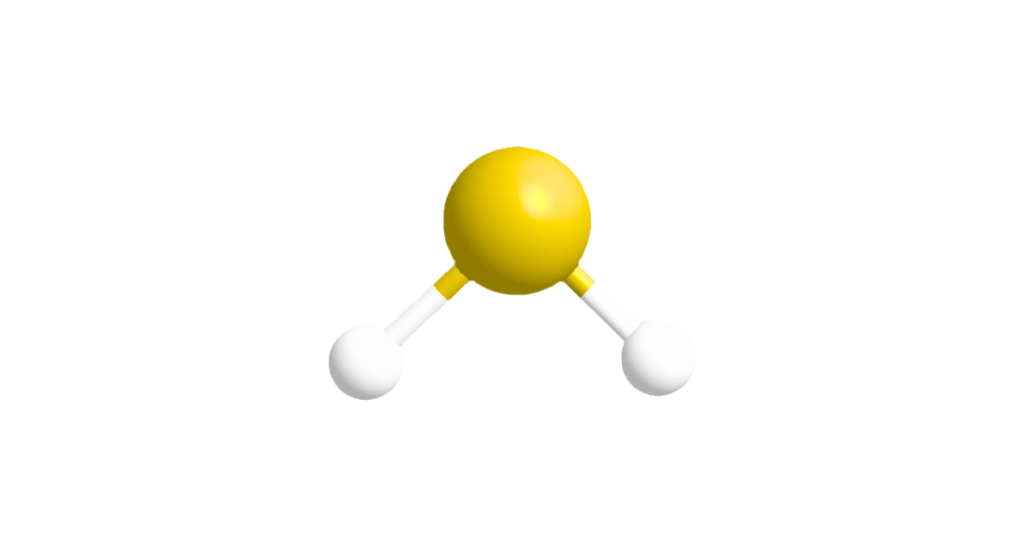
Hydrogen sulfide is encountered across a wide range of industrial environments.
| Oil & Gas | Wastewater Treatment | Chemical & Petrochemical |
| Hydrogen sulfide naturally occurs in crude oil, natural gas extraction, refineries and petrochemical processing facilities. | Sewage systems, pumping stations, sludge processing and wastewater treatment plants frequently generate hydrogen sulfide through biological decomposition. | Chemical manufacturing, sulfur recovery processes and industrial reactors may produce H₂S during normal operations. |
| Manufacturing & Industrial Processing | Agriculture & Biogas | Confined Spaces |
| Paper mills, food processing, tanneries and other manufacturing operations may generate hydrogen sulfide during production. | Manure storage, anaerobic digesters and biogas production facilities present significant H₂S hazards. | Storage tanks, sewers, utility chambers, digesters and underground infrastructure require continuous H₂S monitoring before and during entry. |
Hydrogen sulfide is extremely toxic and can cause rapid incapacitation or death at elevated concentrations. Continuous monitoring provides early warning before dangerous exposure occurs.
Employers have a duty to monitor hazardous atmospheres where hydrogen sulfide may be present, helping meet occupational health and safety requirements.
Continuous monitoring enables operators to identify leaks, process failures and hazardous atmospheric conditions before they escalate.
Because H₂S can accumulate in low-lying areas, gas testing before and during confined space work is essential for protecting personnel.
| Low-Level Exposure | Moderate Exposure | High-Level Exposure |
| Symptoms may include: | Increasing concentrations may cause: | High concentrations can cause: |
|
|
|
Because the sense of smell is rapidly lost at higher concentrations, workers should never rely on odour to verify the presence of hydrogen sulfide. Hydrogen sulfide monitoring solutions should always be used.
| Standard | Limit |
| UK EH40 WEL (8-hour TWA) | 5 ppm |
| UK EH40 WEL (15-minute STEL) | 10 ppm |
| OSHA Ceiling | 20 ppm |
| NIOSH REL (10-minute Ceiling) | 10 ppm |
| NIOSH IDLH | 100 ppm |
Exposure limits are provided for guidance and were checked against the relevant regulatory sources in August 2026. Always refer to the latest published guidance from the relevant authority.
Sources: EH40/2005 Workplace exposure limits; OSHA Table Z-1-Limits for Air Contaminants; NIOSH Pocket Guide to Chemical Hazards
Detecting hydrogen sulfide typically involves using highly sensitive electrochemical sensors capable of continuously measuring airborne H₂S concentrations in real time.
Depending on the application, monitoring may include:
The appropriate solution depends on workplace hazards, environmental conditions and operational requirements.
Hydrogen sulphide, also spelled hydrogen sulfide, is a highly toxic gas produced naturally through the decomposition of organic material and during numerous industrial processes, particularly in oil and gas, wastewater and chemical industries.
Hydrogen sulfide can affect the eyes, respiratory system and central nervous system. Lower-level exposure may cause irritation, headaches, dizziness and nausea. High concentrations can cause rapid unconsciousness, breathing failure and death, sometimes within only a few breaths.
Because H₂S can accumulate quickly and workers may receive little warning of a release, suitable workplace controls and gas-monitoring equipment are essential wherever a risk has been identified.
Hydrogen sulfide is most commonly detected using electrochemical gas sensors. These sensors continuously measure airborne H₂S concentrations and trigger audible, visual and vibrating alarms when preset levels are reached.
Industrial H₂S monitoring may include fixed detectors for designated areas, portable instruments for testing an atmosphere and wearable monitors that provide personal protection within an individual worker’s breathing zone.
ION Science provides wearable hydrogen sulfide monitors for industrial and occupational worker protection.
Although hydrogen sulfide smells like rotten eggs at low concentrations, exposure quickly paralyses the sense of smell, making odour an unreliable indicator of danger. A lack of odour does not mean that an atmosphere is free from H₂S. Appropriate gas-detection equipment should always be used where hydrogen sulphide may be present.
Hydrogen sulfide is commonly encountered in wastewater treatment, oil and gas production, chemical manufacturing, agriculture, biogas facilities, paper mills and confined spaces.
In Great Britain, the Workplace Exposure Limit for hydrogen sulfide is:
These limits are published in the HSE’s EH40 Workplace Exposure Limits. Requirements vary between countries, so organisations should always consult the latest limits and regulations applicable to their location and industry.
Learn more about ION Science’s leading hydrogen sulfide gas detection solutions and speak to an expert today.