Styrene | CAS 100-42-5

Detecting Styrene

Styrene (C8H8) is a colourless to pale yellow, flammable organic compound primarily used in the production of plastics, resins and synthetic rubber. As a key raw material in the manufacture of polystyrene, ABS plastics and fibreglass-reinforced products, styrene is widely used across chemical manufacturing and composite industries. However, exposure to styrene vapours can present significant health risks, making styrene gas detection essential wherever it is manufactured, processed or handled.

Effective styrene monitoring helps organisations protect workers, identify vapour releases and manage workplace exposure. From reinforced plastics manufacturing and resin production to chemical processing and composite fabrication, selecting the right styrene detector supports safer operations and compliance with occupational exposure limits.

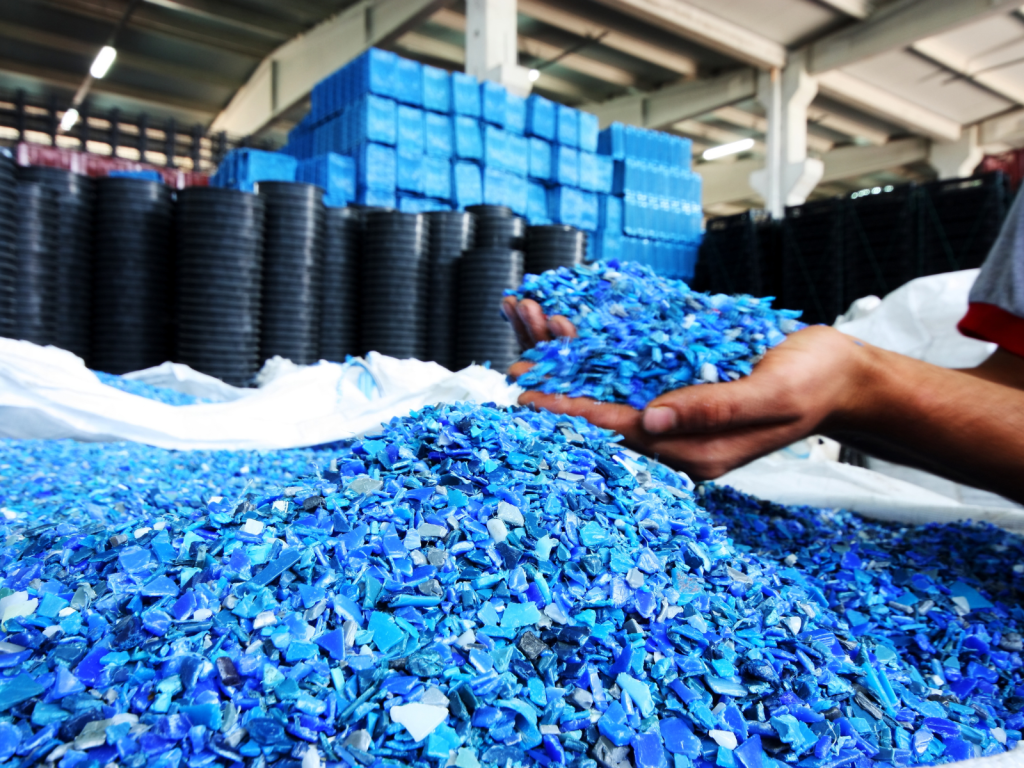
In a warehouse, workers’ hands spread blue plastic flakes on a white tarp while stacked blue and black plastic pellets sit in rows behind them.

Styrene Properties

Property  Value 
Chemical Formula C8H8
CAS Number 100-42-5
Molecular Weight 104.2 g/mol
Appearance Colourless vapour
Odour Sweet aromatic
Flammability Flammable
Relative Density  Heavier than air
Common Detection Technology Photoionisation Detection (PID) technology

What is Styrene?

Styrene is an aromatic hydrocarbon used primarily in the manufacture of polystyrene and as a building block for plastics, resins and synthetic rubbers. It is commonly used to produce insulation, pipes, automotive components, packaging materials, fibreglass products and numerous consumer goods.

Because styrene readily evaporates, hazardous vapour concentrations can develop during production, moulding, resin application and composite manufacturing. Reliable styrene gas detection enables organisations to monitor airborne concentrations, reduce exposure risks and maintain safer working environments.

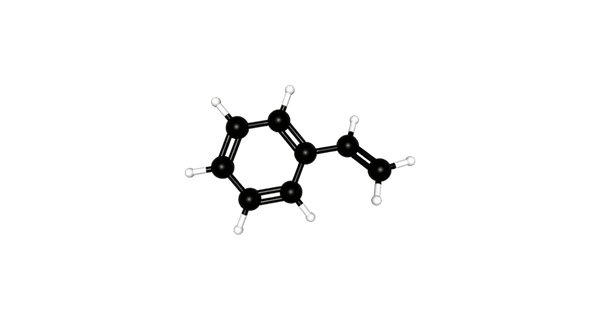
3D molecular model showing the chemical structure of styrene

Common Applications for Styrene Detection

Reinforced Plastics Manufacturing Resin Manufacturing Chemical Manufacturing
Monitor styrene vapours during the production of fibreglass-reinforced plastics and composite materials. Detect styrene during resin production, mixing and processing operations. Monitor styrene throughout production, storage and handling processes.
Automotive Manufacturing Composite Fabrication Occupational Hygiene
Support workplace exposure monitoring during the manufacture of composite vehicle components. Protect workers during moulding, laminating and curing processes where styrene-containing resins are used. Monitor worker exposure and assess workplace air quality in facilities handling styrene.

Why Detect Styrene?

Protect Workers

Continuous styrene monitoring helps identify hazardous vapour concentrations before they pose a risk to personnel.

Support Occupational Exposure Monitoring

Real-time monitoring enables organisations to assess workplace exposure and support compliance with occupational exposure limits.

Detect Vapour Releases Early

Reliable styrene gas detection helps identify leaks and vapour releases quickly, reducing exposure risks and improving workplace safety.

Improve Process Safety

Routine monitoring supports the safe manufacture, storage and handling of styrene across industrial applications.

Health Effects of Styrene Exposure

Short-Term (Acute) Exposure

Long-Term (Chronic) Exposure

Exposure may cause: Repeated or prolonged exposure may result in:
  • Eye, nose and throat irritation
  • Headaches
  • Dizziness
  • Nausea
  • Drowsiness
  • Central nervous system effects
  • Hearing impairment
  • Reduced colour vision
  • Potential effects on the liver
  • Increased long-term health risks associated with occupational exposure

Workplace Exposure Limits

Standard Limit
UK EH40 WEL (8-hour TWA) 100 ppm
UK EH40 WEL (15-minute STEL) 250 ppm
OSHA PEL (8-hour TWA) 100 ppm
NIOSH REL (8-hour TWA) 50 ppm
NIOSH IDLH 700 ppm

Exposure limits are provided for guidance and were checked against the relevant regulatory sources in August 2026. Always refer to the latest published guidance from the relevant authority.

Sources: EH40/2005 Workplace exposure limits; OSHA Table Z-1-Limits for Air Contaminants; NIOSH Pocket Guide to Chemical Hazards

How is Styrene Detected?

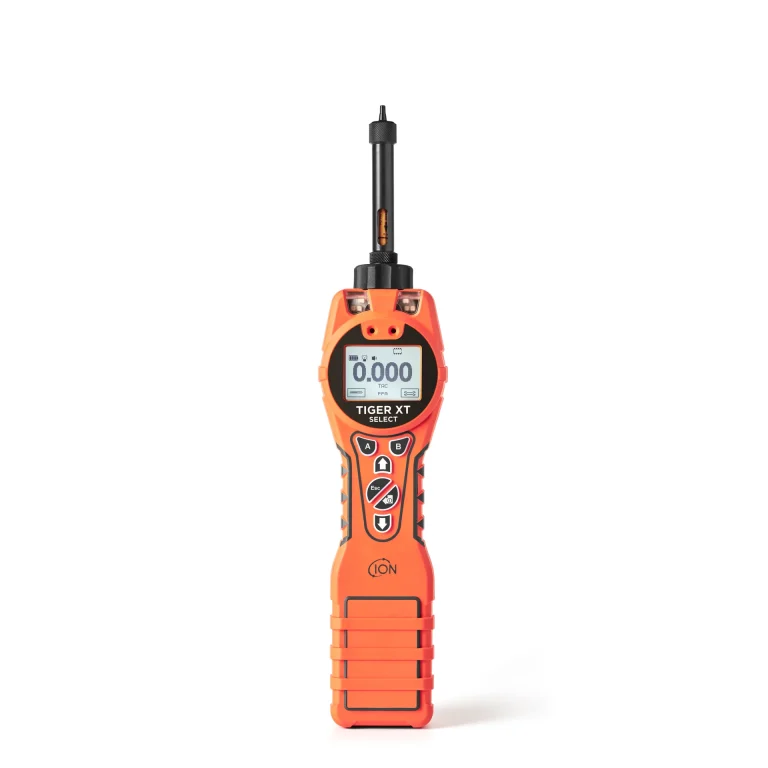
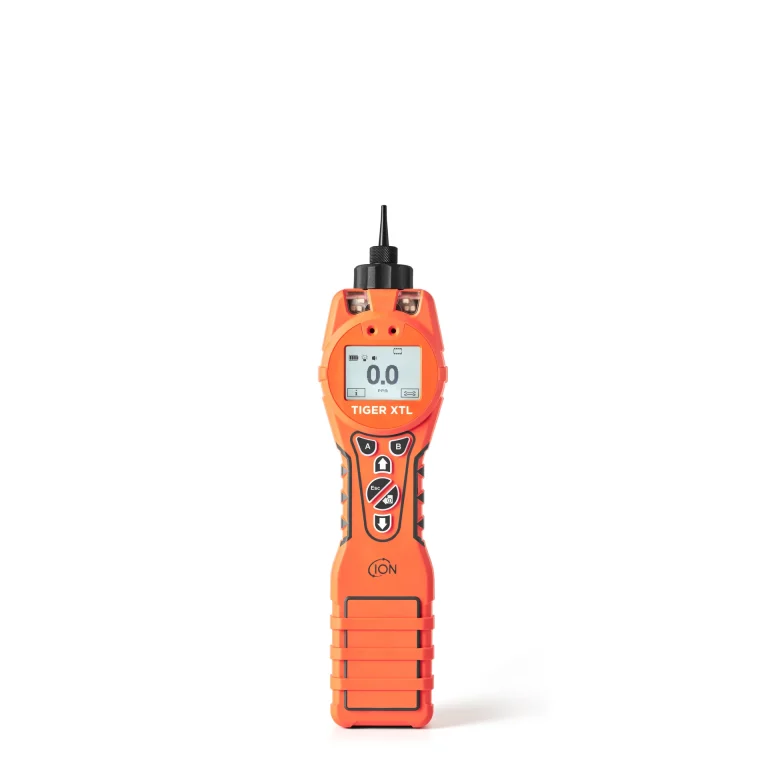
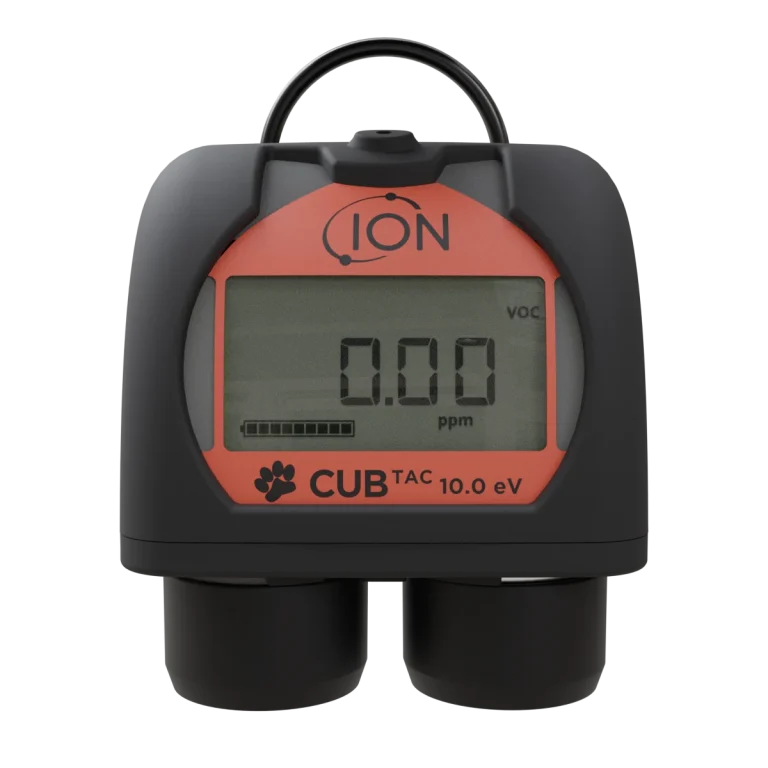
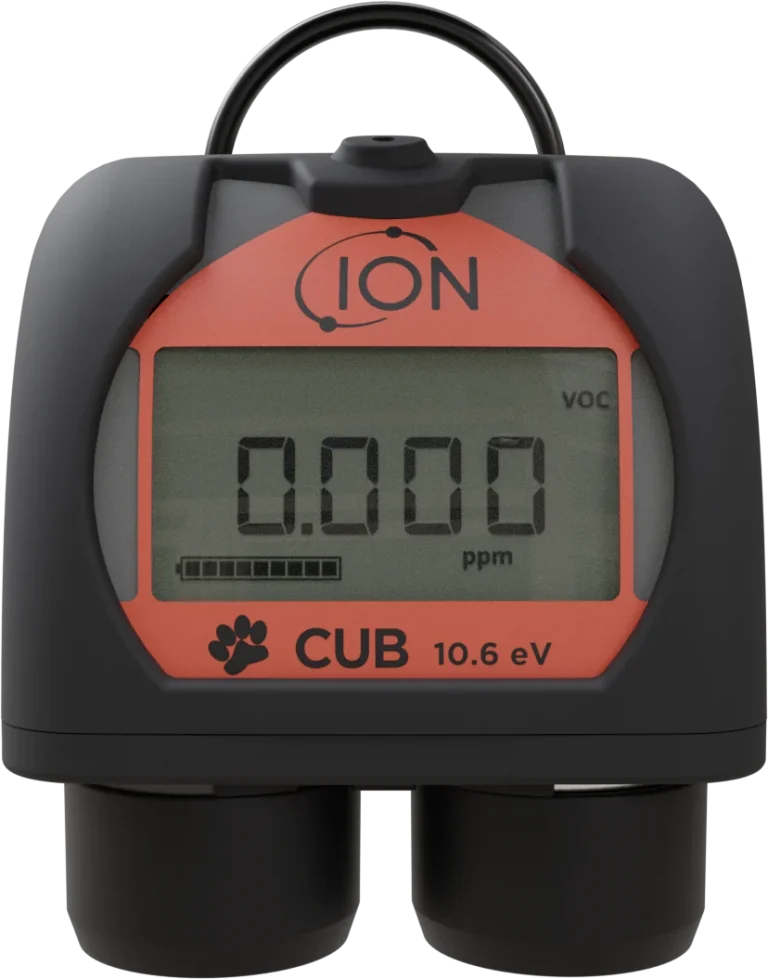
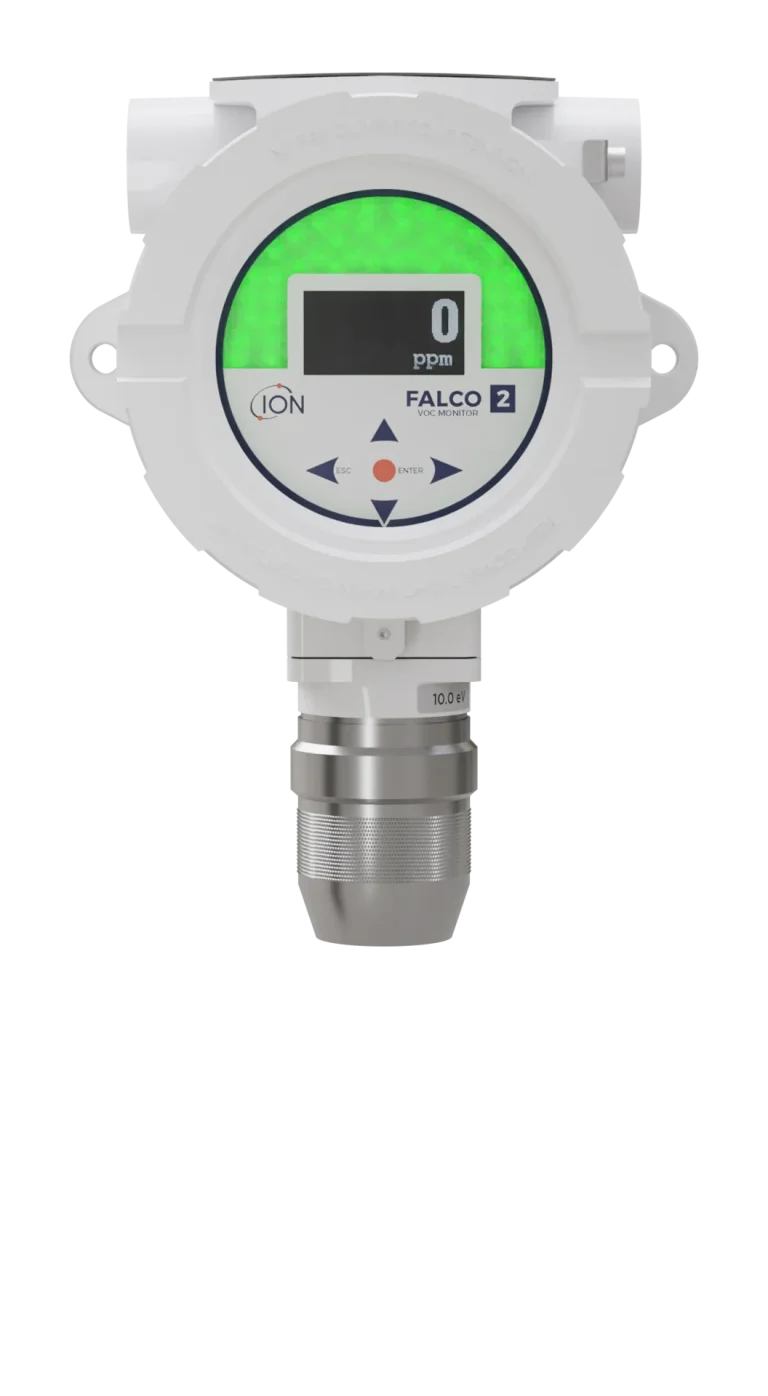
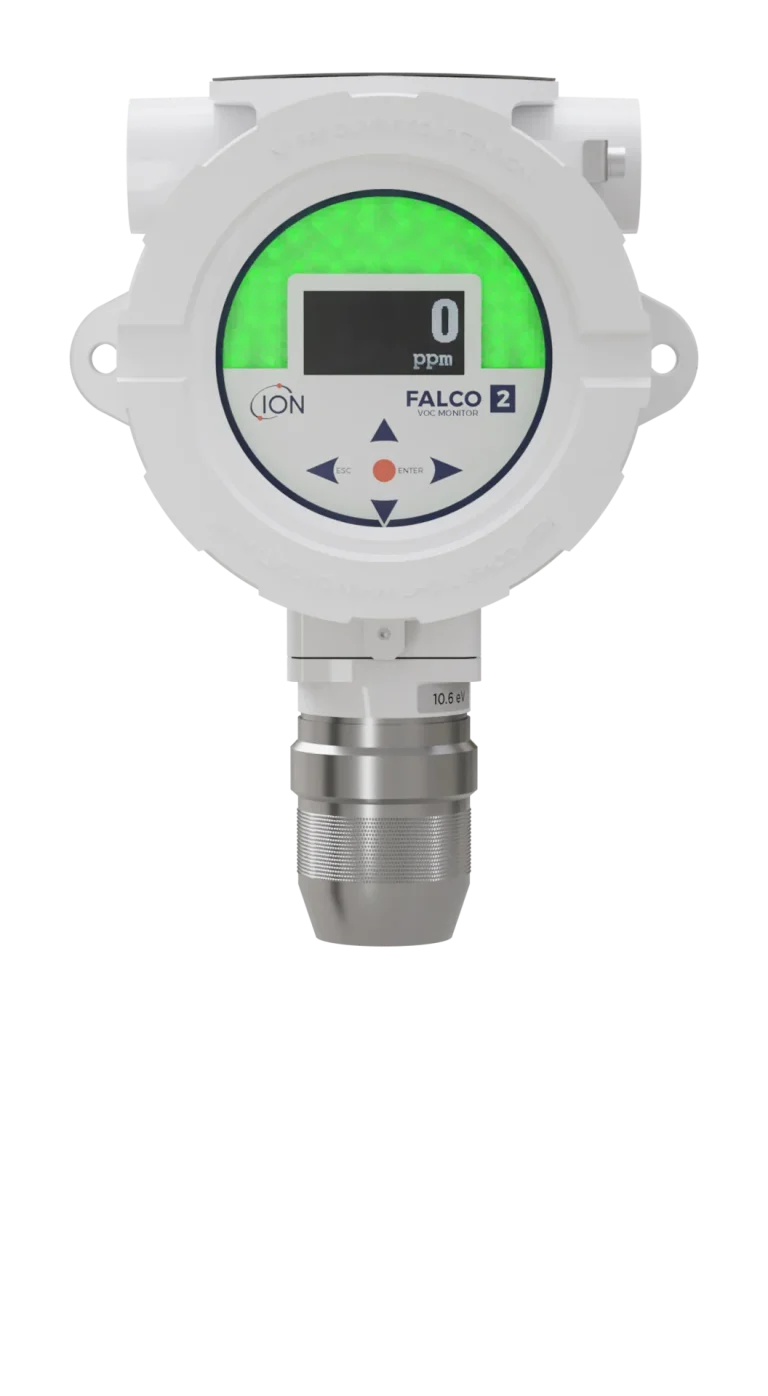
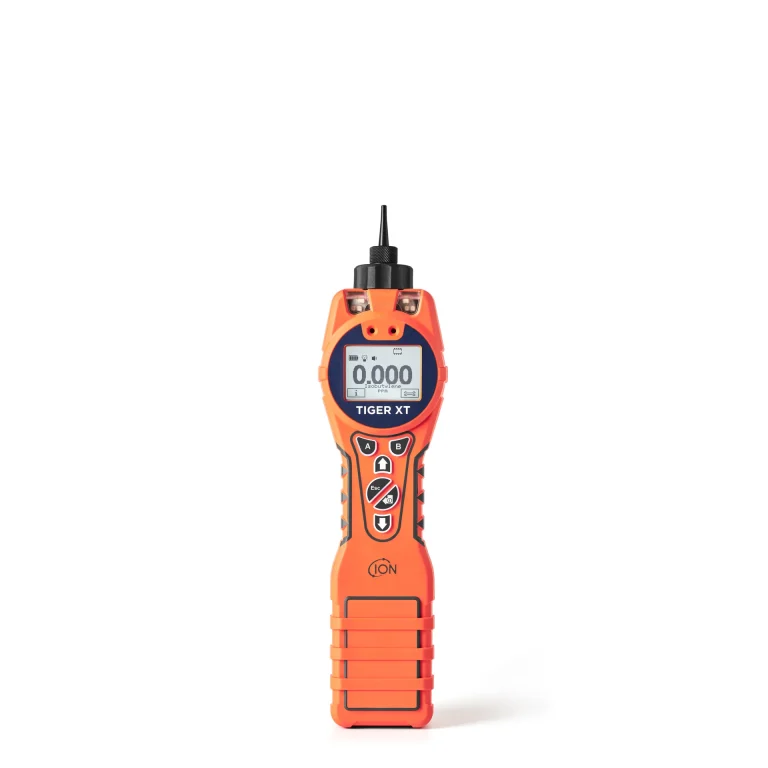
Styrene gas detection is commonly achieved using photoionisation detector (PID) technology. With an ionisation potential of 8.4 eV, styrene can be readily detected using 10.0 eV and 10.6 eV PID lamps, providing fast, real-time monitoring of airborne vapour concentrations.

Personal and fixed styrene detectors provide continuous monitoring to identify changing vapour concentrations, helping organisations manage workplace exposure, detect vapour releases and improve workplace safety.

Frequently Asked Questions about Styrene

Styrene is a volatile aromatic hydrocarbon with the chemical formula C₈H₈ and CAS number 100-42-5. It is primarily used to manufacture polystyrene, synthetic rubber, resins, plastics and composite materials.

Styrene is also known as ethenylbenzene, vinylbenzene or phenylethene.

Styrene is a flammable liquid and vapour. Exposure may irritate the eyes, skin, nose and respiratory system. Higher airborne concentrations can cause headaches, dizziness, tiredness, confusion or drowsiness.

Suitable containment, ventilation, ignition controls and workplace monitoring should be used wherever a styrene risk has been identified.

Real-time styrene monitoring can help identify elevated vapour concentrations, leaks and changes in workplace conditions. It can also support exposure assessments and help organisations evaluate whether ventilation, containment and working practices are controlling styrene effectively.

Direct-reading instruments provide valuable real-time information but do not replace any prescribed occupational-hygiene sampling or regulatory compliance method.

Airborne styrene vapour can be detected using photoionisation detector (PID) technology. A PID provides a rapid, real-time response and may be used for personal monitoring, workplace surveys, leak investigation and continuous area monitoring.

The appropriate detector should be selected according to the expected concentration, required measurement range, environment and other VOCs that may be present.

Styrene is widely used in plastics manufacturing, reinforced composites, resin production, automotive manufacturing and chemical processing.

Yes. Styrene has an ionisation potential of 8.4 eV, making it readily detectable using 10.0 eV and 10.6 eV  PID detectors.

In Great Britain, the Workplace Exposure Limits for styrene are:

  • 100 ppm as an eight-hour time-weighted average
  • 250 ppm as a 15-minute short-term exposure limit

These values are published in the HSE’s EH40 Workplace Exposure Limits. Organisations elsewhere should consult the current occupational exposure limits applicable within their country and industry.

Find the Right Styrene Detection Solution

Whether you’re monitoring workplace exposure, implementing continuous styrene monitoring or detecting vapour releases during resin manufacturing and composite production, our specialists can help you identify the most suitable solution for your application.

Contact the ION Science team to discuss your requirements and discover the right styrene detector for your facility.

Contact ION Science

Loading enquiry form…

Contact ION Science

Loading enquiry form…

Newsletter sign up

Loading enquiry form…

Warranty registration

Loading enquiry form…

Contact support

Loading enquiry form…