Fugitive Emissions
Uncontrolled emissions from industrial processes, storage facilities, pipelines and other infrastructure can affect air quality, environmental performance and regulatory compliance.
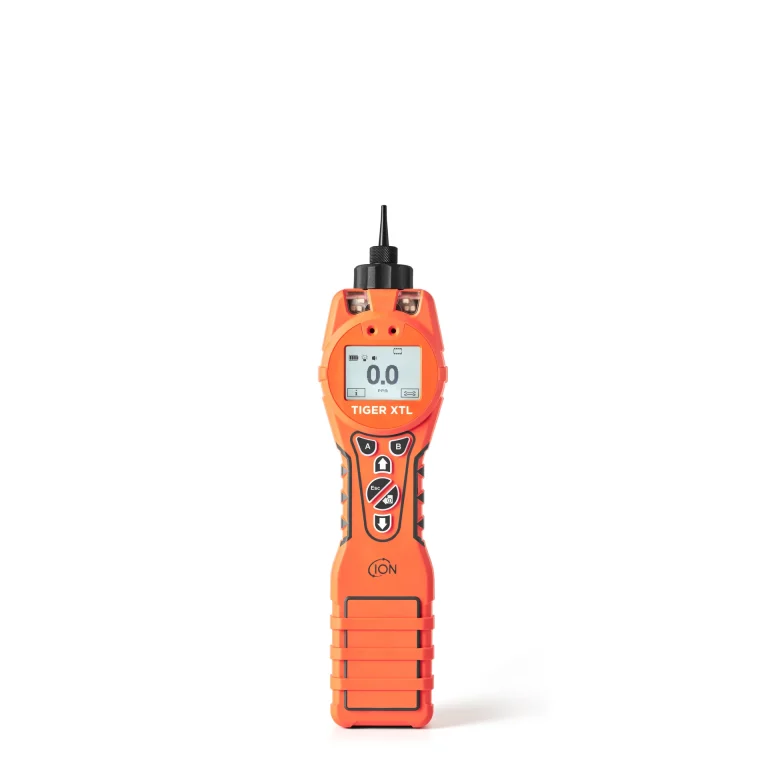
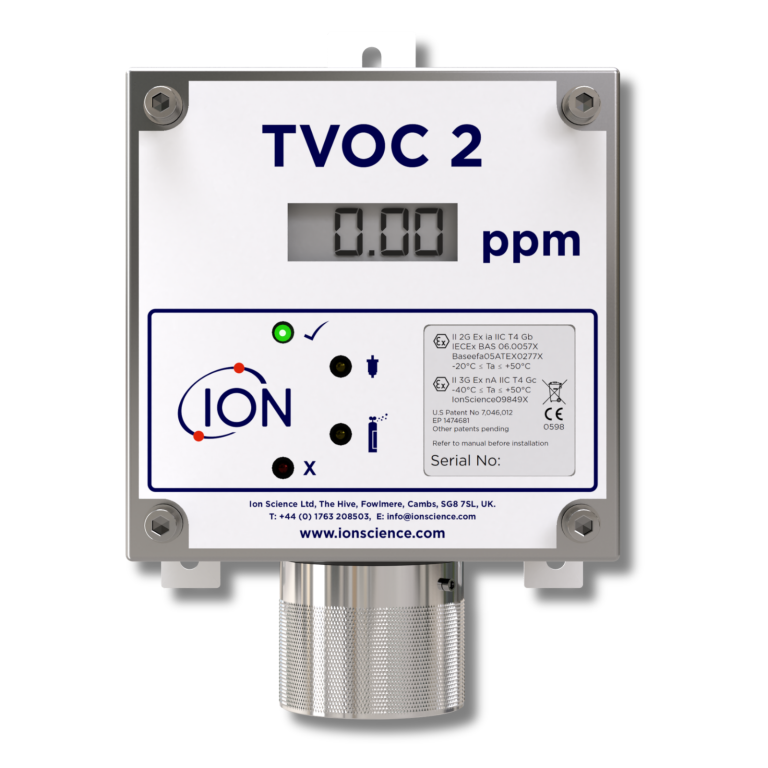
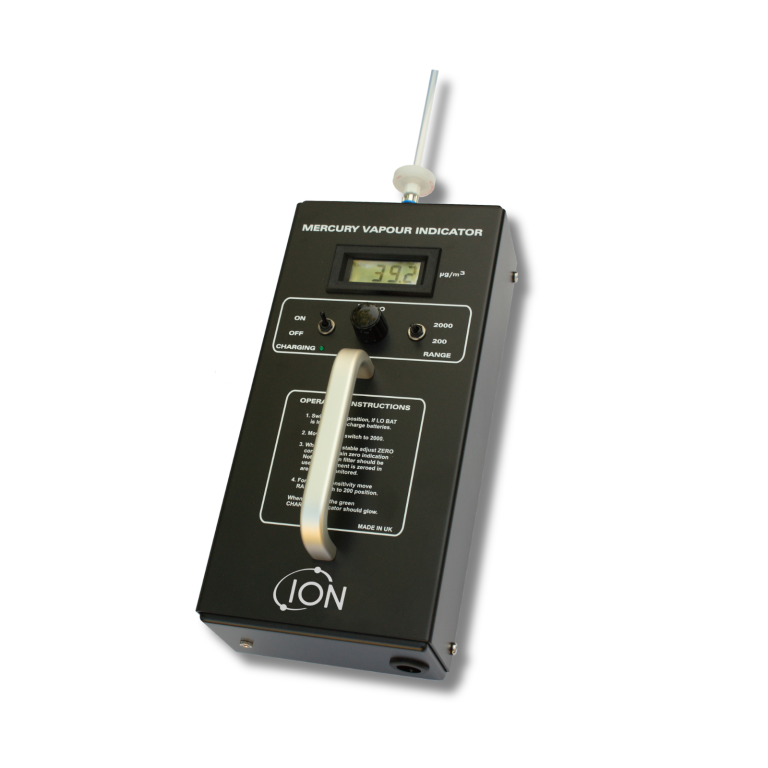
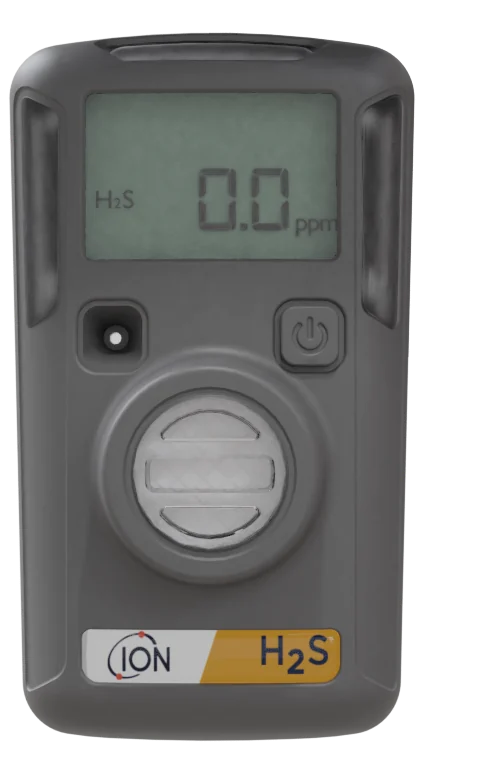
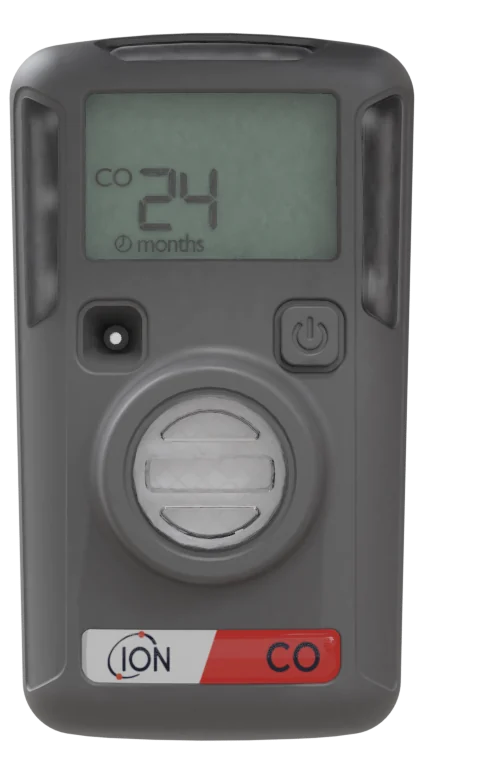
Portable gas detectors and leak-detection instruments can help locate potential sources and, where supported by the selected instrument and methodology, measure gas concentrations or leak rates.
Accurate Site Assessments
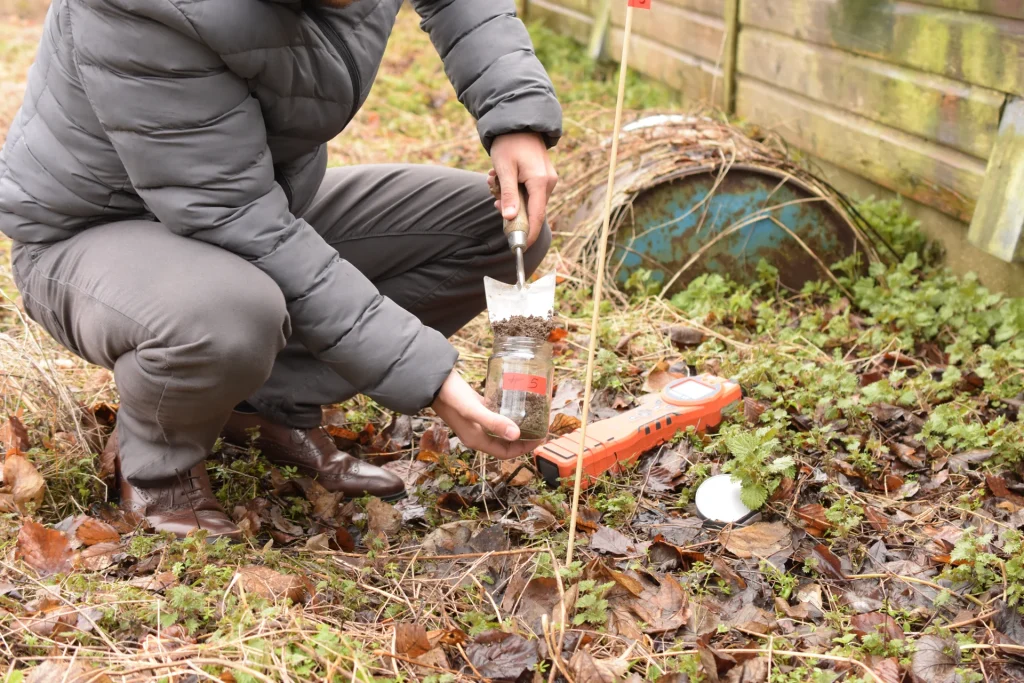
Environmental investigations require dependable data to characterise site conditions and inform recommendations. Portable monitoring equipment enables consultants to investigate specific locations, screen for hazardous gases and record measurements in the field.
The appropriate instrument and sampling method should be selected according to the target compound, anticipated concentration, environmental conditions and purpose of the assessment.
Complex Field Conditions
Environmental monitoring can take place across industrial facilities, contaminated land, landfill sites and remote outdoor locations. Instruments may be exposed to moisture, dust, temperature changes and contamination, making robust construction and dependable field performance important considerations.
Landfill and Waste-Gas Monitoring
Decomposing organic waste can generate methane, carbon dioxide and other trace gases. Monitoring helps environmental teams assess gas migration, investigate emissions and support landfill-management and compliance programmes.
Regulatory and Reporting Requirements
Environmental monitoring may be undertaken to support permit conditions, regulatory reporting or voluntary environmental programmes. Suitable instruments, documented procedures and appropriate calibration help provide confidence in the measurements collected.
Applicable requirements vary by jurisdiction and application. Organisations should refer to the legislation, standards and approved monitoring methods relevant to the location and purpose of the survey.
Detecting Changing or Unexpected Hazards
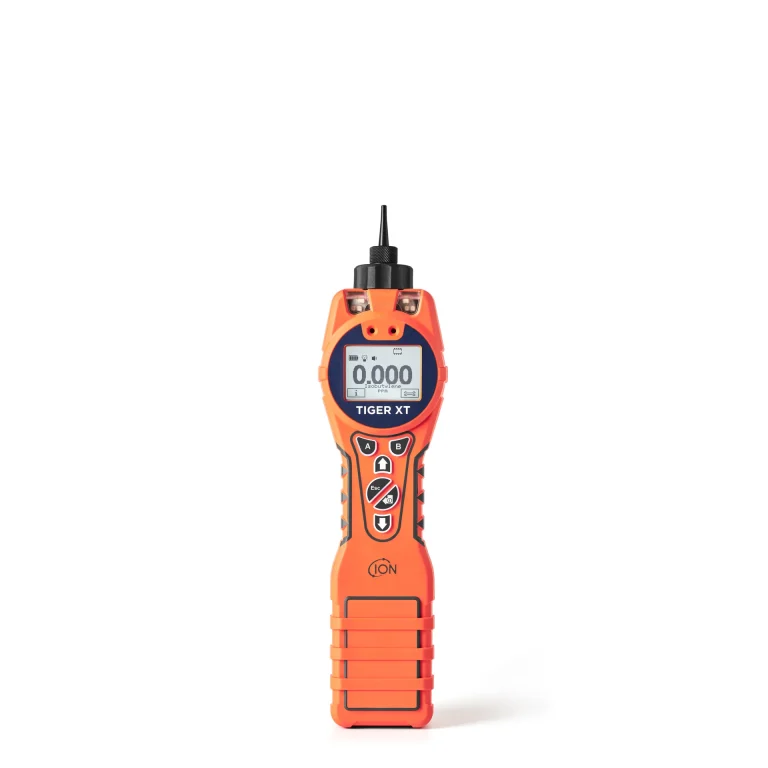
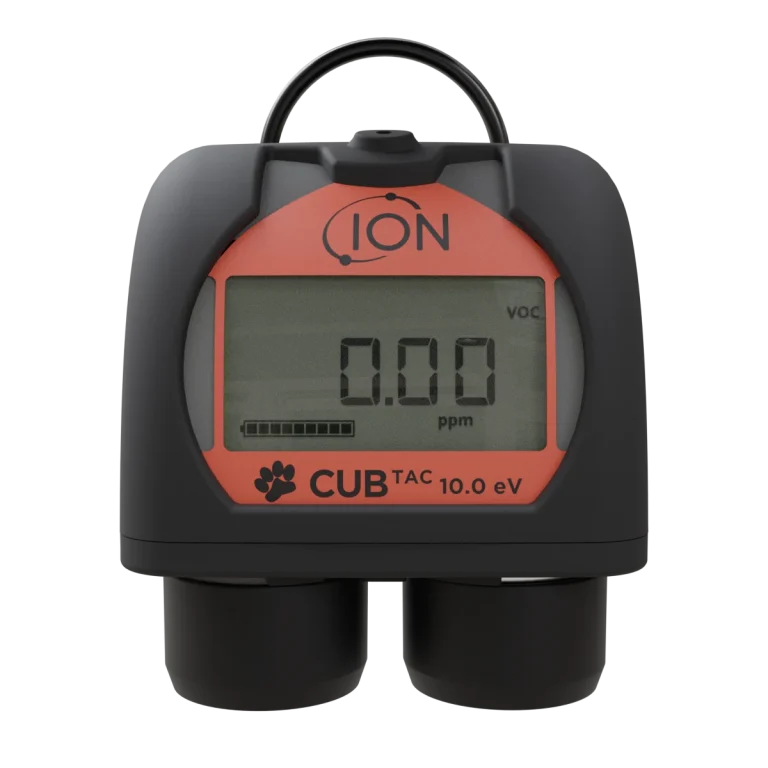
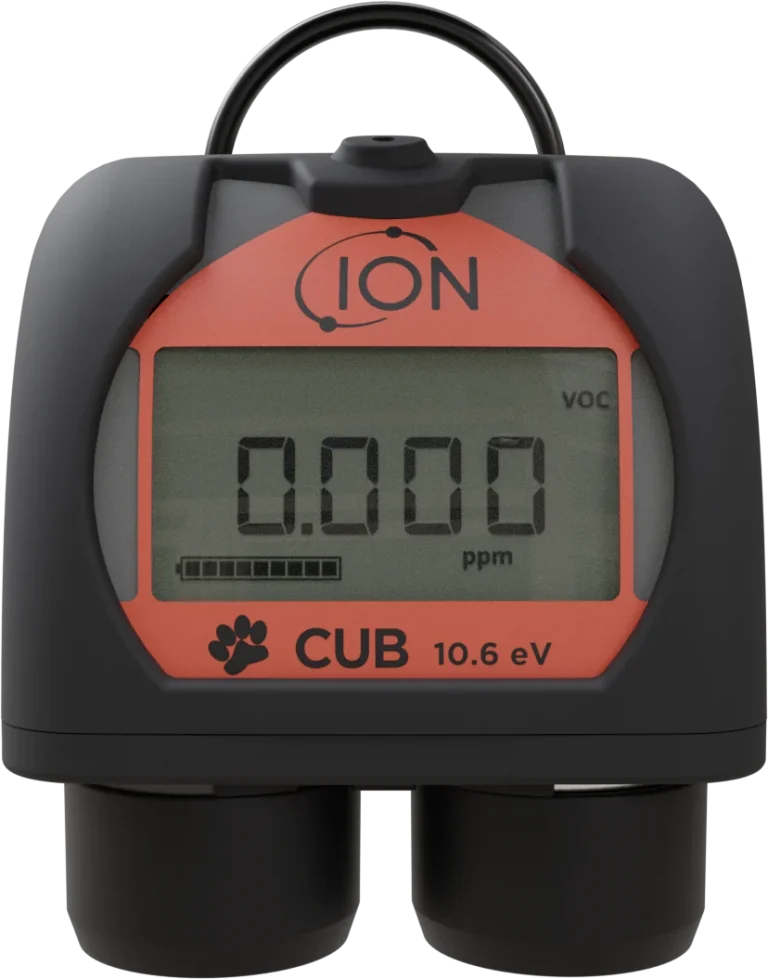
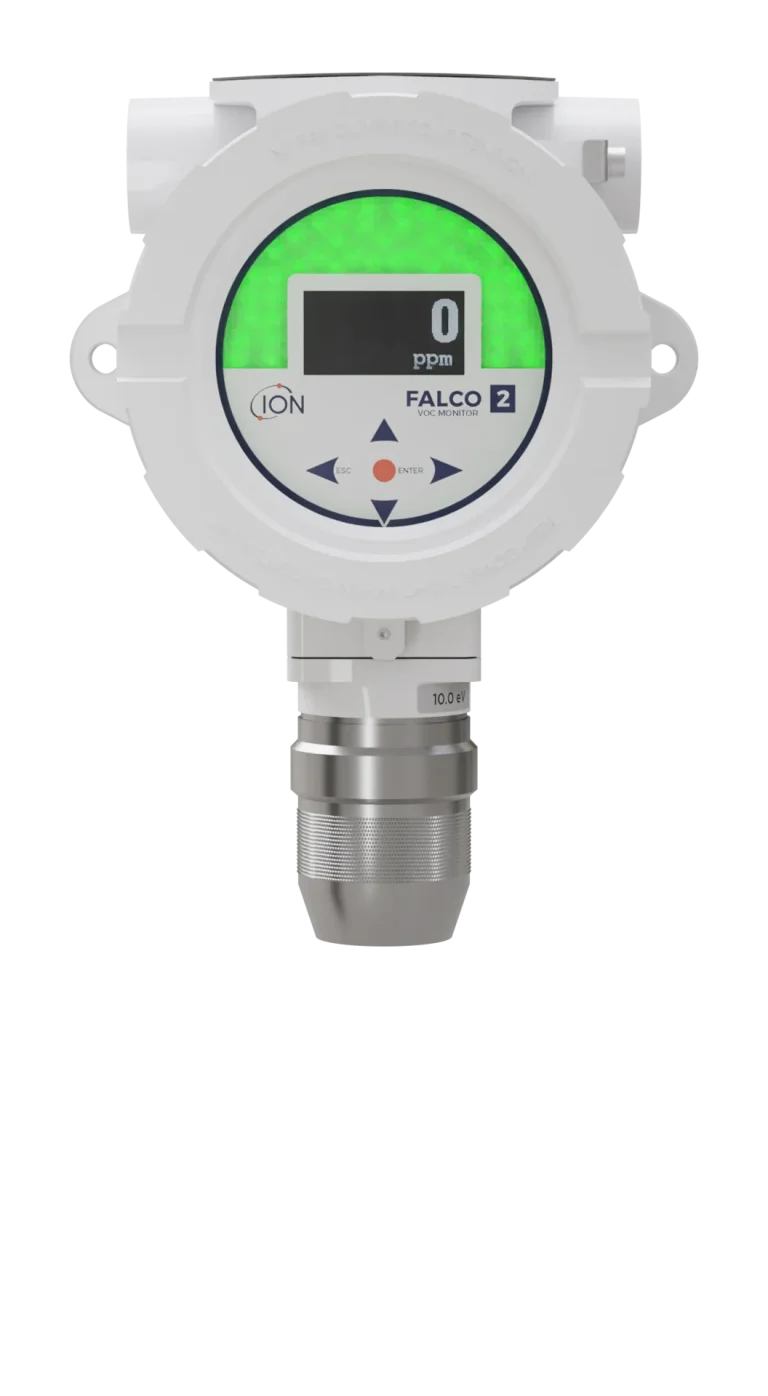
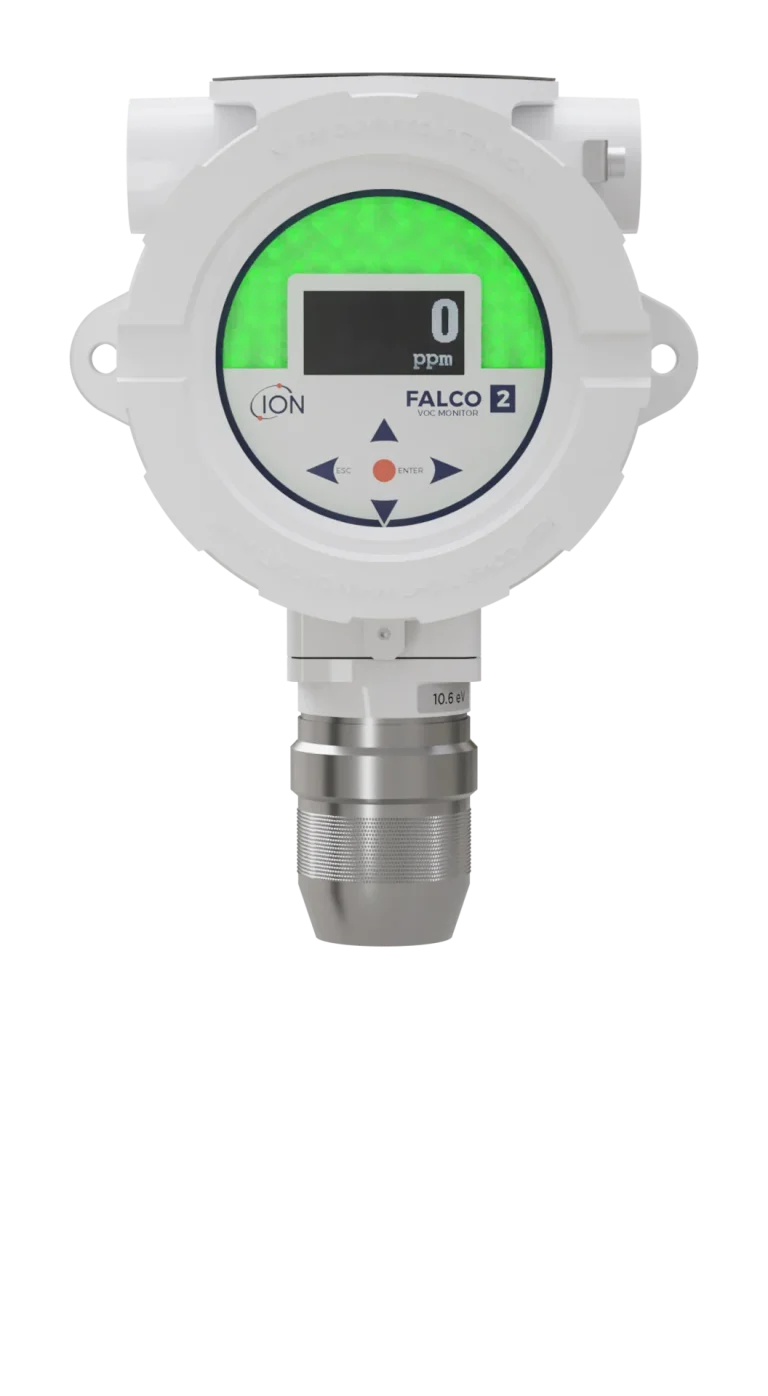
Site investigations can involve changing conditions or substances that are not fully characterised before work begins. Broad-response instruments such as photoionisation detectors can help screen for detectable VOCs and identify changes in overall concentration.
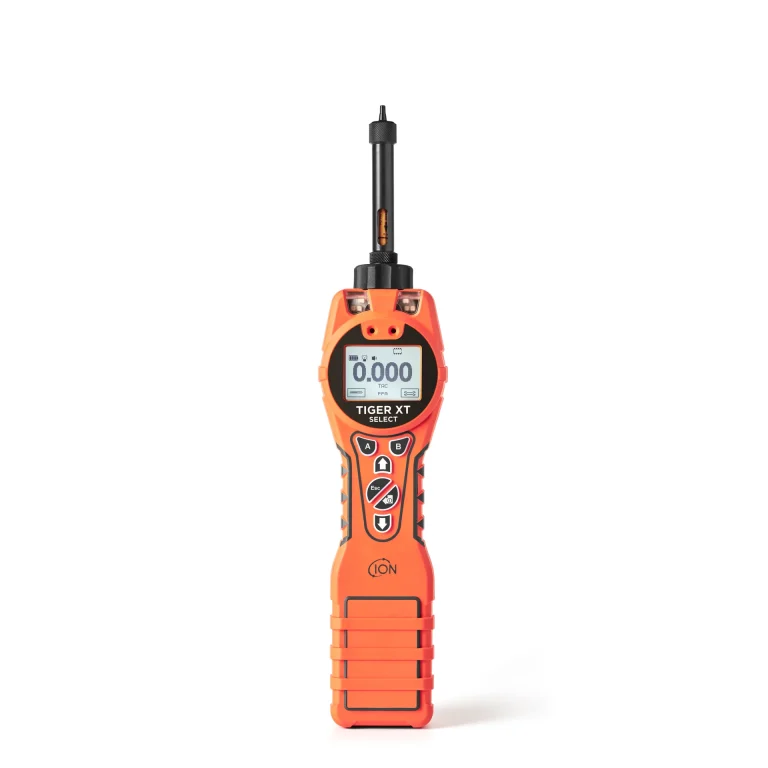
A standard PID does not ordinarily identify individual compounds. Compound-specific analysis or selective detection technology may therefore be required where the identity of a substance must be confirmed.
Data Reliability and Survey Efficiency
Environmental consultants need to collect reliable measurements while using field time efficiently. Instruments with straightforward operation, suitable data logging and clear measurement displays can support consistent surveys and simplify subsequent review and reporting.