
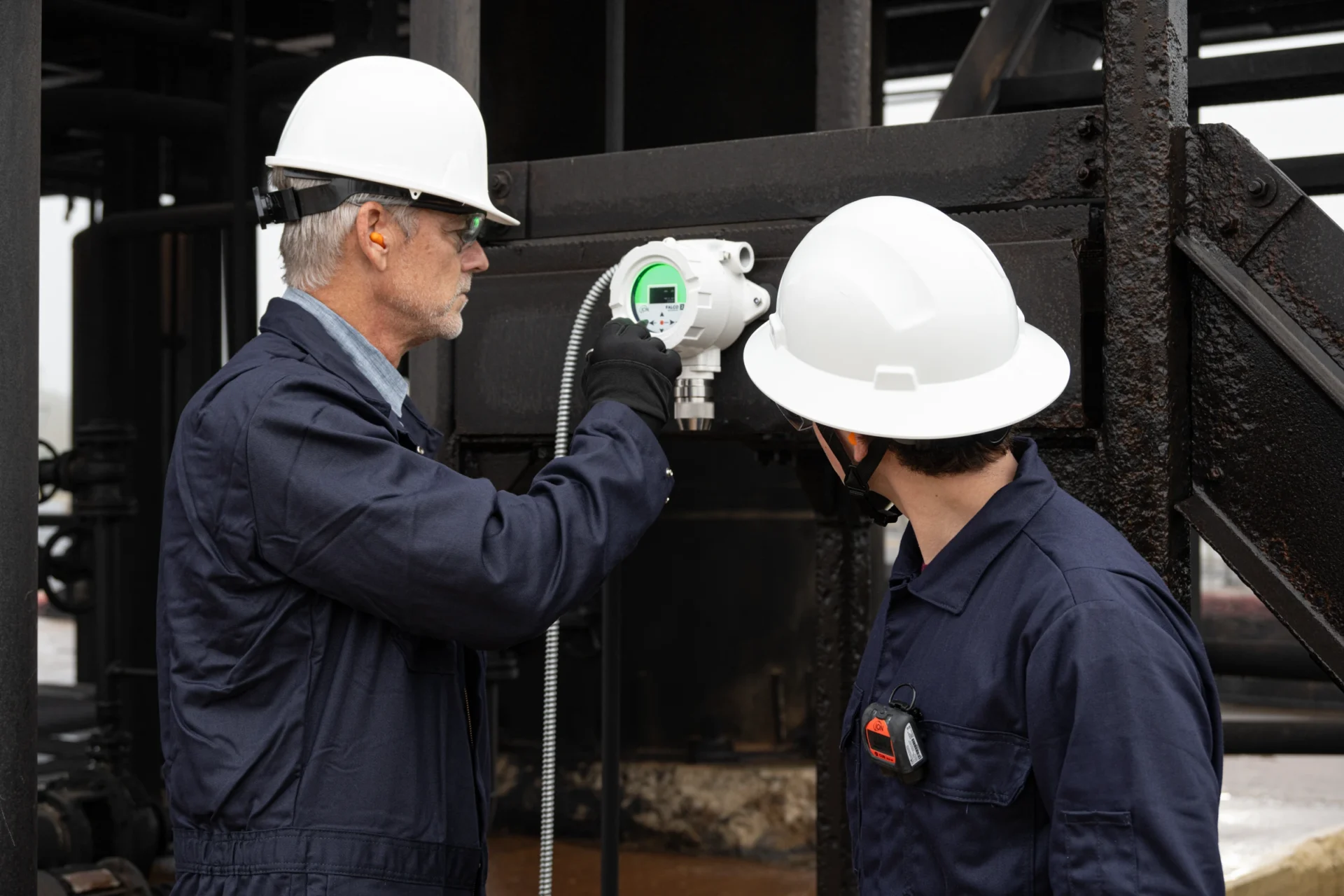
Introducing our NEW Maintenance Program for FALCO 2 11.7 eV
The ION Science® FALCO 2 11.7 eV is typically used in safety-critical environments where product reliability and accuracy are essential, meaning downtime is not an option.
Safety monitoring depends on precision – that’s why we’re introducing a dedicated maintenance program for the FALCO 2 11.7 eV to keep your instruments performing at their best, year after year. And, with the FALCO 2 11.7 eV maintenance kits, you can save up to 25% on maintenance of your instrument!
Overview
The maintenance program offers several benefits to streamline service and avoid downtime with your fixed systems. Scheduled maintenance kits take the guesswork out of servicing your FALCO 2, keeping it reliable, compliant, and cost-effective with everything you need in one package.
Maintenance programs are available in one-, three-, and five-year options, ensuring seamless delivery of serviceable parts. Each maintenance kit will be equipped with a replacement 11.7eV lamp, white electrode stack and PTFE filter disc:
| Part Number | Description |
| LA4FW700 | Series 4 Lamp 11.7 eV (FALCO 2) |
| A-846627 | FALCO Electrode Stack White |
| 873210 | PTFE Filter Disc |
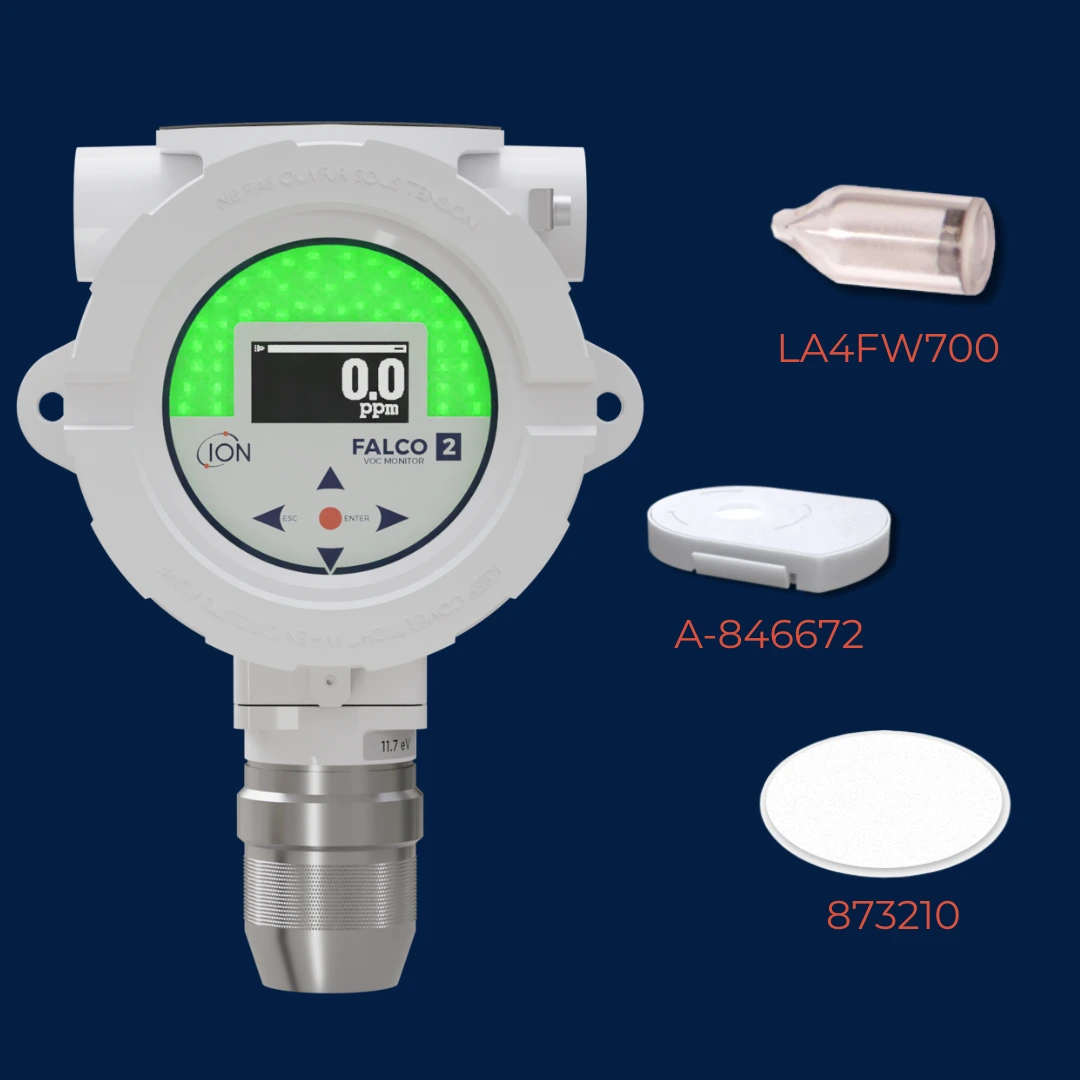 Delivered every three months for the specified period (one, three, or five years), these items are basic elements for routine FALCO 2 11.7 eV maintenance and support correct service processes and instrument longevity.
FALCO 2 11.7 eV Maintenance Programs
Explore our maintenance program options below:
| Part Number | Description |
| SERFA2BRONZE | FALCO 2 11.7 eV Maintenance Program 1 Year |
| SERFA2SILVER | FALCO 2 11.7 eV Maintenance Program 3 Year |
| SERFA2GOLD | FALCO 2 11.7 eV Maintenance Program 5 Year |
After any maintenance work, the instrument must be calibrated following the correct process found within the FALCO 2 11.7 eV user manual.
For more information on the FALCO 2 11.7 eV Maintenance Program, please contact your main person of contact at ION Science or get in touch with our Technical Support team.
Want to learn more?
Contact Us

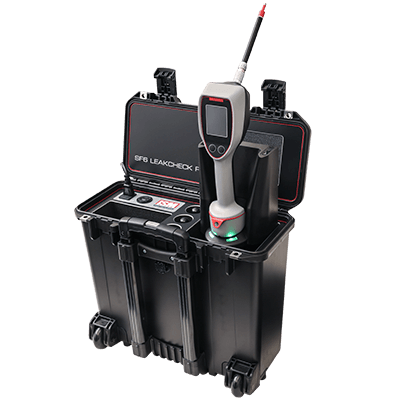
Managing your SF6 leak detection instruments just got easier. The SF6 LeakCheck P1 XTL PC Software streamlines upgrades, updates, and real-time monitoring, all from your PC. Say goodbye to emailed files and delayed firmware releases, and embrace a cloud-enabled workflow that keeps your instruments future-proofed.
Updates Made Effortless: Upgrade in One Click
The SF6 LeakCheck P1 XTL PC Software makes staying up to date simpler than ever. Once a new version or feature becomes available, you can connect your instrument and apply the upgrade instantly with a single click. There’s no need to wait for emailed files or contact support—everything happens automatically through the cloud. This means your instrument is always ready with the latest firmware, features, and performance improvements, ensuring you stay ahead of the curve without downtime or delays.
Core Features of SF6 LeakCheck P1 XTL Software
- Cloud-based updates – Always access the latest firmware without manual downloads or technical intervention.
- Instrument Unlocking & Upgrading – Activate new features as soon as they are released, no support tickets required.
- Live Readings – Monitor your instrument’s performance in real-time through a clear, modern PC interface.
- Simplicity and Timesaving – Designed for engineers, lab technicians, and maintenance teams, the software’s intuitive user interface saves time and eliminates complexity.
Designed for the People Who Keep Systems Running
The SF6 LeakCheck P1 XTL PC Software is designed with practicality in mind, making it an essential tool for engineers, maintenance teams, and lab technicians who need dependable, real-time control over their SF6 instruments. It removes common pain points by eliminating the need for technical support to perform firmware updates and giving users the freedom to upgrade or enhance their devices whenever required. With an intuitive interface and minimal training needed, the software delivers a fast, straightforward experience that allows teams to focus on their work rather than technical processes. Whether managing SF6 assets, performing diagnostics, or monitoring laboratory instruments, users can count on efficiency, independence, and reliability every time.
Take Control of Your Instrument Management
Upgrade to the latest version of SF6 LeakCheck P1 XTL PC Software and experience a smarter, faster, and more reliable workflow.
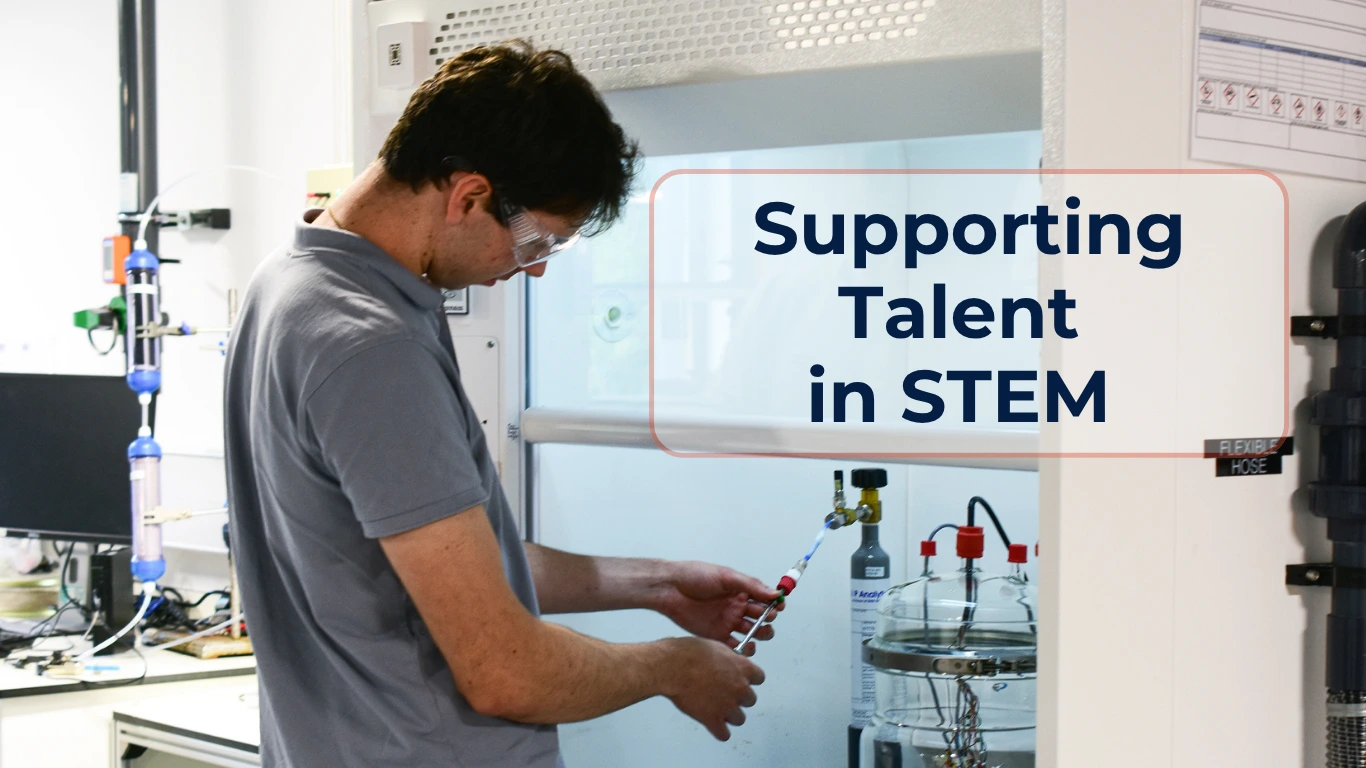
Supporting the Next Generation of Scientists and Engineers
Alasdair is currently in the third year of his undergraduate degree in Natural Sciences at the University of Cambridge (Selwyn College), where he is specialising in Materials Science within the Department of Materials Science and Metallurgy. Excelling in this field, Alasdair has focused his studies on areas such as the fracture and fatigue of materials, a subject closely tied to the safety requirements that underpin many engineering applications.
To secure his internship with ION Science®, Alasdair attended a formal interview at The Hive, meeting with a panel including R&D Director, Garfay Liu, and Research Manager, Cat Gardner. Following his successful interview, he was offered the position and joined the Research and Development department at The Hive Technology Centre, with Cat Gardner as his manager.
During his time at ION, Alasdair has been involved in several new product development projects, contributing to meaningful research and testing, including:
- PID sensor performance testing – measuring linearity of sensors across their operating range.
- T90 testing – analysing response times, such as the time taken for a sensor to reach 90% of its maximum signal when exposed to isobutylene.
- Lamp life research – investigating performance and stability over time.
Alongside his technical work, Alasdair has had the opportunity to tour ION’s facilities, including R&D labs, commercial spaces, and testing rooms. He highlighted the welcoming and collaborative atmosphere at ION, describing it as both an enjoyable and comfortable place to work. True to one of ION’s core values – having fun – he has also enjoyed the more social side of life at The Hive, particularly making use of the pool tables in the breakout areas.
Reflecting on his experience, Alasdair shared that the internship has been both rewarding and inspiring, giving him valuable insights into real-world applications of his academic studies and the chance to contribute to innovative sensor technology development.
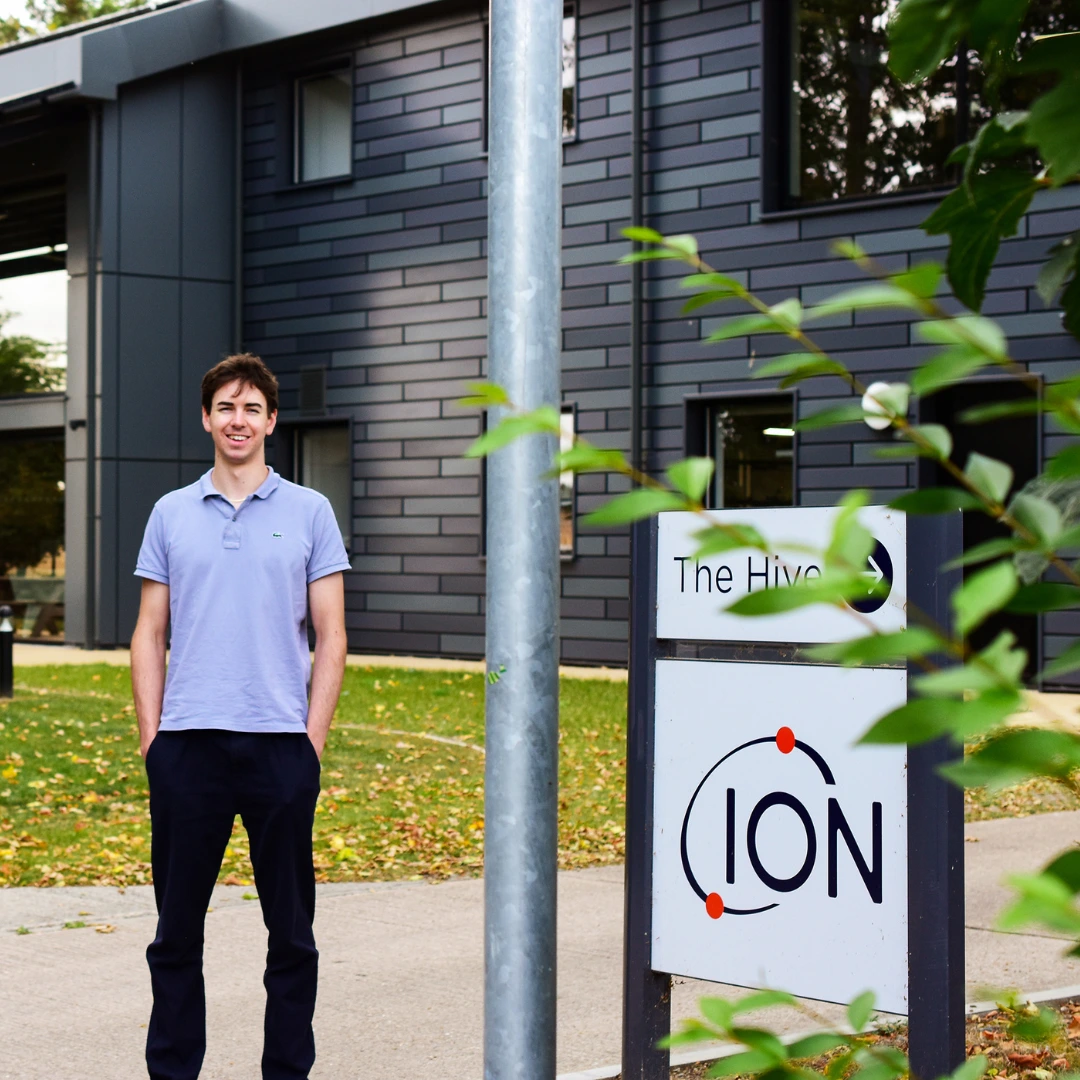
At ION Science®, we are proud to support emerging talent in science and engineering, and we wish Alasdair the very best as he continues his studies at Cambridge and beyond.
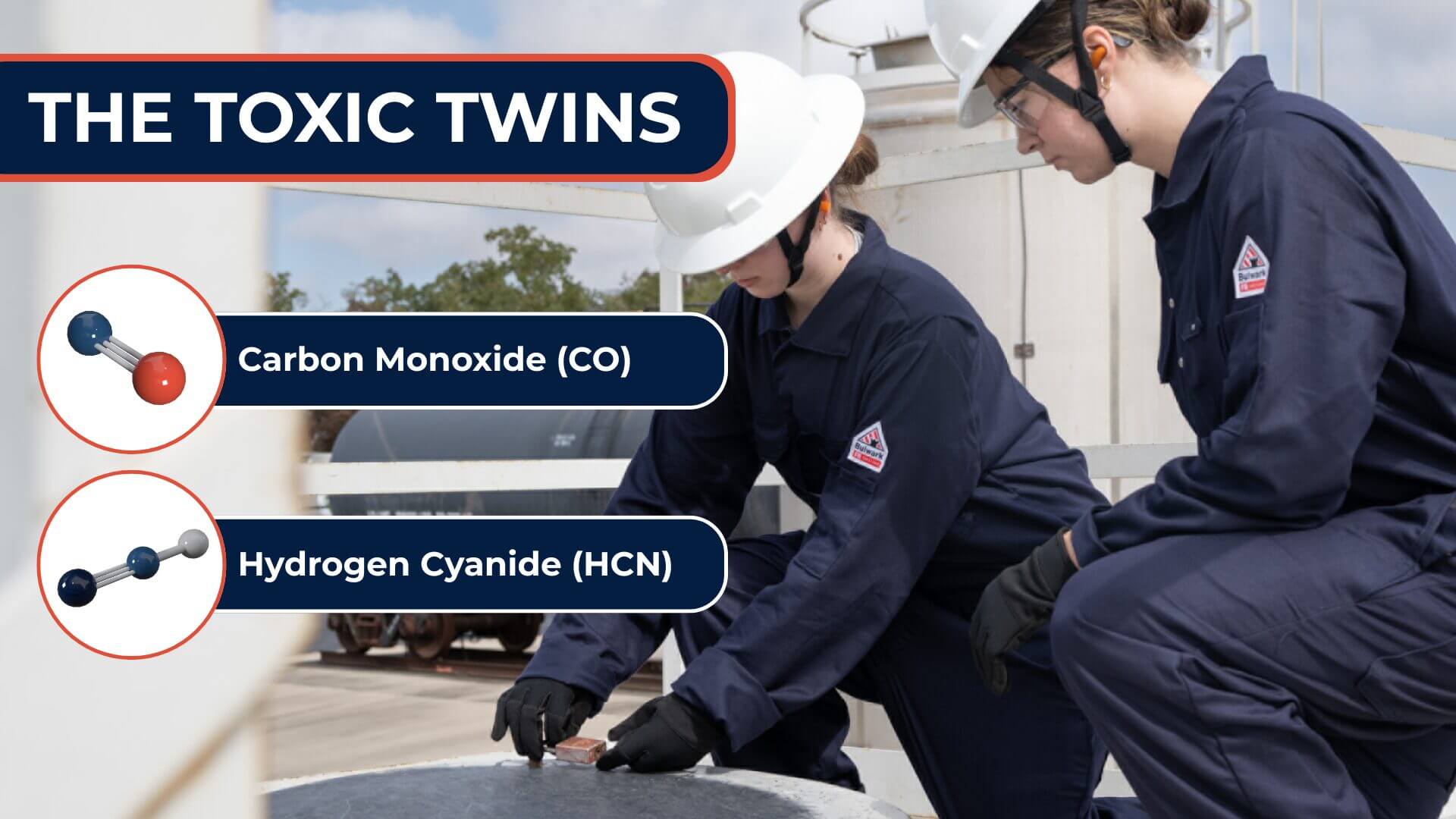
The term “Toxic Twins” refers to two highly dangerous gases; Carbon Monoxide (CO) and Hydrogen Cyanide (HCN), which are commonly found in fires and combustion processes. These gases are particularly lethal when inhaled together, as they both impact the body’s ability to transport and utilise oxygen. Understanding their sources, effects, and prevention is crucial for fire safety, emergency response, and occupational health.
What are the Toxic Twins?
In the aftermath of fires or combustion-related incidents, two particularly lethal gases often emerge; Carbon Monoxide (CO) and Hydrogen Cyanide (HCN). Known as the Toxic Twins, these gases pose a severe risk to life. Individually, each gas is dangerous, but their combined presence amplifies danger and poses a safety threat.
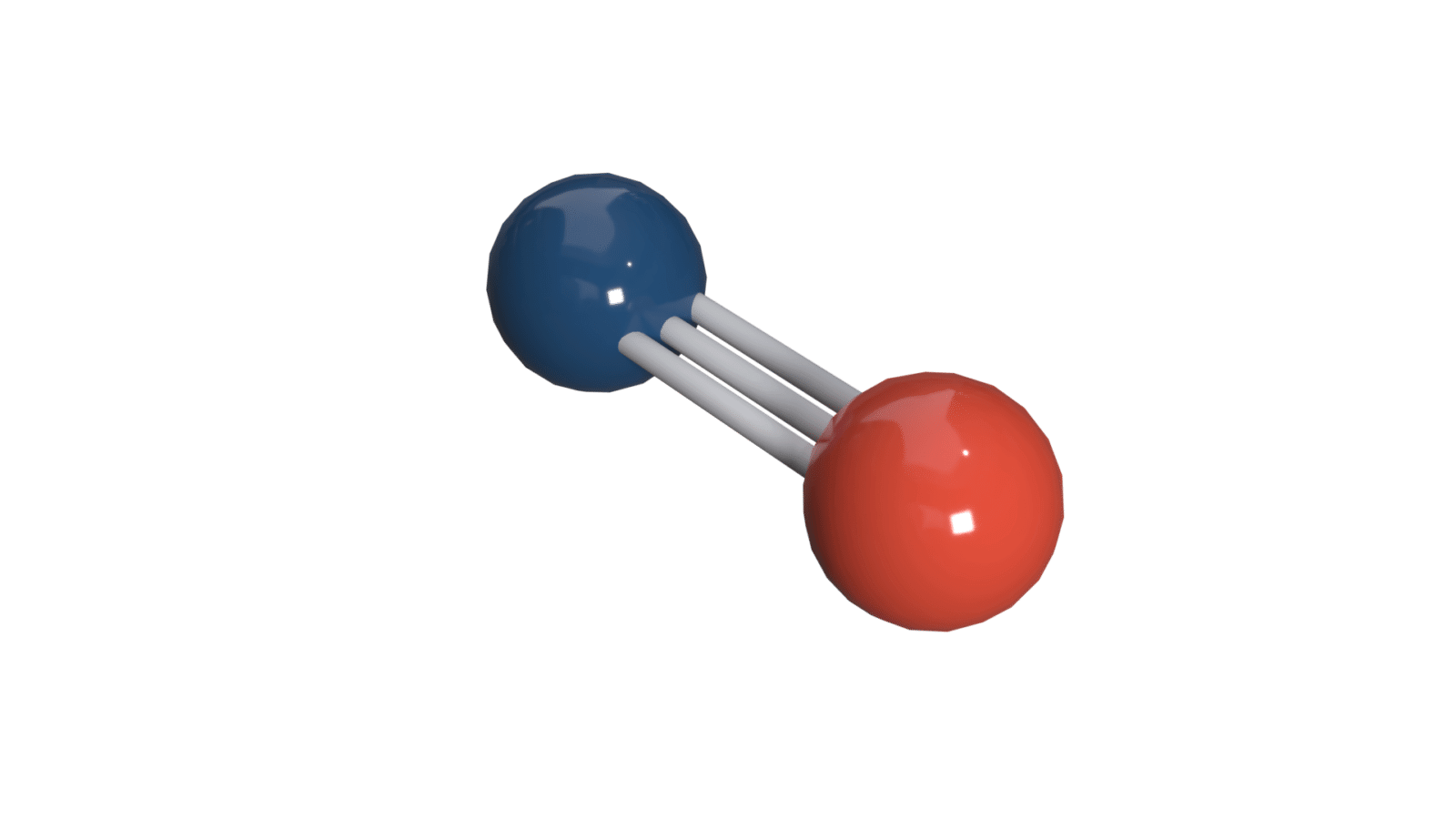
Carbon Monoxide (CO)
Carbon monoxide is a colourless, odourless, and tasteless gas formed as a result of incomplete combustion of carbon-based fuels such as coal, wood, oil, or gas. Because it has no detectable scent or appearance, it is virtually impossible to identify without the aid of specialised detection equipment.
CO is particularly dangerous as it binds to haemoglobin in the blood far more readily than oxygen, effectively displacing it and reducing the body’s ability to transport life-sustaining oxygen to vital organs.
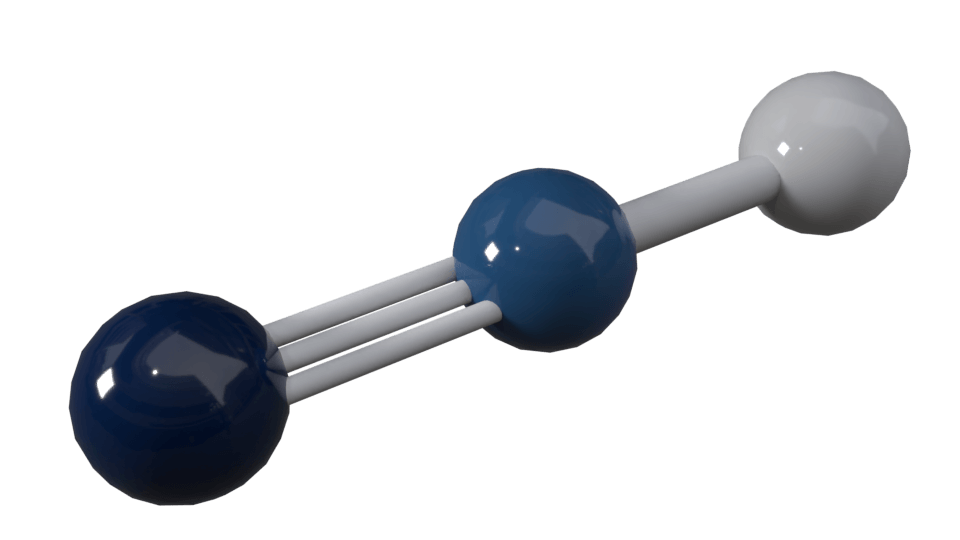
Hydrogen Cyanide (HCN)
Hydrogen cyanide is a volatile and highly toxic gas that is typically released when materials containing nitrogen, such as plastics, foams, wool, or synthetic fabrics, are burned. It is colourless or sometimes pale blue, with a faint almond-like odour. However, not everyone can detect its smell due to genetic variability, making it difficult to identify without instrumentation.
HCN impacts the body’s ability to use oxygen at a cellular level, preventing cells from producing energy and leading to internal suffocation.
A Lethal Synergy
While both CO and HCN are deadly on their own, their combined presence dramatically increases the risk of death. When inhaled together, they create a synergistic toxic effect:
- CO deprives the bloodstream of oxygen by binding with haemoglobin, preventing effective oxygen transport.
- HCN inhibits the body’s ability to utilise the little oxygen that is delivered, by disabling cellular respiration.
Together, this double-hit effect can lead to rapid unconsciousness and death, often within just a few minutes of exposure. This makes the Toxic Twins especially dangerous for first responders, victims trapped in fires, or workers in enclosed environments with poor ventilation.
ARA-X4: Your Toxic Twins Defence
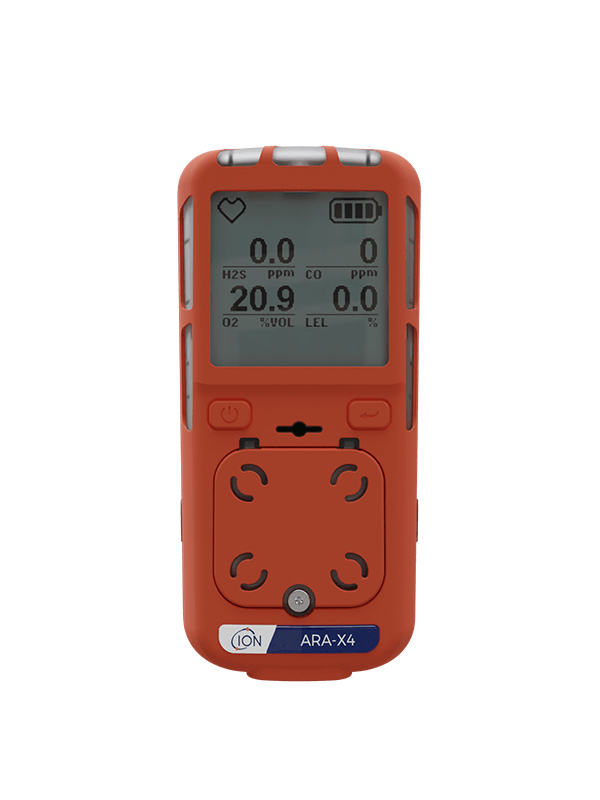
With gases as dangerous as the Toxic Twins, workers need to be confident in their protective equipment. ION Science’s ARA-X4 multi gas detector is the ultimate safety shield against harmful gases. With the flexibility to configure up to four sensors, including CO, HCN, O2 (leaded or lead-free) H2S, SO2, and LEL, ARA-X4 is trusted by workers to ensure safety in first response and confined space applications.
- Multiple Sensor Options
- Flexibility to choose O2 (leaded or lead-free), CO, H2S, LEL, HCN, and SO2 sensors to suit specific application needs.
- Instrument Warranty
- Reliable instrument performance backed by a 5-year warranty
- Safe Mode
- Displays a “SAFE” icon when no alarms are triggered, ensuring peace of mind for operators
- User-Friendly Design
- Green & red backlighting, along with a clear, easy navigable interface
- Flip Screen
- LCD screen features a ‘flip’ function, to flip the screen based in instrument orientation for easy readings
- Simple PC Software
- Easy to navigate for streamlined data logging download and instrument configuration
ARA-X Docking Station
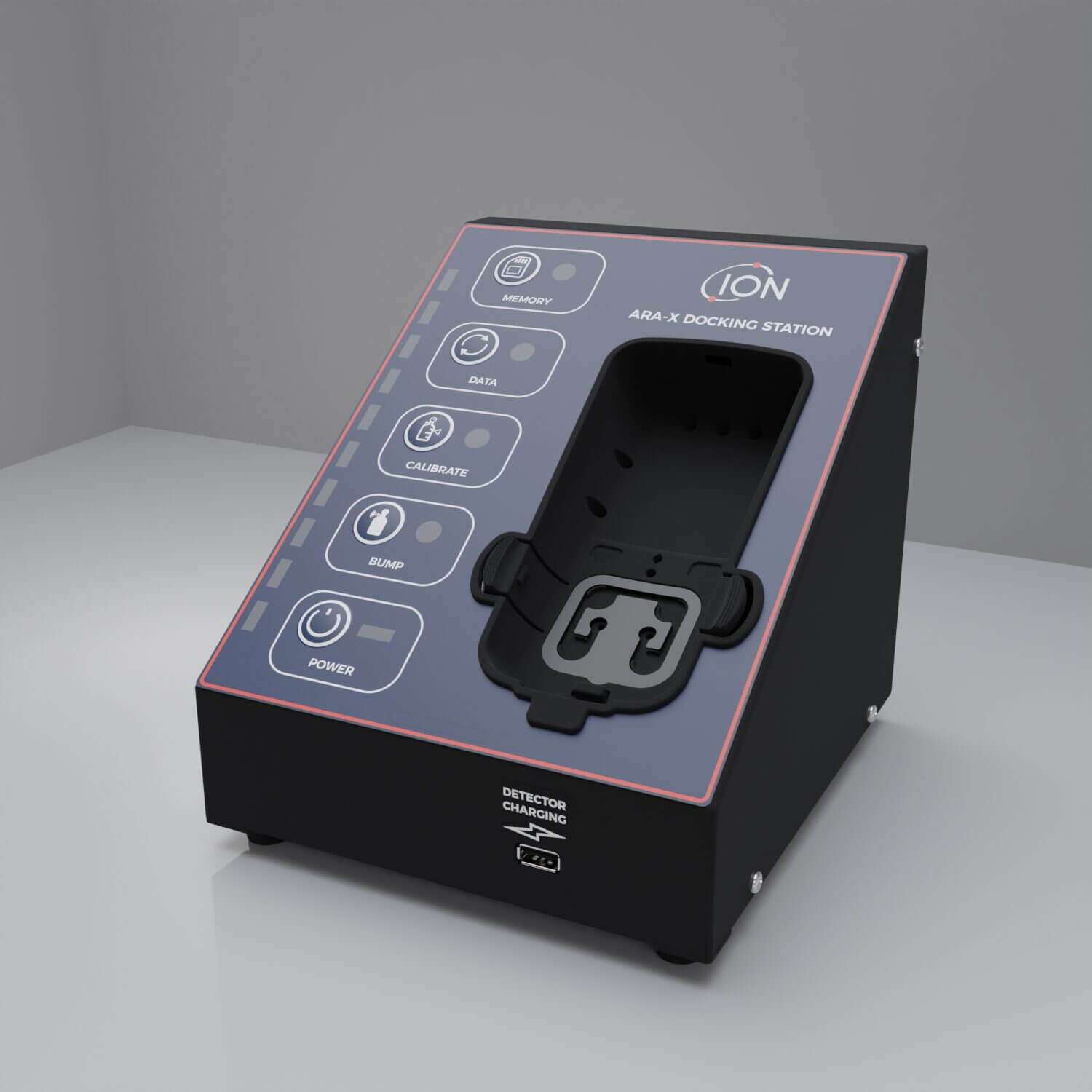
Available to purchase with an accompanying docking station, the ARA-X Docking Station streamlines maintenance of your ARA-X4 multi gas detector, performing essential routine tasks such as bump testing, calibration, and alarm verification.
With multiple gas inlet ports, the ARA-X Docking Station ensures that calibration of your multi gas detector, with any sensor configuration, couldn’t be more efficient. Automatic testing reduces the risk of manual error and ensures that devices are always operating at peak accuracy, providing peace-of-mind that your workforce is protected.
Get in Touch!
Contact Us
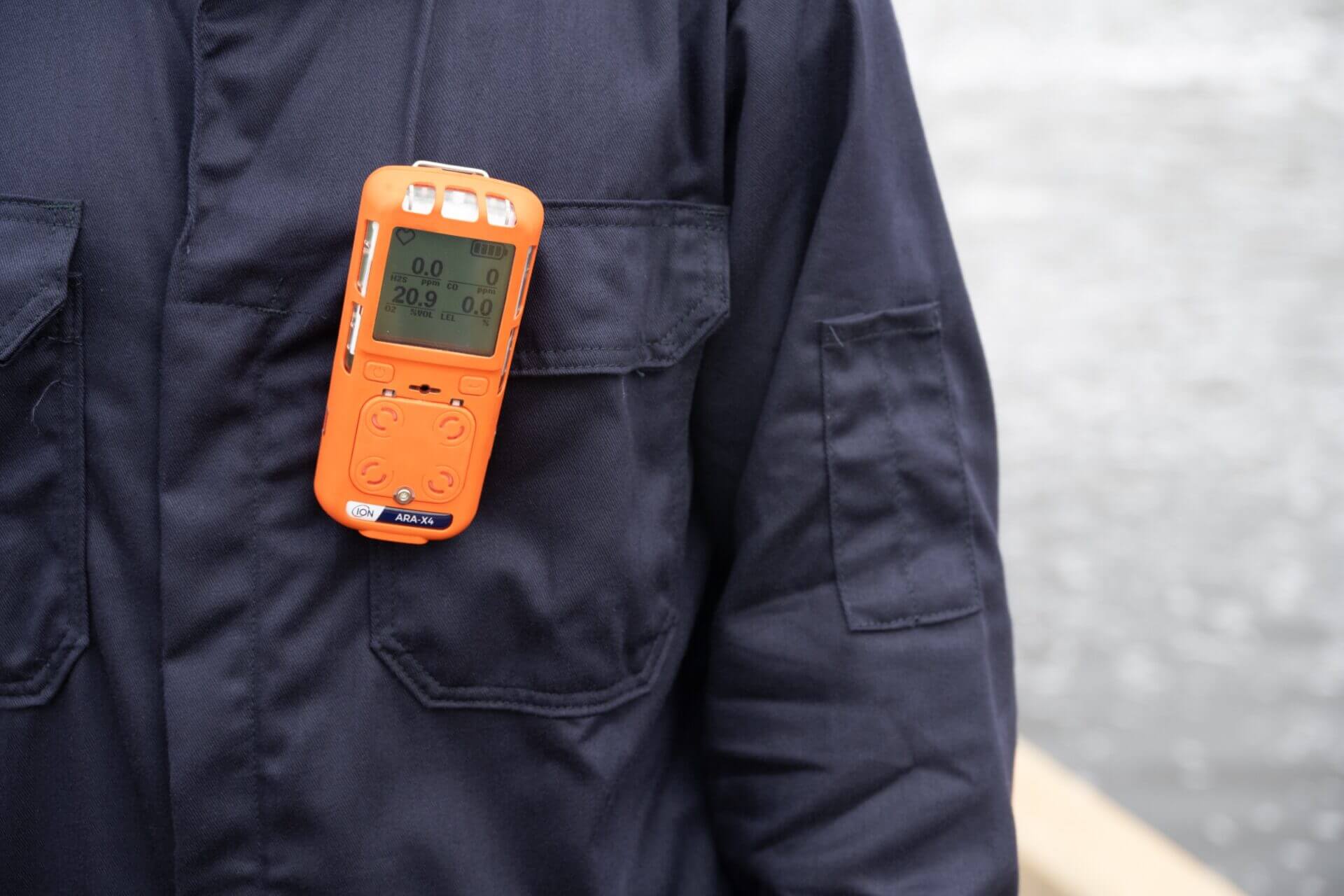
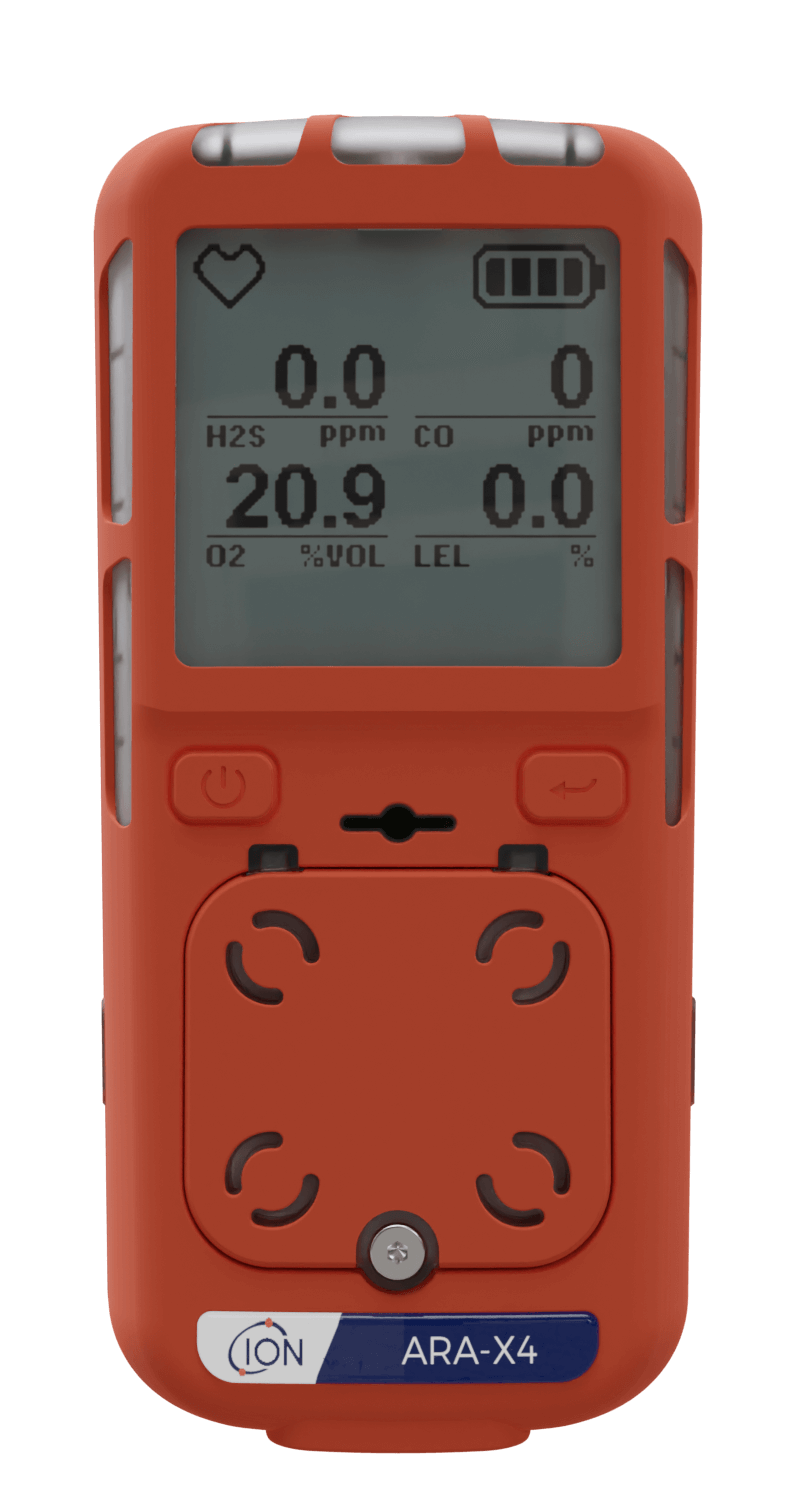
ARA-X4, a robust multi gas detector, is the latest addition to ION Science’s growing personal gas detector portfolio. With worker safety and usability being a paramount focus, ARA-X4 is user-friendly for those who require a trusted, effective, and compliant gas detection solution.
ION Science’s ARA-X4 4-gas compliance monitor is designed for use as a safety device to be worn throughout daily shifts within a range of industry sectors, tailored to detect multiple gas hazards such as oxygen enrichment or depletion, toxic gases, and combustible gases. The ARA-X4 multi gas detector identifies a range of gases for various purposes, creating a robust safety barrier against multiple potential gas-related hazards.
ARA-X4 is perfect for confined space entry and personal health protection, offering real-time monitoring of O2, CO, H2S, HCN, SO2, and LEL levels to ensure compliance with safety regulations. It is available for purchase with the ARA-X4 docking station, which simplifies maintenance for your multi-gas instrument. With automated bump tests, calibration, and alarm testing, compliance becomes effortless with a single-button operation.
ARA-X4 Multi Gas Detector – Key Features
- Multiple Sensor Options
- Flexibility to choose O2 (leaded or lead-free), CO, H2S, LEL, HCN, and SO2 sensors to suit specific application needs.
- Instrument Warranty
- Reliable instrument performance backed by a 5-year warranty
- Safe Mode
- Displays a “SAFE” icon when no alarms are triggered, ensuring peace of mind for operators
- User-Friendly Design
- Green & red backlighting, along with a clear, easy navigable interface
- Flip Screen
- LCD screen features a ‘flip’ function, to flip the screen based in instrument orientation for easy readings
- Simple PC Software
- Easy to navigate for streamlined data logging download and instrument configuration
ARA-X Docking Station
Available to purchase with an accompanying docking station, the ARA-X Docking Station streamlines maintenance of your ARA-X4 multi gas detector, performing essential routine tasks such as bump testing, calibration, and alarm verification.
With multiple gas inlet ports, the ARA-X Docking Station ensures that calibration of your multi gas detector, with any sensor configuration, couldn’t be more efficient. Automatic testing reduces the risk of manual error and ensures that devices are always operating at peak accuracy, providing peace-of-mind that your workforce is protected.

A Legacy of Leadership and Innovation
ION Science Ltd is part of Hive Technologies Group Ltd, a dynamic group encompassing Analox, Shawcity, and ION Science. Under Duncan Johns’ leadership, ION Science has strengthened its market position and significantly expanded its research, development, and manufacturing capabilities. A pivotal part of this growth has been the development of The Hive and The Hive Technology Centre (HTC), state-of-the-art facilities designed to drive future technological advancements. To differentiate its instrumentation division from its sensing technology solutions, ION Science recently launched the ION SENSE sub-brand, reinforcing its commitment to innovation across both product categories.
Duncan Johns: A New Role in Innovation
Duncan remains Hive Technologies Group CEO and transitions to Director of Innovation at ION Science Ltd, reflecting his unwavering commitment to pioneering new technologies and enhancing ION Science’s position as the global leader in PID detection solutions. His vision has been instrumental in shaping the company’s trajectory. In this new role, he will focus on steering the innovation roadmap to ensure ION Science remains at the forefront of the industry. This change complements the existing Board members, reinforcing a collaborative approach to driving technological advancements.
As the incoming Managing Director, Mike Hawes brings a wealth of experience and a deep alignment with the company’s core values and business principles of innovation, quality, and customer focus. His leadership will build upon the strong foundation established by Duncan, ensuring a seamless transition and continued success for ION Science Ltd. Duncan Johns commented on the transition:
“I am incredibly proud of what we have achieved at ION Science over the past 25 years. The company has grown significantly, and our commitment to innovation has never been stronger. Moving into this new role allows me to dedicate my focus to advancing our technology and ensuring we remain the market leader in PID and sensing technologies. I have every confidence in Mike’s leadership and look forward to supporting the next chapter of growth and innovation.”

Welcoming Mike Hawes as Managing Director
Mike Hawes added:
“It is an honour to step into the role of Managing Director at ION Science Ltd. The company’s dedication to innovation and excellence is truly inspiring, and I am excited to build upon the incredible work led by Duncan and the team. ION Science has a strong reputation in the industry, and I look forward to driving its continued success alongside our talented workforce.”

A Future of Growth and Technological Advancements
The Hive Technology Group, under Duncan Johns’ leadership as CEO, continues to foster a culture of innovation and excellence across its subsidiaries. With ION Science’s ongoing commitment to research and development, the company remains poised for a future of technological breakthroughs and sustained market leadership.


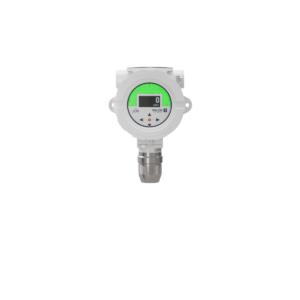
ION Science are excited to introduce FALCO 2 11.7 into our product offering. FALCO 2 11.7 is a fixed photoionisation detector with a high-energy 11.7 eV lamp, ideal for measuring notoriously difficult compounds such as methylene chloride, ethylene oxide, and dichloromethane.
The newest addition to ION Science’s FALCO 2 generation, FALCO 2 11.7, is set to revolutionise fixed PID monitoring. Equipped with a 60-second duty cycle to optimise lamp performance and increase longevity, FALCO 2 11.7 ensures superior operational efficiency and a maximised lifetime.
Engineered for durability and cost-effectiveness, FALCO 2 11.7 excels even in the most demanding environments. It operates seamlessly under high-humidity conditions, ranging from 0-99% RH, and remains reliable in challenging industrial settings. Its advanced technology guarantees precise and consistent VOC detection, making it the perfect solution for industries that prioritise trustworthy, efficient, and cost-effective monitoring systems.
Common applications for FALCO 2 11.7 include:
- Solvent and Chemical Storage
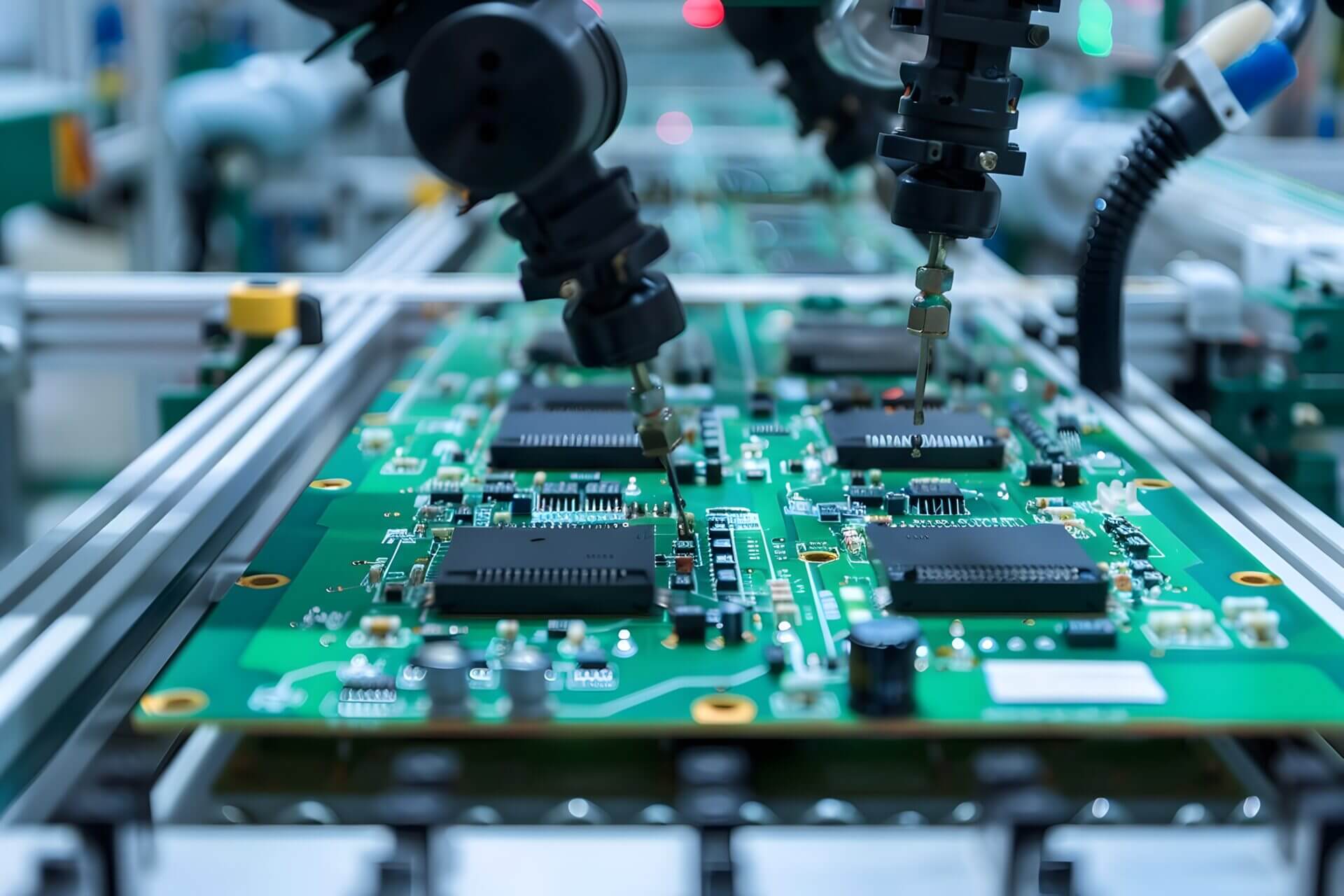
- Li-ion Battery Manufacturing and Storage
- Leak Detection
- Occupational Health and Safety
- Indoor Air Quality Monitoring
- Fenceline Monitoring
- Air Handling Performance
- Process Monitoring Specification

The FALCO 2 Range
FALCO 2 11.7 eV is the latest addition to ION Science’s FALCO 2 range. Explore the full range below:
| Hide | |||||
|---|---|---|---|---|---|
| Comparative
specifications |
 |
|
|
|
|
| Detection Range (ppm) |
0-200 |
0-50 |
0-50 (TAC) |
0-1000 |
0-3000 |
| Stack | White | Orange | White + Gold Spot | White | Orange |
| Lamp | 11.7 eV | 10.6 eV | 10.0 eV | 10.6 eV | 10.6 eV |
| Calibration Points | 2-point | 2 -point | 2 -point | 3 -point | 3 -point |
| Sensitivity (ppm) | 0.1 | 0.01 | 0.01 | 0.1 | 1 |
| Product Details | Product Details | Product Details | Product Details | Product Details |
Be the first to hear
Want to receive the latest updates on FALCO 2 11.7? Enter your contact details below and be the first to know!
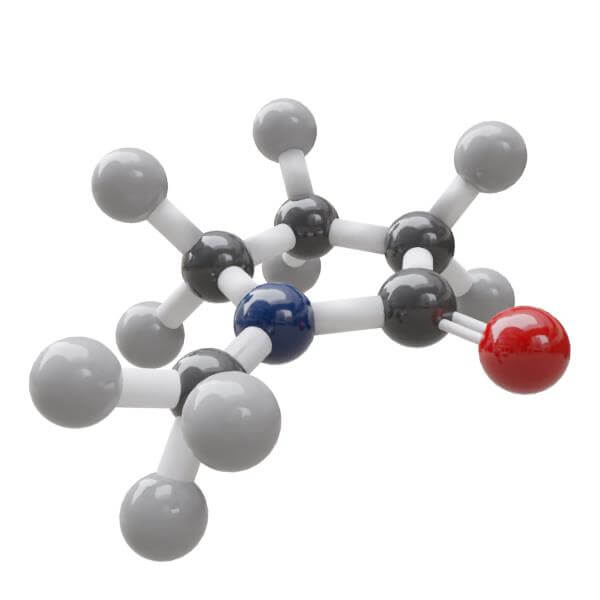
N-Methyl-2-Pyrrolidone (NMP) is a widely used solvent across many industries due to its solvency power and high boiling point. While NMPs efficacy is undisputed, the compound poses many health and environmental risks.
Effects of Short & Long term Exposure to NMP
SHORT TERM EXPOSURE: (ACUTE)
Exposure to NMP, even for a short duration, can cause acute health effects depending on the level and mode of exposure (inhalation, dermal contact, or ingestion) including:
- Respiratory Effects
- Neurological Symptoms
- Skin and Eye Irritation
- Gastrointestinal Distress
LONG TERM EXPOSURE: (CHRONIC)
Chronic exposure to NMP, especially in occupational or high-exposure environments can result in more severe and potentially irreversible health effects such as:
- Central Nervous System (CNS) Damage
- Reproductive and Developmental Toxicity
- Dermatological Effects
- Organ Toxicity
- Carcinogenic Potential
Learn More
Want to learn more about NMP, where it is commonly found, and how ION Science provides the most accurate and reliable monitoring solution on the market? Click the button below:

Get in Touch
Are you looking for a reliable, accurate solution for the detection of NMP? Fill out the form below and an expert member of our team will be in touch to discuss your requirements.
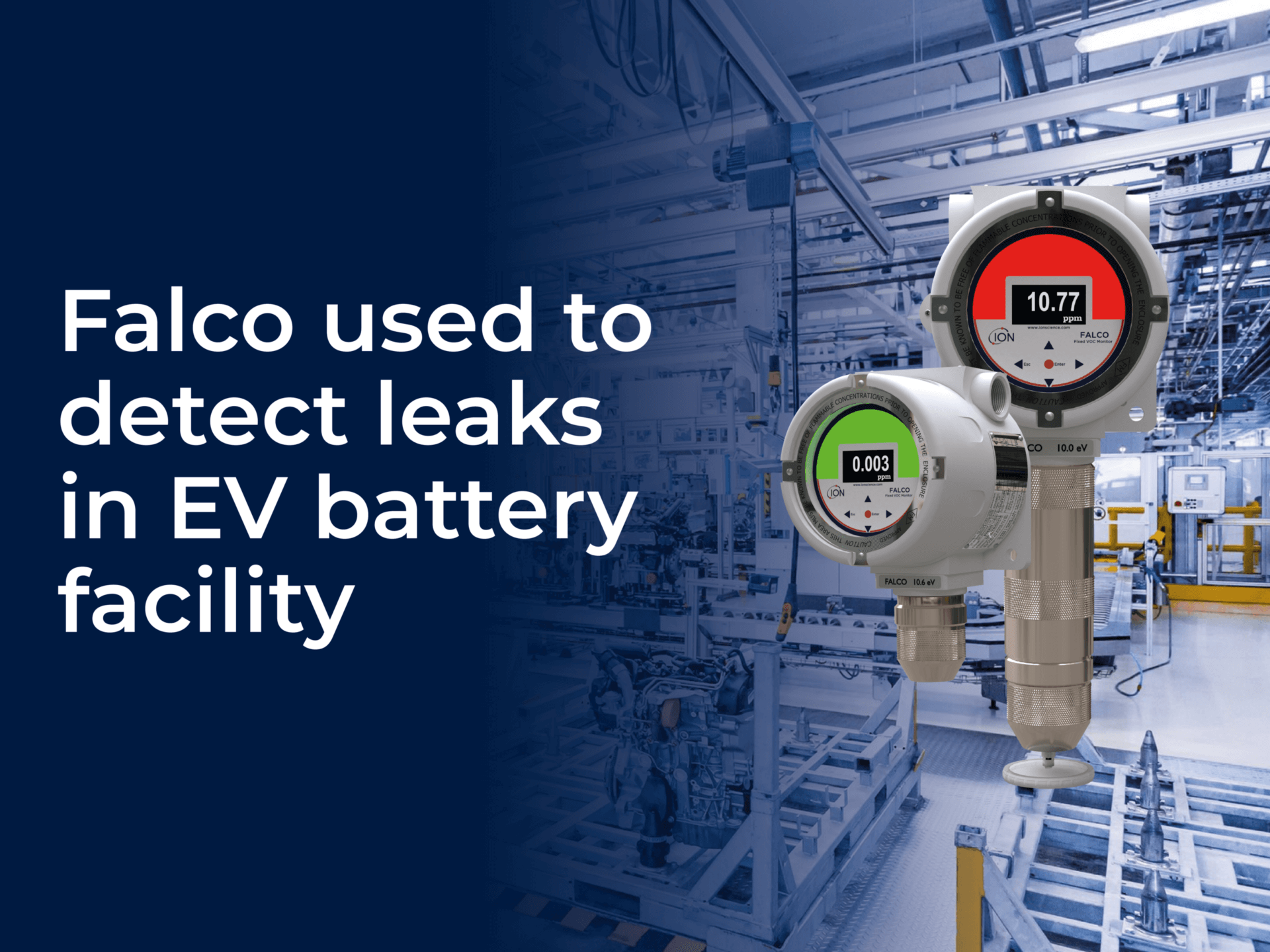
Falco Fixed VOC Gas Detector is being used across the globe to monitor and detect hazardous gas leaks in the manufacturing process of electric vehicle (EV) batteries.
Introduction
Back in 2020, the UK Government took a huge step forward to achieve net-zero by announcing a ban of sales of new petrol and diesel cars by the 2030. This announcement has put the UK on course to be the fastest G7 country to decarbonise cars and vans. A 2 phase approach will be put in place to achieve this target. Step 1) Phase out the sale of new petrol and diesel cars and vans by 2030. Step 2) Every newly manufactured car and van to emit zero emissions from 2035. Between 2030 and 2035, the sale of new cars and vans will be permissible if they possess the capability to travel a considerable distance without emissions, such as plug-in hybrids or full hybrids. Source: www.gov.uk
With less petrol and diesel vehicles being manufactured, the world turns to the need for electric vehicles. There are multiple benefits of owning and using an electric vehicles, including:
- Reduced Emissions: Electric Vehicles produce zero emissions, meaning they don’t have a negative impact on air pollution and greenhouse gases.
- Lower Operating Costs: Eletricity is generally cheaper than gasoline or diesel, resulting in lower fuelling costs.
- Convenience: Many Electric Vehicle owners can charge their vehicle at home, meaning they can simply plug in their vehicle and charge it over night.
Lithium-ion batteries and the associated dangers
Electric vehicles are the short to medium term future of transportation, offering numerous advantages over traditional internal combustion engine vehicles, including reduced greenhouse gas emissions and improved air quality. However, the production of the lithium-ion batteries that power these vehicles comes with its own set of challenges, particularly in terms of safety.
High-capacity lithium-ion batteries, commonly found in electric vehicles, have the capability to recharge fully with minimal energy loss. They are typically composed of carbon or graphite, a metal oxide, and lithium salt, which constitute the positive and negative electrodes. These components are combined with electrolytes to facilitate the flow of electric current. At the end of their useful life, these batteries can be disassembled, allowing for the reuse of raw materials, with approximately 80 percent of the components being recyclable.
The primary components within lithium-ion batteries used in electric cars include the anode, cathode, separator, electrolyte, and lithium ions. EV battery cells typically contain approximately 17 pounds of lithium carbonate, 77 pounds of nickel, 44 pounds of manganese, and 30 pounds of cobalt. It is noteworthy that lithium is the most crucial component in EV batteries, and there is currently an unprecedented demand for this material.
Lithium-ion batteries are known for their high energy density and rechargeable nature, offer versatile applications but also pose risks that require attention. Potential hazards include thermal runaway, wherein the battery can overheat and even explode if damaged or exposed to high temperatures. Short circuits may lead to fires, and physical damage such as membrane punctures can cause internal harm. Overcharging, overheating, manufacturing defects, chemical reactions, aging, and external factors can also compromise battery safety.
The ION Science photoionisation detection (PID) sensors are able to detect potential problems before they occur in the manufacture and use of Li-ion batteries and the enormous variety of devices that use rechargeable batteries. With our ever-evolving digital age, the safe utilisation of Li-ion batteries is of paramount importance to manufacturers and customers. Click here to read the full ‘Li-ion battery risks reduced by VOC sensors’ blog.
Falco: The Cutting-Edge Fixed VOC Monitor
The Falco Fixed VOC Gas Detector continuously detects a wide range of volatile organic compounds (VOCs) and total aromatic compounds (TACs) using patented photoionisation detection (PID) technology. This fixed instrument plays a crucial role in ensuring the safety of works and the overall manufacturing process when producing lithium-ion (li-ion) batteries for electric vehicles (EVs). Falco is being used in multiple stages of the EV battery manufacturing process but is increasing being used to detect any leaks in individual cells. If a leak occurs, it could lead to a fire or even an explosion, therefore, it is essential that no leaks are present. The Falco Fixed VOC Gas Detector is used to detect the presence of any leaking gases at an early stage, reducing the changes of any life threatening accidents later down the line.
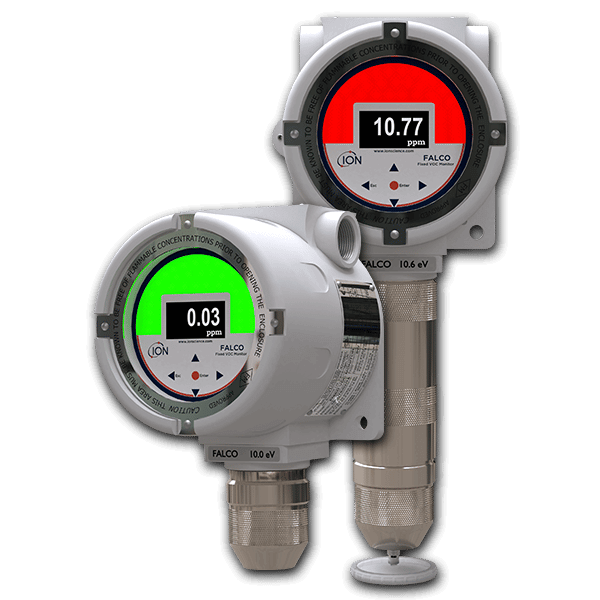
Key Features of Falco include:
High Sensitivity
Falco boasts a high sensitivity to a wide range of VOCs, ensuring that leaks are detected promptly.
Continuous Monitoring
It provides real-time, continuous monitoring, allowing for immediate response to any abnormal levels of VOCs.
Customisable Alarms
Falco allows for customisable alarm settings, alerting facility personnel when VOC concentrations exceed safe levels.
User-Friendly Interface
The user-friendly interface makes it easy for operators to set up and use the device efficiently.
Low Maintenance
Falco requires minimal maintenance, reducing operational costs and downtime.
Multiple Output Options
Falco has 2 programmable relays, 3 – 20 mA output and RS485 MODBUS.
Certified
Falco is ATEX, IECEx and QPS certified.

Protecting Lives and Preserving the Environment
The implementation of Falco fixed VOC monitors in EV battery manufacturing facilities is not just about compliance with safety regulations; it’s also about ensuring a sustainable future. These monitors help in preventing VOC emissions into the atmosphere, which can have long-term adverse effects on air quality and climate change. By promptly detecting and addressing leaks, EV battery manufacturers contribute to a greener and more sustainable world.
At the heart of ION Science’s business vision lies a simple yet powerful mission:
…..
“To protect lives and preserve the environment”.
This encapsulates their unwavering commitment to creating products and solutions that enhance safety while minimising environmental impact. For years, ION Science has been at the forefront of the industry, offering accurate and reliable technology that detects harmful gases and volatile organic compounds (VOCs), making workplaces safer and ensuring a healthier planet.
Conclusion
As the electric vehicle revolution accelerates, the importance of safe and sustainable battery manufacturing cannot be overstated. Falco, the cutting-edge fixed VOC monitor, stands as a beacon for the industry. With its highly sensitivity, real-time monitoring, and remote access capabilities, it is revolutionising how EV battery manufacturing facilities protecting their workforce and the environment.
By choosing Falco, these facilities are not only complying with safety regulations but also actively contributing to a cleaner and healthier planet. As the EV industry continues to grow, Falco will continue to play an indispensable role in safeguarding both the workforce and our shared future.
Contact us today
To discuss with the instrumentation team how Falco can be used in your application.

Due to advanced PID Sensor technology, safety hazards associated with Li-ion battery storing and usage can be mitigated, allowing safety measures to be implemented.
Sensitive photoionisation detection (PID) sensors are able to detect potential problems before they occur in the manufacture and use of Li-ion batteries and the enormous variety of devices that use rechargeable batteries. With our ever-evolving digital age, the safe utilisation of Li-ion batteries is of paramount importance to manufacturers and customers.
The risks posed by Li-ion batteries have been highlighted by a number of high-profile incidents hitting mainstream media. Famously, in 2016, around 2.5 million mobile phones were recalled after complaints of overheating and exploding batteries. Extensive investigations revealed insufficient insulation material within the batteries and a design that did not provide sufficient space to safely accommodate the batteries’ electrodes were the main catalysts for these incidents. As a result of the magnitude of this problem, and the global publicity which ensued, demand grew for sensing technology that can detect faulty Li-ion batteries, both during production and operation.
The main safety concern associated with failing Li-ion batteries is the ignition of the battery cell. Not only does this pose an immediate acute (short-term) hazard to individuals, but over long periods of time can cause the emission of toxic gases. These gases include volatile organic compounds (VOCs), meaning sensitive VOC sensors can be used to check the condition of these batteries – either within portable detectors or in process/plant monitoring equipment.
The anode in rechargeable Li-ion batteries is typically graphite, the cathode is a metal oxide, and the electrolyte is usually a lithium salt in a (flammable) organic solvent. This electrolyte includes compounds such as ethyl methyl carbonate (EMC) which is known to be among the gases emitted by a faulty Li-ion battery. Conveniently, EMC can be detected by ION Science’s PID, so the developers of monitoring systems and equipment are able to design technologies that utilise ION’s MiniPID sensors.
The RFs for VOCs commonly used in Li-ion battery electrolytes are presented in Table 1: Evaluation of chemicals used in lithium-ion batteries.
|
VOC |
Boiling Point oC |
RF |
Sat. vapour pressure @ 25 oC bar |
Prospective maximum response, ppm (IBE) |
Measured spike response, ppm (IBE) |
|
Dimethyl carbonate |
91 |
65 |
0.07 |
1000 |
80 |
|
Ethyl methyl carbonate |
107 |
18 |
0.035 |
2000 |
240 |
|
Diethyl carbonate |
127 |
7.5 |
0.015 |
2000 |
390 |
|
Vinylene carbonate |
162 |
3.5 |
0.0033 |
1000 |
480 |
|
Butylene carbonate 1,2- |
238 |
18 |
0.0002 |
1 |
10 |
|
Propylene carbonate |
242 |
15 |
0.0002 |
1 |
80 |
|
Ethylene carbonate |
243 |
>50 |
0.0003 |
0.5 |
<1 |

Due to their specificity, PID sensors are the most commonly employed technology for the detection of VOCs, and ION’s MiniPID range includes the most sensitive PID sensor in the world, which makes it ideal for the detection of trace leaks from faulty Li-ion batteries.
Summarising, Peter Morris from ION Science says:
“Prospective customers for our PID sensors in Li-ion battery applications include the developers of portable instruments, as well as the designers of monitoring systems for processes within battery manufacturing, as well as in the manufacture of EVs, e-bikes, laptops, tablets, phones and many others.”

Contact us today
To discuss with the sensing team how we’re reducing risks and protecting lives in the electric vehicle, e-bike, and electronics industries and how we can support you: