
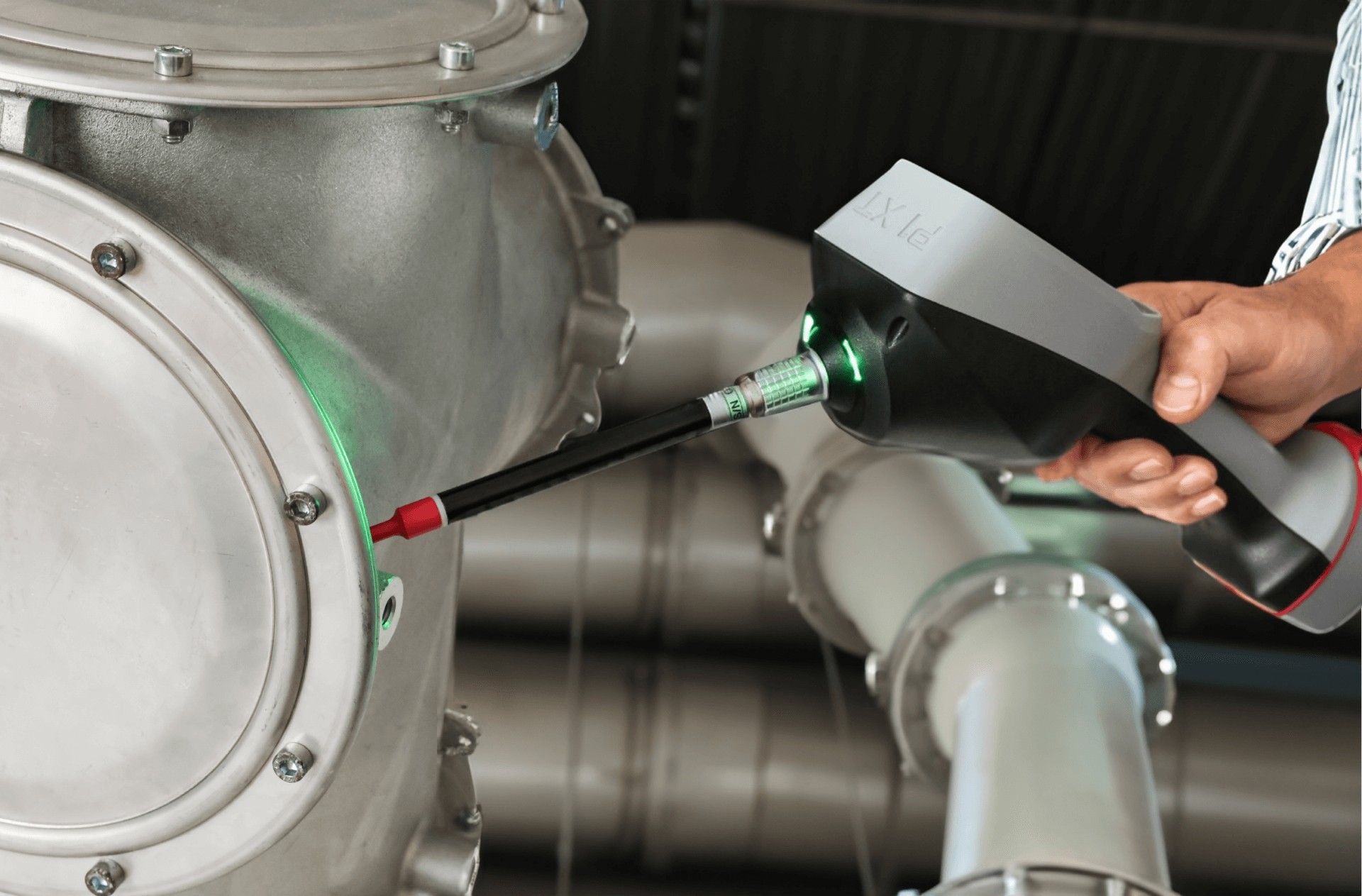
Introducing SF6 LEAKCHECK P1 XTL: The Ultimate Solution for Detecting SF6 and now C4-FN Leaks
Gas leak detection just took a giant leap forward with the introduction of SF6 LEAKCHECK P1 XTL. This innovative solution is purpose-built to tackle a critical customer problem:
Identifying SF6 and C4-FN leaks with unmatched precision and efficiency.
Sulfur hexafluoride (SF6) remains the default gas widely employed as a highly effective insulator in medium and high voltage switchgear, as well as electricity transmission and distribution systems across the world. However, SF6 is also among the most potent greenhouse gases, making leak testing a critical operational activity. In a groundbreaking development for the field of gas leak detection, we are proud to unveil the SF6 LEAKCHECK P1 XTL, a truly portable, precise, and highly sensitive instrument designed to address this crucial need.
Beyond SF6: Expanding Detection Capabilities
SF6 P1 XTL goes beyond the confines of sulfur hexafluoride and is now capable of efficiently detecting C4-FN (Chemical formula:C4F7N), this additional upgrade feature expands the solution to address your diverse gas detection needs.
A Comprehensive Approach to Leak Detection
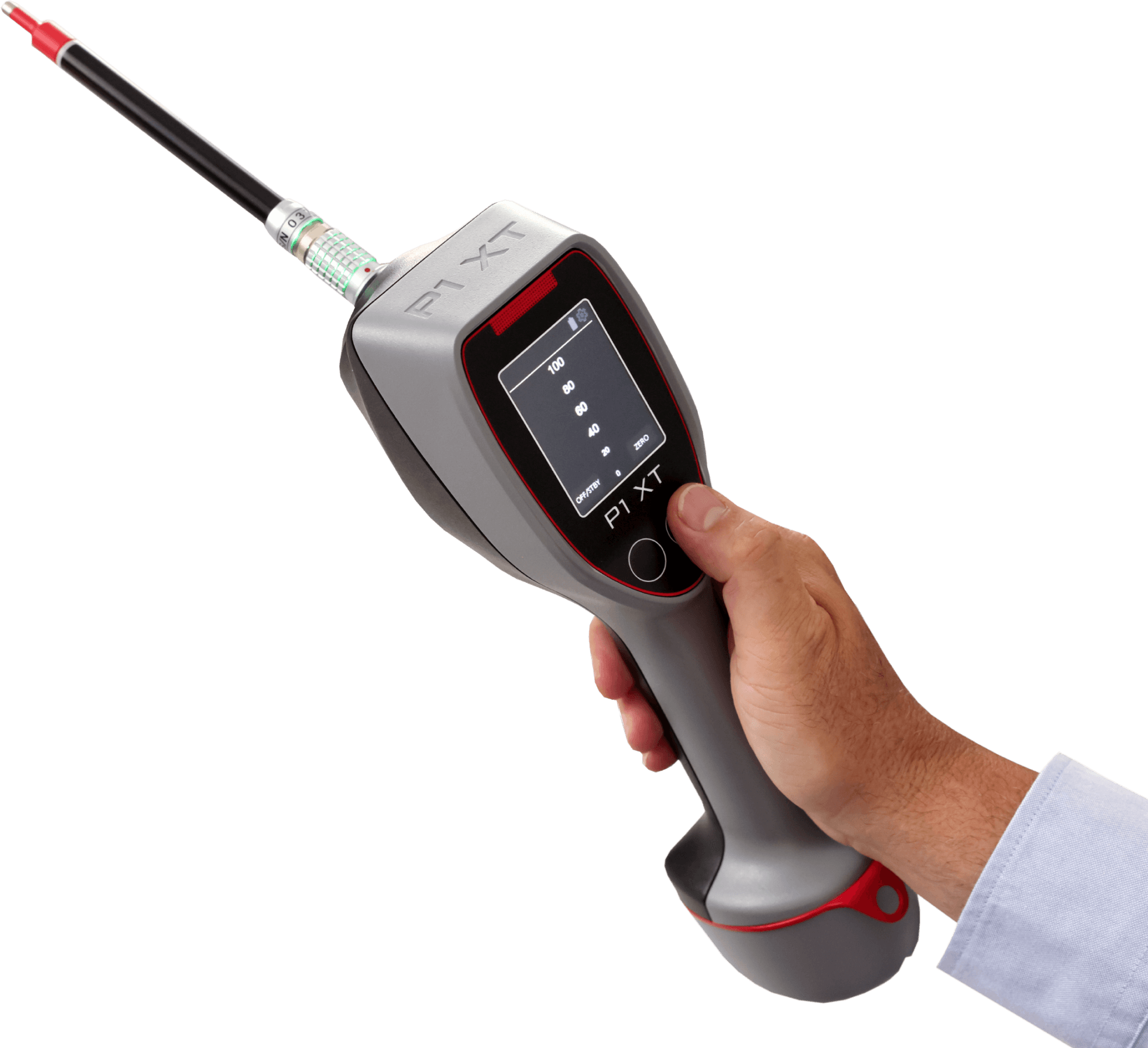
SF6 LEAKCHECK P1 XTL represents the pinnacle of innovation and engineering excellence. Encased in a rugged trolley-style Peli Protector Case, complete with a docking station for the wireless Handgun. This instrument guarantees maximum reliability and ultimate ease of use. Every vital parameter, including sample flow rate, is continuously monitored and regulated. The leak detector is designed to proactively identify gas leaks. By default, the instrument is set in ‘search mode’, featuring a rapid bar graph display on the handheld unit. This ensures that no leak, no matter how minor, goes unnoticed.
Why SF6 LeakCheck P1 XTL?
Combined with the above capabilities, SF6 LeakCheck P1 XTL hosts a wealth of beneficial
features, including;
• Going beyond the confines of SF6, capable of efficiently detecting C4-FN
• Wireless handgun which requires no warm-up time
• Measures leak rates down to 1×10⁻⁷ ml/s on the standard model, and 1×10⁻⁸ ml/s on the HIGHSense model.
• Detects leaks in less than 0.5 seconds
• Default ‘search mode’ ensures that no leaks go unnoticed.
• Replacable SmartSensor with a lifetime of up to 300 hours.
Remarkable Sensitivity: A Reliable Partner
Boasting exceptional sensitivity for both leak rates and gas concentrations, SF6 LEAKCHECK P1 XTL is your reliable partner. The SF6 LeakCheck P1 XTL is available in two sensitivity models: the Standard model with a sensitivity of 1×10⁻⁷ ml/s and the HIGHSense model with a sensitivity of 1×10⁻⁸ ml/s. This exceptional sensitivity enables the swift detection of even the smallest leaks, ensuring the safety of workforces from SF6 exposure. Featuring a tough, slimline, trolley-style protector case facilitates easy mobility, making it an ideal choice for a wide range of industries.
Even in scenarios where it is exposed to high gas concentrations, the instrument is robust with a quick recovery time bouncing back without compromising sensitivity, accuracy, or
response time. Thanks to the award-winning Negative Ion Capture (NIC) Technology, the SF6 LEAKCHECK P1 XTL demands no warm-up or stabilisation time, delivering a lightning fast T90 response of under 0.5 seconds.
Precision at Your Fingertips: Measuring Mode
When a leak is localised, a simple button press transitions the instrument to ‘Measuring Mode,’ with the handheld display transforming into a numerical readout. This enables precise leak measurement, with the leak rate displayed directly on the handgun screen.
For your convenience, all components subject to wear are conveniently placed in the exchangeable SmartSensor. It can be replaced within seconds, while the rest of the system requires virtually no maintenance over extended periods.
When SF6 LeakCheck P1 XTL is registered on the ION Science website, customers can enjoy 2 years of extended warranty, providing peace of mind that your instrument is covered. SF6 LEAKCHECK P1 XTL is the solution to your gas leak detection needs.
Redefine worker safety and environmental monitoring, with this high-precision, groundbreaking innovation.

ION Science has successfully secured a contract to supply 4000 ARA H2S units within the Onshore and Offshore Oil, Gas and Petrochemical Industry.
ION Science is thrilled to announce that we have been awarded a significant contract to supply 4000 ARA H2S units to a valued customer in the United Arab Emirates (UAE).
Securing this contract was highly competitive, with the two key deciding factors being:
- Price
- Fast Delivery
Pricing is always a critical factor in the decision-making process, however, a key differentiator was our proven capability to meet the customers urgent delivery requirements. Additionally, we committed to completing the first shipment of ARA units to the customer within a remarkably short timeframe. ION Science’s continued ability to deliver competitive pricing and rapid delivery is driving the popularity of the full ARA range.
ION Science delivers customers a dependable supply chain, efficient production processes, and a dedicated global network there to meet customer need promptly and reliably.
Our success in securing this contract highlights the trust and confidence our customers place in ION Science, and we are proud to support their operations with our H2S and single gas detection technology.
We look forward to building on this success and continuing to provide exceptional service and innovative solutions to our customers worldwide.
ION Science’s ARA Range
ARA is a personal, disposable, single gas detector for H2S, CO, SO2, and O2 that provides instantaneous alarms for life-critical safety scenarios.
ION Science’s ARA single gas detectors are safety compliance devices for daily use across various industries, including oil & gas, chemical, manufacturing, and more. They ensure safety in applications like site-wide monitoring, confined space entry, plant shutdowns, and emergency response by alerting users to unsafe gas levels, thus enhancing worker safety and efficiency.
Learn more about our ARA range here.

Ready for unbeatable prices and fast delivery? Contact us today!
Have a question or enquiry relating to ARA? Complete the form below to be connected with your local ION Science representative!

Every year on April 7th, the world comes together to celebrate World Health Day, an initiative by the World Health Organization (WHO) that provides an invaluable opportunity to come together and advocate for effective, sustainable health policies and practices.
This year, the theme “My Health, My Right” underscores the fundamental principle that everyone, regardless of their background or circumstances, has the right to live in environments conducive to good health.
In a world constantly grappling with various health challenges, from infectious diseases to environmental pollution, this theme serves as a reminder of the importance of prioritising individual health rights. It emphasises the need for governments, organisations, and individuals to work collaboratively to ensure that health is treated as a fundamental human right, not a privilege.
ION Science exemplifies this commitment to promoting health rights with a dedication to protecting lives and preserving the environment, aligning closely with the key theme of World Health Day 2024 and beyond.

Cleaner Air: Ensuring cleaner air is essential for safeguarding public health, and our sensing technology plays a vital role in this endeavour. ION Science’s range of MiniPID sensors is widely recognised as the best available PID sensors, thanks to our industry-leading sensitivity, reliability, and accuracy in VOC detection. By improving the technology available, it’s possible to better monitor emissions that negatively impact health and the environment. ION Science’s MiniPID sensor technology is ideal for air quality and emissions monitoring purposes, due to the patented ‘Fence Electrode Technology’ found in all ION Science MiniPID sensors, to eliminate false positives. The Fence Electrode guards the sensing electrodes against short circuits, and false negatives are also minimised through a combination of advanced electrode geometry and moisture filtering.
The three MiniPID sensor variants that are most suitable for air quality monitoring, to support cleaner air are:
MiniPID 2 PPB Sensor: Sets the standard for low-end parts per billion (ppb) sensitivity, ensuring precise detection of volatile organic compounds (VOCs) in various environments. With its wide dynamic range, this sensor excels in measuring indoor and outdoor air quality across diverse settings, providing accurate data for informed decision-making.
MiniPID 2 HS Sensor: Offers unrivalled sensitivity that stands out as the epitome of sensing technology, setting the bar as the most sensitive VOC sensor available. Tailored for high-sensitivity applications, this sensor enables sub-parts per billion (ppb) measurements, offering unparalleled precision in detecting volatile organic compounds (VOCs) in diverse environments.
MiniPID 2 10.0 eV Sensor: Enables targeted detection establishing it as the ideal solution for environments demanding precise measurement of highly toxic VOCs like benzene, toluene, ethylbenzene, and xylene. With its specialised focus on selective detection, this sensor empowers users to pinpoint and monitor specific volatile organic compounds, ensuring enhanced safety and risk management in targeted applications.
Utilising MiniPID sensors alongside advanced gas sensing technology has proven to be a powerful approach to monitoring air quality and emissions, crucial for safeguarding both human health and the environment. ION Science remains steadfast in its dedication to saving lives and conserving the environment by providing innovative gas-sensing solutions to enhance air quality monitoring and preservation efforts.
Safer Work Environment: In the realm of safeguarding workplaces from hazardous levels of toxic and explosive gases, the creators and innovators behind gas detection instruments and systems play and imperative role.
Safeguarding workplaces is paramount to prevent dire consequences resulting from the failure to protect work environments. Professionals play a crucial role in upholding organisations’ duty of care and ensuring the safety and well-being of employees.
In response to this imperative need for reliability and precision, ION Science remains dedicated in its commitment to providing superior-grade gas detection and sensing technology. Our solutions stand as the epitome of reliability on a global scale, empowering organisations to fulfil their duty of care with confidence, knowing they have the most precise and reliable sensing technology at their disposal.
Effective monitoring is essential for promptly identifying risks to both industrial facilities and the workforce. Accurate and dependable measurements serve as the cornerstone of this process, enabling operators to assess potential hazards and take proactive measures to mitigate them. Allowing organisations to address identified issues swiftly and effectively. Additionally, it enables operators to evaluate the efficacy of implemented measures, ensuring continuous improvement in workplace safety standards.
Our fixed gas monitoring products, such as the Falco, are designed to provide comprehensive monitoring capabilities across various industrial settings. The Falco can detect a wide range of hazardous gases, including volatile organic compounds (VOCs), hydrogen sulphide (H2S), and carbon monoxide (CO), among others. With real-time data monitoring and customisable alarm settings, employers can promptly respond to potential gas leaks or unsafe conditions, ensuring the safety of their site and workforce.
In addition to fixed gas monitors, our wearable gas detection devices, including the Cub and the ARA (O2 Single Gas Detector , SO2 Single Gas Detector, HS2 Single Gas Detector & CO Detector) range, offer wearable safety solutions for individual workers. The Cub is a portable PID VOC monitor that can be worn by workers to continuously monitor their immediate environment for harmful gases. Its compact design and intuitive interface make it ideal for personal use, providing peace of mind and enabling proactive safety measures.
By combining fixed gas monitoring solutions like the Falco with wearable devices such as the Cub and ARA range, employers can create a layered approach to gas detection, enhancing overall workplace safety. Our advanced gas detection technology not only protects workers from immediate hazards but also contributes to a culture of safety and accountability within the organisation. Ensuring employers can confidently provide safer work environments, safeguarding the health and well-being of their employees.
Commitment To Sustainability: At Ion Science, our commitment to sustainability extends beyond providing innovative solutions for health and safety. We recognise the importance of minimising our environmental footprint and actively work towards sustainable practices in our operations and product development.
From implementing energy-efficient manufacturing processes to reducing waste and emissions, we strive to minimise our impact on the environment. Our dedication to sustainability is evident in initiatives such as our ISO 14001 certification, which ensures that environmental management is integrated into our business processes.
Our products are designed with longevity and efficiency in mind, promoting resource conservation and reducing the need for frequent replacements. For example, our gas detection instruments are built to withstand harsh conditions and undergo rigorous testing to ensure durability, thereby reducing waste and contributing to a circular economy.
In addition to our internal efforts, we support sustainability initiatives within the communities we serve. Whether through charitable donations, volunteer programs, or partnerships with environmental organisations, we aim to make a positive impact beyond our business operations.
Whilst we continue our journey towards sustainability, we remain committed to innovating responsibly and prioritising the health of both people and the planet. Together, we can build a more sustainable future for generations to come.
Want to Learn More?
As we commend World Health Day 2024, it’s imperative to recognise the interconnectedness of individual health, environmental health, and occupational health. By embracing the theme “My Health, My Right,” and actively pursue cleaner air, and safer workplaces, we can create a world where everyone can enjoy the basic human right to health and well-being.
Initiatives like World Health Day serve as important reminders of the ongoing global efforts to prioritise health rights for all individuals. Through collaborations between organisations like ION Science and initiatives led by WHO, we can strive towards a healthier, more equitable future for generations to come.
If you would like to learn more about World Health Day 2024, click here.

Are you prepared for upcoming benzene workplace exposure limit (WEL) changes?
In an effort to reduce acute and chronic illness caused by exposure to harmful substances, many governing bodies are making changes to workplace exposure limits (WELs). WELs have been key in protecting the lives of workers, and with the upcoming limit changes, it shows we are heading in the right direction when it comes to the safety of both the workforce and the environment.
What are the main changes to Workplace Exposure Limits Surrounding Benzene?
Many countries are planning to reduce WELs for Benzene, and some of these plans have already been approved for implementation very soon. Countries in the EU, for example, are being guided by new WELs which will come into effect as early as April 2024, where the TWA (8 hours) for benzene will be reduced from 1ppm to 0.5ppm under guidance from the EU Directive. This TWA will be slashed further in April 2026 to just 0.2ppm.
For more information on legislation surrounding benzene exposure, download our Benzene Legislation Guide today.


ION Science have created a chart detailing over 1000 PID response factors (RFs) that use either a 10.0 eV, 10.6 eV and 11.7 eV lamp.
This downloadable response factor chart serves as a comprehensive reference, providing you with essential gas information including gas names, formulas, CAS numbers, ionisation energies, and recommended lamp variants.
It addresses the needs of researchers and industry professionals by offering swift access to information on specific gases that PID can detect. Plus, the inclusion of detailed chemical formulas proves advantageous for individuals engaged in a spectrum of chemical processes.
The chart includes RFs for important chemicals, listed by their common names, but CAS numbers are recommended for precise identification. RFs are guideline figures, subject to variation based on PID design and operating conditions. ION Science advises calibrating the instrument to the target gas at the desired measurement concentration for accuracy.
Users should exercise caution in measuring PID responses at high or low concentrations, considering non-linearity, sensor clear-down time, and potential contamination of the PID window. Frequent calibration or bump tests are recommended, especially for less common volatiles. RFs labeled as ‘ZR’ indicate zero response, and ‘NA’ signifies an unavailable or insignificant value at toxic concentrations.
The RFs of many chemicals have been measured at ION Science typically with 10 and 50 ppm of the target volatile, using ten PIDs containing lamps of different photon energy and intensity and of different sensor designs. Generally, 50 ppm responses have been used. These RFs are indicated in bold in the chart.
Complete the form below to receive your copy of the PID Response Factor Chart.
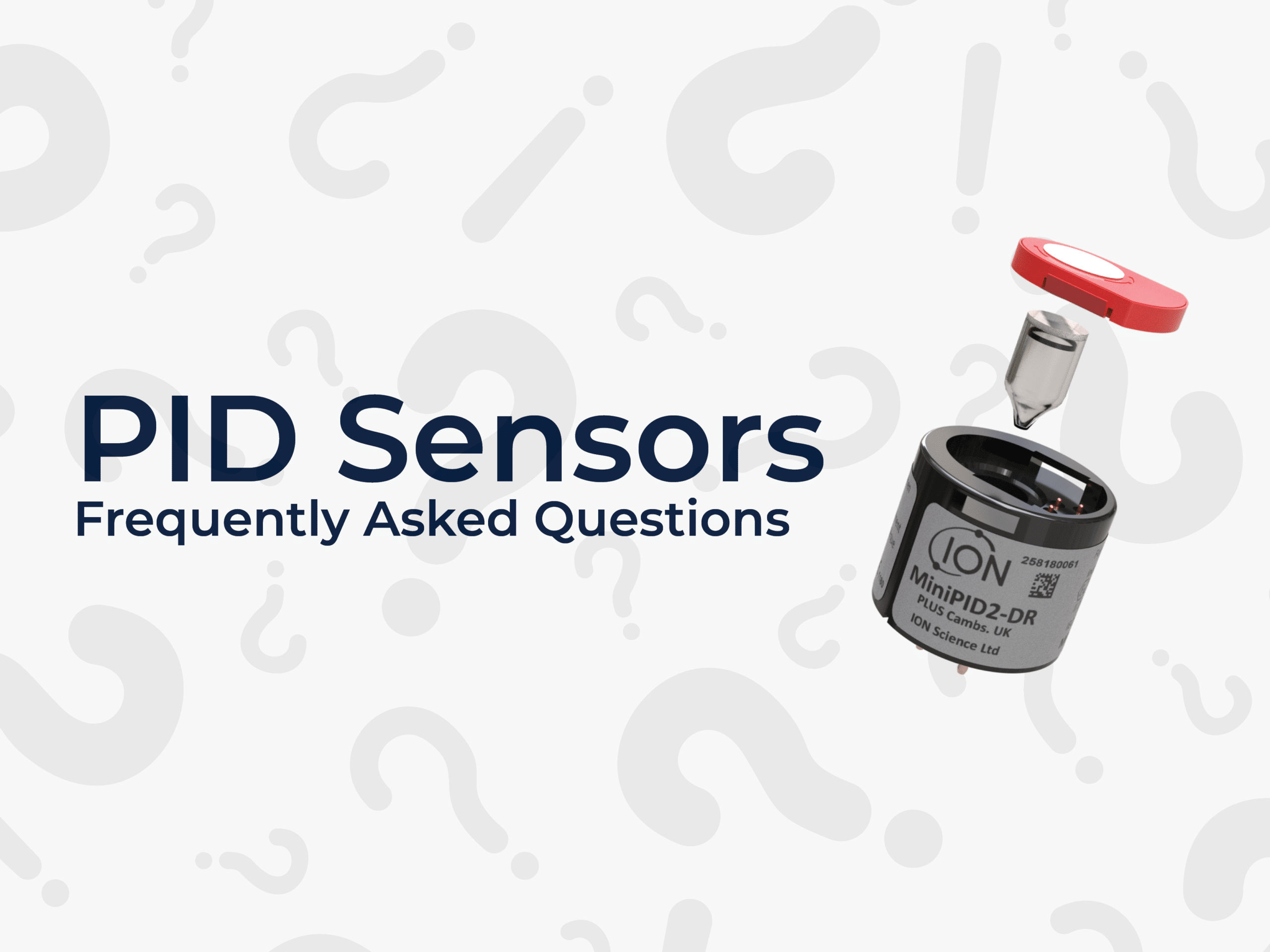
Everything you need to know about PID Sensors
PID stands for “Photo-Ionisation Detector”. PID (Photoionisation Detection) sensors are essential tools for monitoring air quality and can be incorporated into a hand-held, personal, or fixed detector for the detection of volatile organic compounds (VOCs) and some inorganic compounds.
ION Science sensors can detect VOCs down to parts-per-billion (ppb) and up to thousands of parts-per-million (ppm). In this article ‘Everything you need to know about PID Sensors’, we’ll answer some frequently asked questions about PID sensors to help you better understand their applications, advantages, and importance across various industries.
-
What is a PID Sensor?
A PID sensor is a device used to measure and monitor volatile organic compounds (VOCs) to very low concentrations and other gases in the air. It relies on a process called photoionisation to detect and quantify these substances.
-
How Does a PID Sensor Work?
A PID sensor works by irradiating a gas sample with ultraviolet light. This light energy ionizes the gas molecules, producing positively charged ions and an electron. The resulting ionization current from the electrons is proportional to the concentration of the VOCs in the sample.
-
Where Are PID Sensors Used?
PID sensors are used in a variety of industries, including environmental monitoring, industrial safety, hazardous material response, indoor air quality assessments and ambient outdoor air quality.
-
What Are the Key Advantages of PID Sensors?
PID sensors offer fast and accurate measurements, real-time monitoring, and the ability to detect a wide range of VOCs. They are also portable and easy to use, making them versatile tools for many applications.
-
What Types of VOCs Can PID Sensors Detect?
PID sensors can detect a broad spectrum of VOCs, including solvents, fuels, pesticides, and other organic compounds.
-
Are PID Sensors Safe to Use?
Yes, PID sensors are safe to use when operated according to manufacturer instructions. They are designed to be non-destructive and non-invasive.
-
How to Calibrate a PID Sensor?
Calibrating a PID sensor involves exposing it to a known concentration of a specific VOC and recording the mV response for that known concentration. This is often done at the zero point, at the midpoint and at the end of the detection range. . Regular calibration ensures accurate readings.
-
What Factors Can Affect PID Sensor Accuracy?
Environmental conditions, sensor contamination, and the presence of interfering compounds can affect some PID sensor accuracy on the market. ION Science’s innovative feature of humidity-resistance helps maintain optimum sensor performance in challenging humidity conditions, contributing to reliable and accurate readings in diverse environments.
-
Can PID Sensors Detect Gas Concentrations in Real-Time?
Yes, PID sensors provide real-time measurements, allowing for immediate response to changing gas concentrations.
-
How to Choose the Right PID Sensor for Your Application?
Consider factors like the range of VOCs you need to detect, required sensitivity, environmental conditions, and the intended application when choosing a PID sensor.
-
What Are the Maintenance Requirements for PID Sensors?
Regular maintenance, including cleaning, calibration, and sensor replacement, is crucial to ensure PID sensors operate optimally.
-
Are PID Sensors Compatible with Data Logging and Remote Monitoring Systems?
Yes, many PID sensors can be integrated into data logging and remote monitoring systems for enhanced data collection and analysis.
-
What Should You Consider When Handling and Storing PID Sensors?
Proper storage and handling are essential to prevent damage to PID sensors. This includes protecting them from extreme temperatures and physical damage.
-
How Do PID Sensors Compare to Other Gas Detection Technologies?
PID sensors excel in detecting VOCs but may not be suitable for all gas types. Compare them to other gas detection technologies to determine the best choice for your needs.
-
Can PID Sensors Detect Combustible Gases?
While PID sensors are primarily designed for VOC detection, some models can detect combustible gases indirectly by measuring changes in VOC concentration.
-
What Are the Future Developments in PID Sensor Technology?
Future developments may focus on improved sensitivity, lower detection limits, and enhanced data integration capabilities.
For more information on MiniPID 2, watch the video here.
Conclusion
PID sensors are valuable tools for detecting and quantifying VOCs in various applications. Understanding their operation, maintenance, and suitability for different industries is crucial for their effective use. As technology advances, PID sensors continue to play a significant role in ensuring air quality and safety.
This ‘Everything you need to know about PID Sensors’ article provides a comprehensive overview of PID sensors, helping you make informed decisions when considering this technology for your specific application.
Do you have a question for the ION Science Sensor Team?
Ask the question below!

Benzene Ring Explained – Delving into the Unique Structure of Benzene
Introduction:
The world of chemistry is filled with captivating stories of discovery and innovation, and one of its most iconic tales is that of the benzene ring. This seemingly modest hexagonal configuration has etched an enduring impression on the realm of organic chemistry. Within this blog post, we will uncover the essence of the benzene ring, trace its discovery, and contemplate the far-reaching influence it has wielded over the domains of science.
The Benzene Ring: A Unique Structure:
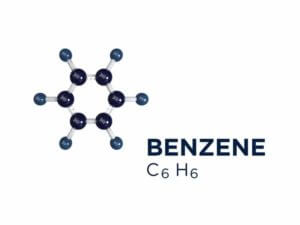
Fundamentally, the benzene ring embodies a hexagonal configuration featuring six carbon atoms, with each carbon atom forming a single bond with a hydrogen atom. What distinguishes it from typical hydrocarbons is the alternating sequence of single and double bonds connecting these carbon atoms. This alternating bonding arrangement constitutes the fundamental aromaticity and stability intrinsic to the benzene ring.
The Discovery of the Benzene Ring:
The discovery of the benzene ring is a tale that revolves around the brilliant mind of Friedrich August Kekulé, a German chemist who lived in the 19th century. During the mid-1800s, the structure of benzene, a compound extracted from coal tar, confounded chemists. While they understood its composition—comprising six carbon and six hydrogen atoms—the arrangement remained an enigma.
Kekulé’s Dream:
According to legend, in 1865, Kekulé experienced a pivotal moment while sleeping by a fireplace. Within his dream, he witnessed atoms in a graceful dance, forming a serpentine structure. Remarkably, this serpent had its tail enclosed in its mouth, resulting in a closed ring shape. Upon awakening, Kekulé had a profound revelation: the structure of benzene resembled a hexagonal ring. This visionary dream marked a ground-breaking moment in understanding the essence of the benzene molecule.
Aromaticity and Stability:
Kekulé’s proposition illuminated the stability of benzene. Instead of featuring the anticipated arrangement of three single and three double bonds, benzene’s electrons exhibit a distinctive quality – they are delocalised. In essence, this signifies that the six pi electrons, typically linked with the double bonds, are not restricted to specific carbon-carbon pairs; rather, they are evenly dispersed throughout the entire ring. This phenomenon of electron delocalisation bestows an exceptional stability upon the molecule, ultimately giving birth to its aromatic nature.
Impact on Chemistry and Industry:
Kekulé’s finding brought about a paradigm shift in the realm of organic chemistry. The introduction of the benzene ring fundamentally altered the landscape, establishing itself as the cornerstone for the examination of aromatic compounds and their reactivity. Furthermore, it yielded substantial real-world utility in the industrial sector, where benzene derivatives assumed pivotal roles in the manufacture of plastics, synthetic rubber, dyes, pharmaceuticals, and a multitude of other products.
Conclusion:
The benzene ring, characterised by its graceful hexagonal configuration and distinctive aromatic attributes, stands as a defining juncture in the annals of chemistry. Friedrich August Kekulé’s revelation regarding it heralded an era of boundless opportunities, fundamentally altering our comprehension and manipulation of molecules. Emerging from the realm of dreams to ground-breaking revelations, the benzene ring perseveres as an enduring emblem of scientific exploration and ingenuity.
Basics of Benzene:
The basics of detecting benzene guide which can be downloaded below provides the reader with an in-depth balance of knowledge covering the main properties, exposure and detection of benzene.
Download ‘Basics of Benzene’ guide


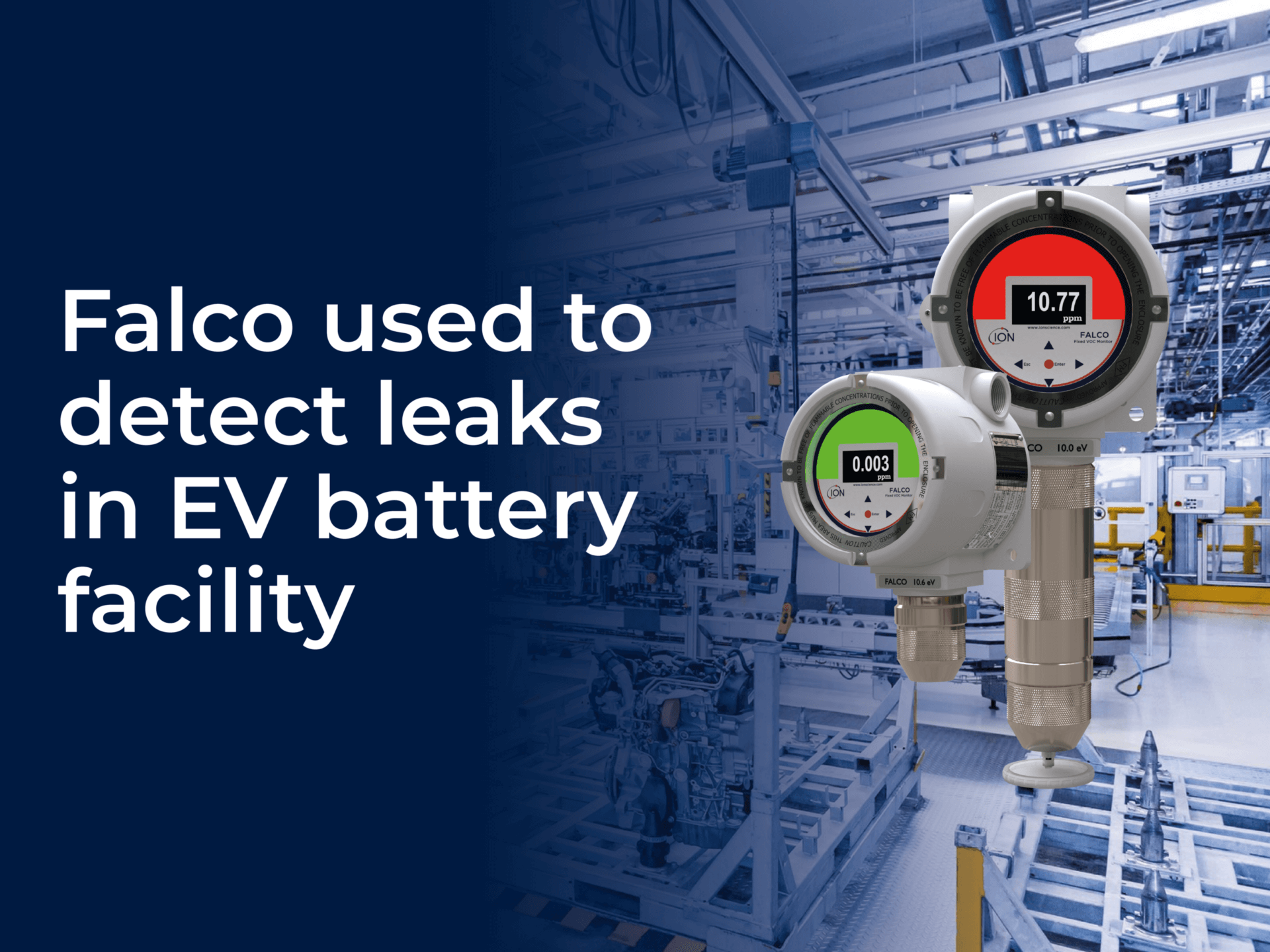
Falco Fixed VOC Gas Detector is being used across the globe to monitor and detect hazardous gas leaks in the manufacturing process of electric vehicle (EV) batteries.
Introduction
Back in 2020, the UK Government took a huge step forward to achieve net-zero by announcing a ban of sales of new petrol and diesel cars by the 2030. This announcement has put the UK on course to be the fastest G7 country to decarbonise cars and vans. A 2 phase approach will be put in place to achieve this target. Step 1) Phase out the sale of new petrol and diesel cars and vans by 2030. Step 2) Every newly manufactured car and van to emit zero emissions from 2035. Between 2030 and 2035, the sale of new cars and vans will be permissible if they possess the capability to travel a considerable distance without emissions, such as plug-in hybrids or full hybrids. Source: www.gov.uk
With less petrol and diesel vehicles being manufactured, the world turns to the need for electric vehicles. There are multiple benefits of owning and using an electric vehicles, including:
- Reduced Emissions: Electric Vehicles produce zero emissions, meaning they don’t have a negative impact on air pollution and greenhouse gases.
- Lower Operating Costs: Eletricity is generally cheaper than gasoline or diesel, resulting in lower fuelling costs.
- Convenience: Many Electric Vehicle owners can charge their vehicle at home, meaning they can simply plug in their vehicle and charge it over night.
Lithium-ion batteries and the associated dangers
Electric vehicles are the short to medium term future of transportation, offering numerous advantages over traditional internal combustion engine vehicles, including reduced greenhouse gas emissions and improved air quality. However, the production of the lithium-ion batteries that power these vehicles comes with its own set of challenges, particularly in terms of safety.
High-capacity lithium-ion batteries, commonly found in electric vehicles, have the capability to recharge fully with minimal energy loss. They are typically composed of carbon or graphite, a metal oxide, and lithium salt, which constitute the positive and negative electrodes. These components are combined with electrolytes to facilitate the flow of electric current. At the end of their useful life, these batteries can be disassembled, allowing for the reuse of raw materials, with approximately 80 percent of the components being recyclable.
The primary components within lithium-ion batteries used in electric cars include the anode, cathode, separator, electrolyte, and lithium ions. EV battery cells typically contain approximately 17 pounds of lithium carbonate, 77 pounds of nickel, 44 pounds of manganese, and 30 pounds of cobalt. It is noteworthy that lithium is the most crucial component in EV batteries, and there is currently an unprecedented demand for this material.
Lithium-ion batteries are known for their high energy density and rechargeable nature, offer versatile applications but also pose risks that require attention. Potential hazards include thermal runaway, wherein the battery can overheat and even explode if damaged or exposed to high temperatures. Short circuits may lead to fires, and physical damage such as membrane punctures can cause internal harm. Overcharging, overheating, manufacturing defects, chemical reactions, aging, and external factors can also compromise battery safety.
The ION Science photoionisation detection (PID) sensors are able to detect potential problems before they occur in the manufacture and use of Li-ion batteries and the enormous variety of devices that use rechargeable batteries. With our ever-evolving digital age, the safe utilisation of Li-ion batteries is of paramount importance to manufacturers and customers. Click here to read the full ‘Li-ion battery risks reduced by VOC sensors’ blog.
Falco: The Cutting-Edge Fixed VOC Monitor
The Falco Fixed VOC Gas Detector continuously detects a wide range of volatile organic compounds (VOCs) and total aromatic compounds (TACs) using patented photoionisation detection (PID) technology. This fixed instrument plays a crucial role in ensuring the safety of works and the overall manufacturing process when producing lithium-ion (li-ion) batteries for electric vehicles (EVs). Falco is being used in multiple stages of the EV battery manufacturing process but is increasing being used to detect any leaks in individual cells. If a leak occurs, it could lead to a fire or even an explosion, therefore, it is essential that no leaks are present. The Falco Fixed VOC Gas Detector is used to detect the presence of any leaking gases at an early stage, reducing the changes of any life threatening accidents later down the line.
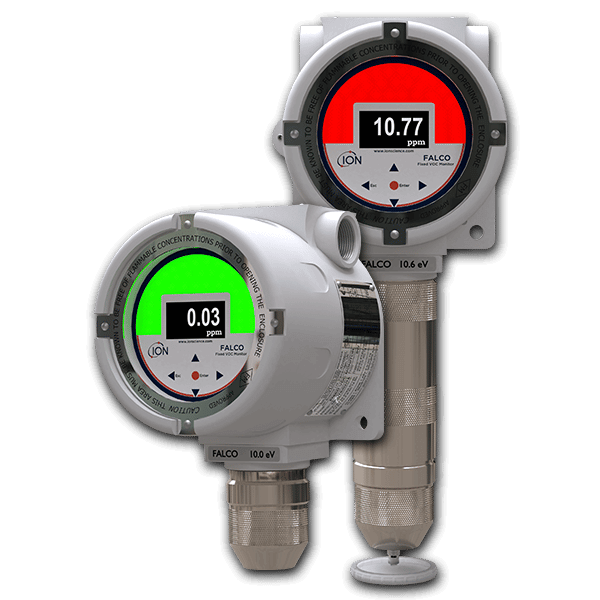
Key Features of Falco include:
High Sensitivity
Falco boasts a high sensitivity to a wide range of VOCs, ensuring that leaks are detected promptly.
Continuous Monitoring
It provides real-time, continuous monitoring, allowing for immediate response to any abnormal levels of VOCs.
Customisable Alarms
Falco allows for customisable alarm settings, alerting facility personnel when VOC concentrations exceed safe levels.
User-Friendly Interface
The user-friendly interface makes it easy for operators to set up and use the device efficiently.
Low Maintenance
Falco requires minimal maintenance, reducing operational costs and downtime.
Multiple Output Options
Falco has 2 programmable relays, 3 – 20 mA output and RS485 MODBUS.
Certified
Falco is ATEX, IECEx and QPS certified.

Protecting Lives and Preserving the Environment
The implementation of Falco fixed VOC monitors in EV battery manufacturing facilities is not just about compliance with safety regulations; it’s also about ensuring a sustainable future. These monitors help in preventing VOC emissions into the atmosphere, which can have long-term adverse effects on air quality and climate change. By promptly detecting and addressing leaks, EV battery manufacturers contribute to a greener and more sustainable world.
At the heart of ION Science’s business vision lies a simple yet powerful mission:
…..
“To protect lives and preserve the environment”.
This encapsulates their unwavering commitment to creating products and solutions that enhance safety while minimising environmental impact. For years, ION Science has been at the forefront of the industry, offering accurate and reliable technology that detects harmful gases and volatile organic compounds (VOCs), making workplaces safer and ensuring a healthier planet.
Conclusion
As the electric vehicle revolution accelerates, the importance of safe and sustainable battery manufacturing cannot be overstated. Falco, the cutting-edge fixed VOC monitor, stands as a beacon for the industry. With its highly sensitivity, real-time monitoring, and remote access capabilities, it is revolutionising how EV battery manufacturing facilities protecting their workforce and the environment.
By choosing Falco, these facilities are not only complying with safety regulations but also actively contributing to a cleaner and healthier planet. As the EV industry continues to grow, Falco will continue to play an indispensable role in safeguarding both the workforce and our shared future.
Contact us today
To discuss with the instrumentation team how Falco can be used in your application.

Due to advanced PID Sensor technology, safety hazards associated with Li-ion battery storing and usage can be mitigated, allowing safety measures to be implemented.
Sensitive photoionisation detection (PID) sensors are able to detect potential problems before they occur in the manufacture and use of Li-ion batteries and the enormous variety of devices that use rechargeable batteries. With our ever-evolving digital age, the safe utilisation of Li-ion batteries is of paramount importance to manufacturers and customers.
The risks posed by Li-ion batteries have been highlighted by a number of high-profile incidents hitting mainstream media. Famously, in 2016, around 2.5 million mobile phones were recalled after complaints of overheating and exploding batteries. Extensive investigations revealed insufficient insulation material within the batteries and a design that did not provide sufficient space to safely accommodate the batteries’ electrodes were the main catalysts for these incidents. As a result of the magnitude of this problem, and the global publicity which ensued, demand grew for sensing technology that can detect faulty Li-ion batteries, both during production and operation.
The main safety concern associated with failing Li-ion batteries is the ignition of the battery cell. Not only does this pose an immediate acute (short-term) hazard to individuals, but over long periods of time can cause the emission of toxic gases. These gases include volatile organic compounds (VOCs), meaning sensitive VOC sensors can be used to check the condition of these batteries – either within portable detectors or in process/plant monitoring equipment.
The anode in rechargeable Li-ion batteries is typically graphite, the cathode is a metal oxide, and the electrolyte is usually a lithium salt in a (flammable) organic solvent. This electrolyte includes compounds such as ethyl methyl carbonate (EMC) which is known to be among the gases emitted by a faulty Li-ion battery. Conveniently, EMC can be detected by ION Science’s PID, so the developers of monitoring systems and equipment are able to design technologies that utilise ION’s MiniPID sensors.
The RFs for VOCs commonly used in Li-ion battery electrolytes are presented in Table 1: Evaluation of chemicals used in lithium-ion batteries.
|
VOC |
Boiling Point oC |
RF |
Sat. vapour pressure @ 25 oC bar |
Prospective maximum response, ppm (IBE) |
Measured spike response, ppm (IBE) |
|
Dimethyl carbonate |
91 |
65 |
0.07 |
1000 |
80 |
|
Ethyl methyl carbonate |
107 |
18 |
0.035 |
2000 |
240 |
|
Diethyl carbonate |
127 |
7.5 |
0.015 |
2000 |
390 |
|
Vinylene carbonate |
162 |
3.5 |
0.0033 |
1000 |
480 |
|
Butylene carbonate 1,2- |
238 |
18 |
0.0002 |
1 |
10 |
|
Propylene carbonate |
242 |
15 |
0.0002 |
1 |
80 |
|
Ethylene carbonate |
243 |
>50 |
0.0003 |
0.5 |
<1 |

Due to their specificity, PID sensors are the most commonly employed technology for the detection of VOCs, and ION’s MiniPID range includes the most sensitive PID sensor in the world, which makes it ideal for the detection of trace leaks from faulty Li-ion batteries.
Summarising, Peter Morris from ION Science says:
“Prospective customers for our PID sensors in Li-ion battery applications include the developers of portable instruments, as well as the designers of monitoring systems for processes within battery manufacturing, as well as in the manufacture of EVs, e-bikes, laptops, tablets, phones and many others.”

Contact us today
To discuss with the sensing team how we’re reducing risks and protecting lives in the electric vehicle, e-bike, and electronics industries and how we can support you:
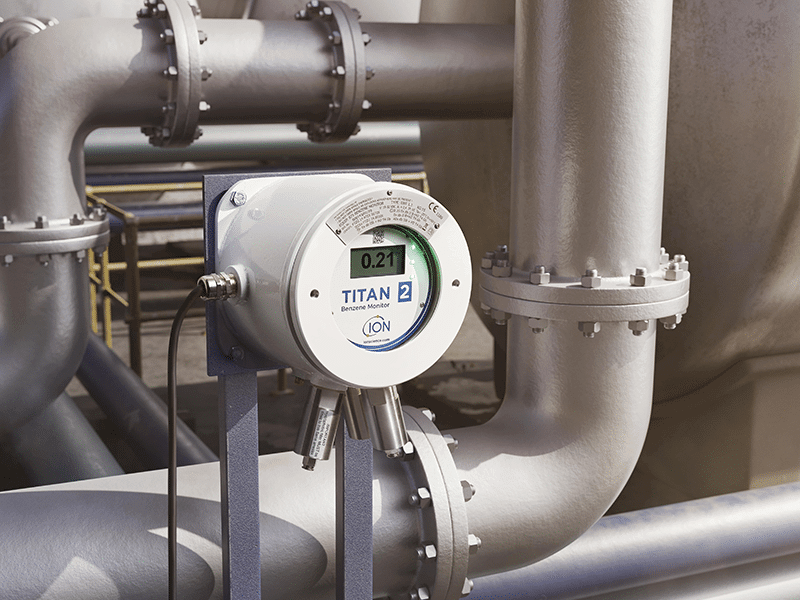
ION Science Unveils Titan 2: The Next Generation Fixed Benzene-Specific Monitor for Unrivalled Safety and Compliance
ION Science has launched a new, dramatically upgraded version of Titan, maintaining its position as the only fixed benzene-specific monitor in the world; Titan 2.
In accordance with recent legislation changes, Titan 2 offers enhanced stability and sensitivity, supporting ION’s continued mission of protecting lives and preserving the environment.
ION Science’s Group Managing Director, Duncan Johns explains how benzene is a toxic, carcinogenic gas that represents a serious threat to many workers, as well as the environment.
Titan 2 Benzene Fixed Monitor“It is therefore vital that staff are protected by monitors that can continuously measure benzene at the low levels required by increasingly stringent international regulations. Titan 2 is the only commercially available, truly selective, fixed continuous benzene monitor worldwide that can meet this requirement.”
Users of the original Titan will be familiar with the instrument’s accuracy and performance, however, within the new Titan 2 they will see core enhancements, such as a new rugged manifold, a piezoelectric micropump for enhanced stability, a lower limit of detection, and updated PC software for easier management and control.
An occupational exposure limit (OEL) for benzene of 100 ppm was originally recommended in 1946. Following further associations with leukemia, the OEL was reduced to 50 ppm and then to 1 ppm as the 8-hour time-weighted average (TWA) exposure limit (U.S. OSHA, 1987). However, further health problems have been reported at levels below 1ppm so there is pressure in many countries to lower the limit further. For example, NIOSH recommended airborne exposure limit (REL) is 0.1 ppm (10-hr TWA) and 1 ppm during any 15-minute work period. Similarly, the current EU 8-hour TWA for benzene is 1 ppm (3.25 mg/m3). However, from 5th April 2024, the long-term exposure limit will be reduced to 0.5 ppm – and will be cut again from April 2026 to just 0.2 ppm. – Directive (EU) 2022/431 of the European Parliament of the Council, March 2022.
Regulatory requirements are therefore driving the need for greater sensitivity, and these needs are met by Titan 2. Thanks to our innovative technology in conjunction with our industry-leading PID sensor technology, the Titan 2 has a reduced likelihood of cross-sensitivity and can detect benzene rapidly at levels as low as 0.02 parts per million (20 parts per billion). At the other end of the scale, it can detect benzene at up to 20 ppm, delivering high speed and high sensitivity.
The Titan 2 captures a gas sample once every 60 seconds. The sample is then conditioned within a further 60 seconds to allow precise benzene measurement, ensuring a consistent flow of real-time data. This latest version now incorporates the piezoelectric micro pump which delivers enhanced pressure and flow accuracy to ensure a rapid response and unrivalled reliability.
Titan 2 also features visible alarm capability, triggering an alert when benzene concentrations reach either of two operator-configurable levels. Twin relay outputs enable the user to integrate the unit with existing site alarm systems, while easy-to-use firmware allows a simplified calibration procedure. For analysis of readings captured by Titan 2, both 4-20mA and RS485 MODBUS communication protocols can be utilised.
A proven, robust separation method ensures specific readings for benzene, with an easy-to-read display. An internally regulated heating system ensures stable operation even at extremes of temperatures, and the new robust housing reduces contamination risk and allows for extended use in the harshest environments.
Titan 2 has been designed to comply with international safety standards, including ATEX and IECEx, making it safe for use in any environment, as well as featuring an IP65 Ingress Protection rating. ION Science’s photoionisation detection (PID) technology has been independently verified as the best-performing on the market, providing reliable, accurate solutions backed by outstanding product support. Importantly, the new, unique to Titan 2, MiniPID T2 10.0 eV Sensor features a patented design to nullify potential humidity interference, whilst ensuring a fast response, the highest levels of sensitivity, and market-leading reliability.
The Titan 2 service module is designed to be backward compatible, so in conjunction with a simple firmware upgrade now provides existing Titan customers with a quick and convenient upgrade opportunity.
Summarising, Duncan Johns says:
“Benzene is one of the more dangerous VOCs so the Titan 2’s ability to reliably speciate this gas is extremely important in the protection of lives, and with lowering regulatory limits, the instrument’s enhanced sensitivity is a major advantage.”
Typical Industries & Applications
Titan 2 delivers unrivalled accuracy and sensitivity in benzene detection and is ideal for use in a variety of sectors, such as oil & gas, bulk storage facilities, chemical manufacturing and processing, and asphalt production.
