Dichloromethane | CAS 75-09-2

Detecting Dichloromethane

Dichloromethane (CH2Cl2), also known as methylene chloride, is a volatile chlorinated solvent widely used in paint stripping, metal cleaning, pharmaceutical manufacturing and chemical processing. While valued for its excellent solvent properties, dichloromethane is toxic, highly volatile and classified as a suspected carcinogen, making dichloromethane gas detection essential wherever it is stored, handled or used.

Effective dichloromethane monitoring helps organisations protect workers, identify leaks and manage workplace exposure. From manufacturing facilities to laboratories and maintenance operations, selecting the right dichloromethane detector supports safe working environments and compliance with occupational exposure limits.

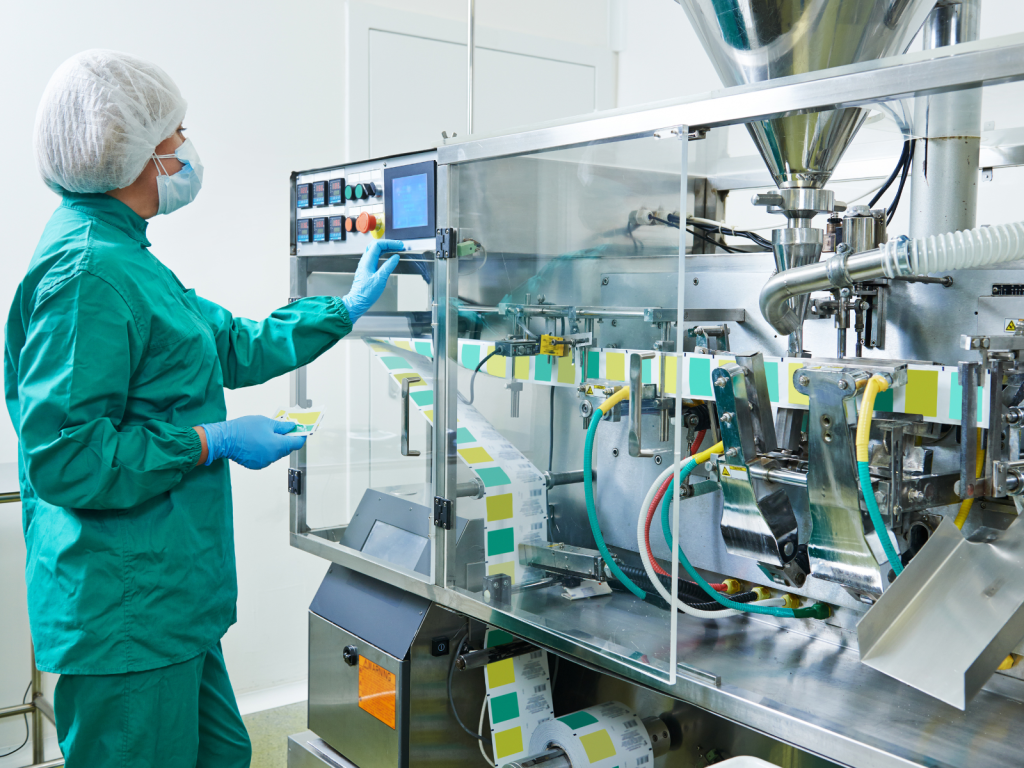
A worker in a hairnet and protective gloves operates a control panel in a clean industrial facility, monitoring equipment behind a glass barrier connected to stainless pipes and hoses.

Dichloromethane Properties

Property  Value
Chemical Formula CH2Cl2
CAS Number 75-09-2
Molecular Weight 84.93 g/mol
Appearance Colourless liquid, rapidly forms vapour
Odour Mild, sweet odour
Flammability Non-flammable
Relative Vapour Density Heavier than air
Common Detection Technology Photoionisation Detection (PID) technology

What is Dichloromethane?

Dichloromethane is an organic solvent used across numerous industrial applications due to its strong cleaning and degreasing properties. It is commonly found in paint removers, aerosol formulations, pharmaceutical manufacturing, adhesives and metal cleaning processes.

Because dichloromethane evaporates rapidly, hazardous vapour concentrations can develop, particularly in confined spaces or poorly ventilated areas. Reliable dichloromethane gas detection enables organisations to identify changing vapour concentrations, reduce exposure risks and maintain safer workplaces.

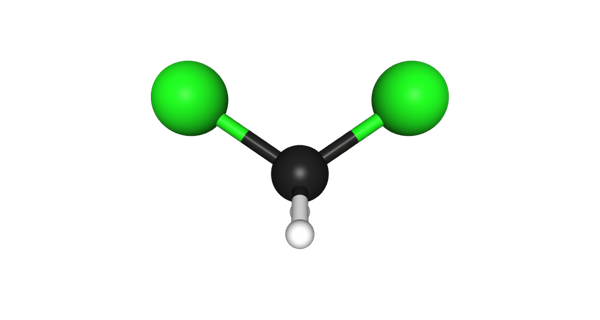
3D molecular model showing the chemical structure of dichloromethane

Common Applications for Dichloromethane Detection

Paint Stripping Metal Cleaning & Degreasing Chemical Manufacturing

Monitor DCM concentrations during paint removal and surface preparation to protect workers from hazardous vapour exposure.

Detect dichloromethane vapours during component cleaning and degreasing operations. Monitor DCM throughout production, storage and chemical processing applications.
Pharmaceutical Manufacturing

Research & Laboratory

Maintenance & Confined Spaces
Support workplace exposure monitoring where dichloromethane is used as a processing solvent. Protect laboratory personnel during solvent handling, sample preparation and analytical procedures. Monitor atmospheric conditions before and during maintenance activities where DCM vapours may accumulate.

Why Detect Dichloromethane?

Protect Workers

Continuous dichloromethane monitoring helps identify hazardous vapour concentrations before they pose a risk to personnel.

Support Occupational Exposure Monitoring

Real-time monitoring enables organisations to assess workplace exposure and manage compliance with occupational exposure limits.

Detect Leaks Early

Reliable dichloromethane gas detection helps identify solvent leaks quickly, reducing exposure risks and improving workplace safety.

Improve Process Safety

Routine monitoring supports the safe handling, storage and use of dichloromethane across industrial applications.

Health Effects of Dichloromethane Exposure

Short-Term (Acute) Exposure

Long-Term (Chronic) Exposure

Exposure may cause: Repeated or prolonged exposure may increase the risk of:
  • Dizziness
  • Headaches
  • Drowsiness
  • Eye irritation
  • Respiratory irritation
  • Central nervous system effects
  • Liver damage
  • Reduced cognitive function
  • Potential carcinogenic effects

Workplace Exposure Limits of Dichloromethane

Standard Limit
UK EH40 WEL (8-hour TWA) 100 ppm
UK EH40 WEL (15-minute STEL) 200 ppm
OSHA PEL 25 ppm
NIOSH IDLH 2,500 ppm

Exposure limits are provided for guidance and were checked against the relevant regulatory sources in August 2026. Always refer to the latest published guidance from the relevant authority.

Sources: EH40/2005 Workplace exposure limits; OSHA Table Z-1-Limits for Air Contaminants; NIOSH Pocket Guide to Chemical Hazards

How is Dichloromethane Detected?

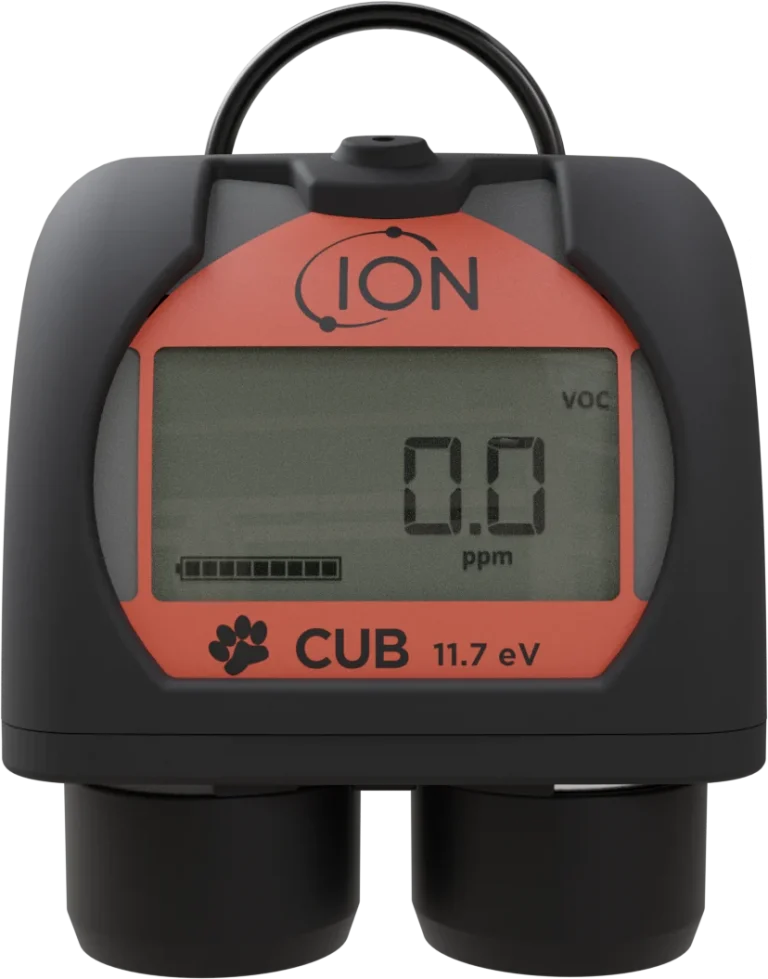
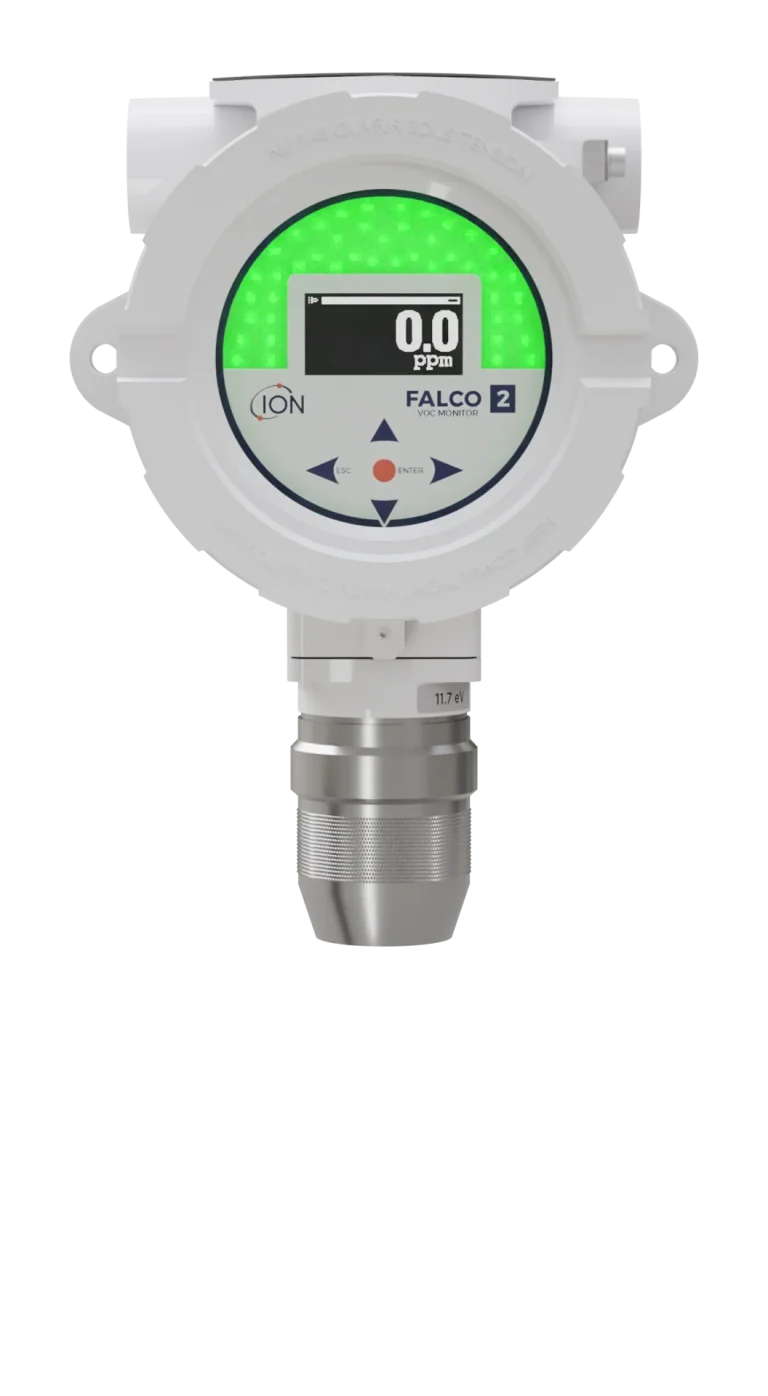
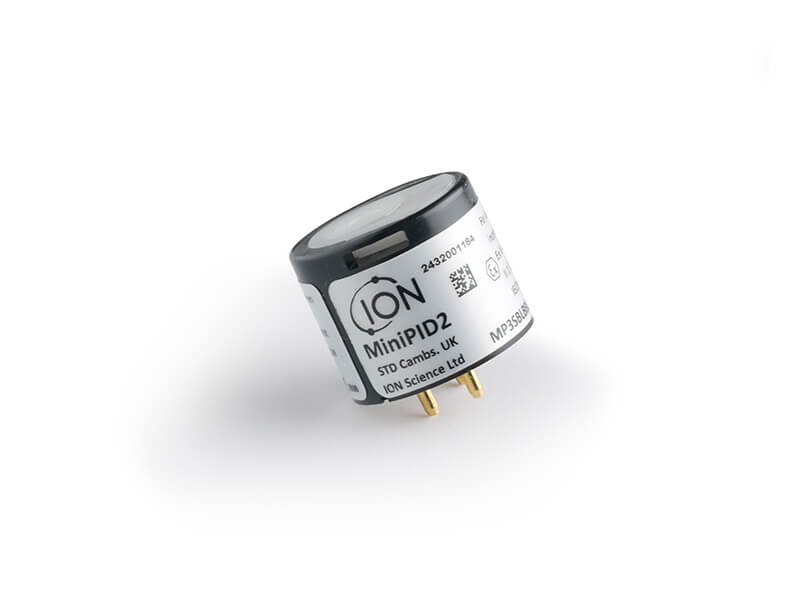
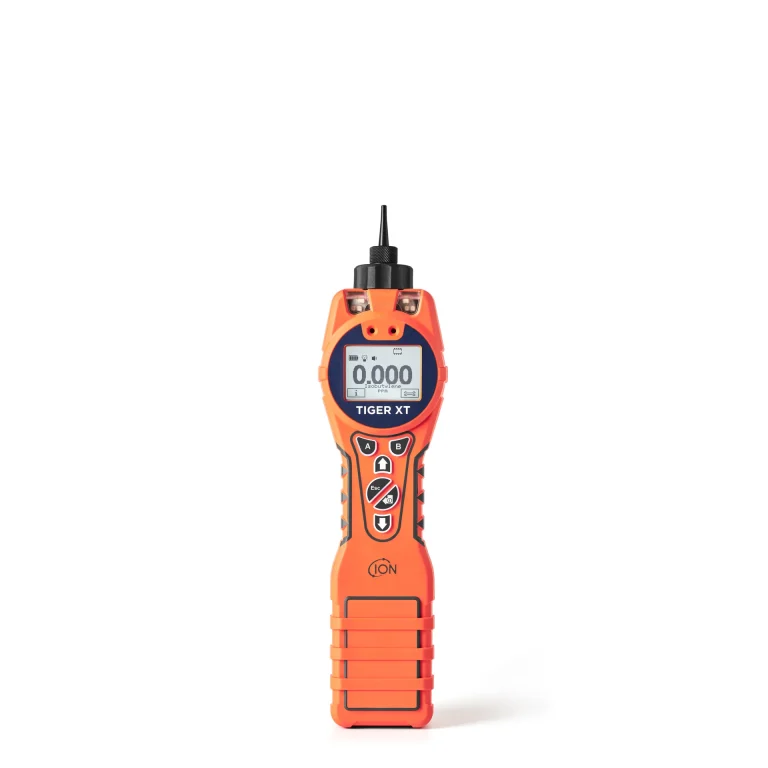
Dichloromethane gas detection is commonly achieved using photoionisation detector (PID) technology. As dichloromethane has an ionisation potential of 11.32 eV, detection requires an 11.7 eV PID lamp, making instruments such as the Tiger XT 11.7 eV and FALCO 2 11.7 eV suitable for monitoring DCM concentrations.

Personal and fixed dichloromethane detectors provide real-time monitoring to identify changing vapour concentrations, helping organisations manage workplace exposure and respond quickly to potential leaks.

ION Science MiniPID 2 11.7 eV gas sensor for VOC detection.

Frequently Asked Questions about Dichloromethane

Dichloromethane, also known as methylene chloride, is a volatile chlorinated solvent widely used in paint stripping, metal cleaning, pharmaceutical manufacturing and chemical processing.

Dichloromethane readily evaporates to form hazardous vapours and prolonged exposure has been associated with serious health effects, making workplace monitoring essential.

Dichloromethane gas detection is commonly achieved using PID technology equipped with an 11.7 eV lamp, allowing real-time monitoring of DCM vapours.

It is commonly used in paint removal, degreasing, pharmaceutical manufacturing, laboratories, chemical processing and metal cleaning.

Continuous dichloromethane monitoring helps protect workers, identify solvent leaks and support compliance with occupational exposure limits.

Yes. Dichloromethane has an ionisation potential of 11.32 eV, meaning it requires an 11.7 eV PID detector for effective detection.

Find the Right Dichloromethane Detection Solution

Whether you’re monitoring workplace exposure, implementing continuous dichloromethane monitoring or detecting solvent vapours during processing and maintenance, our specialists can help you identify the most suitable solution for your application.

Contact the ION Science team to discuss your requirements and discover the right dichloromethane detector for your facility.

Contact ION Science

Loading enquiry form…

Contact ION Science

Loading enquiry form…

Newsletter sign up

Loading enquiry form…

Warranty registration

Loading enquiry form…

Contact support

Loading enquiry form…