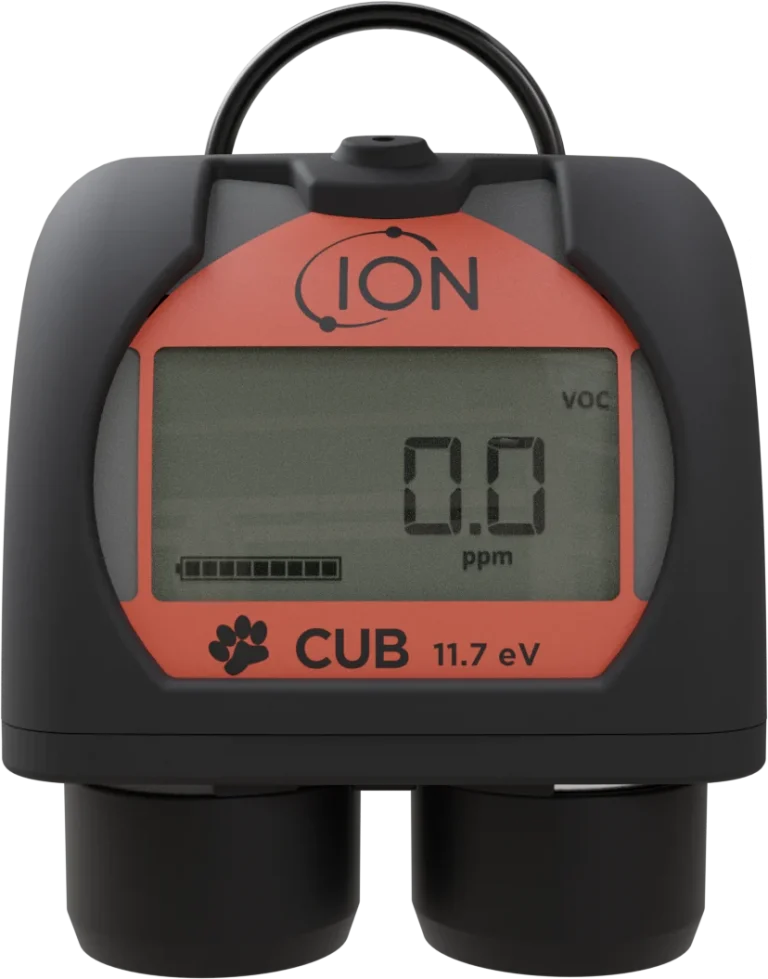
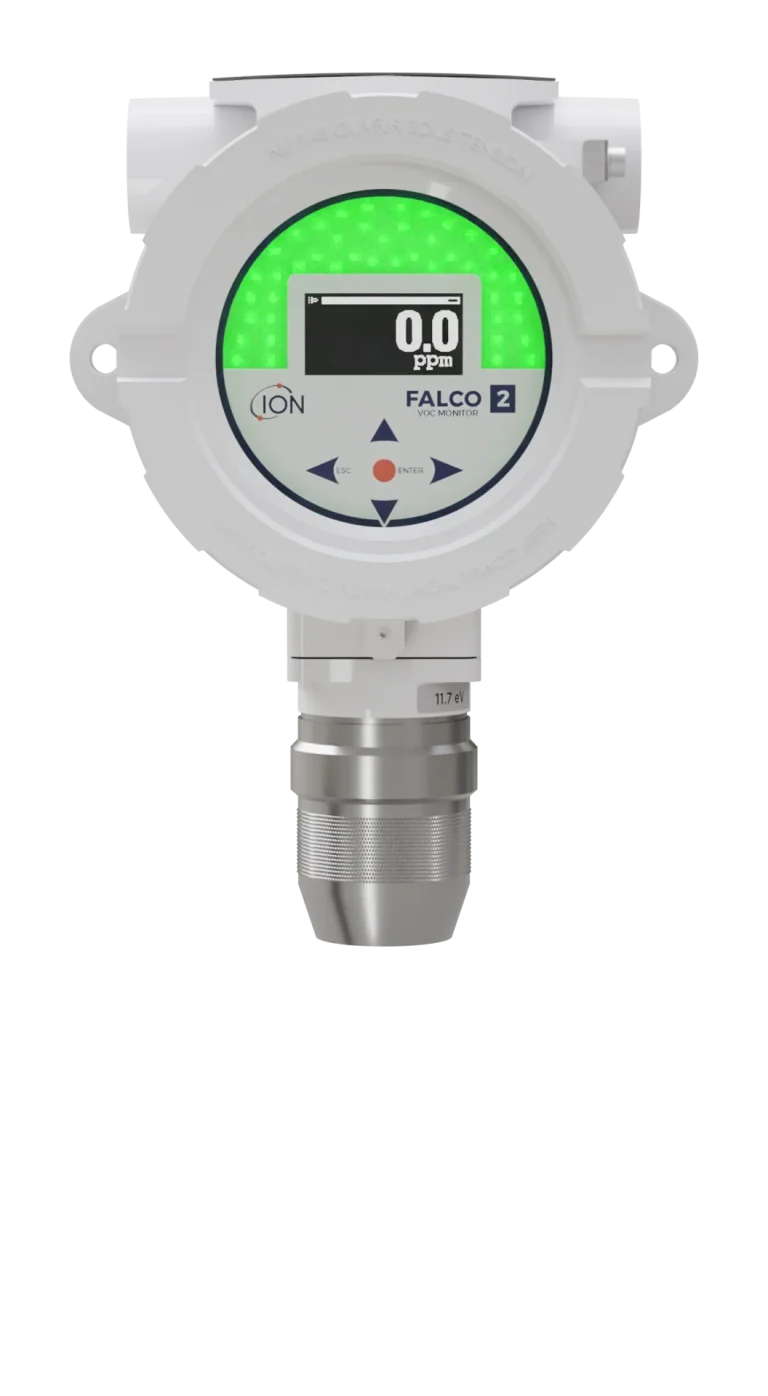
Laboratory Toxic Gas and VOC Monitoring
Identifying the hazards of gas leaks early improves the facility itself, it’s processes and the safety of the people who work within this environment.
Discover more: Laboratory Toxic Gas and VOC MonitoringFrom academic research and chemical analysis to pharmaceutical development and specialist testing, laboratories use a diverse range of chemicals, gases and equipment.
Hazards can arise during experiments, sample preparation, chemical storage, equipment operation and maintenance. Gas detection can provide an early warning of changing atmospheric conditions and support laboratory risk assessments, exposure-control measures and emergency procedures.
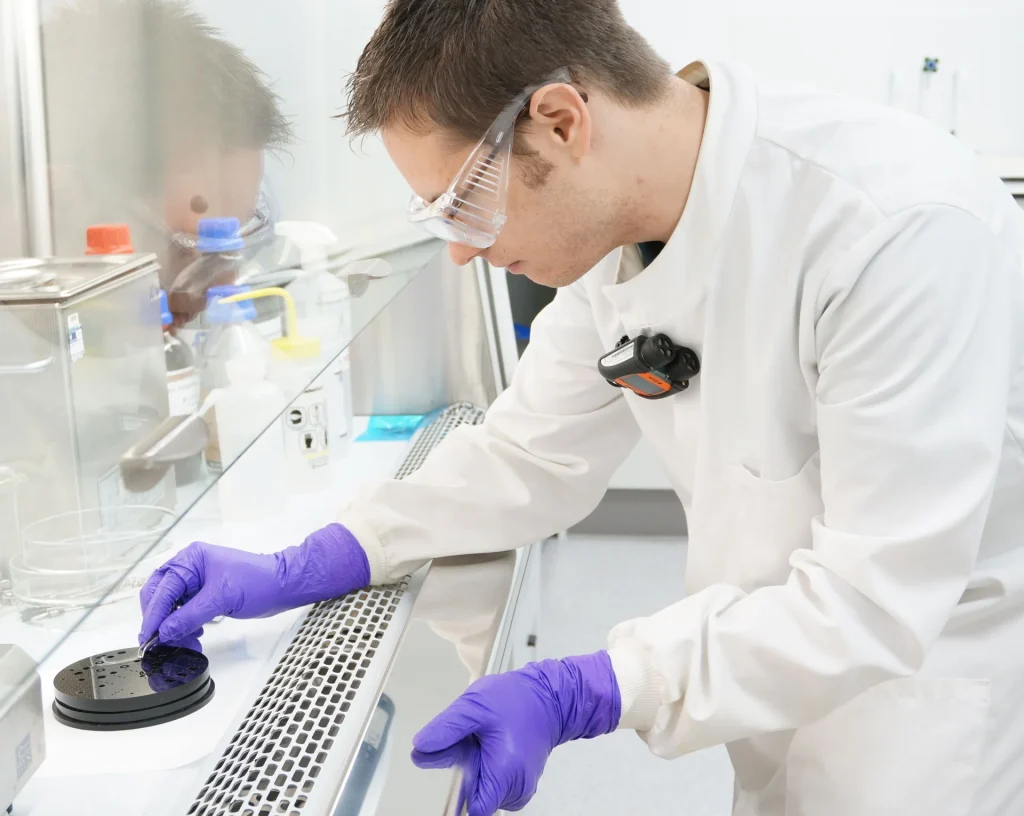
Laboratories frequently handle chemicals, solvents and reactive substances that may present inhalation or exposure risks if they are spilled, released or handled incorrectly. Some substances can be hazardous at low concentrations, making appropriate containment, ventilation and monitoring important elements of laboratory safety.
Research processes may involve flammable gases, solvents and vapours. If these substances accumulate and encounter an ignition source, they can create a risk of fire or explosion. Appropriate storage, ventilation and gas monitoring help laboratories manage these hazards.
Inert gases, cryogenic materials and other laboratory gases can displace oxygen if released. Oxidising gases may also create oxygen-enriched conditions that increase combustion risks. Oxygen monitoring may be required in enclosed, poorly ventilated or gas-storage areas, depending on the workplace risk assessment.
Research environments frequently change as projects, materials, equipment and experimental procedures evolve. Each change can introduce different hazards, making regular risk assessment and review of existing detection measures essential.
Compressed gases support applications ranging from analytical testing to instrument operation. Leaking cylinders, regulators, connections or gas-delivery systems can create toxic, flammable or oxygen-displacement hazards. Appropriate detection should form part of a broader gas-storage and handling strategy.
Laboratories must balance scientific progress with workplace safety and regulatory requirements. Effective management of gas and chemical hazards helps protect personnel, maintain reliable operations and support compliance with applicable procedures and legislation.
Research and laboratory environments vary considerably, from academic studies and chemical analysis to pharmaceutical development, cleanrooms and industrial research.
Explore our industry guides and application articles for practical information about laboratory hazards, monitoring considerations and selecting suitable gas detection equipment for your application.
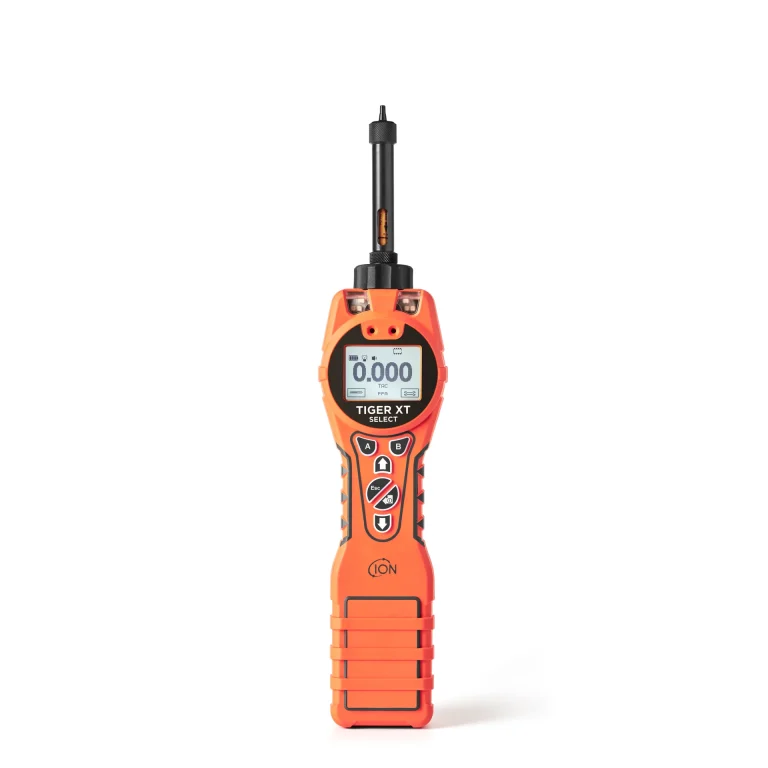
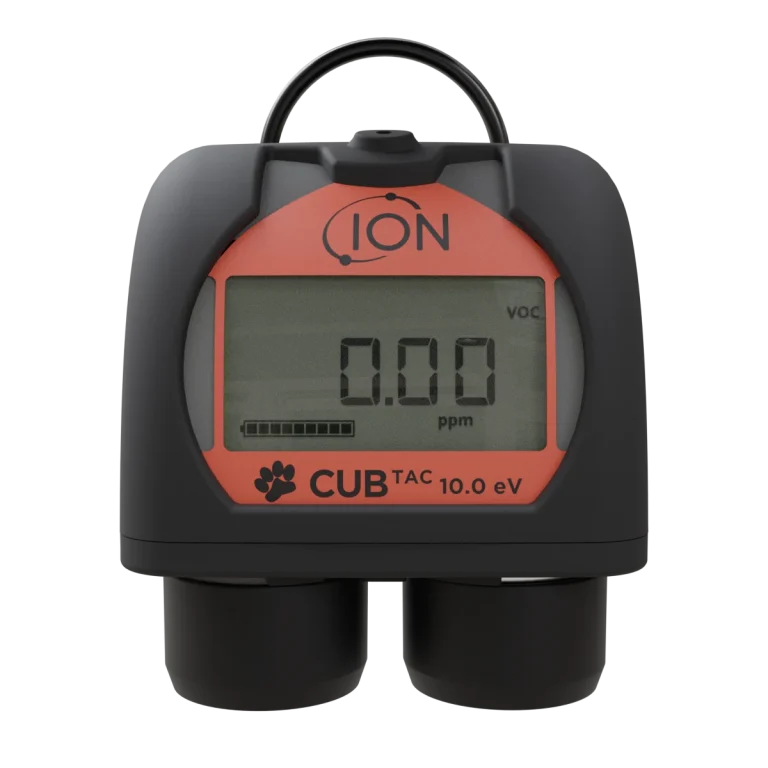
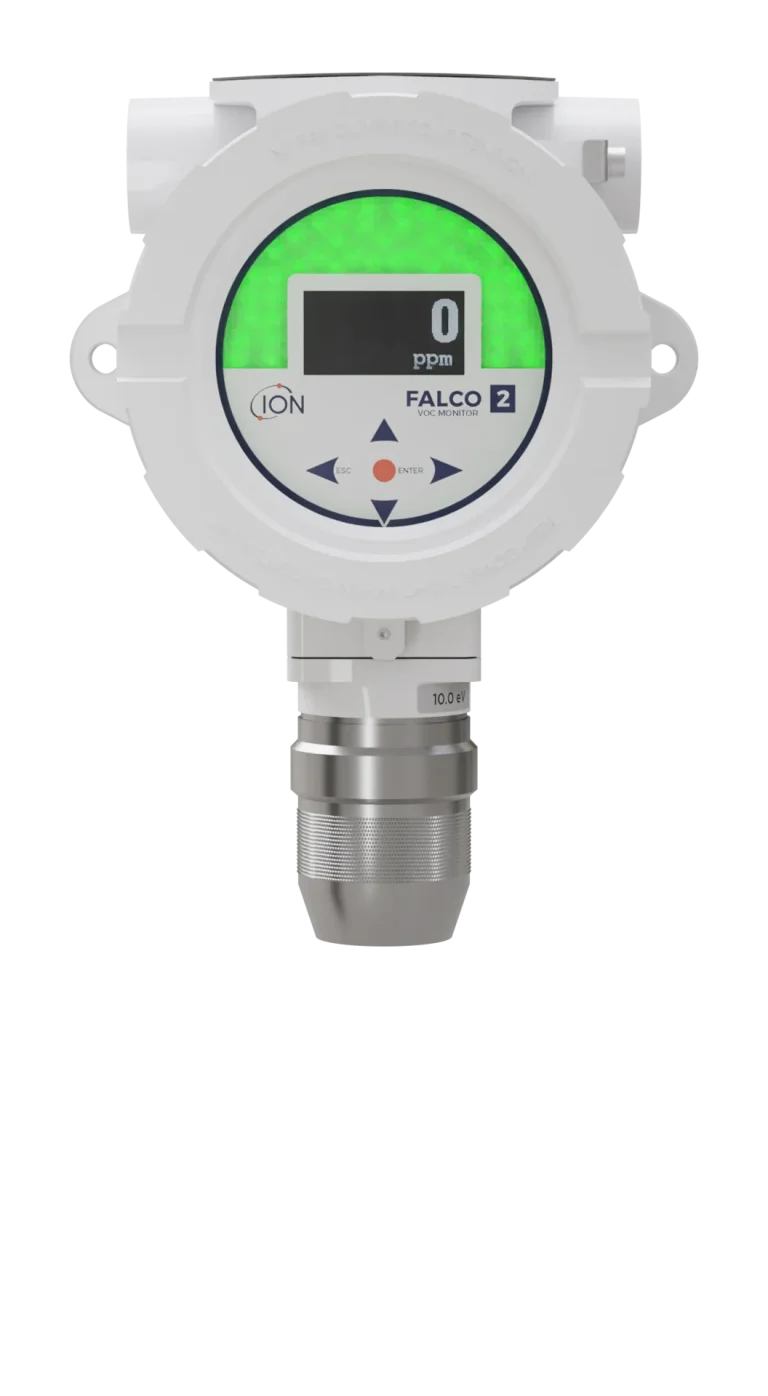
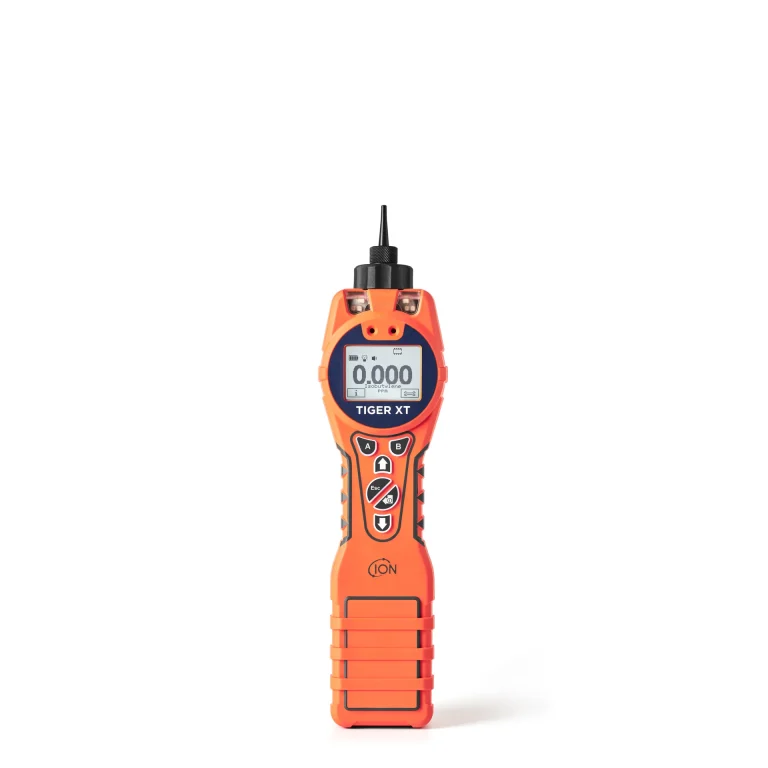
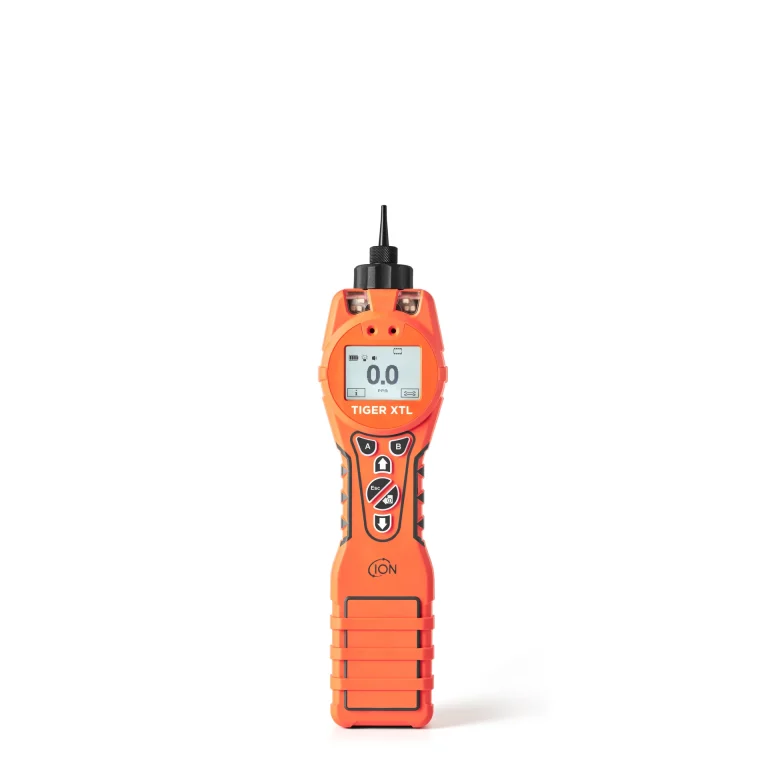
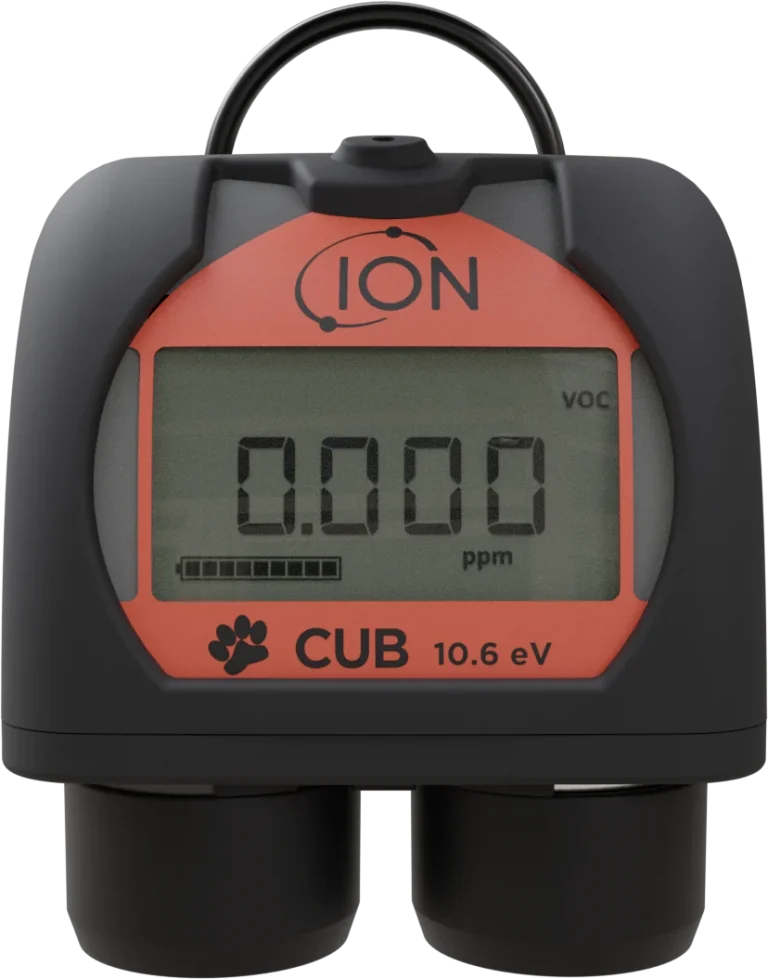
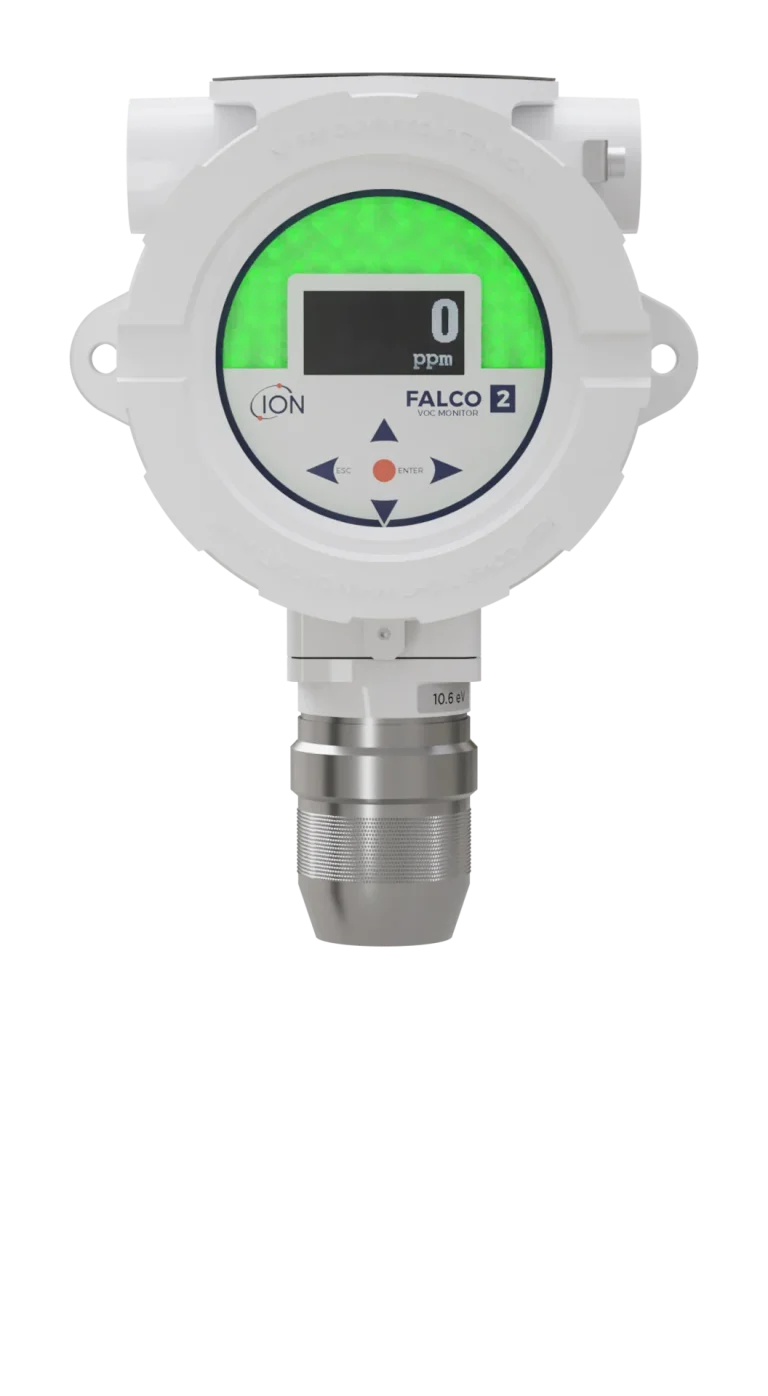
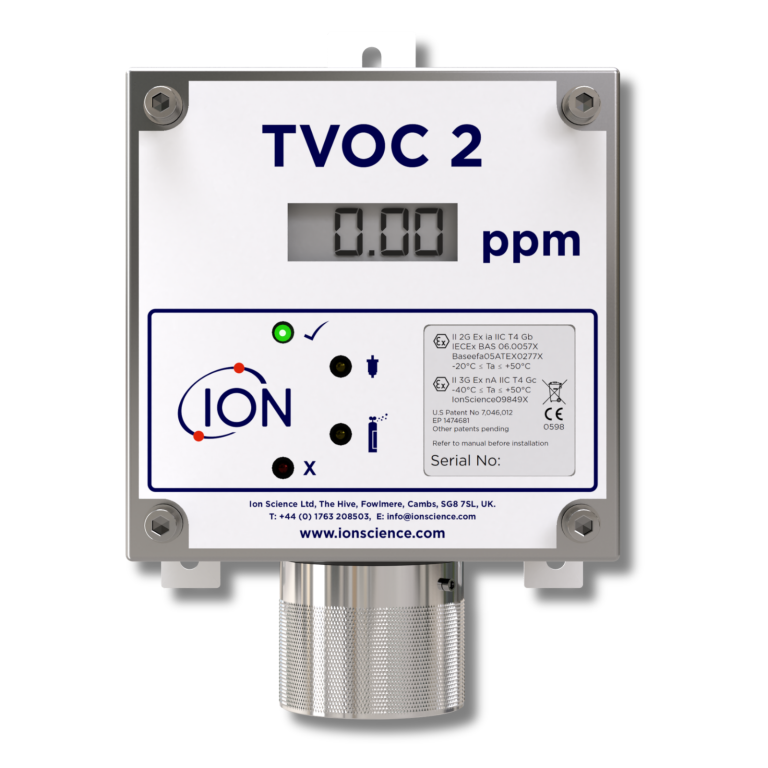
ION Science provides portable, wearable and fixed gas detection instruments for research, laboratory and cleanroom applications.
Our photoionisation detection instruments measure a broad range of volatile organic compounds and total aromatic compounds. Patented Fence Electrode Technology helps reduce the effects of humidity and contamination, supporting stable readings in demanding environments.
PIDs provide a combined response from detectable compounds and do not ordinarily identify individual substances. The appropriate instrument, lamp energy and calibration should therefore be selected according to the compounds present and the monitoring objective.
Additional gas detection solutions can support personal monitoring and the detection of oxygen, toxic and flammable gas hazards. The required technology should be determined through the laboratory risk assessment, taking account of the substances, expected concentrations and operating environment.
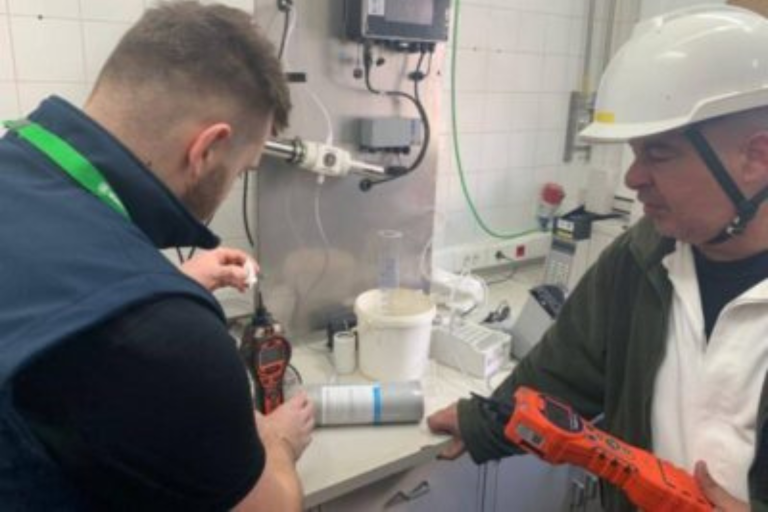
Learn how Hovione implemented the ION Science Tiger 11.7 eV to monitor volatile organic compounds, including dichloromethane, within pharmaceutical manufacturing environments.
Discover more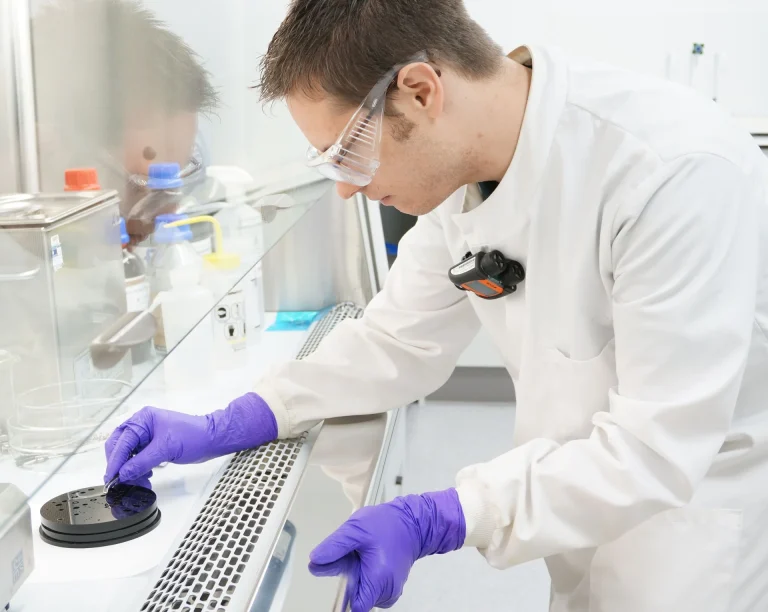
Discover how the National Oceanography Centre uses ION Science Cub personal PID detectors to monitor potential VOC exposure and support safer laboratory working practices.
Discover more
Find out how RISE Research Institutes of Sweden uses the ION Science Tiger XTL to monitor gases during battery-cell research and testing.
Discover moreFind your nearest authorised ION Science distributor for application guidance, product availability and support with selecting gas detection equipment for research and laboratory environments.