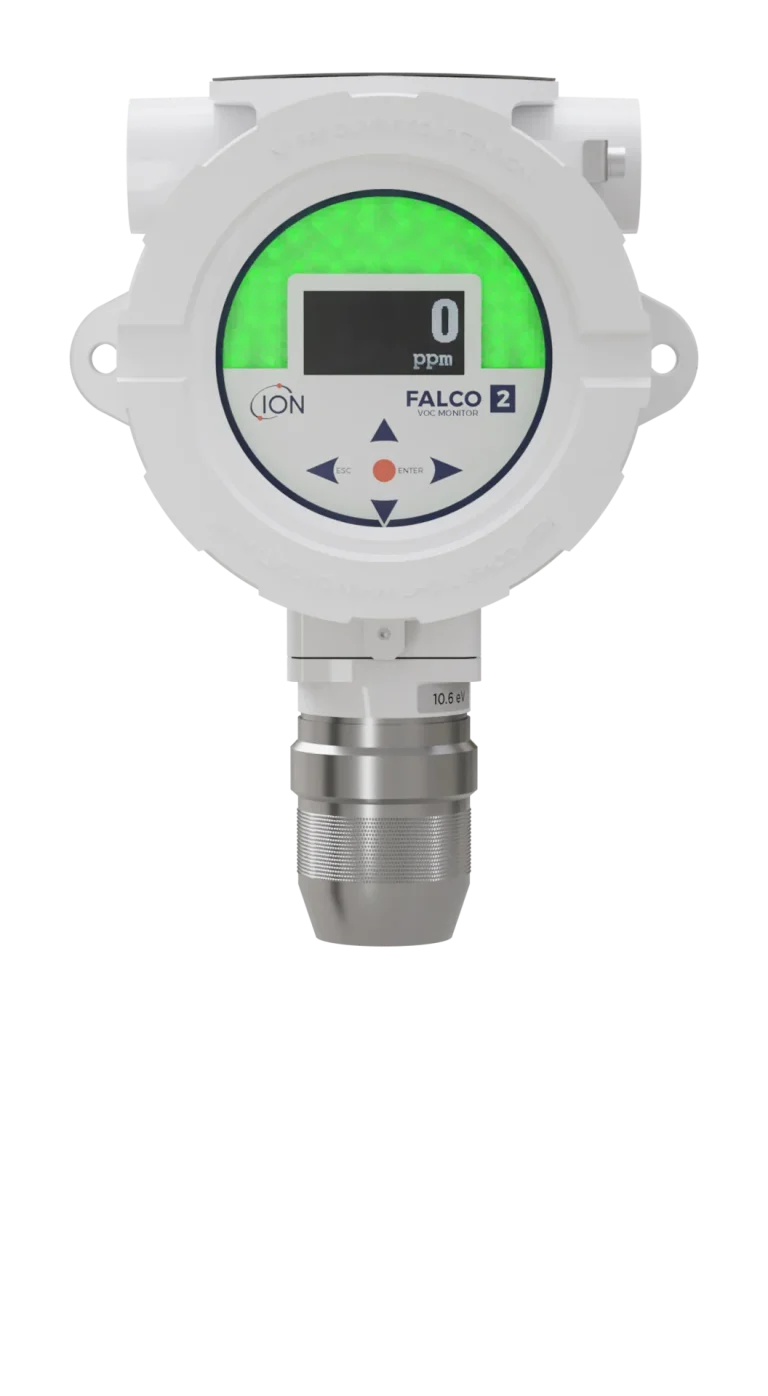
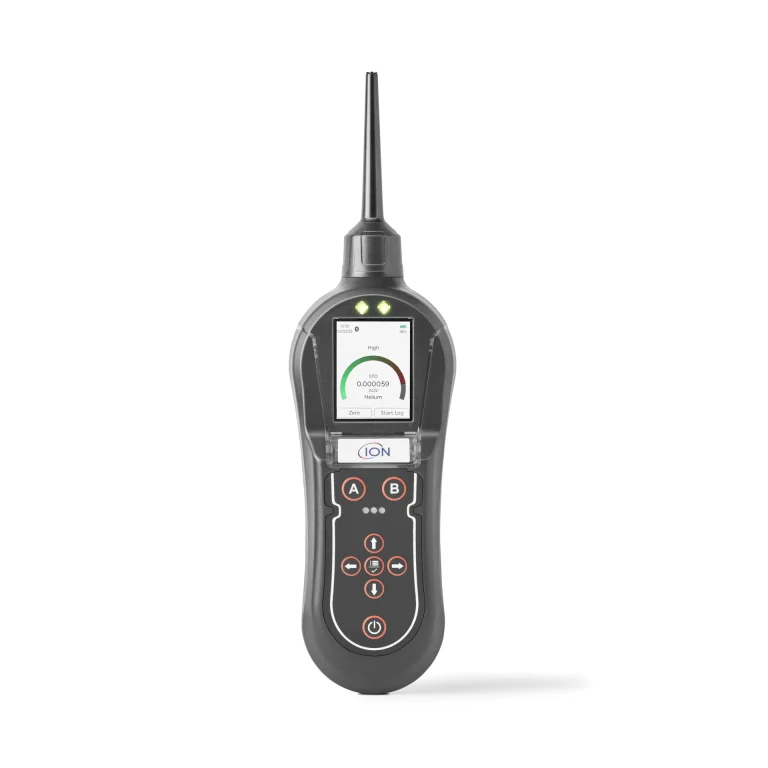
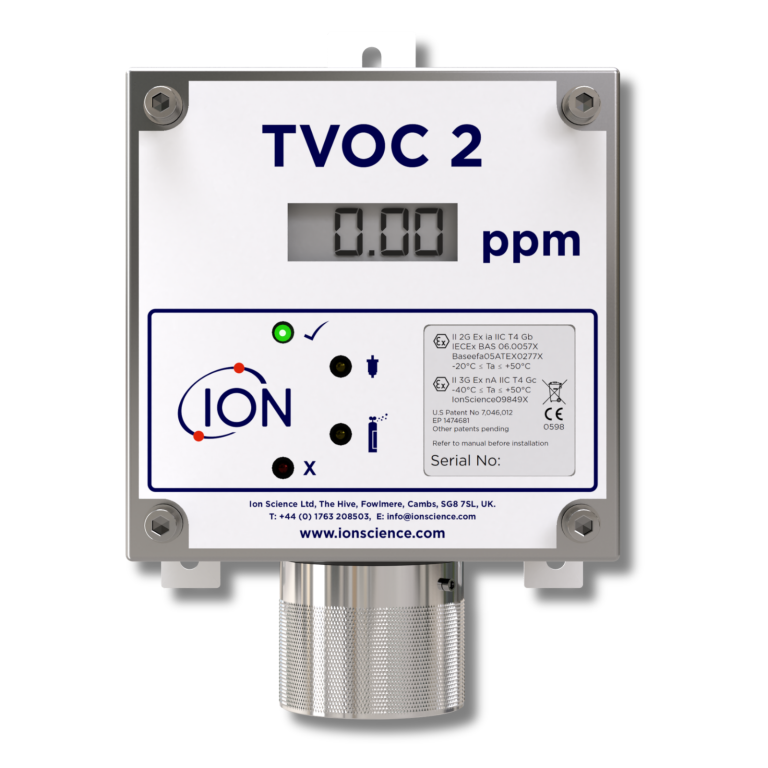
Isopropanol | CAS 67-63-0

Detecting Isopropanol

Isopropanol (C3H8O), also known as isopropyl alcohol, IPA or 2-propanol, is a colourless, highly flammable solvent widely used in manufacturing, electronics, pharmaceuticals, laboratories and healthcare. Valued for its excellent cleaning, disinfecting and solvent properties, isopropanol is commonly used in surface preparation, degreasing and chemical processing. However, its high volatility means vapours can quickly accumulate, making isopropanol gas detection essential wherever it is stored, handled or used.

Effective isopropanol monitoring helps organisations protect workers, identify solvent vapours and manage workplace exposure. From manufacturing facilities and laboratories to cleanrooms and pharmaceutical production, selecting the right isopropanol detector supports safer operations and compliance with occupational exposure limits.

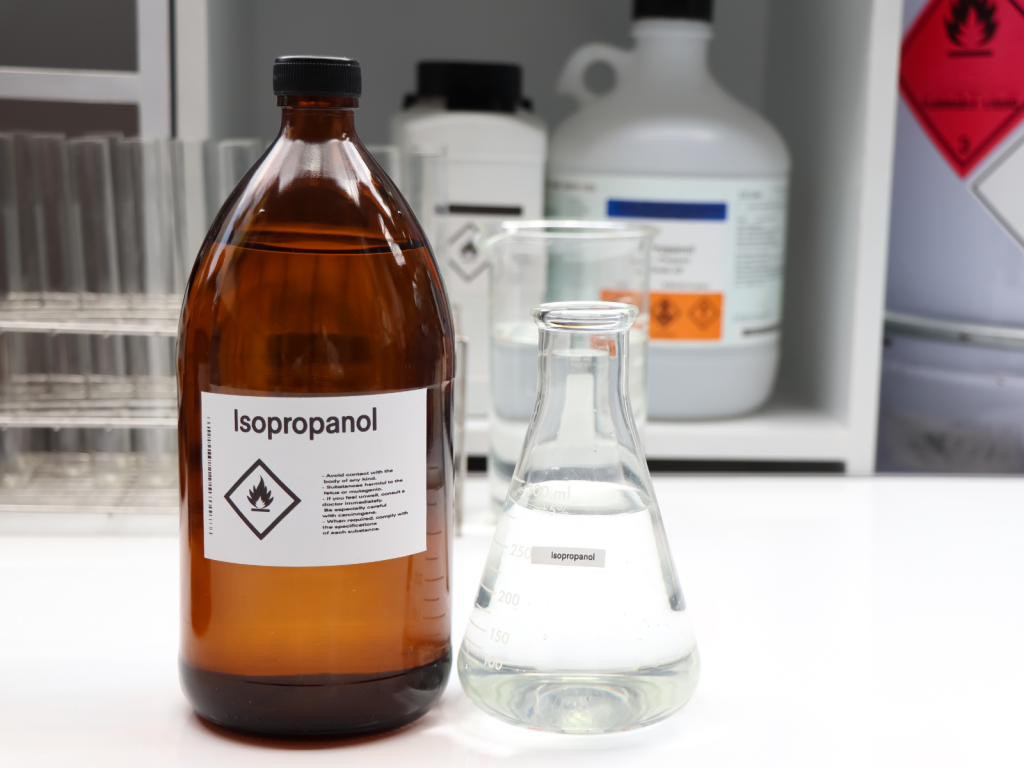
Amber chemical bottle labeled “Isopropanol” next to a clear laboratory flask on a white bench, with blurred lab containers and hazard sign labels in the background.

Isopropanol Properties

Property  Value
Chemical Formula C3H8O
CAS Number 67-63-0 
Molecular Weight 60.1 g/mol
Appearance Colourless vapour 
Odour Alcohol-like
Flammability Highly flammable
Relative Density Heavier than air
Common Detection Technology Photoionisation Detection (PID) technology

What is Isopropanol?

Isopropanol is one of the world’s most widely used industrial solvents. It is commonly found in disinfectants, cleaning products, pharmaceuticals, cosmetics, electronics manufacturing and chemical processing. Its ability to dissolve oils, resins and other contaminants makes it an effective cleaning and degreasing agent across many industries.

Because isopropanol evaporates readily, vapour concentrations can build up in enclosed or poorly ventilated environments. Reliable isopropanol gas detection enables organisations to monitor airborne concentrations, reduce exposure risks and maintain safer working environments.

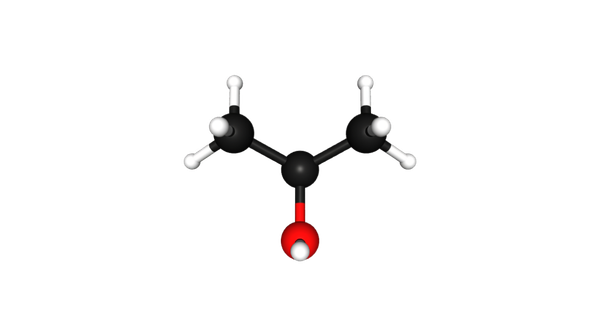
3D molecular model showing the chemical structure of isopropanol

Common Applications for Isopropanol Detection

Electronics Manufacturing  Pharmaceutical & Medical Chemical Manufacturing
Monitor IPA vapours during circuit board cleaning, component manufacturing and precision cleaning processes. Support workplace exposure monitoring where isopropanol is used during production and formulation. Detect isopropanol vapours throughout production, storage and processing operations.
Healthcare & Cleanrooms Printing & Industrial Cleaning
Monitor isopropanol used for equipment cleaning, sterilisation and surface disinfection. Monitor solvent vapours during cleaning, degreasing and maintenance activities.

Why Detect Isopropanol?

Protect Workers

Isopropanol vapour can irritate the eyes and respiratory system. Exposure to higher concentrations may cause headaches, dizziness, drowsiness or other effects on the central nervous system.

Real-time isopropanol monitoring provides an early indication of elevated vapour concentrations, allowing workers to follow the appropriate safety procedure before exposure increases.

Support Occupational Exposure Monitoring

Real-time VOC monitoring helps organisations identify concentration peaks, changing exposure patterns and tasks that may generate isopropanol vapour. This information can support workplace risk assessments and help evaluate whether ventilation, containment and working practices are controlling exposure effectively.

Direct-reading monitoring supports exposure management but does not replace any prescribed occupational-hygiene sampling or regulatory compliance method.

Detect Vapour Releases Early

Isopropanol vapour may be released through spills, leaks, open containers, solvent transfer, cleaning activities or inadequate ventilation. Early detection helps teams locate and investigate the source before vapour spreads or accumulates.

Portable, wearable or fixed VOC detectors may be used depending on the process, monitoring objective and workplace risk assessment.

Improve Process Safety

Routine isopropanol monitoring supports safer storage, handling and use by identifying unexpected vapour concentrations and changes in process conditions. It can also help maintenance teams assess areas before and during work involving IPA-containing equipment or products.

Because isopropanol is highly flammable, VOC monitoring should complement appropriate ventilation, ignition controls and fire-safety measures. Where the objective is to measure flammability directly, a suitable combustible-gas or LEL detector may also be required.

Health Effects of Acetone Exposure

Short-Term (Acute) Exposure

Long-Term (Chronic) Exposure

Exposure may cause: Repeated or prolonged exposure may result in:
  • Eye irritation
  • Nose and throat irritation
  • Headaches
  • Dizziness
  • Drowsiness
  • Dry or cracked skin
  • Respiratory irritation
  • Central nervous system effects following prolonged or repeated exposure

Workplace Exposure Limits of Isopropanol

Standard Limit
UK EH40 WEL (8-hour TWA) 400 ppm
UK EH40 WEL (15-minute STEL) 500 ppm
OSHA PEL (8-hour TWA) 400 ppm
NIOSH REL (8-hour TWA) 400 ppm
NIOSH IDLH 2,000 ppm

Exposure limits are provided for guidance and were checked against the relevant regulatory sources in August 2026. Always refer to the latest published guidance from the relevant authority.

Sources: EH40/2005 Workplace exposure limits; OSHA Table Z-1-Limits for Air Contaminants; NIOSH Pocket Guide to Chemical Hazards

How is Isopropanol Detected?

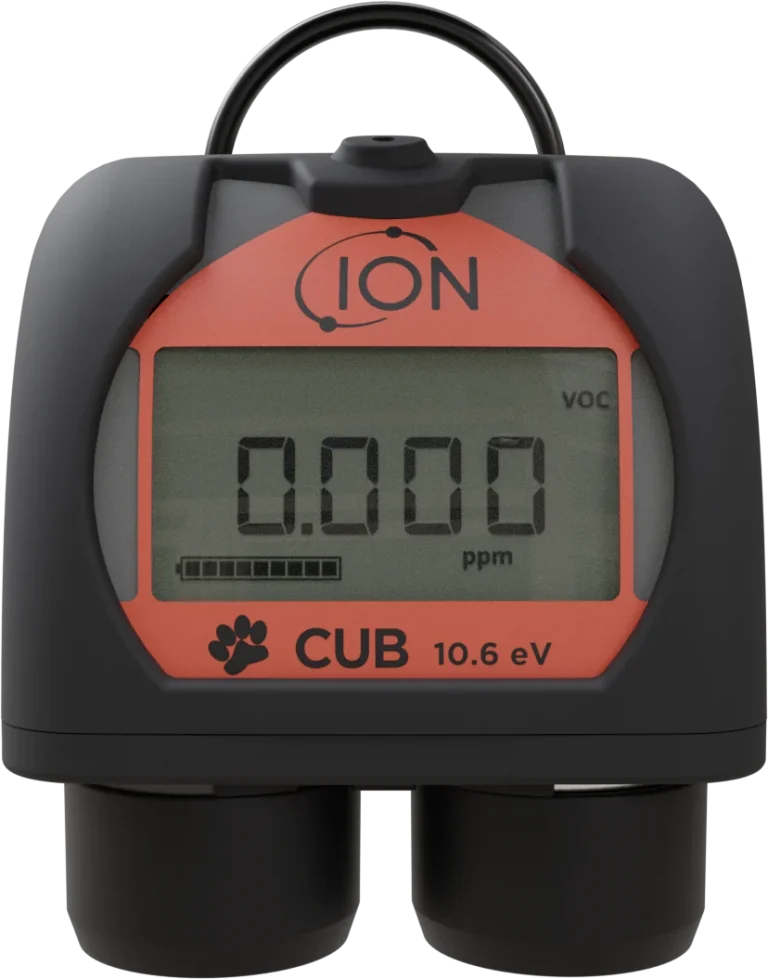
Isopropanol gas detection is commonly achieved using photoionisation detector (PID) technology. With an ionisation potential of 10.17 eV, isopropanol can be effectively detected using 10.6 eV PID lamps, providing fast, real-time monitoring of airborne vapour concentrations.

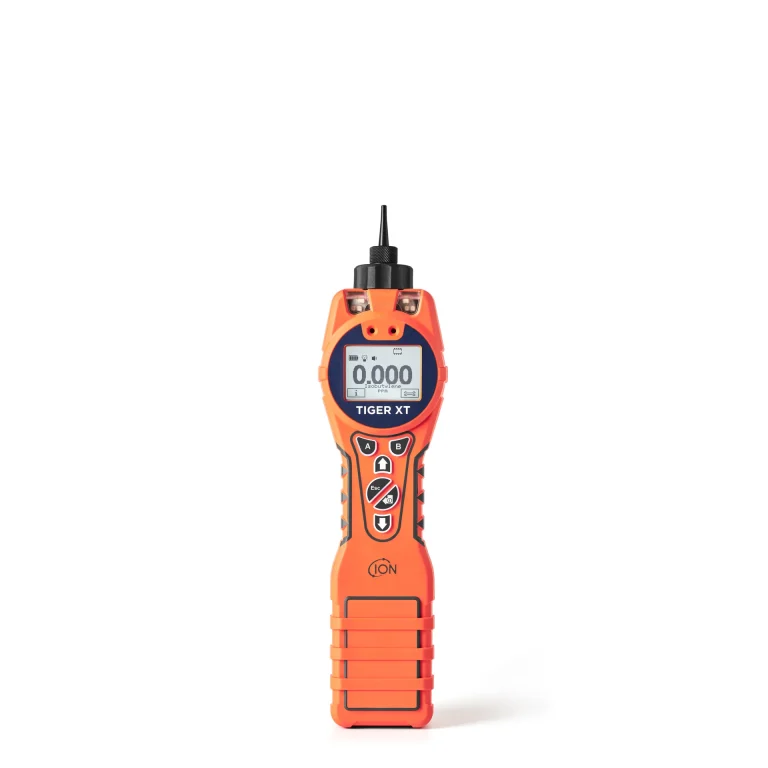
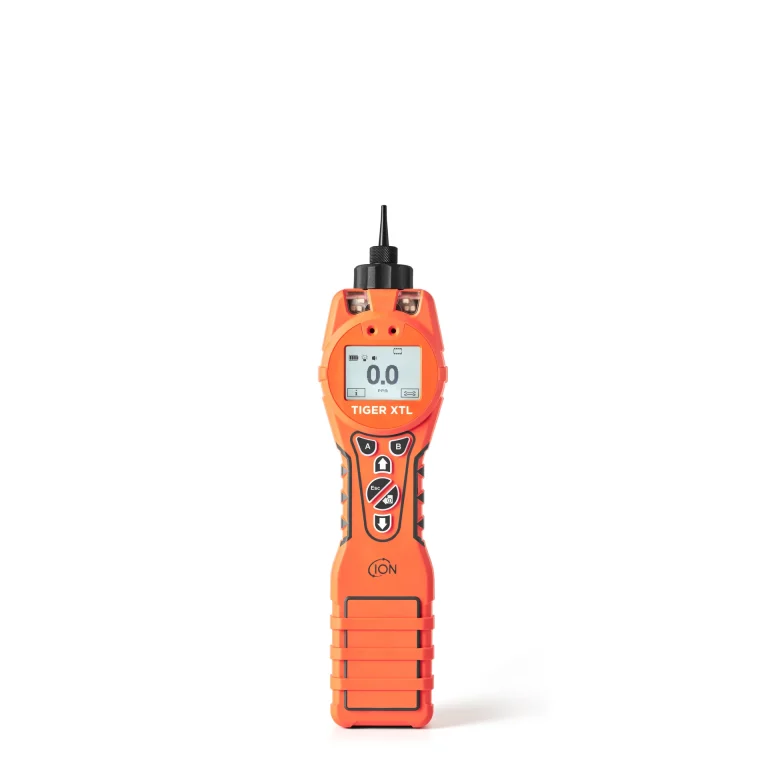
Personal and fixed isopropanol detectors provide continuous monitoring to identify changing vapour concentrations, helping organisations manage workplace exposure, detect solvent releases and improve workplace safety.

Frequently Asked Questions about Isopropanol

Isopropanol, also known as isopropyl alcohol (IPA) or 2-propanol, is a colourless solvent widely used in manufacturing, pharmaceuticals, laboratories, electronics and healthcare applications.

Yes. Isopropanol, isopropyl alcohol, IPA and 2-propanol are different names for the same chemical. In Great Britain’s workplace exposure guidance, it is listed as propan-2-ol.

Because isopropanol evaporates rapidly, vapour concentrations can build up in enclosed or poorly ventilated areas. Continuous isopropanol monitoring helps protect workers and maintain safe operating conditions.

Airborne isopropanol vapour can be detected using photoionisation detector (PID) technology. A PID provides a rapid, real-time response to isopropanol and can be used for personal monitoring, workplace surveys, leak investigation and continuous area monitoring.

The appropriate instrument depends on the expected concentration, required measurement range and other gases or vapours present.

Isopropanol is widely used in electronics manufacturing, pharmaceutical production, laboratories, healthcare, chemical processing and industrial cleaning.

Yes. Isopropanol has an ionisation potential of 10.17 eV, making it suitable for detection using 10.6 eV PID detectors.

In Great Britain, the Workplace Exposure Limits for isopropanol are:

  • 400 ppm as an eight-hour time-weighted average
  • 500 ppm as a 15-minute short-term exposure limit

These values are published under the name propan-2-ol in the HSE’s EH40 Workplace Exposure Limits. Organisations elsewhere should consult the current limits applicable within their country and industry.

Find the Right Isopropanol Detection Solution

Whether you’re monitoring workplace exposure, implementing continuous isopropanol monitoring or detecting solvent vapours during manufacturing and cleaning processes, our specialists can help you identify the most suitable solution for your application.

Contact the ION Science team to discuss your requirements and discover the right isopropanol detector for your facility.

Contact ION Science

Loading enquiry form…

Contact ION Science

Loading enquiry form…

Newsletter sign up

Loading enquiry form…

Warranty registration

Loading enquiry form…

Contact support

Loading enquiry form…