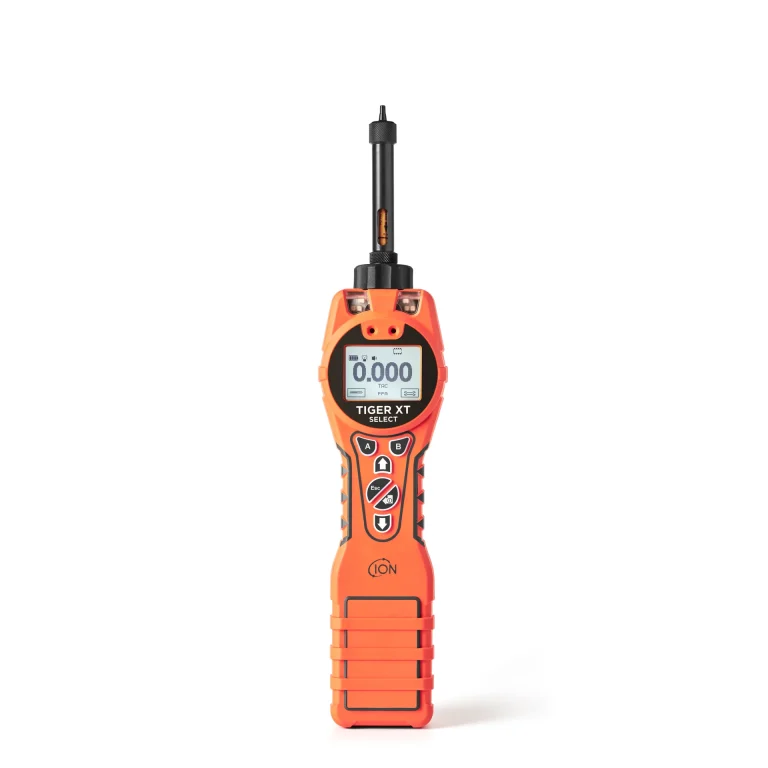
Tiger XT Select Portable Benzene Detector
Tiger XT Select is a portable PID detector for VOC and total aromatic compound monitoring, with benzene-selective measurement using a pre-filter tube.
View product: Tiger XT Select Portable Benzene DetectorXylene (C8H10) is a volatile organic compound (VOC) and a member of the BTEX family, commonly used as an industrial solvent in applications including paints, coatings, adhesives, printing and chemical manufacturing.
Effective xylene detection is essential in workplaces where vapour exposure may occur, helping organisations monitor VOC levels and maintain safer working environments.
ION Science PID (photoionisation detection) technology provides accurate, real-time xylene gas detection, enabling users to identify solvent vapours, monitor exposure and support effective workplace safety procedures.

| Property | Value |
| Chemical Formula | C8H10 |
| CAS Number | 1330-20-7 (mixed xylene) |
| Molecular Weight | 106.17 g/mol |
| Appearance | Colourless |
| Odour | Sweet aromatic odour |
| Flammability | Highly flammable liquid and vapour |
| Relative Density | Heavier than air |
| Common Detection Technology | Photoionisation Detection (PID) technology |
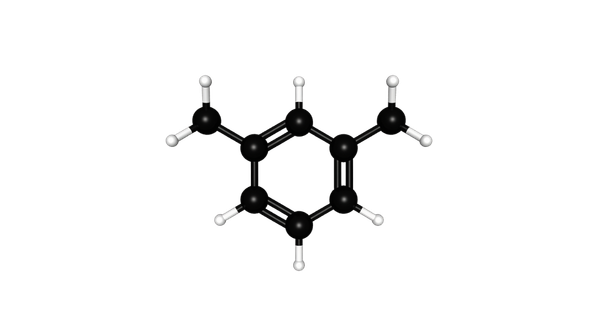
Xylene is an aromatic hydrocarbon and volatile organic compound commonly found as a mixture of three chemical forms: m-xylene (meta-xylene), o-xylene (ortho-xylene) and p-xylene (para-xylene). It is also one of the four aromatic compounds in the BTEX group, alongside benzene, toluene and ethylbenzene.
Because of its effective solvent properties, xylene is widely used in paints, coatings, adhesives, printing inks, cleaning products, fuels and chemical manufacturing processes. Xylene evaporates readily at room temperature, meaning airborne vapours may develop during mixing, application, storage, transfer and maintenance activities.
Industrial xylene gas detection enables organisations to monitor airborne VOC concentrations in real time, identify vapour releases and assess changing workplace conditions. Reliable xylene monitoring can help reduce occupational exposure risks, evaluate ventilation controls and support safer handling of xylene-containing products.
Xylene detection is commonly required in industries where solvent vapours may be generated during manufacturing, storage, handling and processing activities.
| Manufacturing & Industrial Processing | Oil & Gas | Chemical & Petrochemical |
| Monitoring solvent use in production environments, including coatings, plastics, adhesives and manufactured products where xylene-containing materials may be used. |
Monitoring xylene vapours and other VOCs associated with hydrocarbons, fuels and refining processes. Detection can support leak investigation, maintenance activities and workplace exposure assessments across upstream, midstream and downstream operations. |
Supporting safe handling, storage and processing of xylene within chemical manufacturing environments. VOC monitoring can help identify potential releases during production, transfer operations and equipment maintenance. |
| Research & Laboratory | Paints, Coatings and Printing | |
| Identifying VOC vapours where solvents are used for testing, analysis, cleaning and research applications. |
Detecting vapours from paints, lacquers, varnishes, printing inks and thinners where xylene is commonly used as a solvent. |
Monitoring xylene concentrations helps organisations identify potential exposure risks, assess workplace conditions and implement appropriate control measures.
As a volatile solvent, xylene can quickly evaporate into the surrounding air. Real-time xylene gas monitoring allows users to identify changing VOC levels, investigate potential leaks and verify that ventilation and safety controls are effective.
Xylene detection can support:
Exposure to xylene can occur through inhalation of vapours, skin contact or accidental ingestion. The potential health effects depend on the concentration, duration and frequency of exposure.
Short-Term (Acute) Exposure |
Long-Term (Chronic) Exposure |
| Short-term exposure may cause symptoms including: | Repeated or prolonged exposure to xylene may result in more serious health effects, including: |
|
|
Appropriate ventilation, safe handling procedures and reliable xylene detection equipment can help reduce workplace exposure risks.
Workplace exposure limits for xylene vary between regulatory bodies and regions. These limits provide guidance on acceptable airborne concentrations over defined periods.
| Standard | Limit |
|---|---|
| UK EH40 WEL (8-hour TWA) | 50 ppm |
| UK EH40 WEL (15-minute STEL) | 100 ppm |
| OSHA PEL (8-hour TWA) | 100 ppm |
| NIOSH REL (10-hour TWA) | 100 ppm |
| NIOSH REL (15-minute STEL) | 150 ppm |
| NIOSH IDLH | 900 ppm |
Exposure limits are provided for guidance and were checked against the relevant regulatory sources in August 2026. Always refer to the latest published guidance from the relevant authority.
Sources: EH40/2005 Workplace exposure limits; OSHA Table Z-1-Limits for Air Contaminants; NIOSH Pocket Guide to Chemical Hazards
Xylene is commonly detected using photoionisation detection (PID) technology. PIDs use ultraviolet light to ionise VOC molecules, allowing instruments to measure airborne concentrations in real time.
PID technology is suitable for xylene detection because it provides:
When selecting a xylene detector, factors such as required sensitivity, monitoring location, environmental conditions and whether personal or area monitoring is required should be considered.
Xylene is commonly used as an industrial solvent in paints, coatings, adhesives, printing inks, cleaning products and chemical manufacturing processes.
Yes. Xylene is classified as a volatile organic compound because it evaporates readily at room temperature.
Yes. Xylene has an ionisation potential below the output of commonly used PID lamps, making it suitable for detection using PID technology.
PID-based VOC detectors are commonly used for xylene monitoring due to their sensitivity, rapid response and ability to provide real-time measurements.
Yes. Xylene is one of the four aromatic compounds represented by the term BTEX, alongside benzene, toluene and ethylbenzene. Within BTEX measurements, “xylene” may include the combined contribution of its different isomers.
Xylene occurs in three isomeric forms: ortho-xylene (o-xylene), meta-xylene (m-xylene) and para-xylene (p-xylene). They have the same molecular formula, C₈H₁₀ but differ in the position of the two methyl groups attached to the benzene ring.
Yes. Xylene is flammable, and exposure to elevated vapour concentrations can irritate the eyes, nose, throat and skin. It may also affect the central nervous system, potentially causing headache, dizziness, confusion or impaired coordination.
In Great Britain, xylene—all isomers—has a Workplace Exposure Limit of 50 ppm over an eight-hour time-weighted average and 100 ppm over a 15-minute reference period. Xylene also carries a skin notation, indicating that absorption through the skin can contribute to total exposure. Always consult the latest limits applicable to the relevant country and industry.
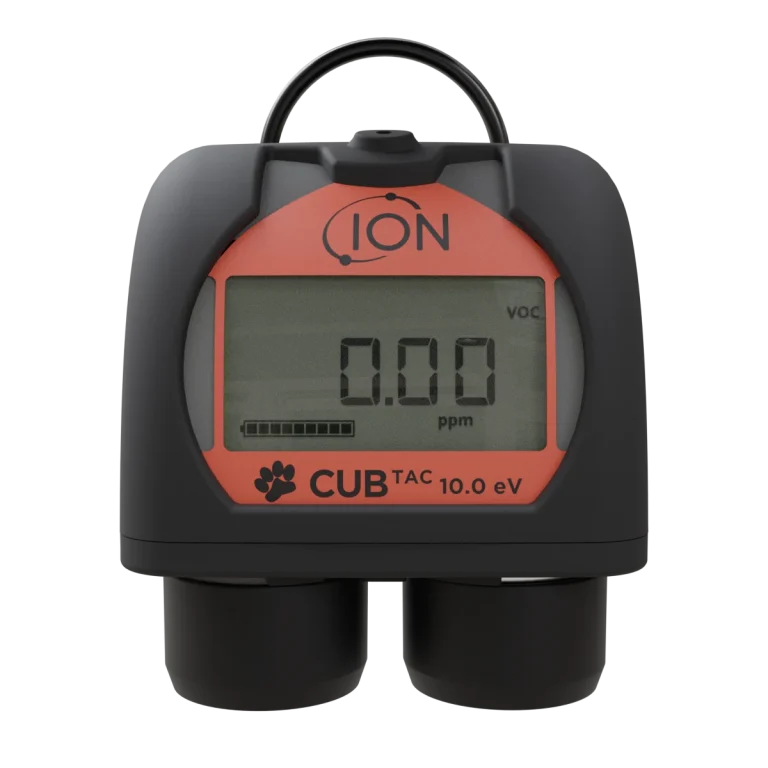
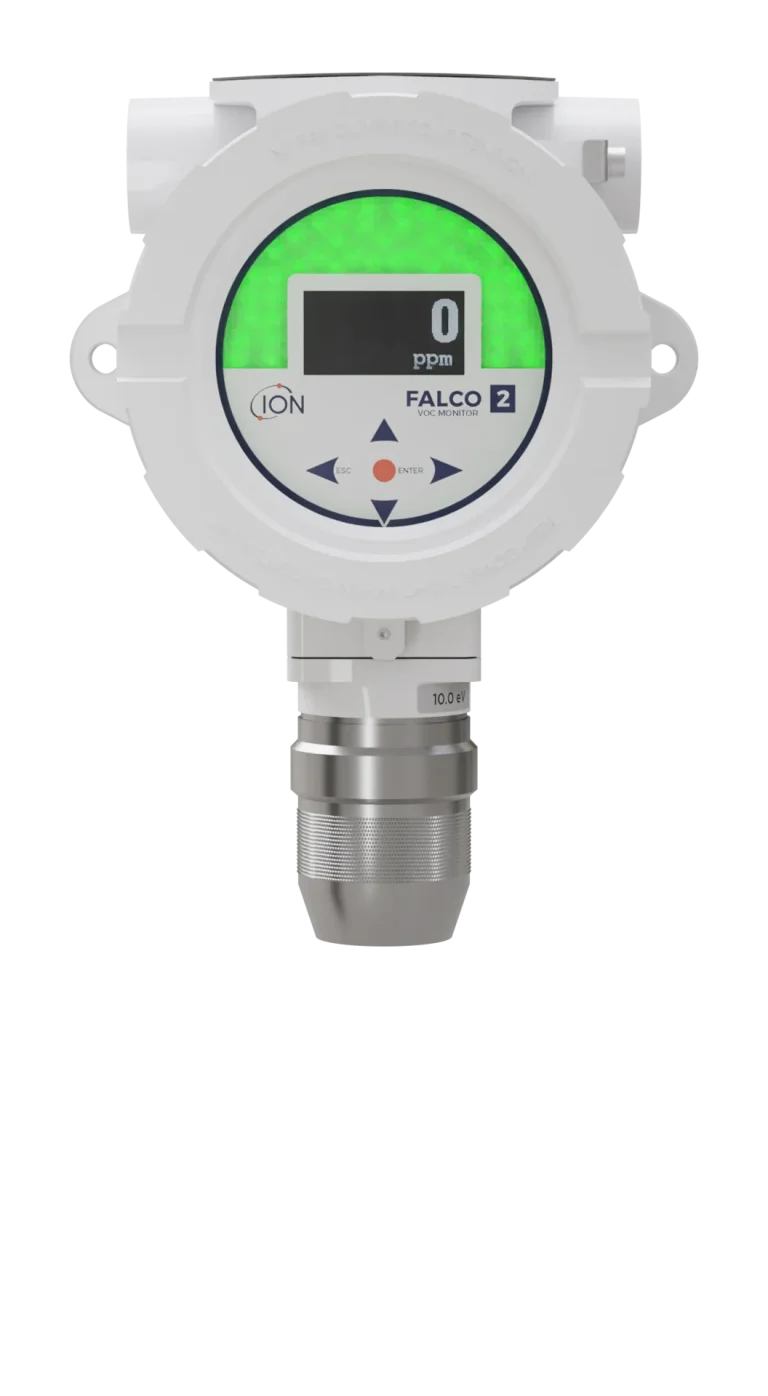
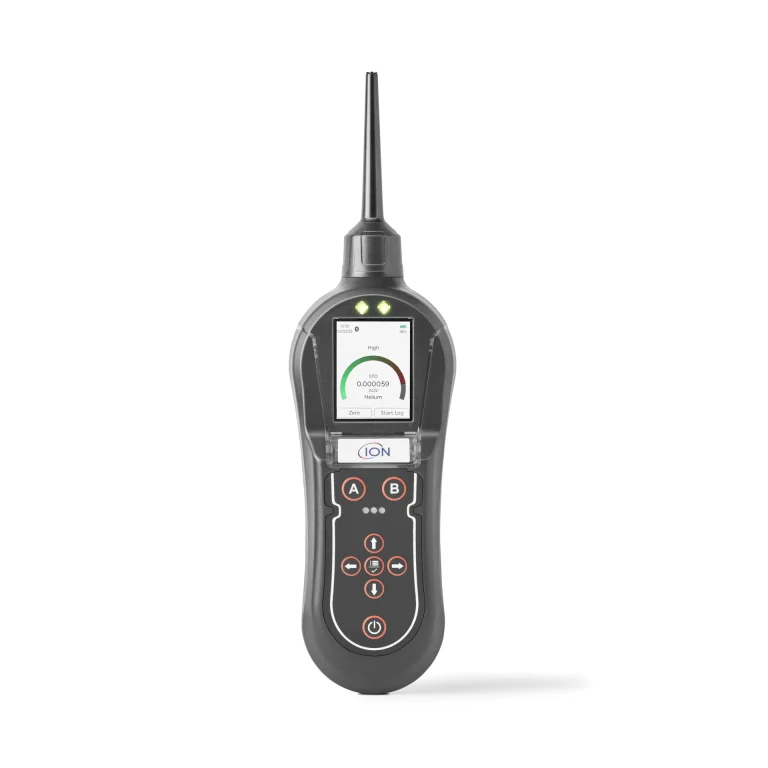
From personal VOC monitoring to fixed-area detection, ION Science provides PID technology designed to help industries identify and manage xylene exposure risks.
Contact our team to discuss your xylene detection requirements and find the right VOC monitoring solution for your application.