Cub 10.0 eV Wearable PID TAC Detector
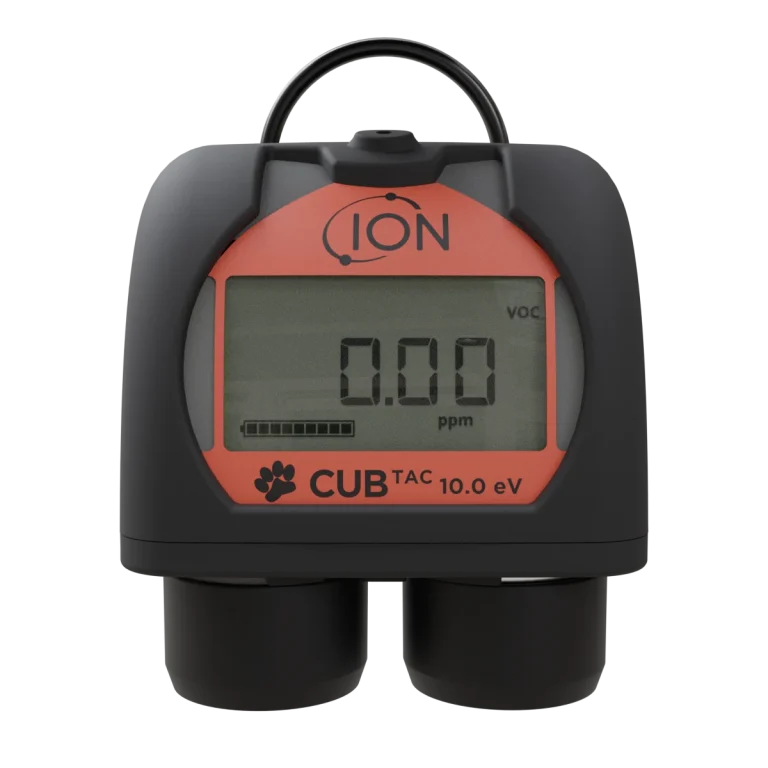
Cub TAC 10.0 eV is a wearable PID monitor for personal exposure to total aromatic compounds, including benzene, toluene and xylene.
View productWearable gas detectors keep workers safe from atmospheric hazards by continuously monitoring the user’s breathing zone, giving an early warning if hazardous gases, or unsafe oxygen levels are detected. Compact, reliable and comfortable to wear throughout a shift, ION Science wearable gas monitors are designed for demanding industrial environments, including hazardous areas and confined spaces. Their unobtrustive design keeps the detector close to the wearer without getting in the way of the job.
Cub TAC 10.0 eV is a wearable PID monitor for personal exposure to total aromatic compounds, including benzene, toluene and xylene.
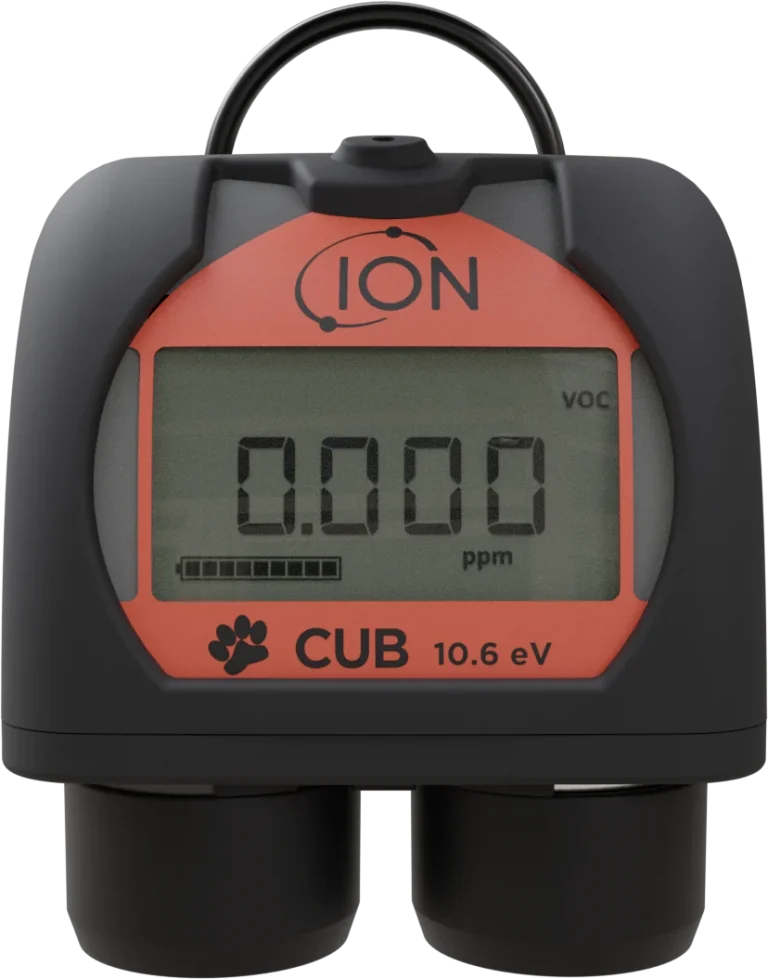
View productCub 10.6 eV is a wearable photoionisation detector (PID) for personal exposure monitoring across a wide range of volatile organic compounds (VOCs).
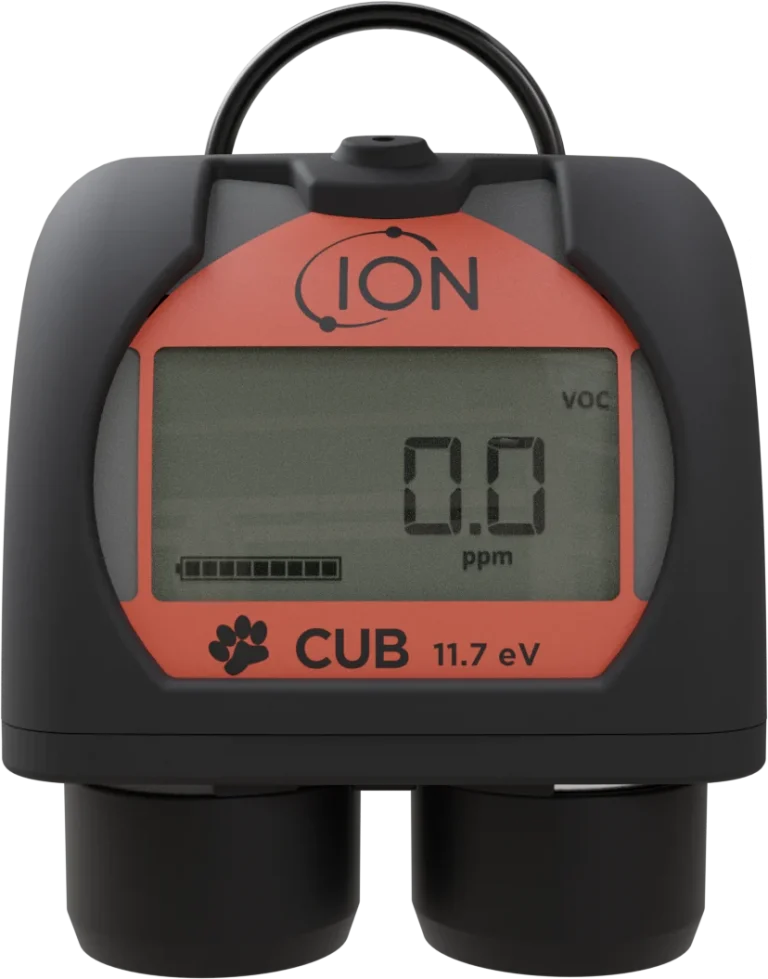
View productCub 11.7 eV is a wearable PID monitor for personal exposure to VOCs, including compounds requiring higher ionisation energy than a 10.6 eV lamp provides.
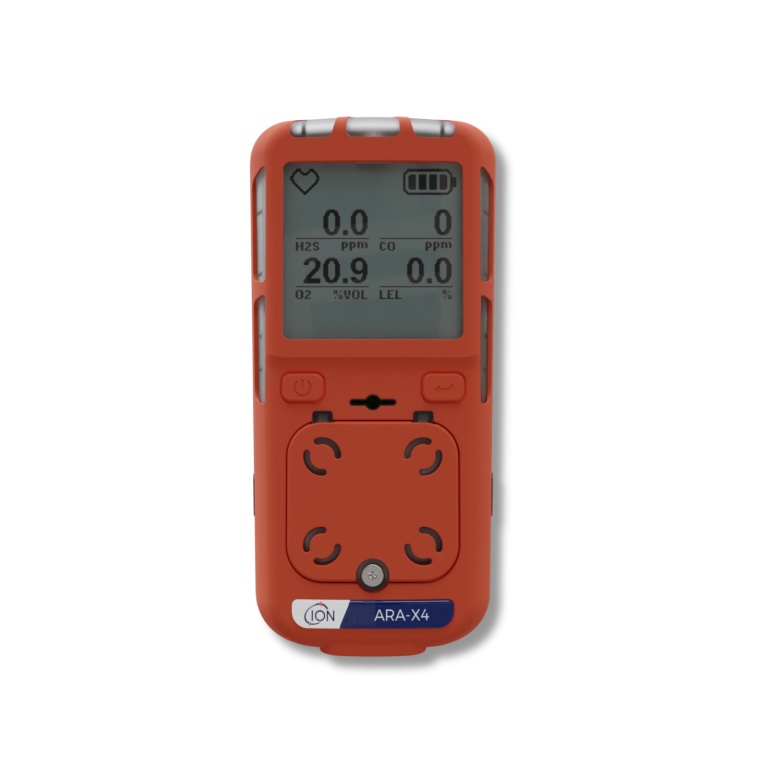
View productA wearable personal gas detector for monitoring up to four gases, supporting worker safety and confined space applications.
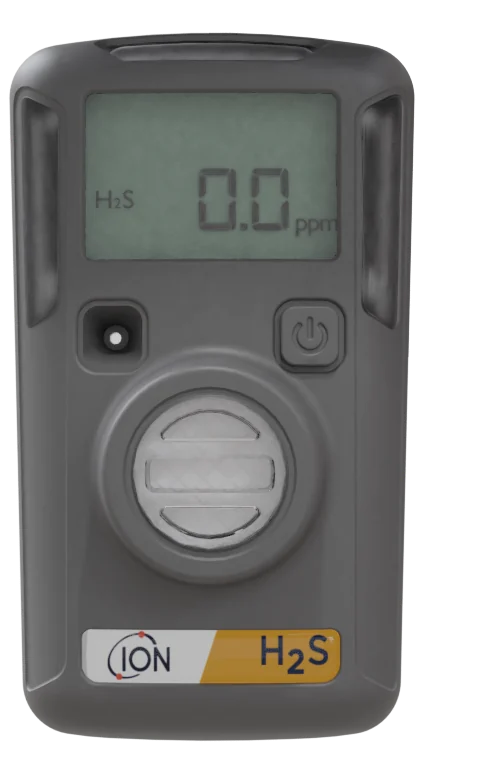
View productARA H2S is a wearable single-gas hydrogen sulfide detector for monitoring personal exposure to H2S in the working environment.
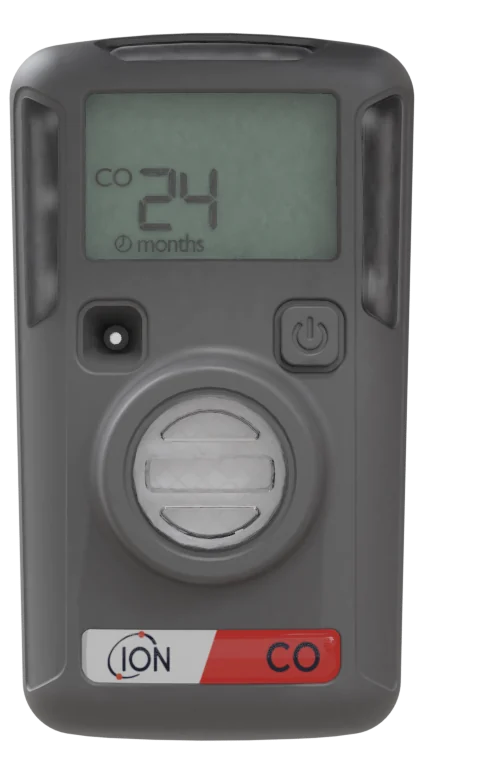
View productARA CO is a wearable single-gas carbon monoxide detector for monitoring personal exposure to CO in the working environment.
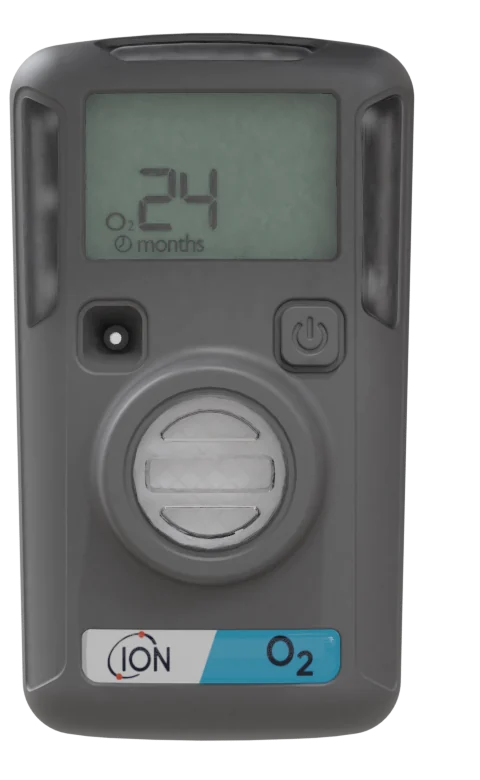
View productARA O2 is a wearable single-gas oxygen detector for personal monitoring of oxygen levels in the working environment.
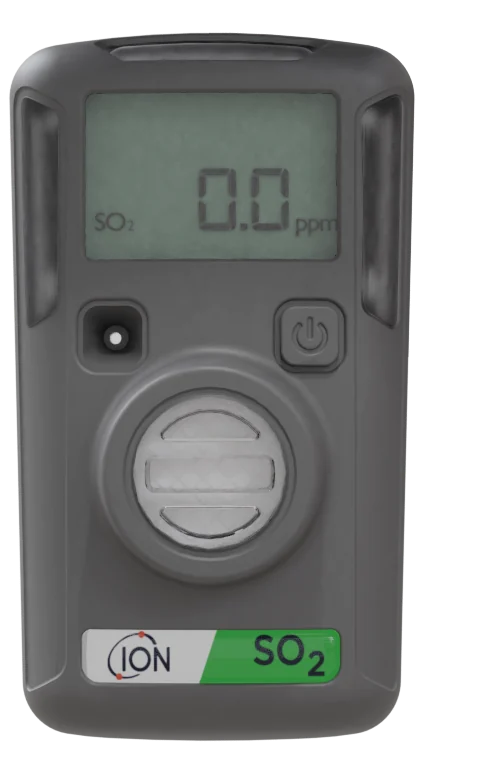
View productARA SO2 is a wearable single-gas sulfur dioxide detector for monitoring personal exposure to SO2 in the working environment.
View productNo products match those filters. Try another option or clear the filters.
Our gas detection specialists can help you select the appropriate wearable gas monitor based on the gases you need to detect, the expected concentrations, your working environment and the monitoring requirements identified by your risk assessment.