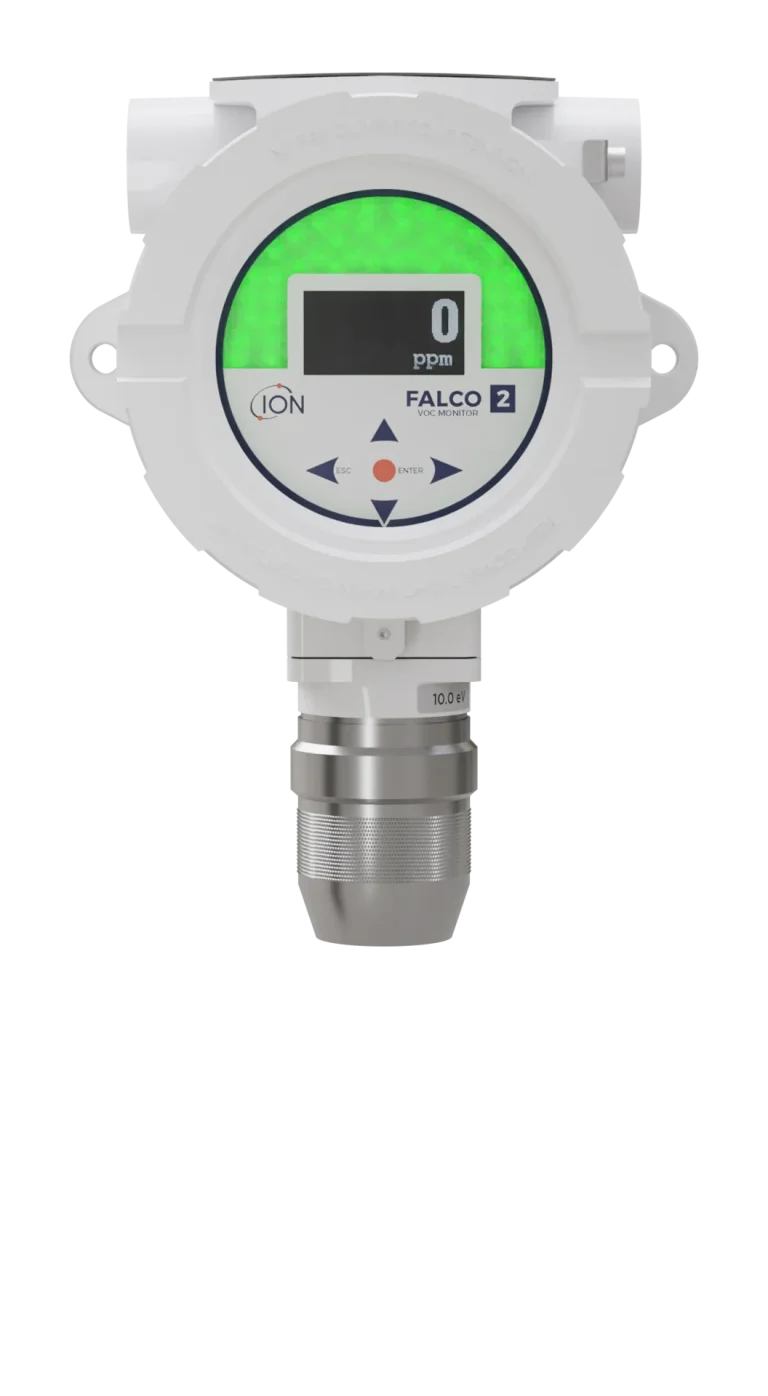
FALCO 2 10.0 eV Fixed Aromatic VOC Gas Detector
FALCO 2 TAC 10.0 eV is a fixed PID detector for monitoring total aromatic compounds, including benzene, toluene and xylene, in industrial environments.
View productFixed gas detectors provide continuous monitoring in areas where hazardous gases could be released. Installed at selected points around a facility, they provide an early warning when gas concentrations reach preset alarm levels, helping protect workers, equipment and site operations.
Fixed gas detection systems are commonly used across large industrial facilities to identify leaks, monitor known risk points and provide around-the-clock area monitoring. They can also be connected to audible and visual alarms or wider site control systems, allowing teams to respond quickly when a potential gas hazard is detected.
FALCO 2 TAC 10.0 eV is a fixed PID detector for monitoring total aromatic compounds, including benzene, toluene and xylene, in industrial environments.
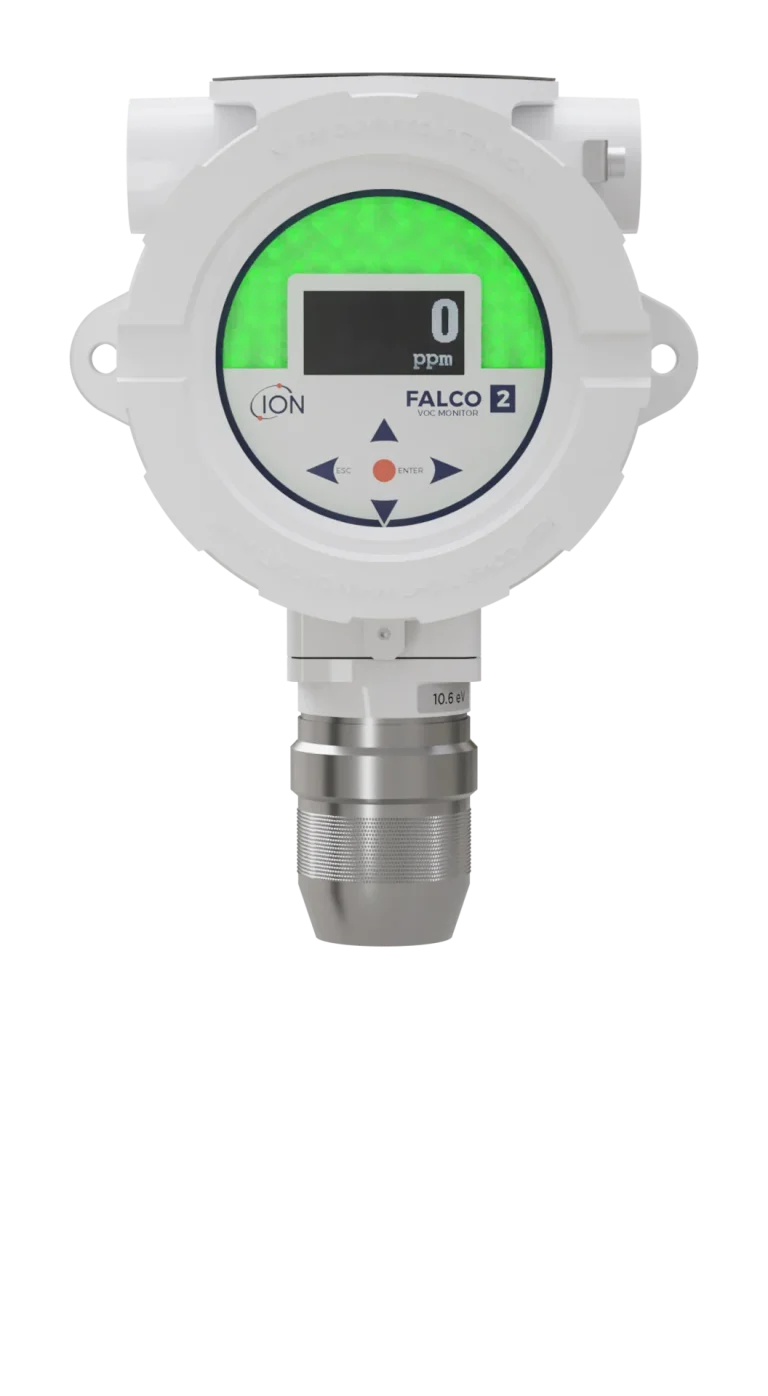
View productFALCO 2 10.6 eV is a fixed photoionisation detector (PID) for monitoring a wide range of airborne volatile organic compounds in industrial environments.
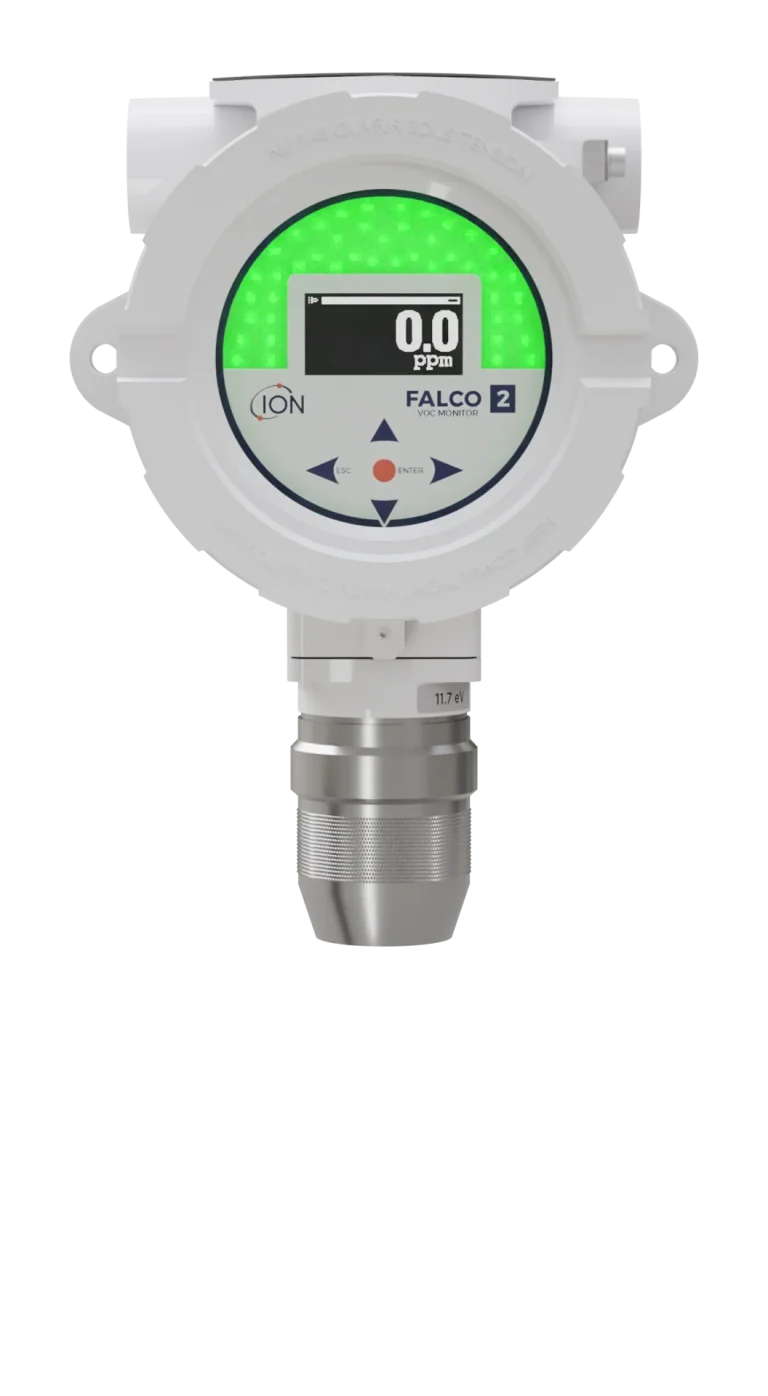
View productFALCO 2 11.7 eV is a fixed PID detector for VOC monitoring, including compounds requiring higher ionisation energy than a 10.6 eV lamp provides.
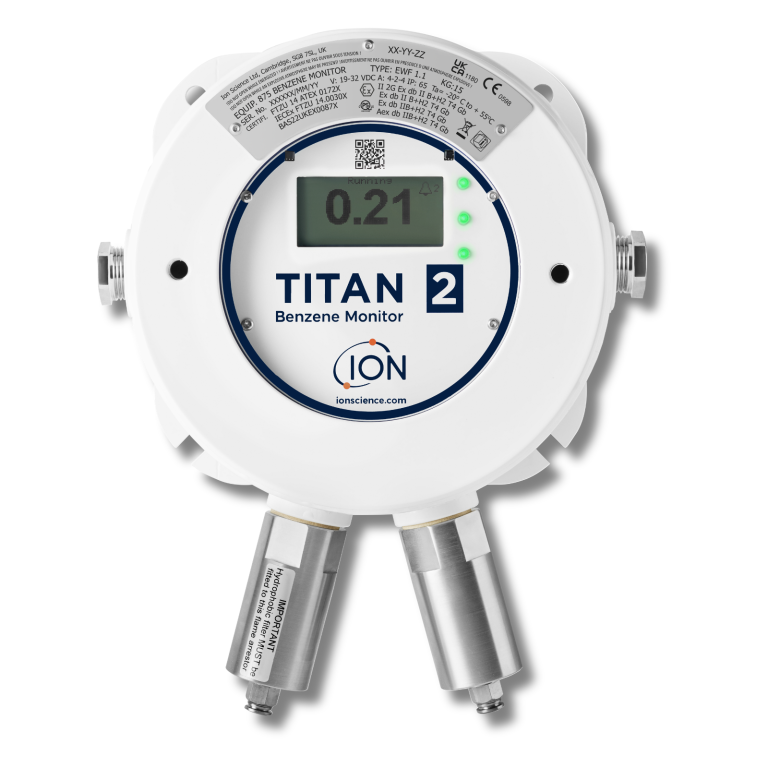
View productA fixed benzene monitor for measuring airborne benzene, supporting exposure assessment and industrial monitoring.
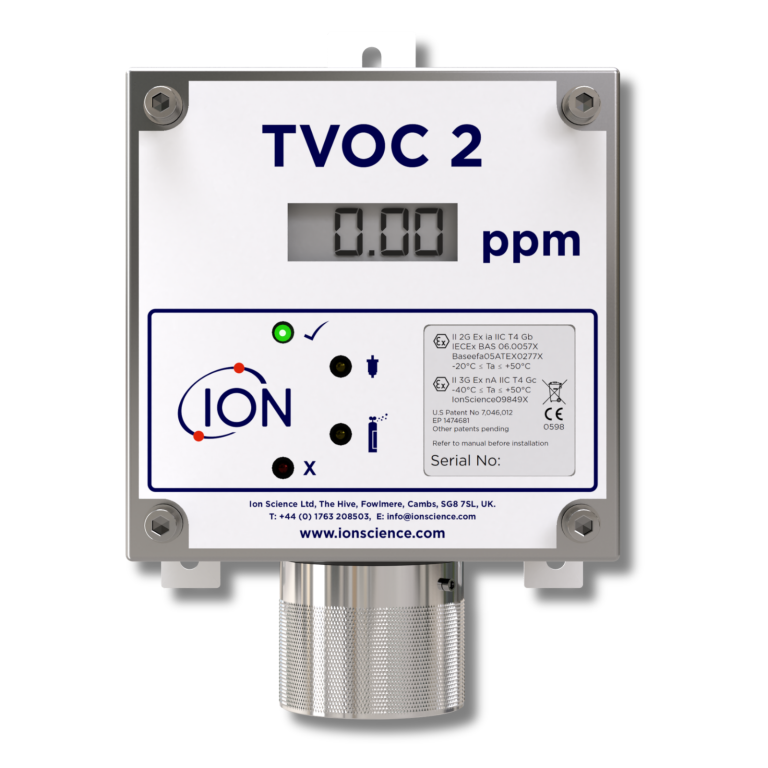
View productA fixed photoionisation detector (PID) for monitoring airborne volatile organic compounds in industrial environments.
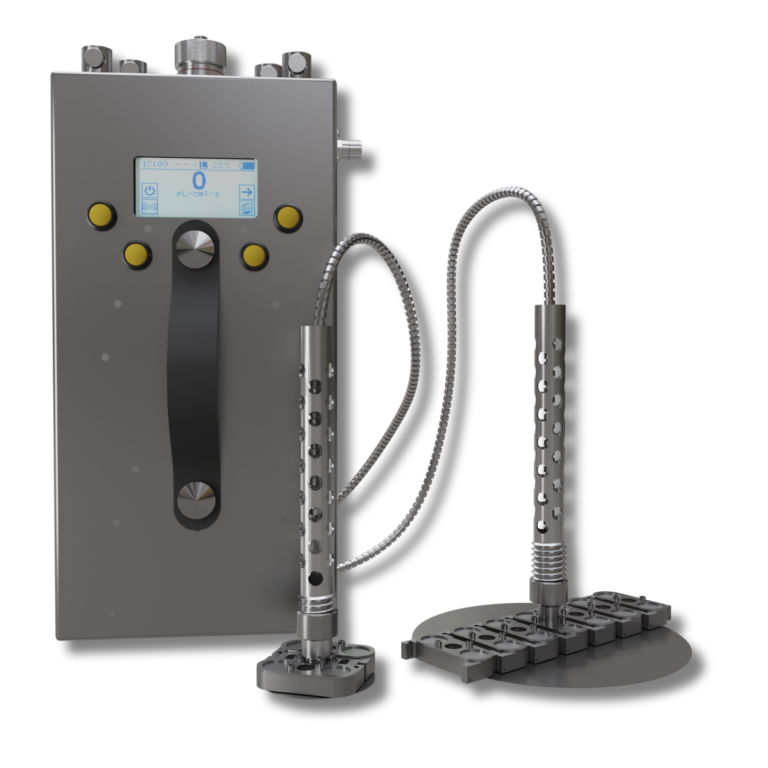
View productA hydrogen flux monitor that measures hydrogen emerging from steel surfaces, supporting corrosion assessment and asset integrity monitoring.
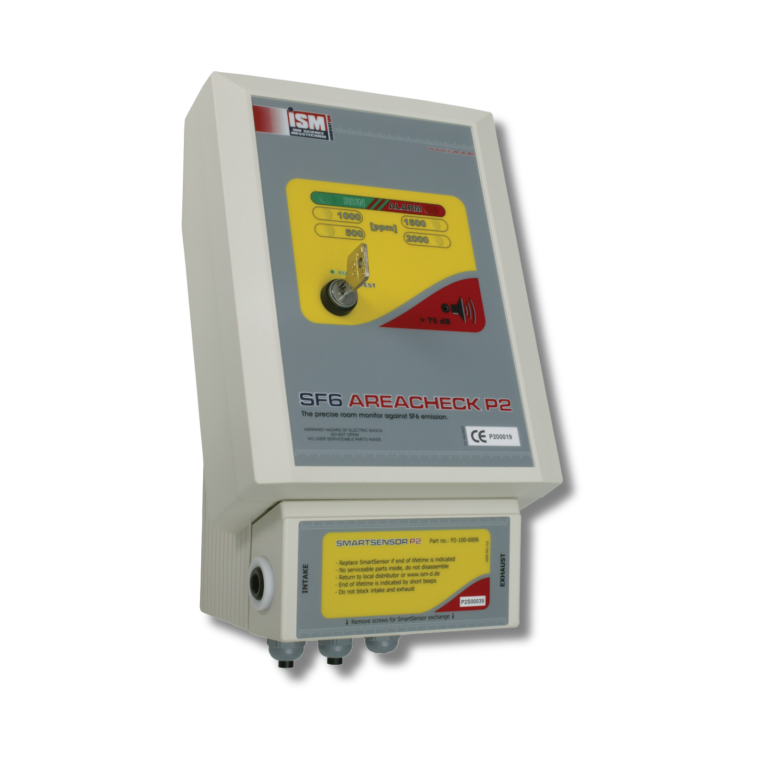
View productA fixed sulphur hexafluoride (SF6) detector for area monitoring, with alarms to provide warning of detected leaks.
View productNo products match those filters. Try another option or clear the filters.
Our gas detection specialists can help you select the right fixed monitor based on the gases or vapours you need to detect, the required measurement range, your working environment and your wider monitoring systems.