
Acetone | CAS 67-64-1

Detecting Acetone Gas

Acetone (C3H6O)  is a colourless, highly volatile and flammable solvent widely used in manufacturing, chemical processing, laboratories and surface preparation. Found in products ranging from paints and coatings to adhesives and pharmaceuticals, acetone plays an important role across many industries. However, its rapid evaporation can lead to elevated vapour concentrations, making acetone gas detection essential wherever it is stored, handled or used.

Effective acetone monitoring helps organisations protect workers, identify leaks and manage workplace exposure. From solvent handling and chemical manufacturing to industrial cleaning and laboratory environments, selecting the right acetone detector supports safer operations and compliance with occupational exposure limits.

Large industrial storage tank at left with warm lights glowing, with complex orange steel piping and platforms extending to the right under a bright blue sky.

Acetone Properties

Property Value
Chemical Formula C3H6O
CAS Number 67-64-1
Molecular Weight  58.08 g/mol
Appearance Colourless
Odour Sweet, fruity
Flammability Highly flammable
Relative Density Heavier than air
Common Detection Technology Photoionisation Detection (PID) technology

What is Acetone?

Acetone, also known as propanone, is one of the world’s most widely used industrial solvents. It is commonly used in the manufacture of plastics, pharmaceuticals and cosmetics, as well as for cleaning, degreasing and paint stripping. Thanks to its excellent solvent properties and rapid evaporation rate, acetone is widely used wherever fast drying and effective cleaning are required.

Because acetone evaporates readily at room temperature, vapours can quickly accumulate in poorly ventilated areas. Reliable acetone gas detection enables organisations to identify changing vapour concentrations, reduce exposure risks and maintain safer working environments.

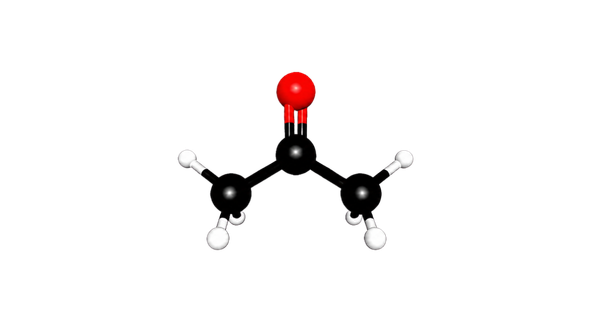
3D molecular model showing the chemical structure of acetone.

Common Applications for Acetone Detection

Chemical Manufacturing Paints, Coatings & Adhesives Manufacturing & Industrial Processing
Monitor acetone during production, blending and processing operations. Detect acetone vapours during the manufacture and application of paints, coatings, varnishes and adhesives. Monitor solvent use during cleaning, degreasing and equipment maintenance.
Pharmaceutical Manufacturing Research & Laboratory Industrial Cleaning
Support workplace exposure monitoring where acetone is used during production and formulation. Protect laboratory personnel during solvent handling, sample preparation and analytical testing. Monitor acetone used as a cleaning solvent for machinery, components and printing equipment.

Why Detect Acetone?

Protect Workers

Continuous acetone monitoring helps identify hazardous vapour concentrations before they pose a risk to personnel.

Support Occupational Exposure Monitoring

Real-time monitoring enables organisations to assess workplace exposure and manage compliance with occupational exposure limits.

Detect Leaks Early

Reliable acetone gas detection helps identify solvent releases quickly, reducing exposure risks and improving workplace safety.

Improve Process Safety

Routine monitoring supports the safe handling, storage and use of acetone across industrial applications.

Health Effects of Acetone Exposure

Short-Term (Acute) Exposure

Long-Term (Chronic) Exposure

Exposure may cause: Repeated or prolonged exposure may result in:
  • Eye irritation
  • Nose and throat irritation
  • Headaches
  • Dizziness
  • Drowsiness
  • Respiratory irritation
  • Dry or cracked skin
  • Central nervous system effects following prolonged high-level exposure

Workplace Exposure Limits of Acetone

Standard Limit
UK EH40 WEL (8-hour TWA) 500 ppm
UK EH40 WEL (15-minute STEL) 1,500 ppm
OSHA PEL (8-hour TWA) 1,000 ppm
NIOSH REL (8-hour TWA) 250 ppm
NIOSH IDLH 2,500 ppm

Exposure limits are provided for guidance and were checked against the relevant regulatory sources in August 2026. Always refer to the latest published guidance from the relevant authority.

Sources: EH40/2005 Workplace exposure limits; OSHA Table Z-1-Limits for Air Contaminants; NIOSH Pocket Guide to Chemical Hazards 

How is Acetone Detected?

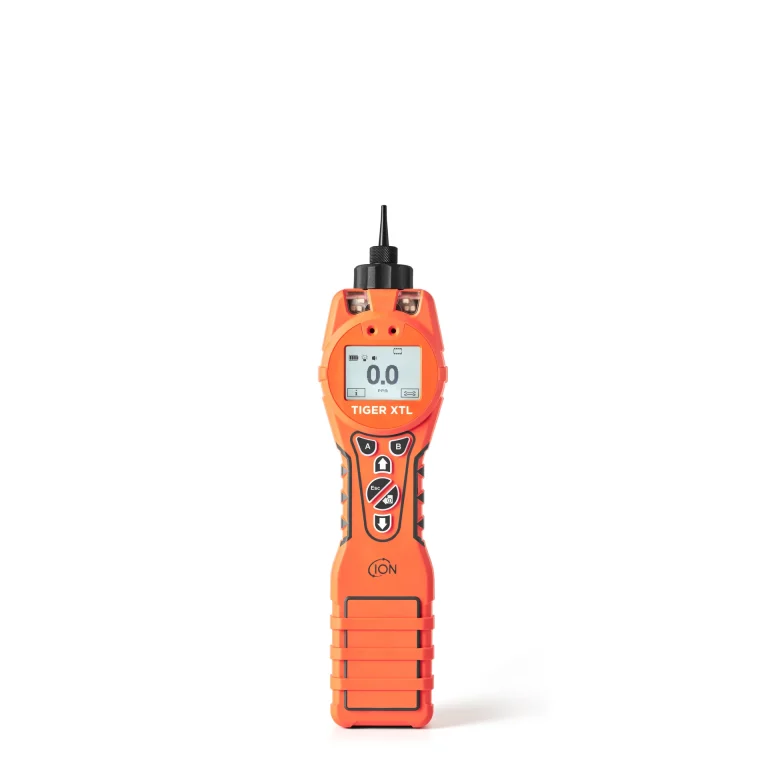
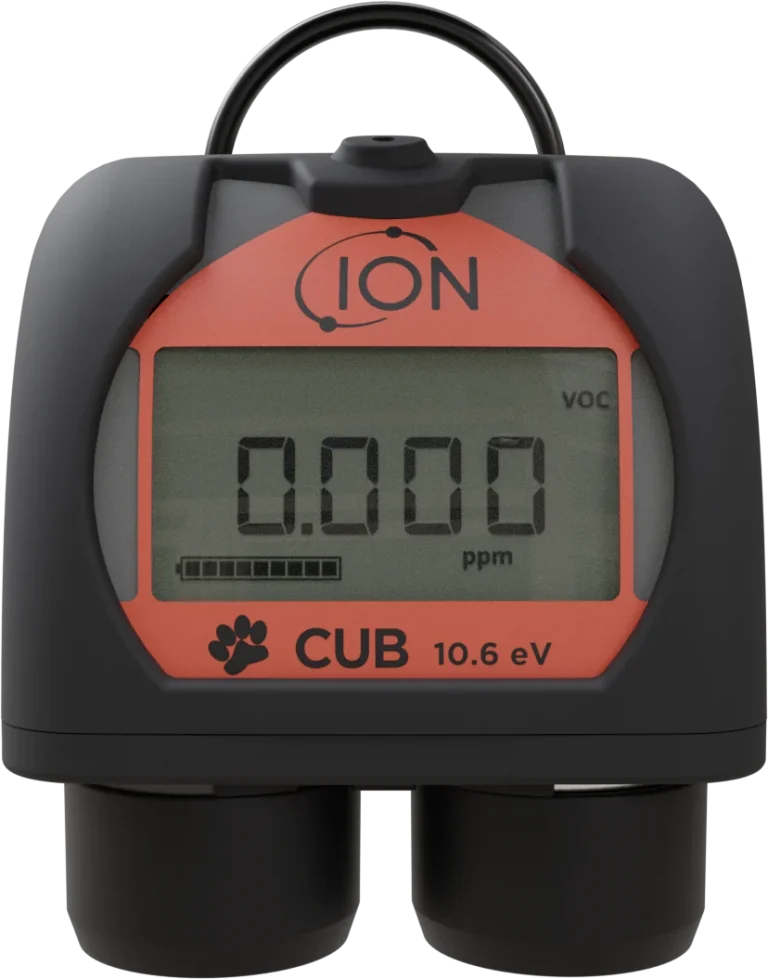
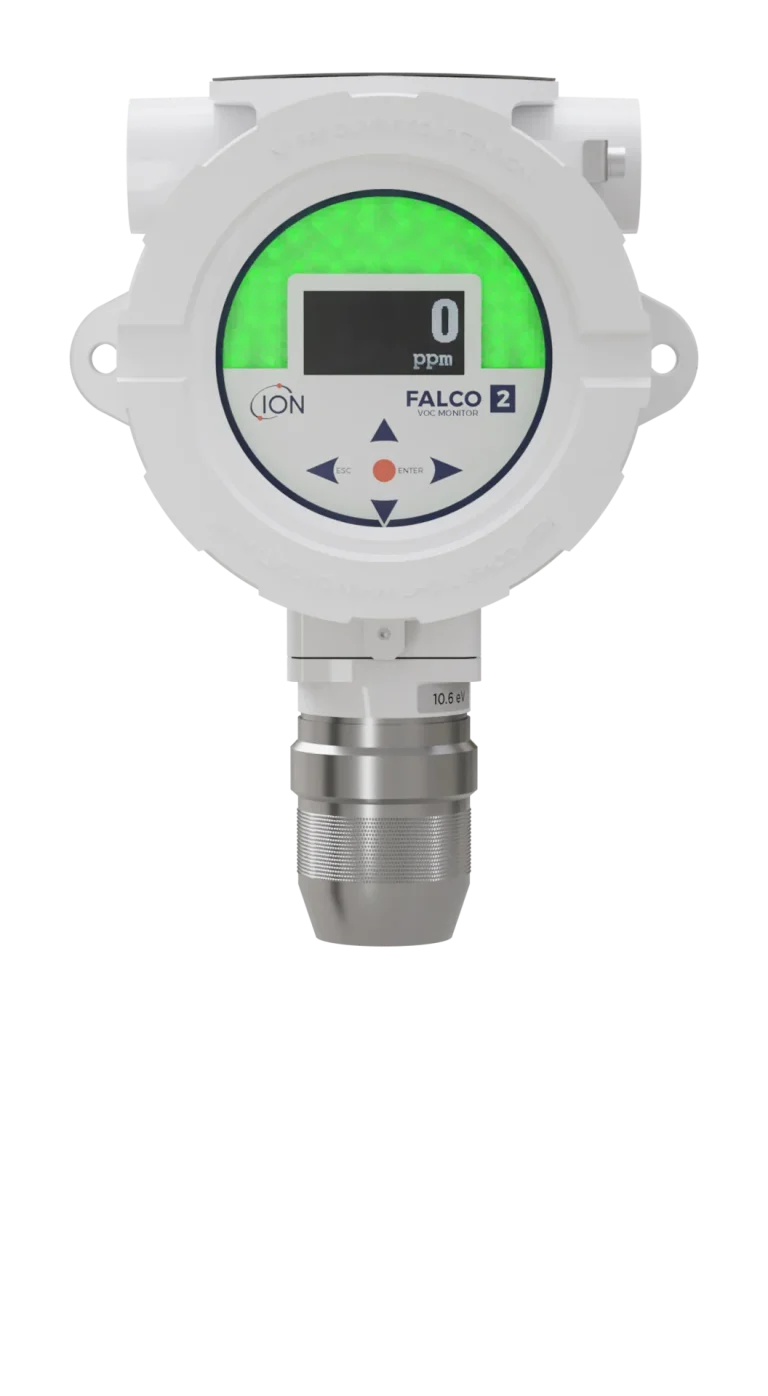
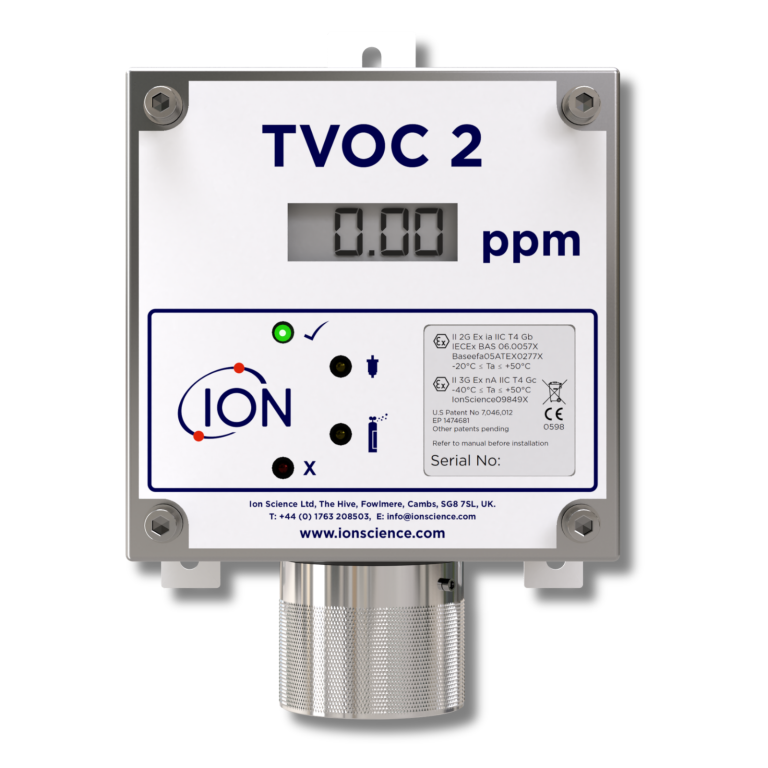
Acetone gas detection is commonly achieved using photoionisation detector (PID) technology. With an ionisation potential of 9.69 eV, acetone can be detected using 10.6 eV PID lamps, providing fast, real-time monitoring of airborne vapour concentrations.

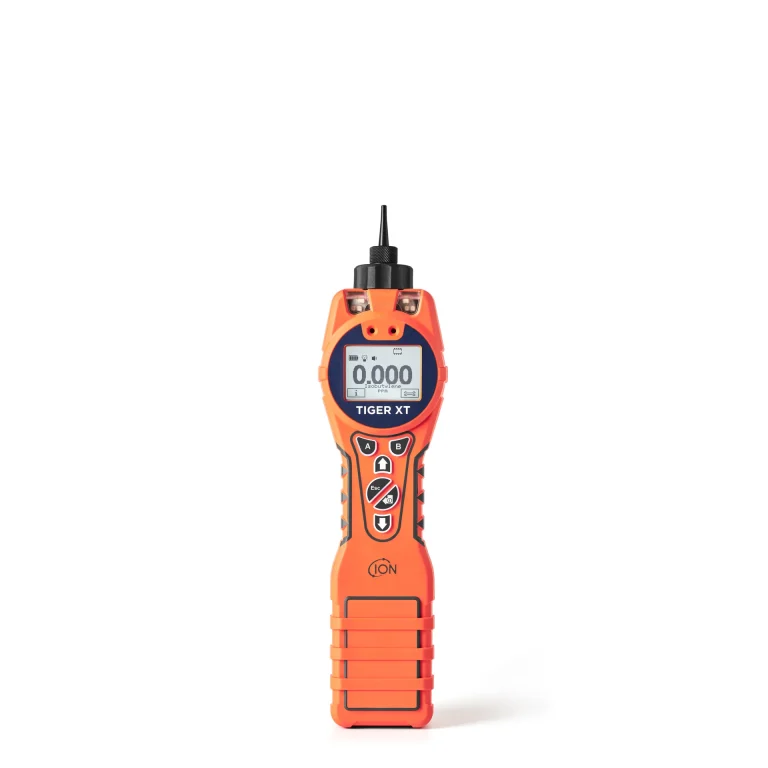
Personal and fixed acetone detectors provide continuous monitoring to identify changing vapour concentrations, helping organisations manage workplace exposure, detect leaks and improve workplace safety.

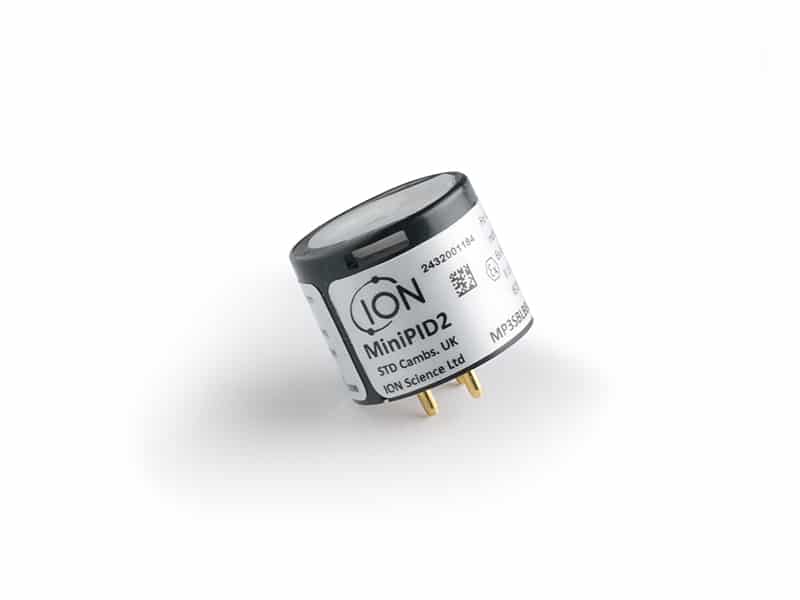
ION Science MiniPID 2 PPB gas sensor for high-sensitivity VOC detection.

Frequently Asked Questions about Acetone

Acetone is a colourless, highly volatile solvent widely used in chemical manufacturing, paints, coatings, pharmaceuticals, laboratories and industrial cleaning.

Because acetone evaporates rapidly, vapour concentrations can quickly build up in enclosed or poorly ventilated areas. Continuous acetone monitoring helps protect workers and support safe operations.

Acetone gas detection is commonly achieved using photoionisation detector (PID) technology, providing real-time monitoring of airborne acetone vapours.

Acetone is commonly used in chemical manufacturing, paint and coatings production, laboratories, pharmaceutical manufacturing, printing and industrial cleaning.

Yes. Acetone has an ionisation potential of 9.69 eV, making it readily detectable using 10.0 eV, 10.6 eV and 11.7 eV PID detectors.

In the UK, the Workplace Exposure Limit (WEL) is 500 ppm over an 8-hour period and 1,500 ppm over a 15-minute reference period.

Find the Right Acetone Detection Solution

Whether you’re monitoring workplace exposure, implementing continuous acetone monitoring or detecting solvent vapours during manufacturing and processing, our specialists can help you identify the most suitable solution for your application.

Contact the ION Science team to discuss your requirements and discover the right acetone detector for your facility.

Contact ION Science

Loading enquiry form…

Contact ION Science

Loading enquiry form…

Newsletter sign up

Loading enquiry form…

Warranty registration

Loading enquiry form…

Contact support

Loading enquiry form…