Vinyl Chloride | CAS 75-01-4

Detecting Vinyl Chloride

Vinyl chloride (C2H3Cl), also known as chloroethene or VCM, is a colourless, highly flammable gas primarily used in the production of polyvinyl chloride (PVC).

While it plays an essential role in manufacturing plastics, vinyl chloride is also toxic and classified as a human carcinogen, making vinyl chloride gas detection essential wherever it is produced, processed or stored.

Effective vinyl chloride monitoring helps organisations protect workers, identify leaks and manage workplace exposure.

From chemical manufacturing facilities to PVC production plants, selecting the right vinyl chloride detector helps maintain safe working environments and supports compliance with occupational exposure limits.

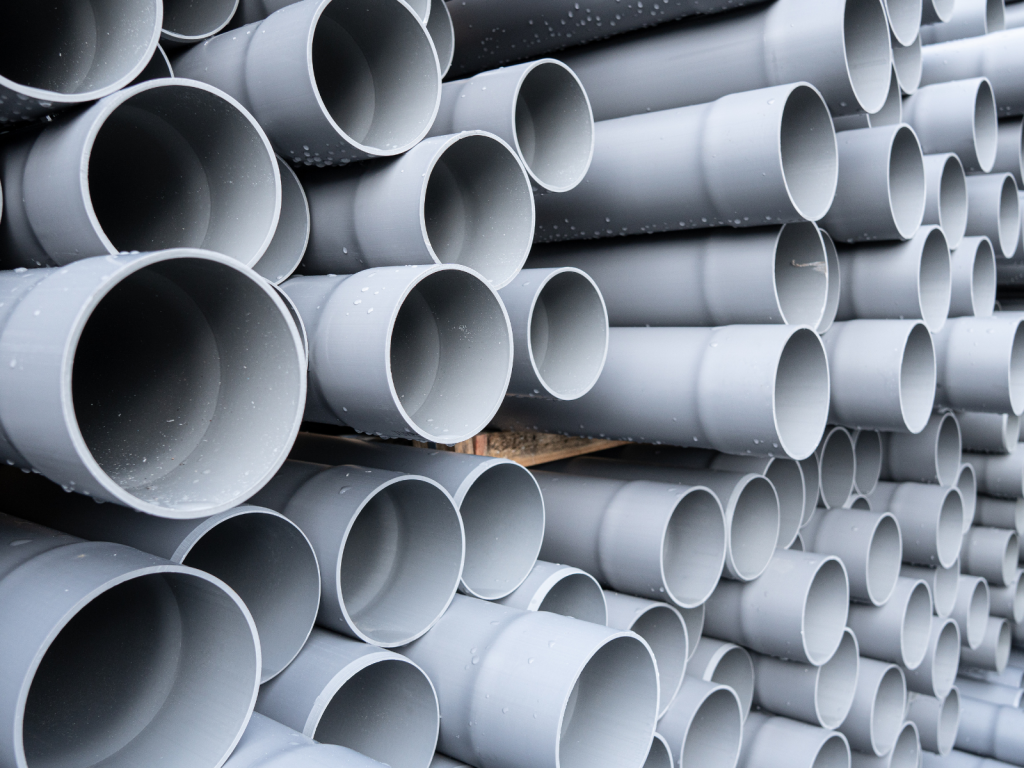
Rows of large gray polyvinyl chloride (PVC) pipes stacked tightly together, showing circular open ends and smooth cylindrical surfaces with slight dust and reflections.

Vinyl Chloride Properties

Property Value
Chemical Formula C2H3Cl
CAS Number 75-01-4
Molecular Weight 62.50 g/mol
Appearance Colourless gas
Odour Mild, sweet odour
Flammability Highly flammable
Relative Density Heavier than air
Common Detection Technology Photoionisation Detection (PID) technology

What is Vinyl Chloride?

Vinyl chloride is an organochlorine compound used almost exclusively to manufacture polyvinyl chloride (PVC), one of the world’s most widely used plastics. It is used to produce products including pipes, cable insulation, flooring, medical devices and packaging materials.

Despite its widespread industrial use, vinyl chloride presents significant health risks. Because it is both toxic and carcinogenic, reliable vinyl chloride gas detection is essential to identify leaks, monitor airborne concentrations and minimise worker exposure throughout production and processing facilities.

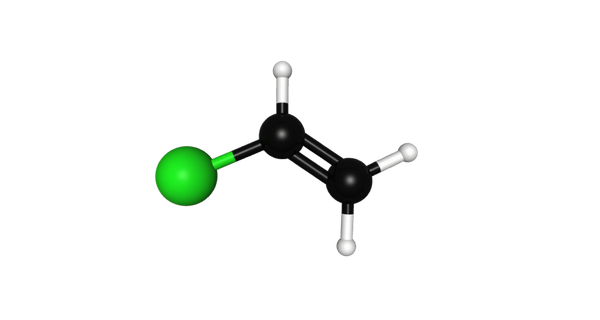
3D molecular model showing the chemical structure of vinyl chloride

Common Applications for Vinyl Chloride Detection

PVC ManufacturingChemical ManufacturingChemical & Petrochemical
Monitor vinyl chloride throughout PVC production processes to protect workers and maintain safe operating conditions.Detect vinyl chloride during chemical production, storage and processing operations.Monitor process equipment and storage areas where vinyl chloride may be present.
Storage & TransferMaintenance ActivitiesOccupational Hygiene
Detect leaks during the storage, loading and transfer of vinyl chloride to minimise product loss and improve workplace safety.Monitor atmospheric conditions during plant maintenance, shutdowns and inspections where vinyl chloride exposure may occur.Support personal exposure monitoring and workplace air quality assessments in facilities handling vinyl chloride.

Why Detect Vinyl Chloride?

Protect Workers

Continuous vinyl chloride monitoring helps identify hazardous concentrations before they pose a risk to personnel.

Support Occupational Exposure Monitoring

Real-time monitoring enables organisations to assess workplace exposure and manage compliance with occupational exposure limits.

Detect Leaks Early

Reliable vinyl chloride gas detection helps identify leaks quickly, reducing safety risks and operational disruption.

Improve Process Safety

Routine monitoring supports safer production, storage and handling of vinyl chloride across manufacturing facilities.

Health Effects of Vinyl Chloride Exposure

Because vinyl chloride is classified as a human carcinogen, maintaining low workplace exposure levels is an important occupational health priority.

Short-Term (Acute) Exposure

Long-Term (Chronic) Exposure

Exposure may cause: Repeated or prolonged exposure may increase the risk of:
  • Dizziness
  • Headaches
  • Drowsiness
  • Eye irritation
  • Respiratory irritation
  • Liver damage
  • Nervous system effects
  • Circulatory disorders
  • Liver cancer

Workplace Exposure Limits of Vinyl Chloride

Standard Limit
UK EH40 WEL (8-hour TWA) 3 ppm
OSHA PEL 1 ppm

Exposure limits are provided for guidance and were checked against the relevant regulatory sources in August 2026. Always refer to the latest published guidance from the relevant authority.

Sources: EH40/2005 Workplace exposure limits; OSHA Table Z-1-Limits for Air Contaminants

How is Vinyl Chloride Detected?

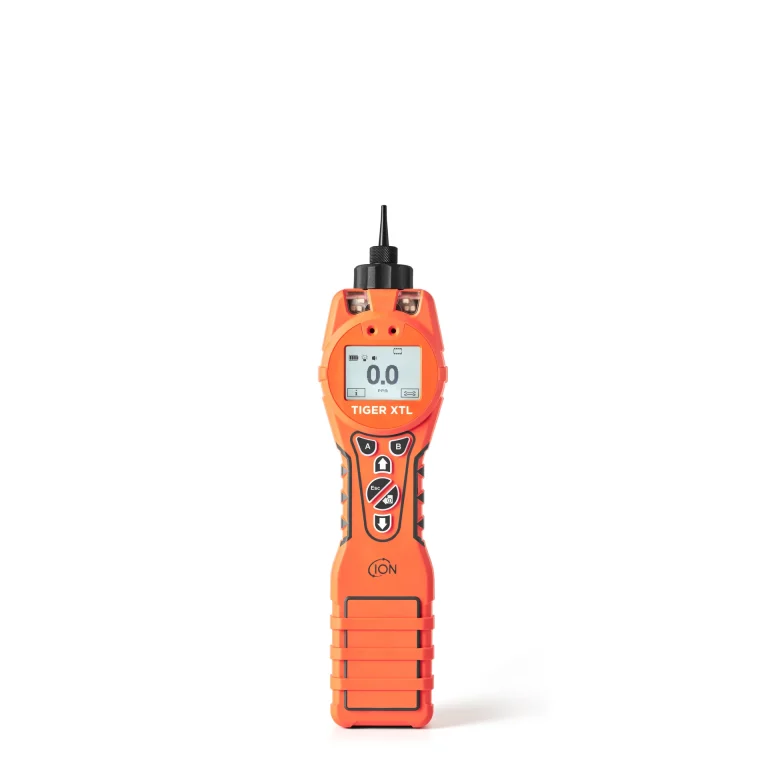
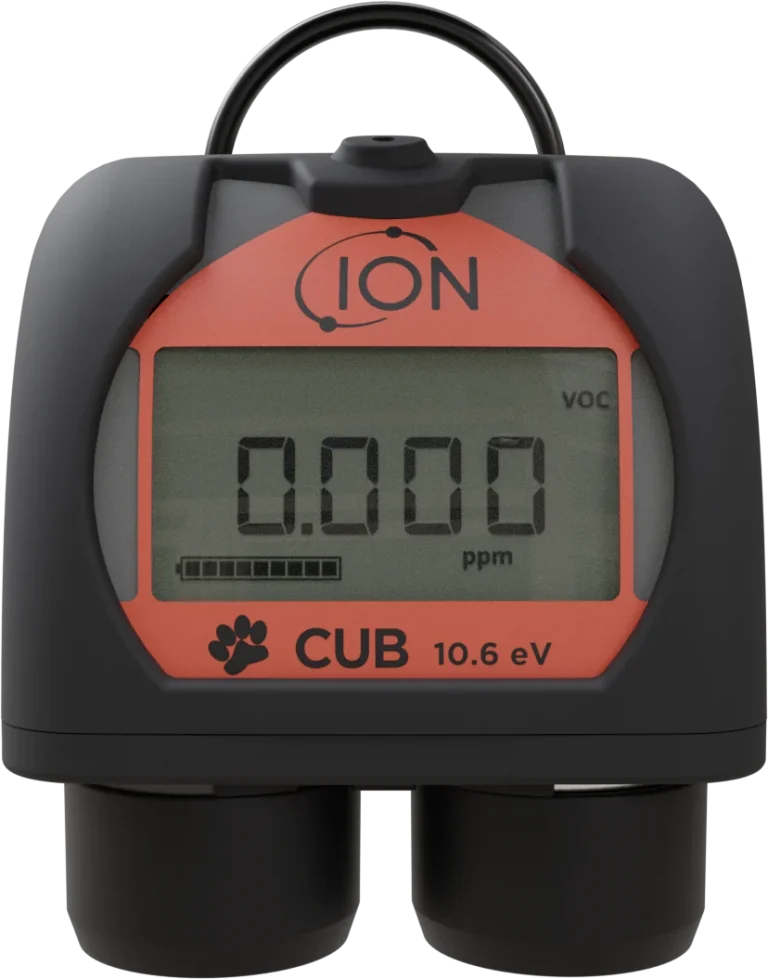
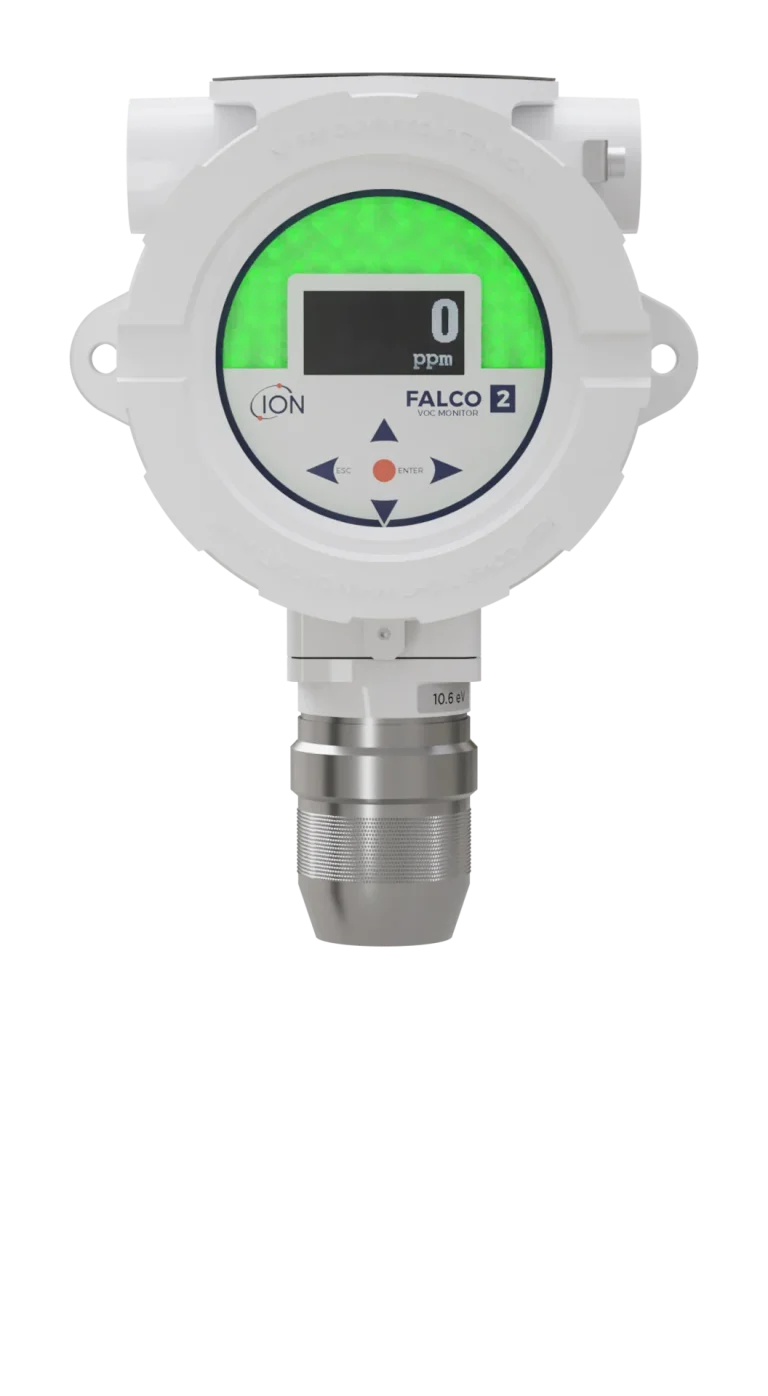
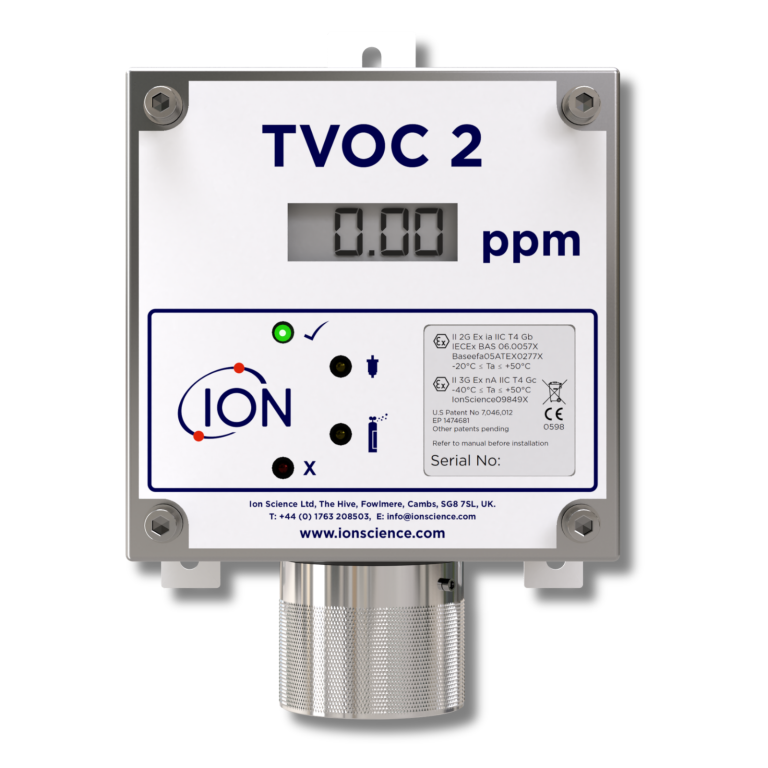
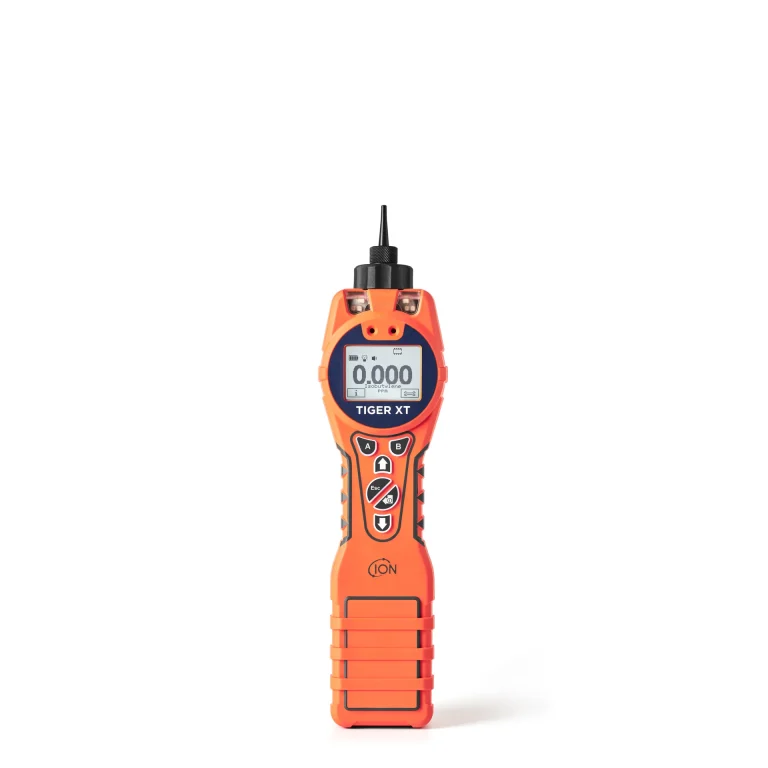
Vinyl chloride gas detection is commonly achieved using photoionisation detector (PID) technology. Portable, wearable and fixed PID instruments provide continuous monitoring to detect changing vinyl chloride concentrations, helping organisations identify leaks, monitor worker exposure and improve workplace safety.

The most appropriate monitoring solution will depend on the application, expected concentrations and operational environment.

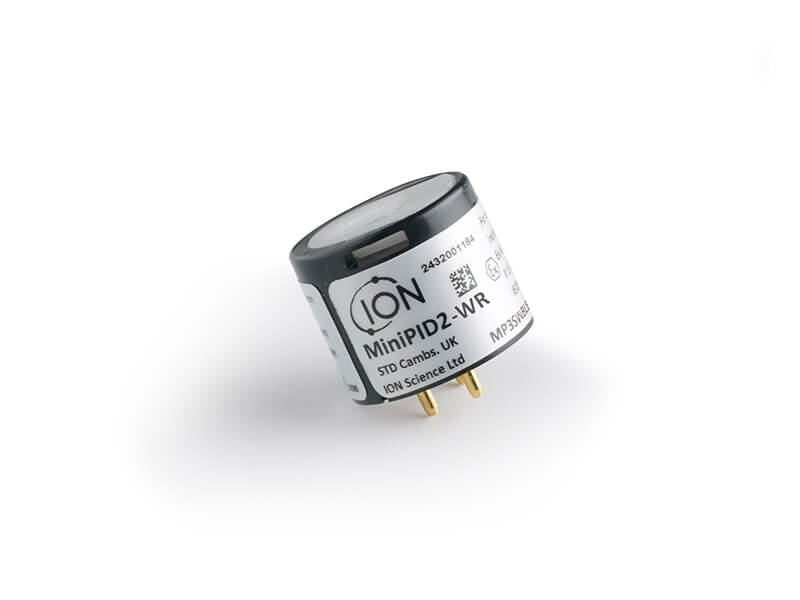
ION Science MiniPID 2 PPB photoionisation sensor for low-level VOC detection.

Frequently Asked Questions about Vinyl Chloride

Vinyl chloride is a colourless, highly flammable gas with the chemical formula C₂H₃Cl and CAS number 75-01-4. It is primarily used to manufacture polyvinyl chloride (PVC), one of the world’s most widely used plastics.

Vinyl chloride is also known as vinyl chloride monomer (VCM), chloroethene or chloroethylene.

Almost all vinyl chloride is used as the raw material for manufacturing PVC. PVC is used to produce pipes, cables, flooring, window frames, packaging, automotive components, medical products and many other plastic goods.

Vinyl chloride may therefore be present at VCM production plants, PVC manufacturing facilities and associated storage and transfer operations.

Vinyl chloride is toxic and classified as a human carcinogen. Prolonged exposure has been linked to serious health effects, making effective monitoring essential in workplaces where it is used.

Occupational exposure may occur during:

  • Vinyl chloride production
  • PVC polymerisation and resin manufacturing
  • Storage and transfer operations
  • Reactor charging, opening and cleaning
  • Sampling and quality-control activities
  • Equipment maintenance and shutdowns
  • Loading or unloading cylinders and bulk containers
  • Response to leaks or process failures

Potential release points include reactors, tanks, pipework, pumps, valves, compressors and transfer connections.

Vinyl chloride gas detection is commonly achieved using PID technology, providing real-time monitoring for workplace exposure, leak detection and continuous area monitoring.

Continuous vinyl chloride monitoring helps identify leaks, protect workers and support compliance with occupational exposure limits.

Yes. Vinyl chloride has an ionisation potential of 9.99 eV, making it suitable for detection using a 10.6 eV photoionisation detector (PID).

In Great Britain, vinyl chloride has a Workplace Exposure Limit of 1 ppm as an eight-hour time-weighted average. No separate 15-minute short-term exposure limit is assigned in EH40.

Vinyl chloride carries a carcinogen notation. Under COSHH, exposure to carcinogens must be reduced to as low as is reasonably practicable, in addition to remaining below the applicable exposure limit.

Current requirements should be checked in the HSE’s EH40 Workplace Exposure Limits. Organisations elsewhere should consult the limits and regulations applicable within their country and industry.

Find the Right Vinyl Chloride Detection Solution

Whether you’re monitoring worker exposure, implementing continuous vinyl chloride monitoring or detecting leaks across your facility, our specialists can help you identify the most suitable solution for your application.

Contact the ION Science team to discuss your requirements and discover the right vinyl chloride detector for your facility.

Contact ION Science

Loading enquiry form…

Contact ION Science

Loading enquiry form…

Newsletter sign up

Loading enquiry form…

Warranty registration

Loading enquiry form…

Contact support

Loading enquiry form…