
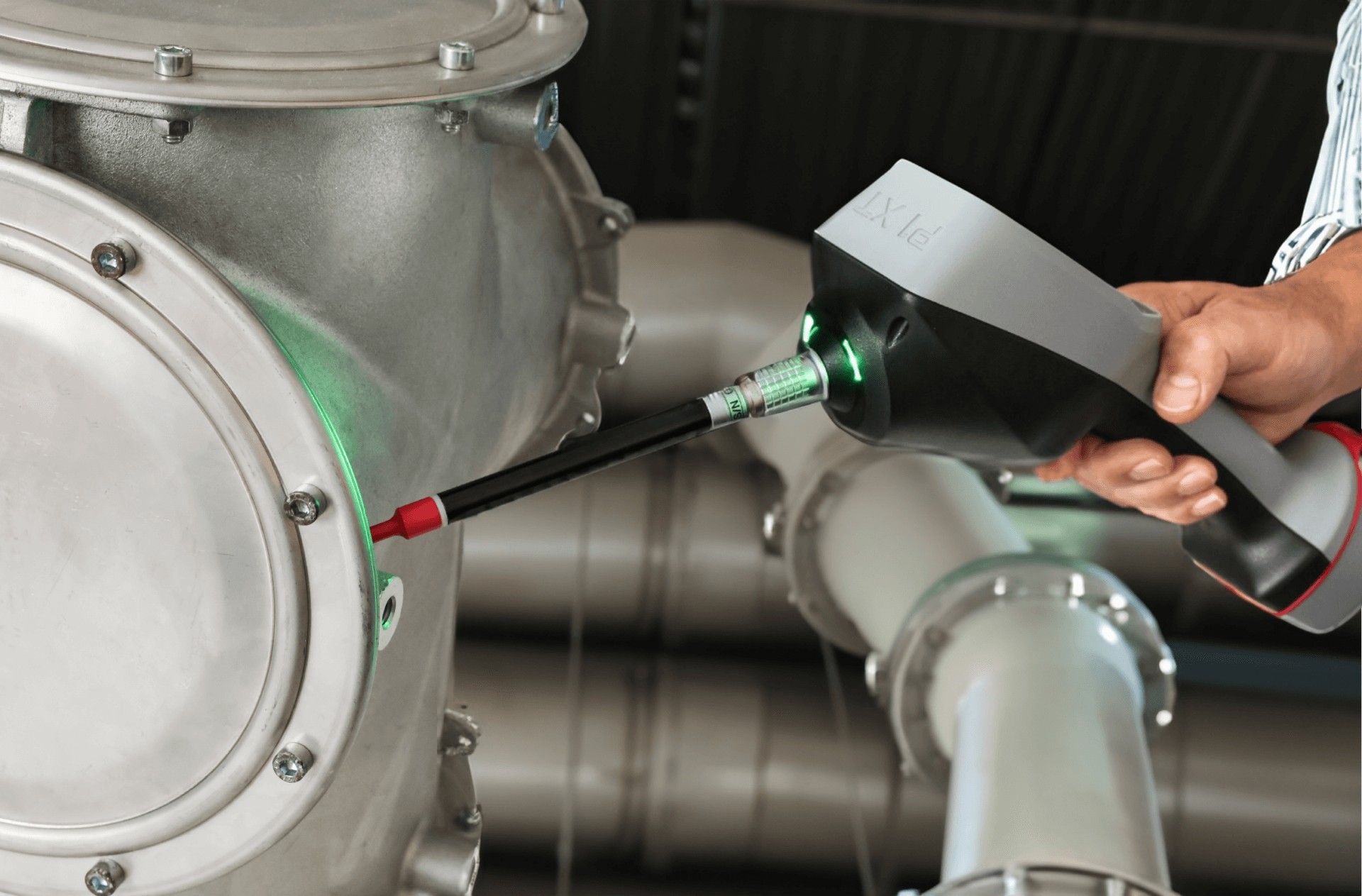
Introducing SF6 LEAKCHECK P1 XTL: The Ultimate Solution for Detecting SF6 and now C4-FN Leaks
Gas leak detection just took a giant leap forward with the introduction of SF6 LEAKCHECK P1 XTL. This innovative solution is purpose-built to tackle a critical customer problem:
Identifying SF6 and C4-FN leaks with unmatched precision and efficiency.
Sulfur hexafluoride (SF6) remains the default gas widely employed as a highly effective insulator in medium and high voltage switchgear, as well as electricity transmission and distribution systems across the world. However, SF6 is also among the most potent greenhouse gases, making leak testing a critical operational activity. In a groundbreaking development for the field of gas leak detection, we are proud to unveil the SF6 LEAKCHECK P1 XTL, a truly portable, precise, and highly sensitive instrument designed to address this crucial need.
Beyond SF6: Expanding Detection Capabilities
SF6 P1 XTL goes beyond the confines of sulfur hexafluoride and is now capable of efficiently detecting C4-FN (Chemical formula:C4F7N), this additional upgrade feature expands the solution to address your diverse gas detection needs.
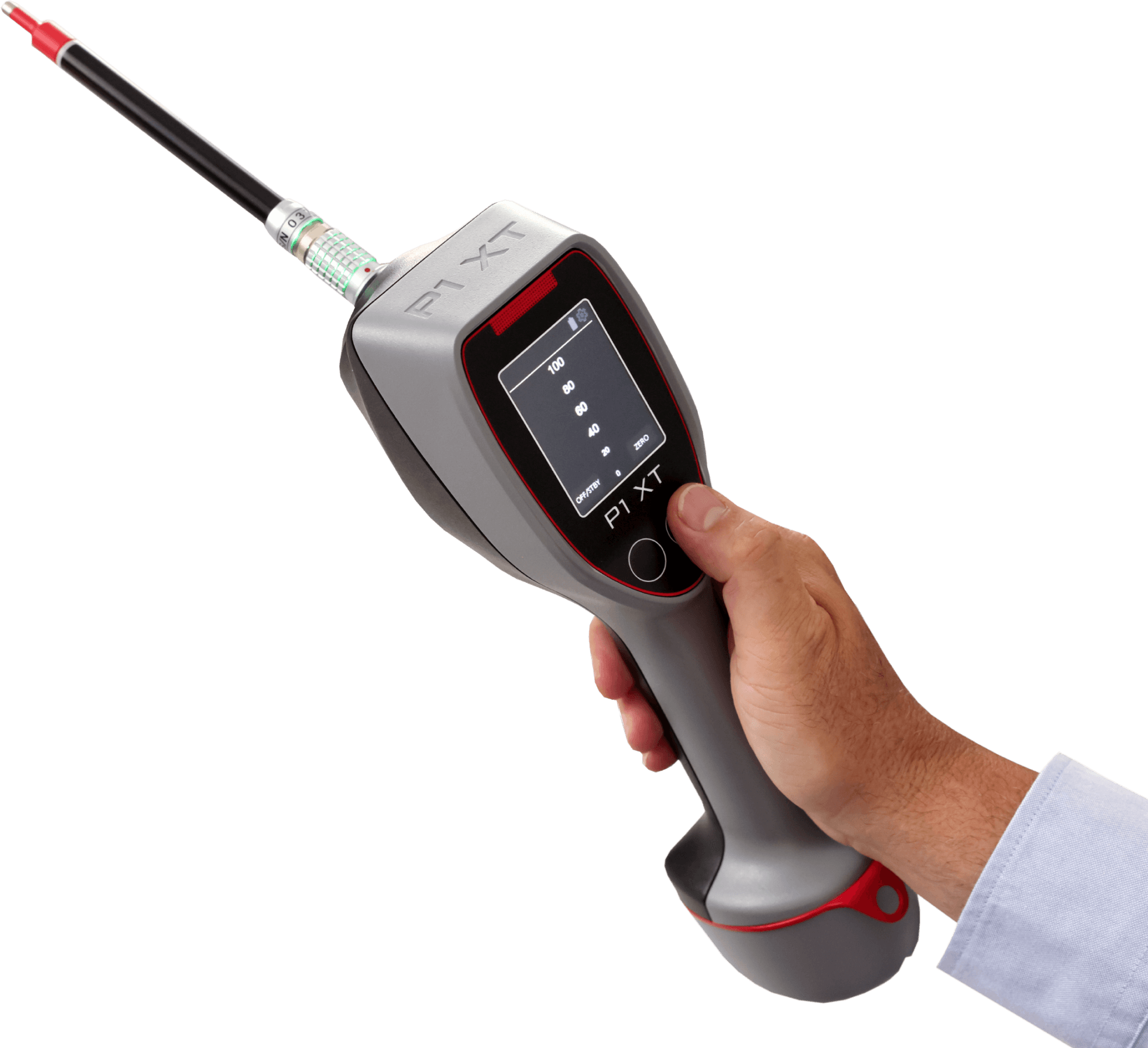
A Comprehensive Approach to Leak Detection
SF6 LEAKCHECK P1 XTL represents the pinnacle of innovation and engineering excellence. Encased in a rugged trolley-style Peli Protector Case, complete with a docking station for the wireless Handgun. This instrument guarantees maximum reliability and ultimate ease of use. Every vital parameter, including sample flow rate, is continuously monitored and regulated. The leak detector is designed to proactively identify gas leaks. By default, the instrument is set in ‘search mode’, featuring a rapid bar graph display on the handheld unit. This ensures that no leak, no matter how minor, goes unnoticed.
Why SF6 LeakCheck P1 XTL?
Combined with the above capabilities, SF6 LeakCheck P1 XTL hosts a wealth of beneficial
features, including;
• Going beyond the confines of SF6, capable of efficiently detecting C4-FN
• Wireless handgun which requires no warm-up time
• Measures leak rates down to 1×10⁻⁷ ml/s on the standard model, and 1×10⁻⁸ ml/s on the HIGHSense model.
• Detects leaks in less than 0.5 seconds
• Default ‘search mode’ ensures that no leaks go unnoticed.
• Replacable SmartSensor with a lifetime of up to 300 hours.
Remarkable Sensitivity: A Reliable Partner
Boasting exceptional sensitivity for both leak rates and gas concentrations, SF6 LEAKCHECK P1 XTL is your reliable partner. The SF6 LeakCheck P1 XTL is available in two sensitivity models: the Standard model with a sensitivity of 1×10⁻⁷ ml/s and the HIGHSense model with a sensitivity of 1×10⁻⁸ ml/s. This exceptional sensitivity enables the swift detection of even the smallest leaks, ensuring the safety of workforces from SF6 exposure. Featuring a tough, slimline, trolley-style protector case facilitates easy mobility, making it an ideal choice for a wide range of industries.
Even in scenarios where it is exposed to high gas concentrations, the instrument is robust with a quick recovery time bouncing back without compromising sensitivity, accuracy, or
response time. Thanks to the award-winning Negative Ion Capture (NIC) Technology, the SF6 LEAKCHECK P1 XTL demands no warm-up or stabilisation time, delivering a lightning fast T90 response of under 0.5 seconds.
Precision at Your Fingertips: Measuring Mode
When a leak is localised, a simple button press transitions the instrument to ‘Measuring Mode,’ with the handheld display transforming into a numerical readout. This enables precise leak measurement, with the leak rate displayed directly on the handgun screen.
For your convenience, all components subject to wear are conveniently placed in the exchangeable SmartSensor. It can be replaced within seconds, while the rest of the system requires virtually no maintenance over extended periods.
When SF6 LeakCheck P1 XTL is registered on the ION Science website, customers can enjoy 2 years of extended warranty, providing peace of mind that your instrument is covered. SF6 LEAKCHECK P1 XTL is the solution to your gas leak detection needs.
Redefine worker safety and environmental monitoring, with this high-precision, groundbreaking innovation.

Every year on April 7th, the world comes together to celebrate World Health Day, an initiative by the World Health Organization (WHO) that provides an invaluable opportunity to come together and advocate for effective, sustainable health policies and practices.
This year, the theme “My Health, My Right” underscores the fundamental principle that everyone, regardless of their background or circumstances, has the right to live in environments conducive to good health.
In a world constantly grappling with various health challenges, from infectious diseases to environmental pollution, this theme serves as a reminder of the importance of prioritising individual health rights. It emphasises the need for governments, organisations, and individuals to work collaboratively to ensure that health is treated as a fundamental human right, not a privilege.
ION Science exemplifies this commitment to promoting health rights with a dedication to protecting lives and preserving the environment, aligning closely with the key theme of World Health Day 2024 and beyond.

Cleaner Air: Ensuring cleaner air is essential for safeguarding public health, and our sensing technology plays a vital role in this endeavour. ION Science’s range of MiniPID sensors is widely recognised as the best available PID sensors, thanks to our industry-leading sensitivity, reliability, and accuracy in VOC detection. By improving the technology available, it’s possible to better monitor emissions that negatively impact health and the environment. ION Science’s MiniPID sensor technology is ideal for air quality and emissions monitoring purposes, due to the patented ‘Fence Electrode Technology’ found in all ION Science MiniPID sensors, to eliminate false positives. The Fence Electrode guards the sensing electrodes against short circuits, and false negatives are also minimised through a combination of advanced electrode geometry and moisture filtering.
The three MiniPID sensor variants that are most suitable for air quality monitoring, to support cleaner air are:
MiniPID 2 PPB Sensor: Sets the standard for low-end parts per billion (ppb) sensitivity, ensuring precise detection of volatile organic compounds (VOCs) in various environments. With its wide dynamic range, this sensor excels in measuring indoor and outdoor air quality across diverse settings, providing accurate data for informed decision-making.
MiniPID 2 HS Sensor: Offers unrivalled sensitivity that stands out as the epitome of sensing technology, setting the bar as the most sensitive VOC sensor available. Tailored for high-sensitivity applications, this sensor enables sub-parts per billion (ppb) measurements, offering unparalleled precision in detecting volatile organic compounds (VOCs) in diverse environments.
MiniPID 2 10.0 eV Sensor: Enables targeted detection establishing it as the ideal solution for environments demanding precise measurement of highly toxic VOCs like benzene, toluene, ethylbenzene, and xylene. With its specialised focus on selective detection, this sensor empowers users to pinpoint and monitor specific volatile organic compounds, ensuring enhanced safety and risk management in targeted applications.
Utilising MiniPID sensors alongside advanced gas sensing technology has proven to be a powerful approach to monitoring air quality and emissions, crucial for safeguarding both human health and the environment. ION Science remains steadfast in its dedication to saving lives and conserving the environment by providing innovative gas-sensing solutions to enhance air quality monitoring and preservation efforts.
Safer Work Environment: In the realm of safeguarding workplaces from hazardous levels of toxic and explosive gases, the creators and innovators behind gas detection instruments and systems play and imperative role.
Safeguarding workplaces is paramount to prevent dire consequences resulting from the failure to protect work environments. Professionals play a crucial role in upholding organisations’ duty of care and ensuring the safety and well-being of employees.
In response to this imperative need for reliability and precision, ION Science remains dedicated in its commitment to providing superior-grade gas detection and sensing technology. Our solutions stand as the epitome of reliability on a global scale, empowering organisations to fulfil their duty of care with confidence, knowing they have the most precise and reliable sensing technology at their disposal.
Effective monitoring is essential for promptly identifying risks to both industrial facilities and the workforce. Accurate and dependable measurements serve as the cornerstone of this process, enabling operators to assess potential hazards and take proactive measures to mitigate them. Allowing organisations to address identified issues swiftly and effectively. Additionally, it enables operators to evaluate the efficacy of implemented measures, ensuring continuous improvement in workplace safety standards.
Our fixed gas monitoring products, such as the Falco, are designed to provide comprehensive monitoring capabilities across various industrial settings. The Falco can detect a wide range of hazardous gases, including volatile organic compounds (VOCs), hydrogen sulphide (H2S), and carbon monoxide (CO), among others. With real-time data monitoring and customisable alarm settings, employers can promptly respond to potential gas leaks or unsafe conditions, ensuring the safety of their site and workforce.
In addition to fixed gas monitors, our wearable gas detection devices, including the Cub and the ARA (O2 Single Gas Detector , SO2 Single Gas Detector, HS2 Single Gas Detector & CO Detector) range, offer wearable safety solutions for individual workers. The Cub is a portable PID VOC monitor that can be worn by workers to continuously monitor their immediate environment for harmful gases. Its compact design and intuitive interface make it ideal for personal use, providing peace of mind and enabling proactive safety measures.
By combining fixed gas monitoring solutions like the Falco with wearable devices such as the Cub and ARA range, employers can create a layered approach to gas detection, enhancing overall workplace safety. Our advanced gas detection technology not only protects workers from immediate hazards but also contributes to a culture of safety and accountability within the organisation. Ensuring employers can confidently provide safer work environments, safeguarding the health and well-being of their employees.
Commitment To Sustainability: At Ion Science, our commitment to sustainability extends beyond providing innovative solutions for health and safety. We recognise the importance of minimising our environmental footprint and actively work towards sustainable practices in our operations and product development.
From implementing energy-efficient manufacturing processes to reducing waste and emissions, we strive to minimise our impact on the environment. Our dedication to sustainability is evident in initiatives such as our ISO 14001 certification, which ensures that environmental management is integrated into our business processes.
Our products are designed with longevity and efficiency in mind, promoting resource conservation and reducing the need for frequent replacements. For example, our gas detection instruments are built to withstand harsh conditions and undergo rigorous testing to ensure durability, thereby reducing waste and contributing to a circular economy.
In addition to our internal efforts, we support sustainability initiatives within the communities we serve. Whether through charitable donations, volunteer programs, or partnerships with environmental organisations, we aim to make a positive impact beyond our business operations.
Whilst we continue our journey towards sustainability, we remain committed to innovating responsibly and prioritising the health of both people and the planet. Together, we can build a more sustainable future for generations to come.
Want to Learn More?
As we commend World Health Day 2024, it’s imperative to recognise the interconnectedness of individual health, environmental health, and occupational health. By embracing the theme “My Health, My Right,” and actively pursue cleaner air, and safer workplaces, we can create a world where everyone can enjoy the basic human right to health and well-being.
Initiatives like World Health Day serve as important reminders of the ongoing global efforts to prioritise health rights for all individuals. Through collaborations between organisations like ION Science and initiatives led by WHO, we can strive towards a healthier, more equitable future for generations to come.
If you would like to learn more about World Health Day 2024, click here.

Are you prepared for upcoming benzene workplace exposure limit (WEL) changes?
In an effort to reduce acute and chronic illness caused by exposure to harmful substances, many governing bodies are making changes to workplace exposure limits (WELs). WELs have been key in protecting the lives of workers, and with the upcoming limit changes, it shows we are heading in the right direction when it comes to the safety of both the workforce and the environment.
What are the main changes to Workplace Exposure Limits Surrounding Benzene?
Many countries are planning to reduce WELs for Benzene, and some of these plans have already been approved for implementation very soon. Countries in the EU, for example, are being guided by new WELs which will come into effect as early as April 2024, where the TWA (8 hours) for benzene will be reduced from 1ppm to 0.5ppm under guidance from the EU Directive. This TWA will be slashed further in April 2026 to just 0.2ppm.
For more information on legislation surrounding benzene exposure, download our Benzene Legislation Guide today.

Benzene Ring Explained – Delving into the Unique Structure of Benzene
Introduction:
The world of chemistry is filled with captivating stories of discovery and innovation, and one of its most iconic tales is that of the benzene ring. This seemingly modest hexagonal configuration has etched an enduring impression on the realm of organic chemistry. Within this blog post, we will uncover the essence of the benzene ring, trace its discovery, and contemplate the far-reaching influence it has wielded over the domains of science.
The Benzene Ring: A Unique Structure:
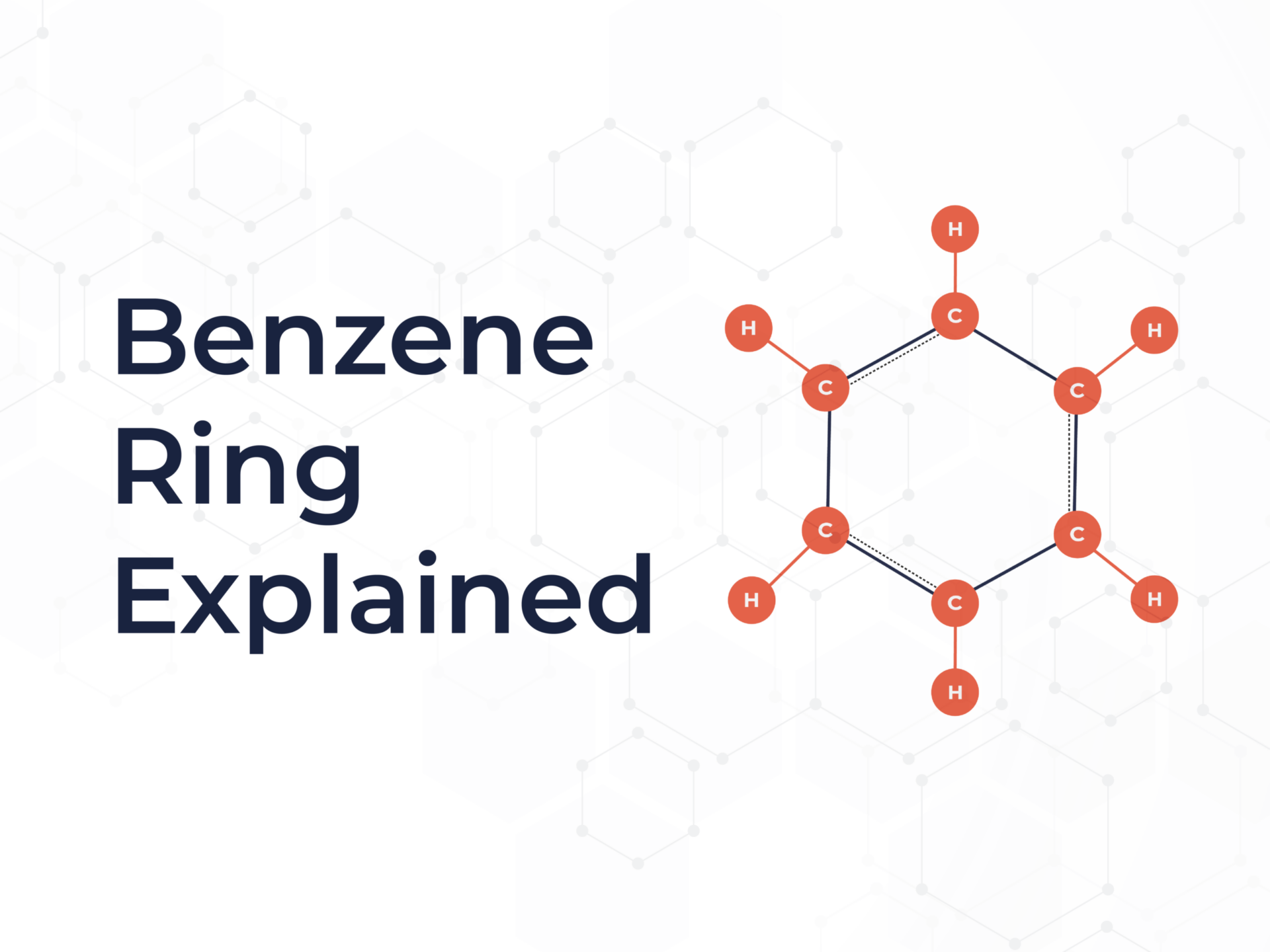
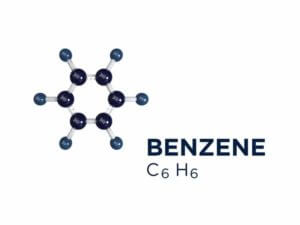
Fundamentally, the benzene ring embodies a hexagonal configuration featuring six carbon atoms, with each carbon atom forming a single bond with a hydrogen atom. What distinguishes it from typical hydrocarbons is the alternating sequence of single and double bonds connecting these carbon atoms. This alternating bonding arrangement constitutes the fundamental aromaticity and stability intrinsic to the benzene ring.
The Discovery of the Benzene Ring:
The discovery of the benzene ring is a tale that revolves around the brilliant mind of Friedrich August Kekulé, a German chemist who lived in the 19th century. During the mid-1800s, the structure of benzene, a compound extracted from coal tar, confounded chemists. While they understood its composition—comprising six carbon and six hydrogen atoms—the arrangement remained an enigma.
Kekulé’s Dream:
According to legend, in 1865, Kekulé experienced a pivotal moment while sleeping by a fireplace. Within his dream, he witnessed atoms in a graceful dance, forming a serpentine structure. Remarkably, this serpent had its tail enclosed in its mouth, resulting in a closed ring shape. Upon awakening, Kekulé had a profound revelation: the structure of benzene resembled a hexagonal ring. This visionary dream marked a ground-breaking moment in understanding the essence of the benzene molecule.
Aromaticity and Stability:
Kekulé’s proposition illuminated the stability of benzene. Instead of featuring the anticipated arrangement of three single and three double bonds, benzene’s electrons exhibit a distinctive quality – they are delocalised. In essence, this signifies that the six pi electrons, typically linked with the double bonds, are not restricted to specific carbon-carbon pairs; rather, they are evenly dispersed throughout the entire ring. This phenomenon of electron delocalisation bestows an exceptional stability upon the molecule, ultimately giving birth to its aromatic nature.
Impact on Chemistry and Industry:
Kekulé’s finding brought about a paradigm shift in the realm of organic chemistry. The introduction of the benzene ring fundamentally altered the landscape, establishing itself as the cornerstone for the examination of aromatic compounds and their reactivity. Furthermore, it yielded substantial real-world utility in the industrial sector, where benzene derivatives assumed pivotal roles in the manufacture of plastics, synthetic rubber, dyes, pharmaceuticals, and a multitude of other products.
Conclusion:
The benzene ring, characterised by its graceful hexagonal configuration and distinctive aromatic attributes, stands as a defining juncture in the annals of chemistry. Friedrich August Kekulé’s revelation regarding it heralded an era of boundless opportunities, fundamentally altering our comprehension and manipulation of molecules. Emerging from the realm of dreams to ground-breaking revelations, the benzene ring perseveres as an enduring emblem of scientific exploration and ingenuity.
Basics of Benzene:
The basics of detecting benzene guide which can be downloaded below provides the reader with an in-depth balance of knowledge covering the main properties, exposure and detection of benzene.
Download ‘Basics of Benzene’ guide


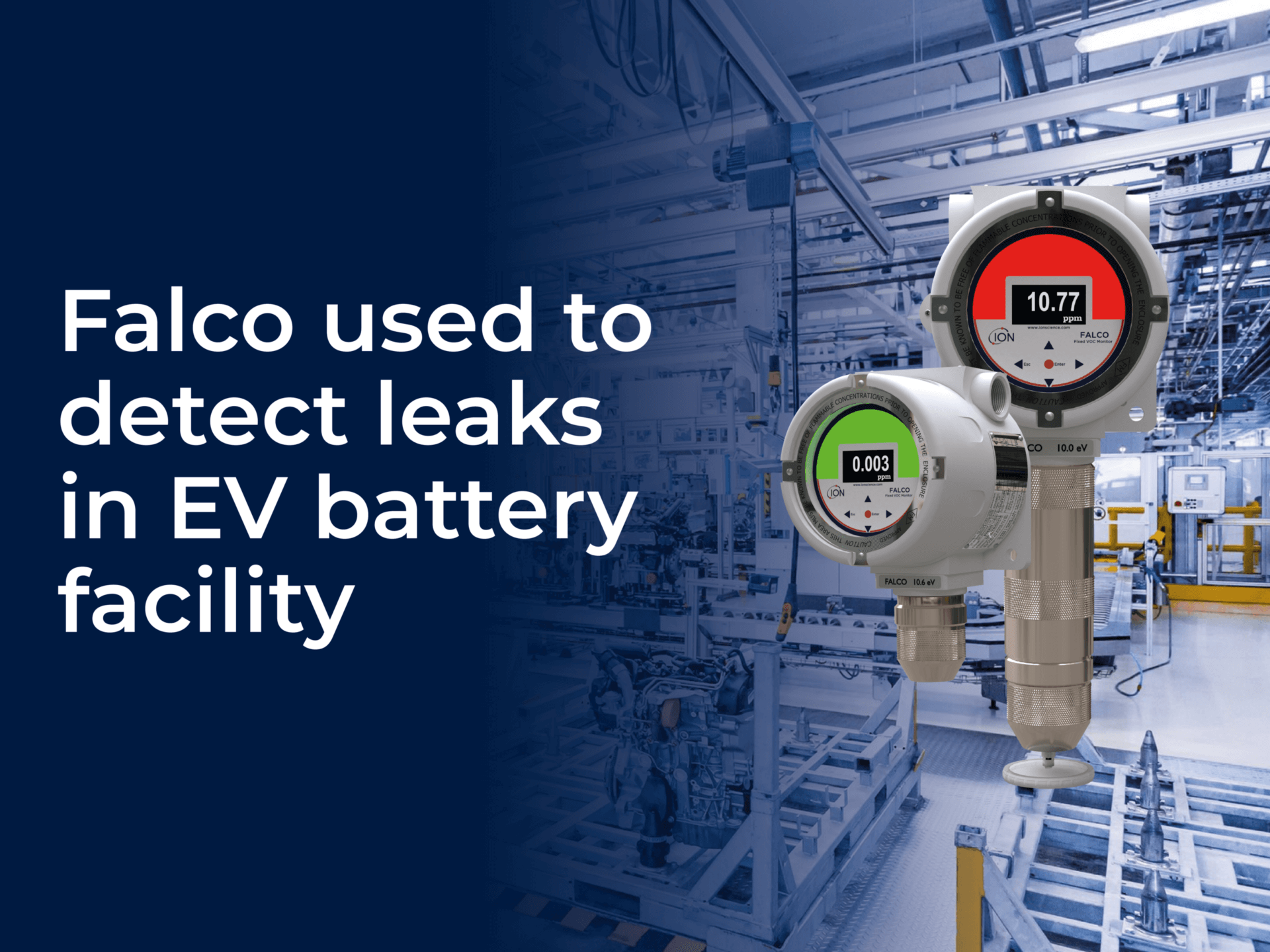
Falco Fixed VOC Gas Detector is being used across the globe to monitor and detect hazardous gas leaks in the manufacturing process of electric vehicle (EV) batteries.
Introduction
Back in 2020, the UK Government took a huge step forward to achieve net-zero by announcing a ban of sales of new petrol and diesel cars by the 2030. This announcement has put the UK on course to be the fastest G7 country to decarbonise cars and vans. A 2 phase approach will be put in place to achieve this target. Step 1) Phase out the sale of new petrol and diesel cars and vans by 2030. Step 2) Every newly manufactured car and van to emit zero emissions from 2035. Between 2030 and 2035, the sale of new cars and vans will be permissible if they possess the capability to travel a considerable distance without emissions, such as plug-in hybrids or full hybrids. Source: www.gov.uk
With less petrol and diesel vehicles being manufactured, the world turns to the need for electric vehicles. There are multiple benefits of owning and using an electric vehicles, including:
- Reduced Emissions: Electric Vehicles produce zero emissions, meaning they don’t have a negative impact on air pollution and greenhouse gases.
- Lower Operating Costs: Eletricity is generally cheaper than gasoline or diesel, resulting in lower fuelling costs.
- Convenience: Many Electric Vehicle owners can charge their vehicle at home, meaning they can simply plug in their vehicle and charge it over night.
Lithium-ion batteries and the associated dangers
Electric vehicles are the short to medium term future of transportation, offering numerous advantages over traditional internal combustion engine vehicles, including reduced greenhouse gas emissions and improved air quality. However, the production of the lithium-ion batteries that power these vehicles comes with its own set of challenges, particularly in terms of safety.
High-capacity lithium-ion batteries, commonly found in electric vehicles, have the capability to recharge fully with minimal energy loss. They are typically composed of carbon or graphite, a metal oxide, and lithium salt, which constitute the positive and negative electrodes. These components are combined with electrolytes to facilitate the flow of electric current. At the end of their useful life, these batteries can be disassembled, allowing for the reuse of raw materials, with approximately 80 percent of the components being recyclable.
The primary components within lithium-ion batteries used in electric cars include the anode, cathode, separator, electrolyte, and lithium ions. EV battery cells typically contain approximately 17 pounds of lithium carbonate, 77 pounds of nickel, 44 pounds of manganese, and 30 pounds of cobalt. It is noteworthy that lithium is the most crucial component in EV batteries, and there is currently an unprecedented demand for this material.
Lithium-ion batteries are known for their high energy density and rechargeable nature, offer versatile applications but also pose risks that require attention. Potential hazards include thermal runaway, wherein the battery can overheat and even explode if damaged or exposed to high temperatures. Short circuits may lead to fires, and physical damage such as membrane punctures can cause internal harm. Overcharging, overheating, manufacturing defects, chemical reactions, aging, and external factors can also compromise battery safety.
The ION Science photoionisation detection (PID) sensors are able to detect potential problems before they occur in the manufacture and use of Li-ion batteries and the enormous variety of devices that use rechargeable batteries. With our ever-evolving digital age, the safe utilisation of Li-ion batteries is of paramount importance to manufacturers and customers. Click here to read the full ‘Li-ion battery risks reduced by VOC sensors’ blog.
Falco: The Cutting-Edge Fixed VOC Monitor
The Falco Fixed VOC Gas Detector continuously detects a wide range of volatile organic compounds (VOCs) and total aromatic compounds (TACs) using patented photoionisation detection (PID) technology. This fixed instrument plays a crucial role in ensuring the safety of works and the overall manufacturing process when producing lithium-ion (li-ion) batteries for electric vehicles (EVs). Falco is being used in multiple stages of the EV battery manufacturing process but is increasing being used to detect any leaks in individual cells. If a leak occurs, it could lead to a fire or even an explosion, therefore, it is essential that no leaks are present. The Falco Fixed VOC Gas Detector is used to detect the presence of any leaking gases at an early stage, reducing the changes of any life threatening accidents later down the line.
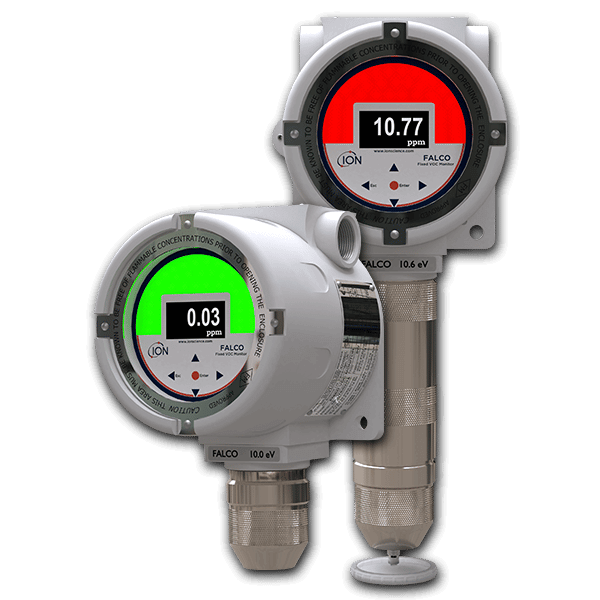
Key Features of Falco include:
High Sensitivity
Falco boasts a high sensitivity to a wide range of VOCs, ensuring that leaks are detected promptly.
Continuous Monitoring
It provides real-time, continuous monitoring, allowing for immediate response to any abnormal levels of VOCs.
Customisable Alarms
Falco allows for customisable alarm settings, alerting facility personnel when VOC concentrations exceed safe levels.
User-Friendly Interface
The user-friendly interface makes it easy for operators to set up and use the device efficiently.
Low Maintenance
Falco requires minimal maintenance, reducing operational costs and downtime.
Multiple Output Options
Falco has 2 programmable relays, 3 – 20 mA output and RS485 MODBUS.
Certified
Falco is ATEX, IECEx and QPS certified.

Protecting Lives and Preserving the Environment
The implementation of Falco fixed VOC monitors in EV battery manufacturing facilities is not just about compliance with safety regulations; it’s also about ensuring a sustainable future. These monitors help in preventing VOC emissions into the atmosphere, which can have long-term adverse effects on air quality and climate change. By promptly detecting and addressing leaks, EV battery manufacturers contribute to a greener and more sustainable world.
At the heart of ION Science’s business vision lies a simple yet powerful mission:
…..
“To protect lives and preserve the environment”.
This encapsulates their unwavering commitment to creating products and solutions that enhance safety while minimising environmental impact. For years, ION Science has been at the forefront of the industry, offering accurate and reliable technology that detects harmful gases and volatile organic compounds (VOCs), making workplaces safer and ensuring a healthier planet.
Conclusion
As the electric vehicle revolution accelerates, the importance of safe and sustainable battery manufacturing cannot be overstated. Falco, the cutting-edge fixed VOC monitor, stands as a beacon for the industry. With its highly sensitivity, real-time monitoring, and remote access capabilities, it is revolutionising how EV battery manufacturing facilities protecting their workforce and the environment.
By choosing Falco, these facilities are not only complying with safety regulations but also actively contributing to a cleaner and healthier planet. As the EV industry continues to grow, Falco will continue to play an indispensable role in safeguarding both the workforce and our shared future.
Contact us today
To discuss with the instrumentation team how Falco can be used in your application.
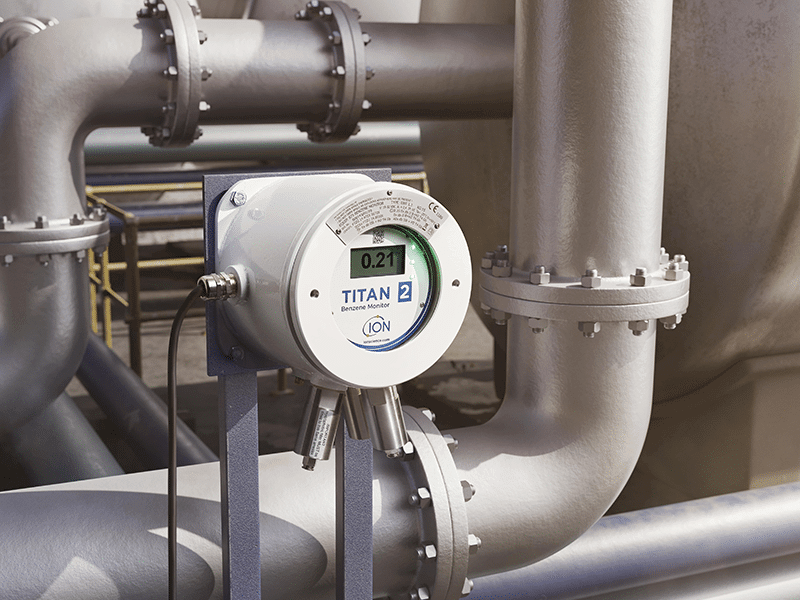
ION Science Unveils Titan 2: The Next Generation Fixed Benzene-Specific Monitor for Unrivalled Safety and Compliance
ION Science has launched a new, dramatically upgraded version of Titan, maintaining its position as the only fixed benzene-specific monitor in the world; Titan 2.
In accordance with recent legislation changes, Titan 2 offers enhanced stability and sensitivity, supporting ION’s continued mission of protecting lives and preserving the environment.
ION Science’s Group Managing Director, Duncan Johns explains how benzene is a toxic, carcinogenic gas that represents a serious threat to many workers, as well as the environment.
Titan 2 Benzene Fixed Monitor“It is therefore vital that staff are protected by monitors that can continuously measure benzene at the low levels required by increasingly stringent international regulations. Titan 2 is the only commercially available, truly selective, fixed continuous benzene monitor worldwide that can meet this requirement.”
Users of the original Titan will be familiar with the instrument’s accuracy and performance, however, within the new Titan 2 they will see core enhancements, such as a new rugged manifold, a piezoelectric micropump for enhanced stability, a lower limit of detection, and updated PC software for easier management and control.
An occupational exposure limit (OEL) for benzene of 100 ppm was originally recommended in 1946. Following further associations with leukemia, the OEL was reduced to 50 ppm and then to 1 ppm as the 8-hour time-weighted average (TWA) exposure limit (U.S. OSHA, 1987). However, further health problems have been reported at levels below 1ppm so there is pressure in many countries to lower the limit further. For example, NIOSH recommended airborne exposure limit (REL) is 0.1 ppm (10-hr TWA) and 1 ppm during any 15-minute work period. Similarly, the current EU 8-hour TWA for benzene is 1 ppm (3.25 mg/m3). However, from 5th April 2024, the long-term exposure limit will be reduced to 0.5 ppm – and will be cut again from April 2026 to just 0.2 ppm. – Directive (EU) 2022/431 of the European Parliament of the Council, March 2022.
Regulatory requirements are therefore driving the need for greater sensitivity, and these needs are met by Titan 2. Thanks to our innovative technology in conjunction with our industry-leading PID sensor technology, the Titan 2 has a reduced likelihood of cross-sensitivity and can detect benzene rapidly at levels as low as 0.02 parts per million (20 parts per billion). At the other end of the scale, it can detect benzene at up to 20 ppm, delivering high speed and high sensitivity.
The Titan 2 captures a gas sample once every 60 seconds. The sample is then conditioned within a further 60 seconds to allow precise benzene measurement, ensuring a consistent flow of real-time data. This latest version now incorporates the piezoelectric micro pump which delivers enhanced pressure and flow accuracy to ensure a rapid response and unrivalled reliability.
Titan 2 also features visible alarm capability, triggering an alert when benzene concentrations reach either of two operator-configurable levels. Twin relay outputs enable the user to integrate the unit with existing site alarm systems, while easy-to-use firmware allows a simplified calibration procedure. For analysis of readings captured by Titan 2, both 4-20mA and RS485 MODBUS communication protocols can be utilised.
A proven, robust separation method ensures specific readings for benzene, with an easy-to-read display. An internally regulated heating system ensures stable operation even at extremes of temperatures, and the new robust housing reduces contamination risk and allows for extended use in the harshest environments.
Titan 2 has been designed to comply with international safety standards, including ATEX and IECEx, making it safe for use in any environment, as well as featuring an IP65 Ingress Protection rating. ION Science’s photoionisation detection (PID) technology has been independently verified as the best-performing on the market, providing reliable, accurate solutions backed by outstanding product support. Importantly, the new, unique to Titan 2, MiniPID T2 10.0 eV Sensor features a patented design to nullify potential humidity interference, whilst ensuring a fast response, the highest levels of sensitivity, and market-leading reliability.
The Titan 2 service module is designed to be backward compatible, so in conjunction with a simple firmware upgrade now provides existing Titan customers with a quick and convenient upgrade opportunity.
Summarising, Duncan Johns says:
“Benzene is one of the more dangerous VOCs so the Titan 2’s ability to reliably speciate this gas is extremely important in the protection of lives, and with lowering regulatory limits, the instrument’s enhanced sensitivity is a major advantage.”
Typical Industries & Applications
Titan 2 delivers unrivalled accuracy and sensitivity in benzene detection and is ideal for use in a variety of sectors, such as oil & gas, bulk storage facilities, chemical manufacturing and processing, and asphalt production.

Contact Us

How fixed gas detection solutions are supporting World Day for Safety and Health at Work
The International Labour Organisation (ILO) marks its World Day for Safety and Health at Work on 28th April 2022. The spotlight on providing safe and healthy places to work has become more prominent in recent times, particularly as working practices emerged and evolved rapidly as part of the COVID-19 pandemic.
World Day for Safety and Health at Work is designed as an initiative, aimed at encouraging people and businesses to leverage an effective occupational health and safety (OHS) system to reduce risk and improve working conditions for all. As a result ILO is exploring the topic of participation and social dialogue in creating a positive safety and health culture.
ION Science is committed to protecting lives and preserving the environment with technologically advanced gas detection instrumentation. As a leading OEM in the development, manufacture, and supply of PID (photoionisation detection) volatile organic compound (VOC) gas detectors. ION Science has been working to keep workers and environments safe for over 30 years. A key part of ION Science’s portfolio is fixed gas detectors, which can play a vital role in a organisations occupational health and safety approach.
In industrial facilities where hazardous substances are part of the daily routine, fixed gas detectors are used to protect employees, for site-safety (assets) and the environment. Their purpose is to control gas-related risks and provide continuous monitoring for the prevention of explosive gas leaks or overexposure to toxic gases. The right and reliable fixed gas detection system can prevent and limit the impact of a potential gas leak.
Fixed detectors can be classified and approved for use in ATEX-zoned hazardous areas or what are deemed safe areas. That choice will usually be based on a gas hazard survey and/or a DSEAR report depending on the site and application. Once a working area has been identified as hazardous it must be classified into a zone based upon the frequency and persistency of the potentially explosive atmosphere. This will help to determine the controls needed on potential sources of ignition that may be present in the area:
- Zone 1 hazardous areas are classified as a working area where the presence of explosive gas is likely to occur during normal working conditions.
- Zone 2 hazardous areas are classified as working areas in which explosive gas is not likely to occur during normal operation and if it does it would not be for an extended period of time.
ION Science’s two main fixed gas detectors are the Falco and Titan. The Falco fixed gas detector is available as either a pumped or diffusive model. The Falco is intrinsically safe and ATEX certified making it approved for use in ATEX-zoned hazardous areas. It does not require a hot work permit, and only requires annual maintenance. Falco gas detectors are designed with Typhoon technology, making it able to withstand exceptionally harsh environments, including 0-100% relative humidity and condensing humidity, and temperatures from -40 to +50 °C without any compromise in performance. When you have the right gas detection system in place, your workers and site stay safe, and work continues smoothly.
Titan is a benzene-specific fixed gas detector, making it ideal for use in petrochemical applications. Benzene poses a serious health risk, even at low concentrations, so monitoring is essential for safe working environments. ION Science’s Titan detector is the only continuous benzene-specific fixed gas detector on the market, offering end users a unique ability to monitor benzene concentrations 24/7 to ensure any risk can be mitigated. With fast and accurate monitoring down to 0.1 ppm, the Titan is designed with worker health and safety in mind, alongside reliable, accurate benzene monitoring. It is also certified to ATEX, IECEx, UL and CSA standards for total reliability.
This World Day for Safety and Health, it is important to understand the role that technology can play in improving approaches to health and safety. With greater awareness, improved initiatives, better prevention tactics and a willingness to leverage effective occupational health and safety, the likelihood of improving working conditions for all is possible. ION Science is proud to offer fixed gas detectors which can aid in the detection and prevention of exposure to harmful VOCs and play a part in supporting worker health and safety around the world.
To find out more about World Day for Safety and Health at Work, please visit: https://www.ilo.org/global/topics/safety-and-health-at-work/events-training/events-meetings/world-day-safety-health-at-work/WCMS_836801/lang–en/index.htm
For press enquiries please contact: Hannah Albone hannah.albone@cogent.co.uk or 07483047567, alternatively contact David Leatham David.leatham@cogent.co.uk or 07483 071 833.
To find out more about how ION Science can support World Day for Safety & Health at Work with fixed gas detection solutions.
Please complete the form below and a member of our team will contact you shortly.

As leaders in gas analysis and detection of volatile organic compounds, ION Science are at the forefront of the latest news and developments. Terminology in the field is often changing or alters between countries and legislative bodies. No definition is more important to the industry than that of the VOC.
Typically, we understand the term VOC to mean volatile organic compound. This refers to any organic compound that can be found as a gas in the atmosphere. However, not all VOCs are harmful or dangerous. Some can be in certain concentrations or environments, but regardless of the risk, monitoring them is essential to manage exposure. Particularly for the industries that ION Science supports, having essential gas detection and analysis capabilities is critical, therefore having universally understood terminology is essential.
VOC is a term that can be applied to any volatile organic compound, generally it is more commonly used for health and safety and indoor air quality. Although, the general term used for outdoor air quality is non methane volatile organic compound, or NMVOC.
The reason for specifying whether the VOC is methane or non-methane has become more important in recent years, as the rules around how certain VOCs and other gases are monitored has shifted.

Definition of an NMVOC
The technical definition of an NMVOC, as given in the official guidelines from the European Monitoring and Evaluation Programme (EMEP) is as follows:
“NMVOCs comprise all organic compounds except methane which at 293.15 K show a vapour pressure of at least 0.01 kPa (i.e. 10 Pa) or which show a comparable volatility under the given application conditions”
The Air Quality Expert Group (AQEG) define NMVOCs as:
“…a broad class of organic chemicals that are, in a small number of cases, directly harmful to health, but that more generally act as precursors to the formation of ozone and particulate matter (PM).”
The volatility of a compound is generally higher the lower its boiling point temperature, the volatility of organic compounds is therefore sometimes defined and classified by boiling points. Importantly this definition can differ by geography, for example, the European Union uses the boiling point, rather than its volatility in its definition.
Why is methane excluded?
Methane is a common emission resulting from many activities, such as road transport, manufacturing, and agriculture. However, methane is excluded from VOC monitoring in many cases, as it is relatively non-toxic and poses little harm to human health (although it does pose notable environmental concerns). By excluding methane from VOC analysis and detection by isolating non-methane volatile organic compounds, it is easier to understand the impact of NMVOCs on human health.
Methane is also typically present in high concentrations in atmospheric conditions. Although, PID instrumentation doesn’t detect methane, and environmental concentrations of methane don’t adversely affect PID readings. Methane concentrations are at 2ppm, whereas NMVOCs are much lower than this. Therefore, if the instrumentation detected Methane, it would mask the other elements. This is one of the reasons why PIDs are effective at measuring/detecting outdoor VOCs. When you are aiming to detect potentially trace amounts (parts per million or billion) of highly potent VOCs, being able to have analysis and detection that is not impacted by more common compounds is vital for accuracy and appropriate levels of safety and protection.
ION Science develop, manufacture, and supply gas detection instruments that can detect a range of VOCs and NMVOCs, depending on the requirements of the customer. To keep staff and the public safe in all environments, ION Science gas detection offers unrivalled capabilities and unbeatable accuracy. Discover more about the portable, personal, and fixed instruments today, or explore the range of industry leading PID sensors.
For press enquiries please contact: Hannah Albone hannah.albone@cogent.co.uk or 07483047567, alternatively contact David Leatham David.leatham@cogent.co.uk or on 07483 071 833.

The photoionisation detector (PID) has proven to be an ideal solution to monitor benzene within the environment. But there are several considerations that must be borne in mind when choosing an instrument.
PID theory of operation
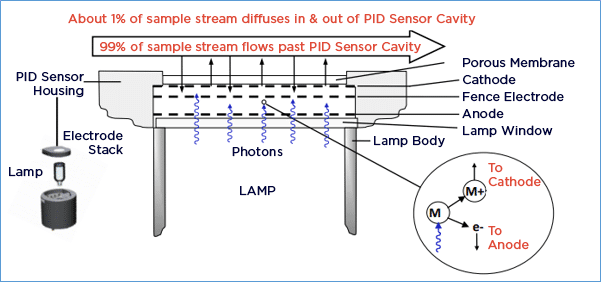
Figure 1 is a schematic of a typical PID sensor system. A UV lamp generates high- energy photons, which pass through the lamp window and a mesh electrode into the sensor chamber. Sample gas is pumped over the sensor and about 1% of it passes through a porous membrane into the other side of the sensor chamber. The inset on the ‘lower right’ of figure 1 shows what happens on a molecular level. When a photon with enough energy strikes a molecule M, an electron (e-) is ejected. M+ ion travels to the cathode and the electron travels to the anode, resulting in a current proportional to the gas concentration. The electrical current is amplified and displayed as a ppm (or part per billion (ppb)) concentration. Not all molecules can be ionized, thus, the major components of clean air, i.e., nitrogen, oxygen, carbon dioxide, argon, etc., do not cause a response, but most VOCs do give a response.
Which lamp do I need?
Typically, three lamps are available with maximum photon energies, measured in electron- volts (eV), of 10.0 eV, 10.6 eV, and 11.7 eV. Figure 2 illustrates that a lamp can only detect those compounds with ionization energies (IE) equal to or below that of the lamp. Thus, a 10.6 eV lamp can measure Methyl Bromide with an IE of 10.5 eV and all compounds with a lower IE, but cannot detect methanol or compounds with a higher IE.
The choice of lamp therefore depends on the application. When only one compound is present, one can use any lamp with enough energy, often the standard 10.6 eV lamp which has a lower cost point and has a long working life of up to a few years. Conversely the 11.7 eV lamp has a short life of only a few months.
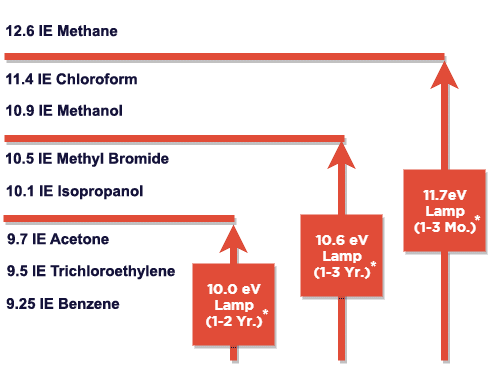
Benzene has a low IE value as shown in Figure 2 and it is often present in a ‘cocktail’ of other chemicals including aromatics and aliphatic. Using a proprietary 10.0 eV lamp means that only the aromatics are detected (amongst other gasses that may be present) and should the total aromatic compounds (TACs) be above the regulatory limit, a benzene pre- filter tube can be used to provide a more accurate reading to monitor benzene.
PID for Arson Investigation
One such tool for the detection of accelerants at fire scenes recommended by investigators3 is the photoionisation detector (PID) which has already proven to be an ideal solution for the detection of relatively low level VOCs for health & safety and environmental applications.
These devices are battery powered and portable and can be deployed rapidly and safely to test areas between floorboards and under carpets where residual traces of accelerant may remain.
Where positive indications of accelerant residue are discovered, grab samples can be taken and carefully stored for subsequent analysis using headspace sampling and gas chromatography (GC). During headspace sampling, debris is collected in a part-filled, sealed jar and allowed to stabilise as debris is collected in a part-filled, sealed jar and allowed to stabilise at room temperature.
Any VOCs present will volatise (evaporate) and concentrate in the ‘headspace’ leading to a positive, reading on the PID. PIDs are ‘broadband’ in nature whereas GCs can speciate exact chemical makeup, therefore, only samples which incite high or significant PID readings need to be sent for more detailed analysis, saving time and money.
Figure 2 is a schematic of a proprietary PID sensor system. A UV lamp generates high-energy photons, which pass through the lamp window and into the sensor chamber. Ambient air is pumped over the sensor and about 1% of it diffuses through a porous membrane filter into the other side of the sensor chamber. The inset on the lower right of figure 2 shows what happens on a molecular level. When a photon with enough energy strikes a molecule M, an electron (e-) is ejected. M+ ion travels to the cathode and the electron travels to the anode, resulting in a current proportional to the VOC concentration. The electrical current is amplified and displayed as a part per million (ppm) or part per billion (ppb) concentration.
Not all molecules can be ionised. Conveniently, the major components of clean air i.e. nitrogen, oxygen, carbon dioxide, argon, etc., do not cause a response, but most accelerants do give a broadband response.
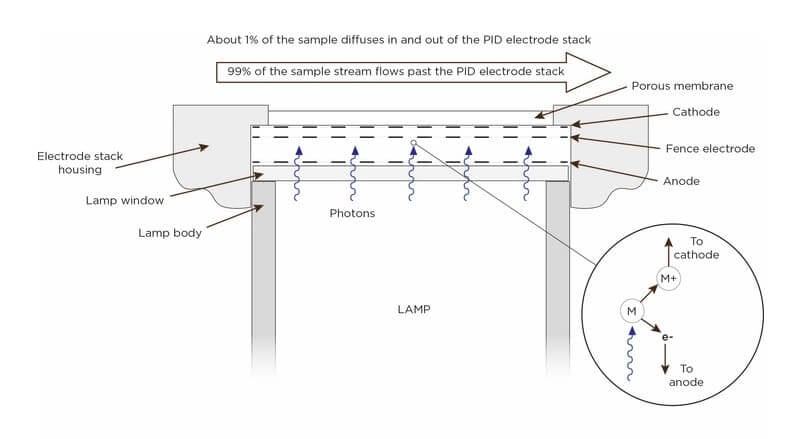
Above diagram: Inside the ION Science MiniPID sensor
There are several good reasons to use a PID for arson investigation:-
- PIDs are portable and battery powered making them ideal for field applications
- PIDs are a quick, simple to use and accurate method for the detection of accelerants at a fire scene
- PIDs are very sensitive to commonly found accelerants and will detect hundreds of gasses and vapours
- PIDs are non-destructive and will not affect the air sample which can be captured for further lab analysis
- PIDs reduce the quantity and cost of lab samples required to reach a conclusion as to the cause of the fire