
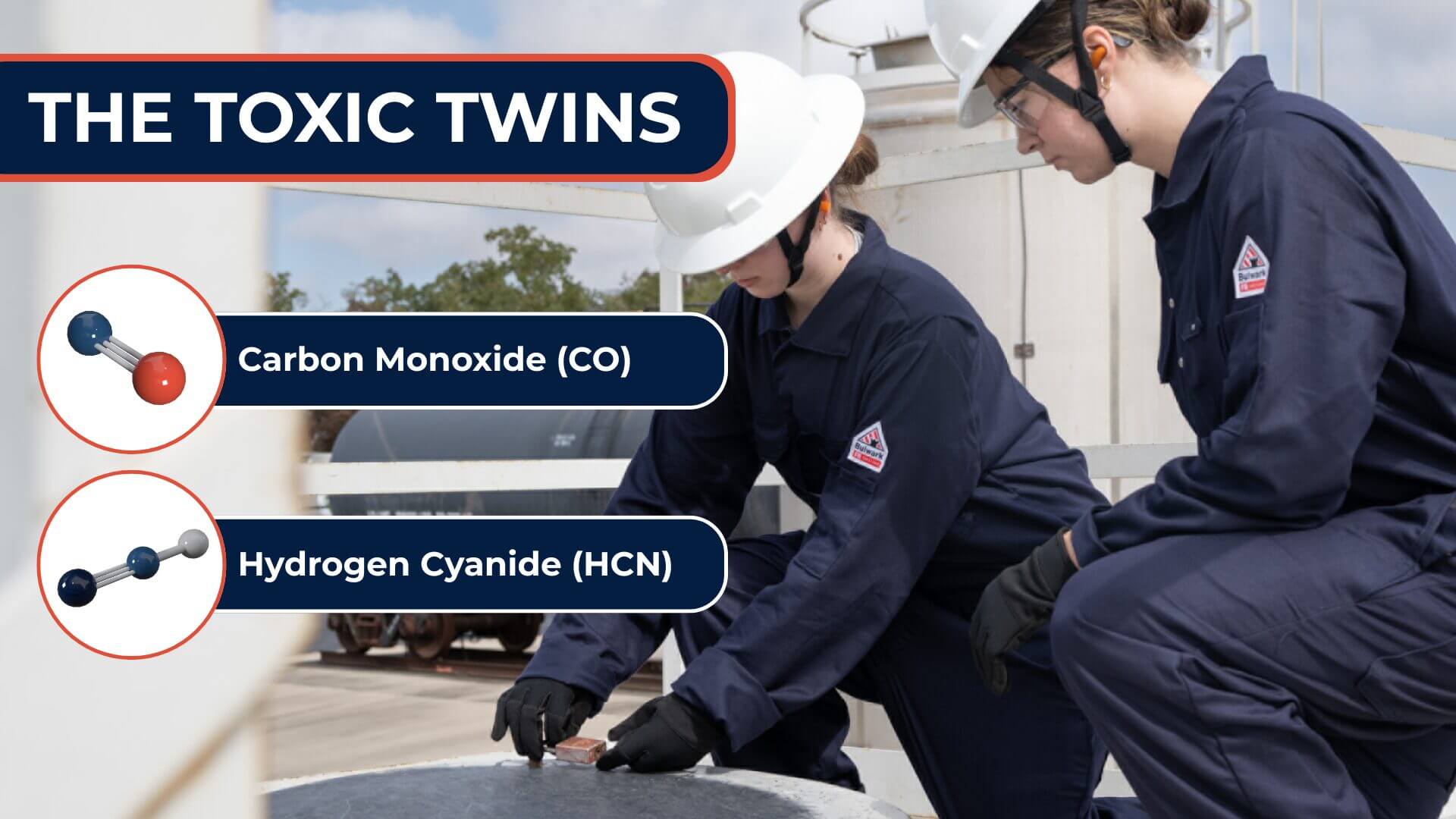
The term “Toxic Twins” refers to two highly dangerous gases; Carbon Monoxide (CO) and Hydrogen Cyanide (HCN), which are commonly found in fires and combustion processes. These gases are particularly lethal when inhaled together, as they both impact the body’s ability to transport and utilise oxygen. Understanding their sources, effects, and prevention is crucial for fire safety, emergency response, and occupational health.
What are the Toxic Twins?
In the aftermath of fires or combustion-related incidents, two particularly lethal gases often emerge; Carbon Monoxide (CO) and Hydrogen Cyanide (HCN). Known as the Toxic Twins, these gases pose a severe risk to life. Individually, each gas is dangerous, but their combined presence amplifies danger and poses a safety threat.
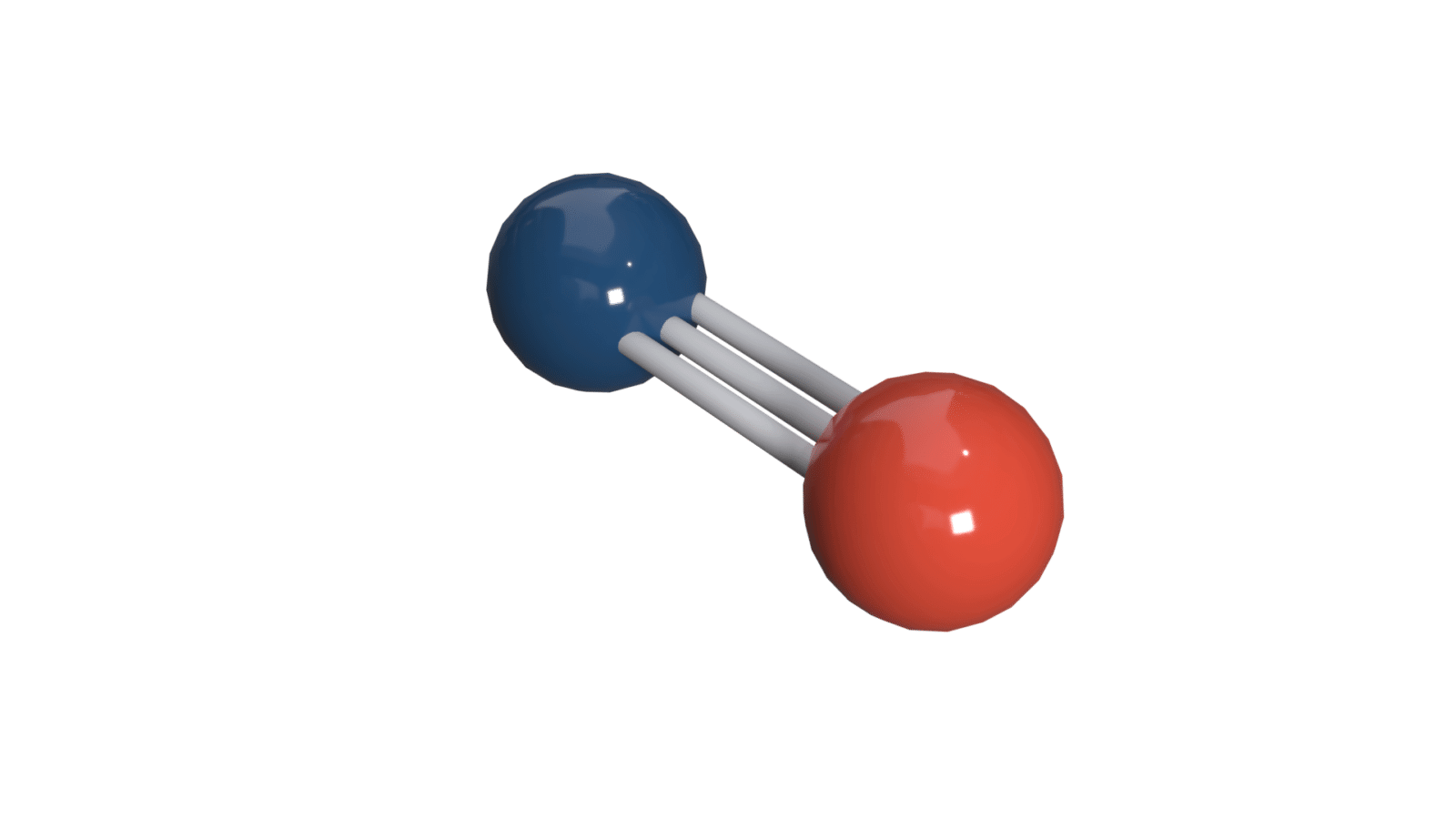
Carbon Monoxide (CO)
Carbon monoxide is a colourless, odourless, and tasteless gas formed as a result of incomplete combustion of carbon-based fuels such as coal, wood, oil, or gas. Because it has no detectable scent or appearance, it is virtually impossible to identify without the aid of specialised detection equipment.
CO is particularly dangerous as it binds to haemoglobin in the blood far more readily than oxygen, effectively displacing it and reducing the body’s ability to transport life-sustaining oxygen to vital organs.
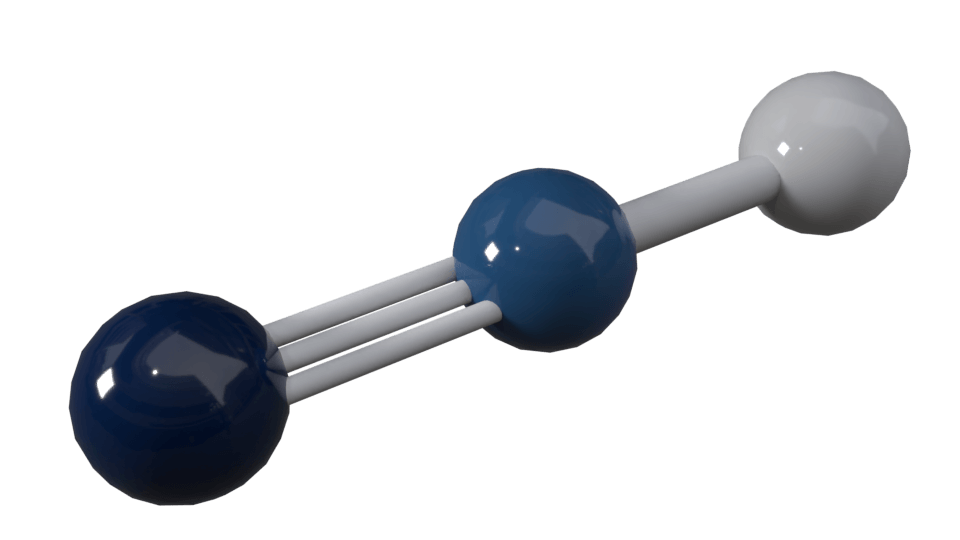
Hydrogen Cyanide (HCN)
Hydrogen cyanide is a volatile and highly toxic gas that is typically released when materials containing nitrogen, such as plastics, foams, wool, or synthetic fabrics, are burned. It is colourless or sometimes pale blue, with a faint almond-like odour. However, not everyone can detect its smell due to genetic variability, making it difficult to identify without instrumentation.
HCN impacts the body’s ability to use oxygen at a cellular level, preventing cells from producing energy and leading to internal suffocation.
A Lethal Synergy
While both CO and HCN are deadly on their own, their combined presence dramatically increases the risk of death. When inhaled together, they create a synergistic toxic effect:
- CO deprives the bloodstream of oxygen by binding with haemoglobin, preventing effective oxygen transport.
- HCN inhibits the body’s ability to utilise the little oxygen that is delivered, by disabling cellular respiration.
Together, this double-hit effect can lead to rapid unconsciousness and death, often within just a few minutes of exposure. This makes the Toxic Twins especially dangerous for first responders, victims trapped in fires, or workers in enclosed environments with poor ventilation.
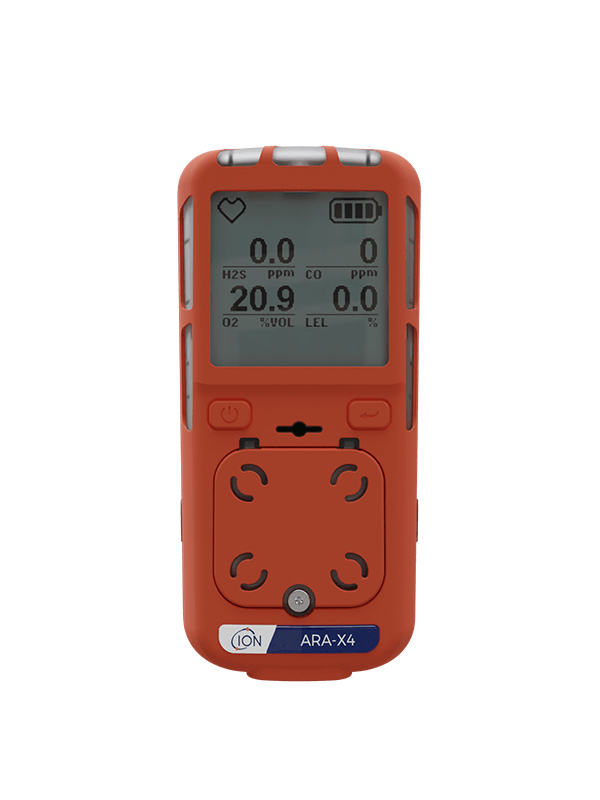
ARA-X4: Your Toxic Twins Defence
With gases as dangerous as the Toxic Twins, workers need to be confident in their protective equipment. ION Science’s ARA-X4 multi gas detector is the ultimate safety shield against harmful gases. With the flexibility to configure up to four sensors, including CO, HCN, O2 (leaded or lead-free) H2S, SO2, and LEL, ARA-X4 is trusted by workers to ensure safety in first response and confined space applications.
- Multiple Sensor Options
- Flexibility to choose O2 (leaded or lead-free), CO, H2S, LEL, HCN, and SO2 sensors to suit specific application needs.
- Instrument Warranty
- Reliable instrument performance backed by a 5-year warranty
- Safe Mode
- Displays a “SAFE” icon when no alarms are triggered, ensuring peace of mind for operators
- User-Friendly Design
- Green & red backlighting, along with a clear, easy navigable interface
- Flip Screen
- LCD screen features a ‘flip’ function, to flip the screen based in instrument orientation for easy readings
- Simple PC Software
- Easy to navigate for streamlined data logging download and instrument configuration
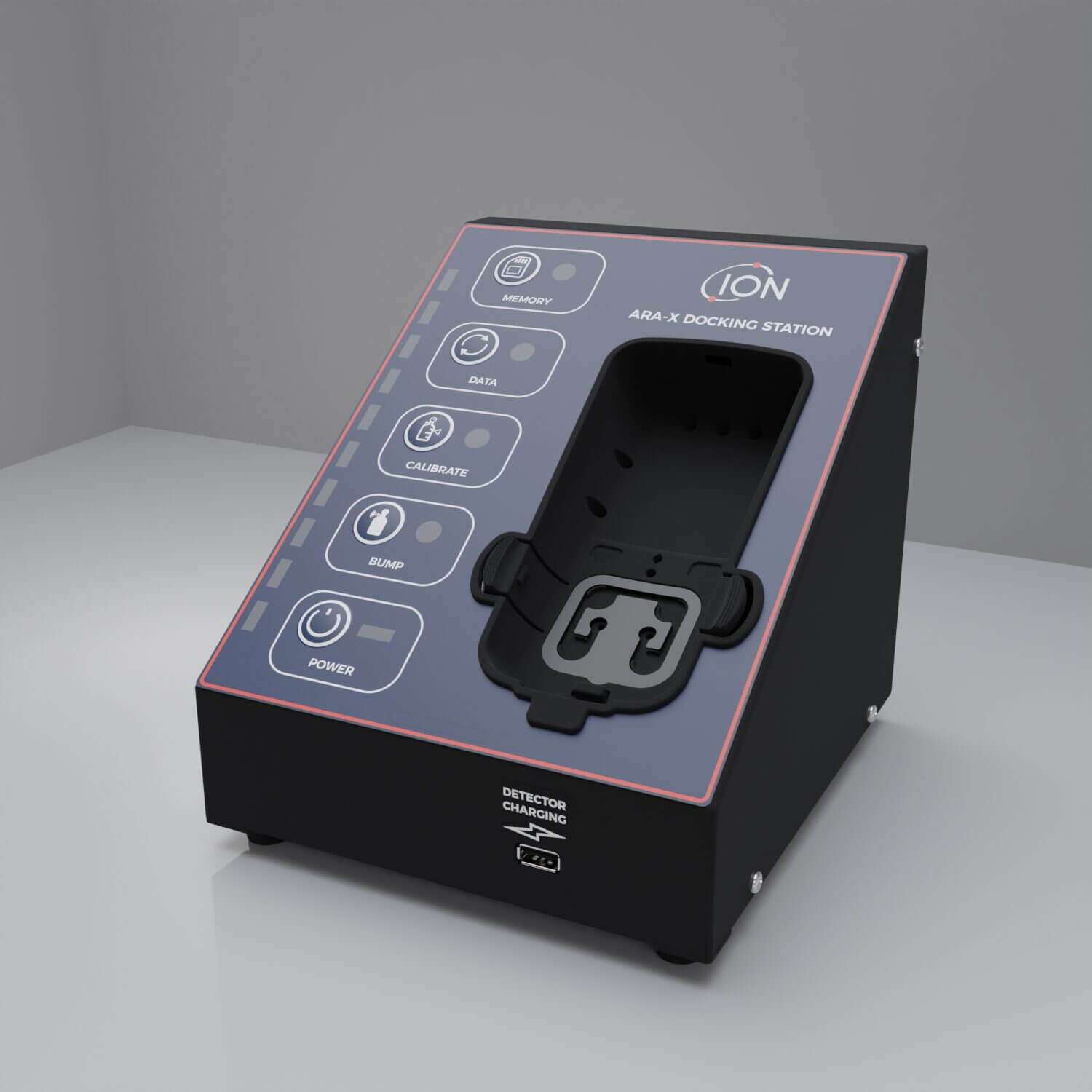
ARA-X Docking Station
Available to purchase with an accompanying docking station, the ARA-X Docking Station streamlines maintenance of your ARA-X4 multi gas detector, performing essential routine tasks such as bump testing, calibration, and alarm verification.
With multiple gas inlet ports, the ARA-X Docking Station ensures that calibration of your multi gas detector, with any sensor configuration, couldn’t be more efficient. Automatic testing reduces the risk of manual error and ensures that devices are always operating at peak accuracy, providing peace-of-mind that your workforce is protected.
Get in Touch!
Contact Us
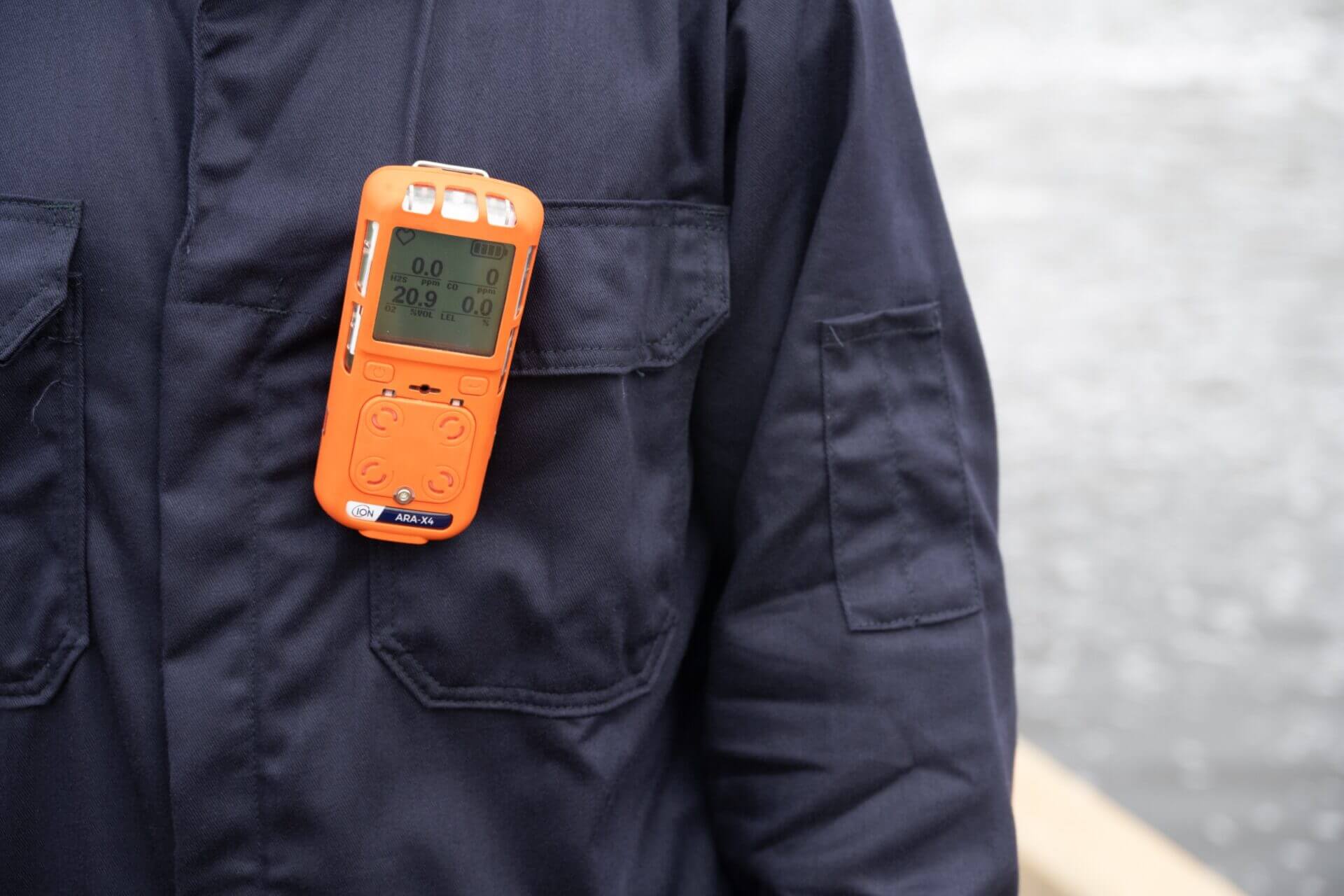
ARA-X4, a robust multi gas detector, is the latest addition to ION Science’s growing personal gas detector portfolio. With worker safety and usability being a paramount focus, ARA-X4 is user-friendly for those who require a trusted, effective, and compliant gas detection solution.
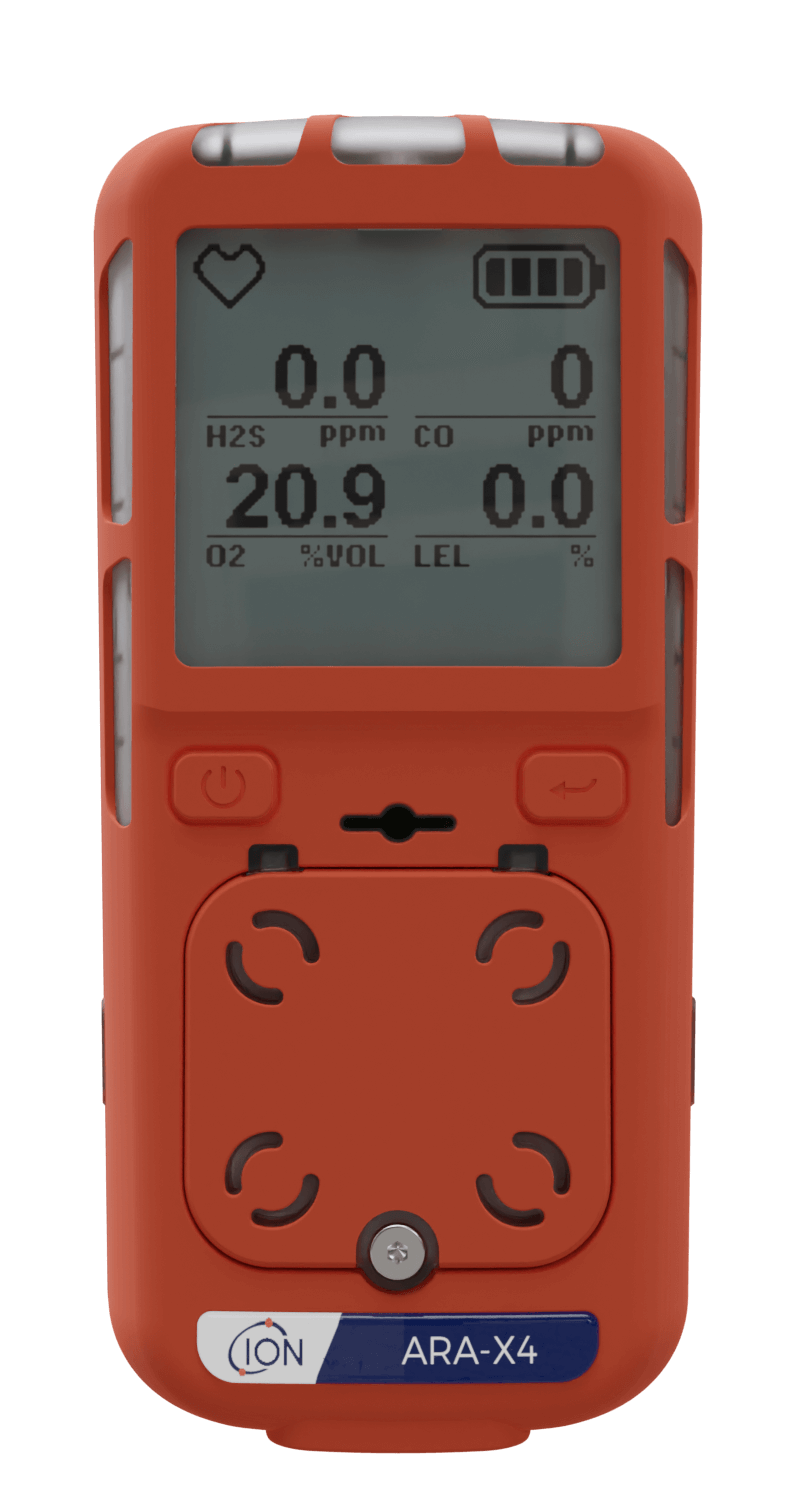
ION Science’s ARA-X4 4-gas compliance monitor is designed for use as a safety device to be worn throughout daily shifts within a range of industry sectors, tailored to detect multiple gas hazards such as oxygen enrichment or depletion, toxic gases, and combustible gases. The ARA-X4 multi gas detector identifies a range of gases for various purposes, creating a robust safety barrier against multiple potential gas-related hazards.
ARA-X4 is perfect for confined space entry and personal health protection, offering real-time monitoring of O2, CO, H2S, HCN, SO2, and LEL levels to ensure compliance with safety regulations. It is available for purchase with the ARA-X4 docking station, which simplifies maintenance for your multi-gas instrument. With automated bump tests, calibration, and alarm testing, compliance becomes effortless with a single-button operation.
ARA-X4 Multi Gas Detector – Key Features
- Multiple Sensor Options
- Flexibility to choose O2 (leaded or lead-free), CO, H2S, LEL, HCN, and SO2 sensors to suit specific application needs.
- Instrument Warranty
- Reliable instrument performance backed by a 5-year warranty
- Safe Mode
- Displays a “SAFE” icon when no alarms are triggered, ensuring peace of mind for operators
- User-Friendly Design
- Green & red backlighting, along with a clear, easy navigable interface
- Flip Screen
- LCD screen features a ‘flip’ function, to flip the screen based in instrument orientation for easy readings
- Simple PC Software
- Easy to navigate for streamlined data logging download and instrument configuration
ARA-X Docking Station
Available to purchase with an accompanying docking station, the ARA-X Docking Station streamlines maintenance of your ARA-X4 multi gas detector, performing essential routine tasks such as bump testing, calibration, and alarm verification.
With multiple gas inlet ports, the ARA-X Docking Station ensures that calibration of your multi gas detector, with any sensor configuration, couldn’t be more efficient. Automatic testing reduces the risk of manual error and ensures that devices are always operating at peak accuracy, providing peace-of-mind that your workforce is protected.
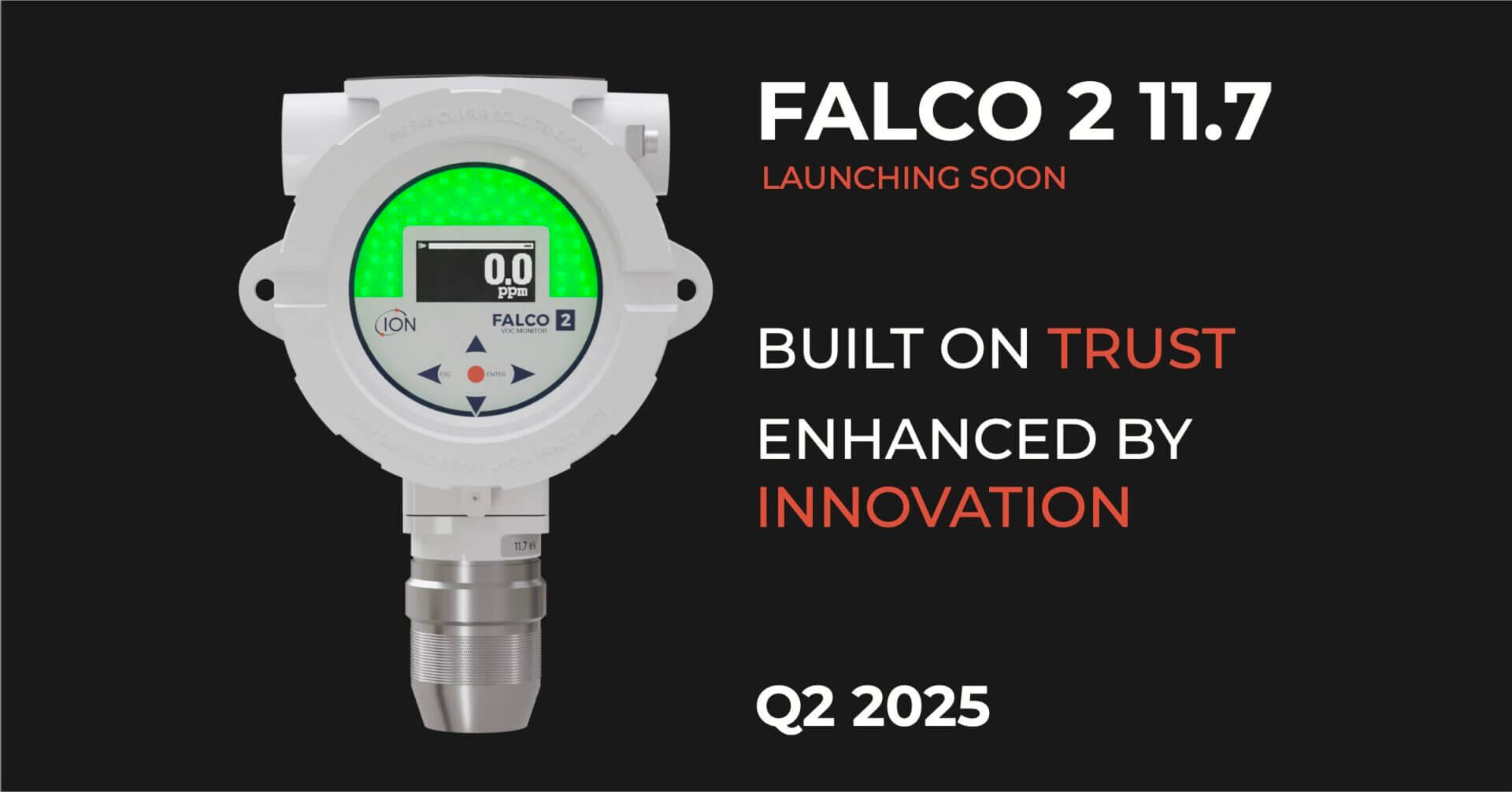
ION Science are excited to introduce FALCO 2 11.7 into our product offering. FALCO 2 11.7 is a fixed photoionisation detector with a high-energy 11.7 eV lamp, ideal for measuring notoriously difficult compounds such as methylene chloride, ethylene oxide, and dichloromethane.
The newest addition to ION Science’s FALCO 2 generation, FALCO 2 11.7, is set to revolutionise fixed PID monitoring. Equipped with a 60-second duty cycle to optimise lamp performance and increase longevity, FALCO 2 11.7 ensures superior operational efficiency and a maximised lifetime.
Engineered for durability and cost-effectiveness, FALCO 2 11.7 excels even in the most demanding environments. It operates seamlessly under high-humidity conditions, ranging from 0-99% RH, and remains reliable in challenging industrial settings. Its advanced technology guarantees precise and consistent VOC detection, making it the perfect solution for industries that prioritise trustworthy, efficient, and cost-effective monitoring systems.
Common applications for FALCO 2 11.7 include:
- Solvent and Chemical Storage
- Li-ion Battery Manufacturing and Storage
- Leak Detection
- Occupational Health and Safety
- Indoor Air Quality Monitoring
- Fenceline Monitoring
- Air Handling Performance
- Process Monitoring Specification

The FALCO 2 Range
FALCO 2 11.7 eV is the latest addition to ION Science’s FALCO 2 range. Explore the full range below:
| Hide | |||||
|---|---|---|---|---|---|
| Comparative
specifications |
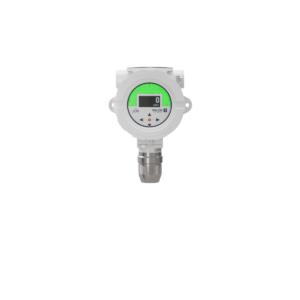 |
|
|
|
|
| Detection Range (ppm) |
0-200 |
0-50 |
0-50 (TAC) |
0-1000 |
0-3000 |
| Stack | White | Orange | White + Gold Spot | White | Orange |
| Lamp | 11.7 eV | 10.6 eV | 10.0 eV | 10.6 eV | 10.6 eV |
| Calibration Points | 2-point | 2 -point | 2 -point | 3 -point | 3 -point |
| Sensitivity (ppm) | 0.1 | 0.01 | 0.01 | 0.1 | 1 |
| Product Details | Product Details | Product Details | Product Details | Product Details |
Be the first to hear
Want to receive the latest updates on FALCO 2 11.7? Enter your contact details below and be the first to know!

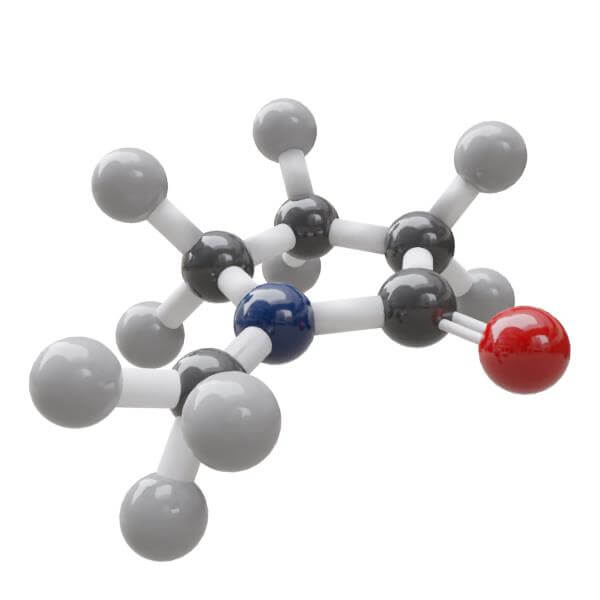
N-Methyl-2-Pyrrolidone (NMP) is a widely used solvent across many industries due to its solvency power and high boiling point. While NMPs efficacy is undisputed, the compound poses many health and environmental risks.
Effects of Short & Long term Exposure to NMP
SHORT TERM EXPOSURE: (ACUTE)
Exposure to NMP, even for a short duration, can cause acute health effects depending on the level and mode of exposure (inhalation, dermal contact, or ingestion) including:
- Respiratory Effects
- Neurological Symptoms
- Skin and Eye Irritation
- Gastrointestinal Distress
LONG TERM EXPOSURE: (CHRONIC)
Chronic exposure to NMP, especially in occupational or high-exposure environments can result in more severe and potentially irreversible health effects such as:
- Central Nervous System (CNS) Damage
- Reproductive and Developmental Toxicity
- Dermatological Effects
- Organ Toxicity
- Carcinogenic Potential
Learn More
Want to learn more about NMP, where it is commonly found, and how ION Science provides the most accurate and reliable monitoring solution on the market? Click the button below:

Get in Touch
Are you looking for a reliable, accurate solution for the detection of NMP? Fill out the form below and an expert member of our team will be in touch to discuss your requirements.

Every year on April 7th, the world comes together to celebrate World Health Day, an initiative by the World Health Organization (WHO) that provides an invaluable opportunity to come together and advocate for effective, sustainable health policies and practices.
This year, the theme “My Health, My Right” underscores the fundamental principle that everyone, regardless of their background or circumstances, has the right to live in environments conducive to good health.
In a world constantly grappling with various health challenges, from infectious diseases to environmental pollution, this theme serves as a reminder of the importance of prioritising individual health rights. It emphasises the need for governments, organisations, and individuals to work collaboratively to ensure that health is treated as a fundamental human right, not a privilege.
ION Science exemplifies this commitment to promoting health rights with a dedication to protecting lives and preserving the environment, aligning closely with the key theme of World Health Day 2024 and beyond.

Cleaner Air: Ensuring cleaner air is essential for safeguarding public health, and our sensing technology plays a vital role in this endeavour. ION Science’s range of MiniPID sensors is widely recognised as the best available PID sensors, thanks to our industry-leading sensitivity, reliability, and accuracy in VOC detection. By improving the technology available, it’s possible to better monitor emissions that negatively impact health and the environment. ION Science’s MiniPID sensor technology is ideal for air quality and emissions monitoring purposes, due to the patented ‘Fence Electrode Technology’ found in all ION Science MiniPID sensors, to eliminate false positives. The Fence Electrode guards the sensing electrodes against short circuits, and false negatives are also minimised through a combination of advanced electrode geometry and moisture filtering.
The three MiniPID sensor variants that are most suitable for air quality monitoring, to support cleaner air are:
MiniPID 2 PPB Sensor: Sets the standard for low-end parts per billion (ppb) sensitivity, ensuring precise detection of volatile organic compounds (VOCs) in various environments. With its wide dynamic range, this sensor excels in measuring indoor and outdoor air quality across diverse settings, providing accurate data for informed decision-making.
MiniPID 2 HS Sensor: Offers unrivalled sensitivity that stands out as the epitome of sensing technology, setting the bar as the most sensitive VOC sensor available. Tailored for high-sensitivity applications, this sensor enables sub-parts per billion (ppb) measurements, offering unparalleled precision in detecting volatile organic compounds (VOCs) in diverse environments.
MiniPID 2 10.0 eV Sensor: Enables targeted detection establishing it as the ideal solution for environments demanding precise measurement of highly toxic VOCs like benzene, toluene, ethylbenzene, and xylene. With its specialised focus on selective detection, this sensor empowers users to pinpoint and monitor specific volatile organic compounds, ensuring enhanced safety and risk management in targeted applications.
Utilising MiniPID sensors alongside advanced gas sensing technology has proven to be a powerful approach to monitoring air quality and emissions, crucial for safeguarding both human health and the environment. ION Science remains steadfast in its dedication to saving lives and conserving the environment by providing innovative gas-sensing solutions to enhance air quality monitoring and preservation efforts.
Safer Work Environment: In the realm of safeguarding workplaces from hazardous levels of toxic and explosive gases, the creators and innovators behind gas detection instruments and systems play and imperative role.
Safeguarding workplaces is paramount to prevent dire consequences resulting from the failure to protect work environments. Professionals play a crucial role in upholding organisations’ duty of care and ensuring the safety and well-being of employees.
In response to this imperative need for reliability and precision, ION Science remains dedicated in its commitment to providing superior-grade gas detection and sensing technology. Our solutions stand as the epitome of reliability on a global scale, empowering organisations to fulfil their duty of care with confidence, knowing they have the most precise and reliable sensing technology at their disposal.
Effective monitoring is essential for promptly identifying risks to both industrial facilities and the workforce. Accurate and dependable measurements serve as the cornerstone of this process, enabling operators to assess potential hazards and take proactive measures to mitigate them. Allowing organisations to address identified issues swiftly and effectively. Additionally, it enables operators to evaluate the efficacy of implemented measures, ensuring continuous improvement in workplace safety standards.
Our fixed gas monitoring products, such as the Falco, are designed to provide comprehensive monitoring capabilities across various industrial settings. The Falco can detect a wide range of hazardous gases, including volatile organic compounds (VOCs), hydrogen sulphide (H2S), and carbon monoxide (CO), among others. With real-time data monitoring and customisable alarm settings, employers can promptly respond to potential gas leaks or unsafe conditions, ensuring the safety of their site and workforce.
In addition to fixed gas monitors, our wearable gas detection devices, including the Cub and the ARA (O2 Single Gas Detector , SO2 Single Gas Detector, HS2 Single Gas Detector & CO Detector) range, offer wearable safety solutions for individual workers. The Cub is a portable PID VOC monitor that can be worn by workers to continuously monitor their immediate environment for harmful gases. Its compact design and intuitive interface make it ideal for personal use, providing peace of mind and enabling proactive safety measures.
By combining fixed gas monitoring solutions like the Falco with wearable devices such as the Cub and ARA range, employers can create a layered approach to gas detection, enhancing overall workplace safety. Our advanced gas detection technology not only protects workers from immediate hazards but also contributes to a culture of safety and accountability within the organisation. Ensuring employers can confidently provide safer work environments, safeguarding the health and well-being of their employees.
Commitment To Sustainability: At Ion Science, our commitment to sustainability extends beyond providing innovative solutions for health and safety. We recognise the importance of minimising our environmental footprint and actively work towards sustainable practices in our operations and product development.
From implementing energy-efficient manufacturing processes to reducing waste and emissions, we strive to minimise our impact on the environment. Our dedication to sustainability is evident in initiatives such as our ISO 14001 certification, which ensures that environmental management is integrated into our business processes.
Our products are designed with longevity and efficiency in mind, promoting resource conservation and reducing the need for frequent replacements. For example, our gas detection instruments are built to withstand harsh conditions and undergo rigorous testing to ensure durability, thereby reducing waste and contributing to a circular economy.
In addition to our internal efforts, we support sustainability initiatives within the communities we serve. Whether through charitable donations, volunteer programs, or partnerships with environmental organisations, we aim to make a positive impact beyond our business operations.
Whilst we continue our journey towards sustainability, we remain committed to innovating responsibly and prioritising the health of both people and the planet. Together, we can build a more sustainable future for generations to come.
Want to Learn More?
As we commend World Health Day 2024, it’s imperative to recognise the interconnectedness of individual health, environmental health, and occupational health. By embracing the theme “My Health, My Right,” and actively pursue cleaner air, and safer workplaces, we can create a world where everyone can enjoy the basic human right to health and well-being.
Initiatives like World Health Day serve as important reminders of the ongoing global efforts to prioritise health rights for all individuals. Through collaborations between organisations like ION Science and initiatives led by WHO, we can strive towards a healthier, more equitable future for generations to come.
If you would like to learn more about World Health Day 2024, click here.
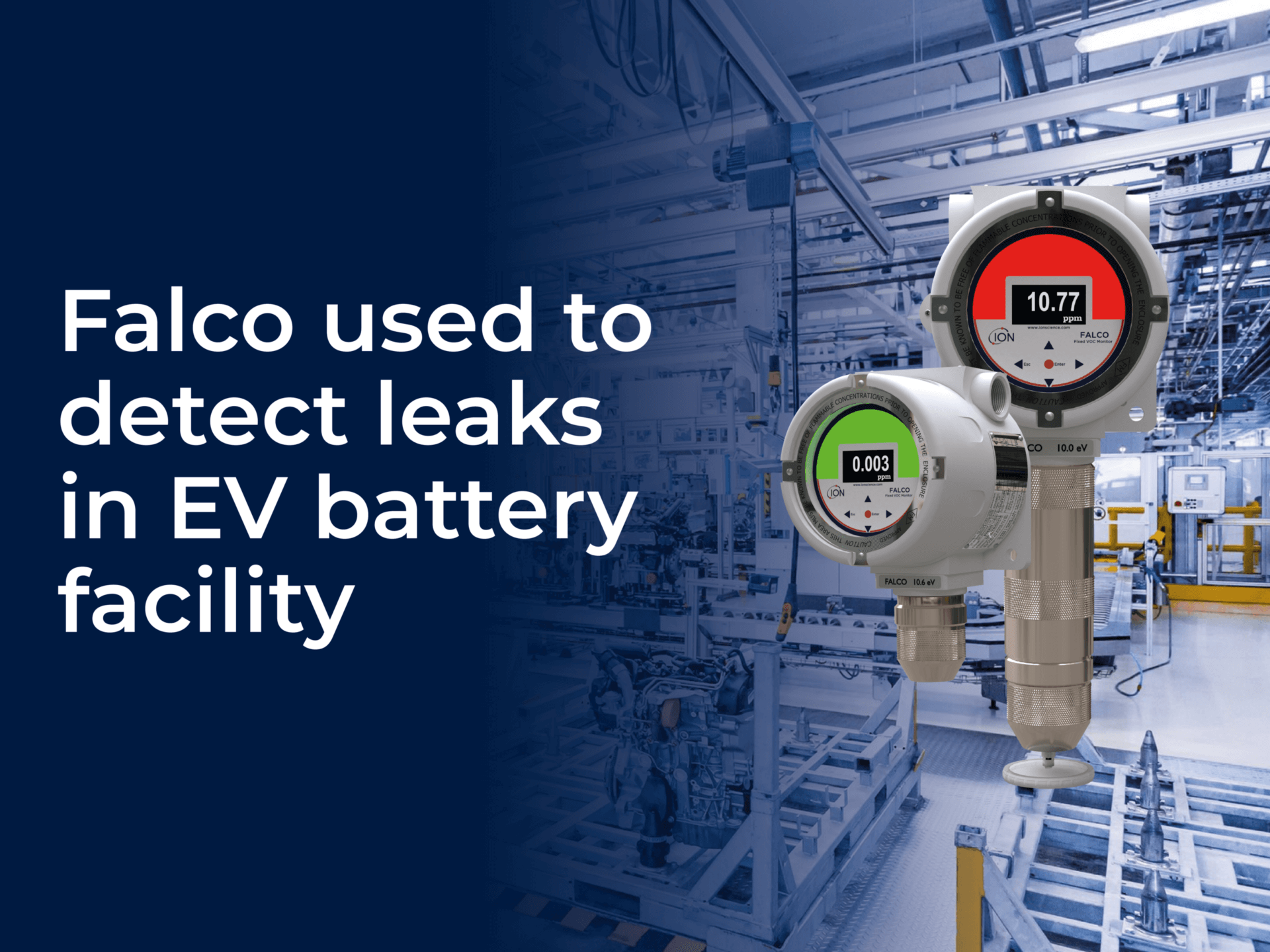
Falco Fixed VOC Gas Detector is being used across the globe to monitor and detect hazardous gas leaks in the manufacturing process of electric vehicle (EV) batteries.
Introduction
Back in 2020, the UK Government took a huge step forward to achieve net-zero by announcing a ban of sales of new petrol and diesel cars by the 2030. This announcement has put the UK on course to be the fastest G7 country to decarbonise cars and vans. A 2 phase approach will be put in place to achieve this target. Step 1) Phase out the sale of new petrol and diesel cars and vans by 2030. Step 2) Every newly manufactured car and van to emit zero emissions from 2035. Between 2030 and 2035, the sale of new cars and vans will be permissible if they possess the capability to travel a considerable distance without emissions, such as plug-in hybrids or full hybrids. Source: www.gov.uk
With less petrol and diesel vehicles being manufactured, the world turns to the need for electric vehicles. There are multiple benefits of owning and using an electric vehicles, including:
- Reduced Emissions: Electric Vehicles produce zero emissions, meaning they don’t have a negative impact on air pollution and greenhouse gases.
- Lower Operating Costs: Eletricity is generally cheaper than gasoline or diesel, resulting in lower fuelling costs.
- Convenience: Many Electric Vehicle owners can charge their vehicle at home, meaning they can simply plug in their vehicle and charge it over night.
Lithium-ion batteries and the associated dangers
Electric vehicles are the short to medium term future of transportation, offering numerous advantages over traditional internal combustion engine vehicles, including reduced greenhouse gas emissions and improved air quality. However, the production of the lithium-ion batteries that power these vehicles comes with its own set of challenges, particularly in terms of safety.
High-capacity lithium-ion batteries, commonly found in electric vehicles, have the capability to recharge fully with minimal energy loss. They are typically composed of carbon or graphite, a metal oxide, and lithium salt, which constitute the positive and negative electrodes. These components are combined with electrolytes to facilitate the flow of electric current. At the end of their useful life, these batteries can be disassembled, allowing for the reuse of raw materials, with approximately 80 percent of the components being recyclable.
The primary components within lithium-ion batteries used in electric cars include the anode, cathode, separator, electrolyte, and lithium ions. EV battery cells typically contain approximately 17 pounds of lithium carbonate, 77 pounds of nickel, 44 pounds of manganese, and 30 pounds of cobalt. It is noteworthy that lithium is the most crucial component in EV batteries, and there is currently an unprecedented demand for this material.
Lithium-ion batteries are known for their high energy density and rechargeable nature, offer versatile applications but also pose risks that require attention. Potential hazards include thermal runaway, wherein the battery can overheat and even explode if damaged or exposed to high temperatures. Short circuits may lead to fires, and physical damage such as membrane punctures can cause internal harm. Overcharging, overheating, manufacturing defects, chemical reactions, aging, and external factors can also compromise battery safety.
The ION Science photoionisation detection (PID) sensors are able to detect potential problems before they occur in the manufacture and use of Li-ion batteries and the enormous variety of devices that use rechargeable batteries. With our ever-evolving digital age, the safe utilisation of Li-ion batteries is of paramount importance to manufacturers and customers. Click here to read the full ‘Li-ion battery risks reduced by VOC sensors’ blog.
Falco: The Cutting-Edge Fixed VOC Monitor
The Falco Fixed VOC Gas Detector continuously detects a wide range of volatile organic compounds (VOCs) and total aromatic compounds (TACs) using patented photoionisation detection (PID) technology. This fixed instrument plays a crucial role in ensuring the safety of works and the overall manufacturing process when producing lithium-ion (li-ion) batteries for electric vehicles (EVs). Falco is being used in multiple stages of the EV battery manufacturing process but is increasing being used to detect any leaks in individual cells. If a leak occurs, it could lead to a fire or even an explosion, therefore, it is essential that no leaks are present. The Falco Fixed VOC Gas Detector is used to detect the presence of any leaking gases at an early stage, reducing the changes of any life threatening accidents later down the line.
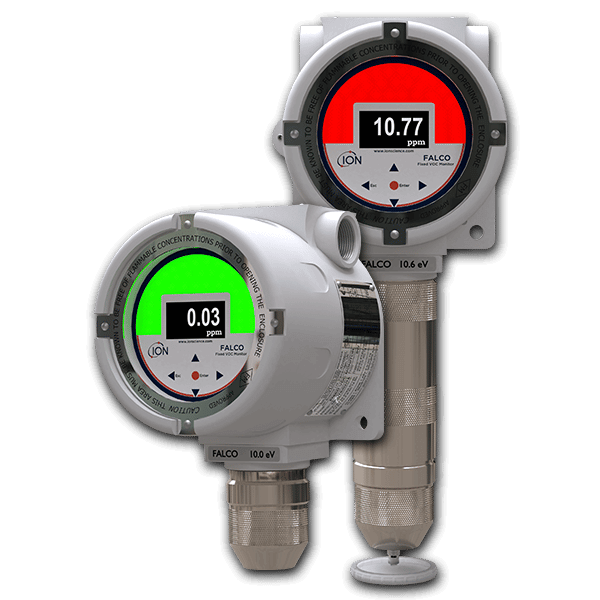
Key Features of Falco include:
High Sensitivity
Falco boasts a high sensitivity to a wide range of VOCs, ensuring that leaks are detected promptly.
Continuous Monitoring
It provides real-time, continuous monitoring, allowing for immediate response to any abnormal levels of VOCs.
Customisable Alarms
Falco allows for customisable alarm settings, alerting facility personnel when VOC concentrations exceed safe levels.
User-Friendly Interface
The user-friendly interface makes it easy for operators to set up and use the device efficiently.
Low Maintenance
Falco requires minimal maintenance, reducing operational costs and downtime.
Multiple Output Options
Falco has 2 programmable relays, 3 – 20 mA output and RS485 MODBUS.
Certified
Falco is ATEX, IECEx and QPS certified.

Protecting Lives and Preserving the Environment
The implementation of Falco fixed VOC monitors in EV battery manufacturing facilities is not just about compliance with safety regulations; it’s also about ensuring a sustainable future. These monitors help in preventing VOC emissions into the atmosphere, which can have long-term adverse effects on air quality and climate change. By promptly detecting and addressing leaks, EV battery manufacturers contribute to a greener and more sustainable world.
At the heart of ION Science’s business vision lies a simple yet powerful mission:
…..
“To protect lives and preserve the environment”.
This encapsulates their unwavering commitment to creating products and solutions that enhance safety while minimising environmental impact. For years, ION Science has been at the forefront of the industry, offering accurate and reliable technology that detects harmful gases and volatile organic compounds (VOCs), making workplaces safer and ensuring a healthier planet.
Conclusion
As the electric vehicle revolution accelerates, the importance of safe and sustainable battery manufacturing cannot be overstated. Falco, the cutting-edge fixed VOC monitor, stands as a beacon for the industry. With its highly sensitivity, real-time monitoring, and remote access capabilities, it is revolutionising how EV battery manufacturing facilities protecting their workforce and the environment.
By choosing Falco, these facilities are not only complying with safety regulations but also actively contributing to a cleaner and healthier planet. As the EV industry continues to grow, Falco will continue to play an indispensable role in safeguarding both the workforce and our shared future.
Contact us today
To discuss with the instrumentation team how Falco can be used in your application.

Due to advanced PID Sensor technology, safety hazards associated with Li-ion battery storing and usage can be mitigated, allowing safety measures to be implemented.
Sensitive photoionisation detection (PID) sensors are able to detect potential problems before they occur in the manufacture and use of Li-ion batteries and the enormous variety of devices that use rechargeable batteries. With our ever-evolving digital age, the safe utilisation of Li-ion batteries is of paramount importance to manufacturers and customers.
The risks posed by Li-ion batteries have been highlighted by a number of high-profile incidents hitting mainstream media. Famously, in 2016, around 2.5 million mobile phones were recalled after complaints of overheating and exploding batteries. Extensive investigations revealed insufficient insulation material within the batteries and a design that did not provide sufficient space to safely accommodate the batteries’ electrodes were the main catalysts for these incidents. As a result of the magnitude of this problem, and the global publicity which ensued, demand grew for sensing technology that can detect faulty Li-ion batteries, both during production and operation.
The main safety concern associated with failing Li-ion batteries is the ignition of the battery cell. Not only does this pose an immediate acute (short-term) hazard to individuals, but over long periods of time can cause the emission of toxic gases. These gases include volatile organic compounds (VOCs), meaning sensitive VOC sensors can be used to check the condition of these batteries – either within portable detectors or in process/plant monitoring equipment.
The anode in rechargeable Li-ion batteries is typically graphite, the cathode is a metal oxide, and the electrolyte is usually a lithium salt in a (flammable) organic solvent. This electrolyte includes compounds such as ethyl methyl carbonate (EMC) which is known to be among the gases emitted by a faulty Li-ion battery. Conveniently, EMC can be detected by ION Science’s PID, so the developers of monitoring systems and equipment are able to design technologies that utilise ION’s MiniPID sensors.
The RFs for VOCs commonly used in Li-ion battery electrolytes are presented in Table 1: Evaluation of chemicals used in lithium-ion batteries.
|
VOC |
Boiling Point oC |
RF |
Sat. vapour pressure @ 25 oC bar |
Prospective maximum response, ppm (IBE) |
Measured spike response, ppm (IBE) |
|
Dimethyl carbonate |
91 |
65 |
0.07 |
1000 |
80 |
|
Ethyl methyl carbonate |
107 |
18 |
0.035 |
2000 |
240 |
|
Diethyl carbonate |
127 |
7.5 |
0.015 |
2000 |
390 |
|
Vinylene carbonate |
162 |
3.5 |
0.0033 |
1000 |
480 |
|
Butylene carbonate 1,2- |
238 |
18 |
0.0002 |
1 |
10 |
|
Propylene carbonate |
242 |
15 |
0.0002 |
1 |
80 |
|
Ethylene carbonate |
243 |
>50 |
0.0003 |
0.5 |
<1 |

Due to their specificity, PID sensors are the most commonly employed technology for the detection of VOCs, and ION’s MiniPID range includes the most sensitive PID sensor in the world, which makes it ideal for the detection of trace leaks from faulty Li-ion batteries.
Summarising, Peter Morris from ION Science says:
“Prospective customers for our PID sensors in Li-ion battery applications include the developers of portable instruments, as well as the designers of monitoring systems for processes within battery manufacturing, as well as in the manufacture of EVs, e-bikes, laptops, tablets, phones and many others.”

Contact us today
To discuss with the sensing team how we’re reducing risks and protecting lives in the electric vehicle, e-bike, and electronics industries and how we can support you:

How fixed gas detection solutions are supporting World Day for Safety and Health at Work
The International Labour Organisation (ILO) marks its World Day for Safety and Health at Work on 28th April 2022. The spotlight on providing safe and healthy places to work has become more prominent in recent times, particularly as working practices emerged and evolved rapidly as part of the COVID-19 pandemic.
World Day for Safety and Health at Work is designed as an initiative, aimed at encouraging people and businesses to leverage an effective occupational health and safety (OHS) system to reduce risk and improve working conditions for all. As a result ILO is exploring the topic of participation and social dialogue in creating a positive safety and health culture.
ION Science is committed to protecting lives and preserving the environment with technologically advanced gas detection instrumentation. As a leading OEM in the development, manufacture, and supply of PID (photoionisation detection) volatile organic compound (VOC) gas detectors. ION Science has been working to keep workers and environments safe for over 30 years. A key part of ION Science’s portfolio is fixed gas detectors, which can play a vital role in a organisations occupational health and safety approach.
In industrial facilities where hazardous substances are part of the daily routine, fixed gas detectors are used to protect employees, for site-safety (assets) and the environment. Their purpose is to control gas-related risks and provide continuous monitoring for the prevention of explosive gas leaks or overexposure to toxic gases. The right and reliable fixed gas detection system can prevent and limit the impact of a potential gas leak.
Fixed detectors can be classified and approved for use in ATEX-zoned hazardous areas or what are deemed safe areas. That choice will usually be based on a gas hazard survey and/or a DSEAR report depending on the site and application. Once a working area has been identified as hazardous it must be classified into a zone based upon the frequency and persistency of the potentially explosive atmosphere. This will help to determine the controls needed on potential sources of ignition that may be present in the area:
- Zone 1 hazardous areas are classified as a working area where the presence of explosive gas is likely to occur during normal working conditions.
- Zone 2 hazardous areas are classified as working areas in which explosive gas is not likely to occur during normal operation and if it does it would not be for an extended period of time.
ION Science’s two main fixed gas detectors are the Falco and Titan. The Falco fixed gas detector is available as either a pumped or diffusive model. The Falco is intrinsically safe and ATEX certified making it approved for use in ATEX-zoned hazardous areas. It does not require a hot work permit, and only requires annual maintenance. Falco gas detectors are designed with Typhoon technology, making it able to withstand exceptionally harsh environments, including 0-100% relative humidity and condensing humidity, and temperatures from -40 to +50 °C without any compromise in performance. When you have the right gas detection system in place, your workers and site stay safe, and work continues smoothly.
Titan is a benzene-specific fixed gas detector, making it ideal for use in petrochemical applications. Benzene poses a serious health risk, even at low concentrations, so monitoring is essential for safe working environments. ION Science’s Titan detector is the only continuous benzene-specific fixed gas detector on the market, offering end users a unique ability to monitor benzene concentrations 24/7 to ensure any risk can be mitigated. With fast and accurate monitoring down to 0.1 ppm, the Titan is designed with worker health and safety in mind, alongside reliable, accurate benzene monitoring. It is also certified to ATEX, IECEx, UL and CSA standards for total reliability.
This World Day for Safety and Health, it is important to understand the role that technology can play in improving approaches to health and safety. With greater awareness, improved initiatives, better prevention tactics and a willingness to leverage effective occupational health and safety, the likelihood of improving working conditions for all is possible. ION Science is proud to offer fixed gas detectors which can aid in the detection and prevention of exposure to harmful VOCs and play a part in supporting worker health and safety around the world.
To find out more about World Day for Safety and Health at Work, please visit: https://www.ilo.org/global/topics/safety-and-health-at-work/events-training/events-meetings/world-day-safety-health-at-work/WCMS_836801/lang–en/index.htm
For press enquiries please contact: Hannah Albone hannah.albone@cogent.co.uk or 07483047567, alternatively contact David Leatham David.leatham@cogent.co.uk or 07483 071 833.
To find out more about how ION Science can support World Day for Safety & Health at Work with fixed gas detection solutions.
Please complete the form below and a member of our team will contact you shortly.

What is a Part Per Million (PPM)?
Measuring Acetone to Hydrogen sulphide, Benzene to Xylene, if you are measuring harmful gases, you are likely to measure them using PPM units. Parts Per Million is self-explanatory, it’s simply the number of gas molecules in a million but what does PPM look like?
This simple video offers a clear graphical representation of Part Per Million followed by Part Per Billion!
YouTube video playerNeed to know more about harmful gases?
Gas fact sheets are available to download for many harmful gases. They not only contain background information like the chemical’s history, they include where the gas is used and harmful effects.
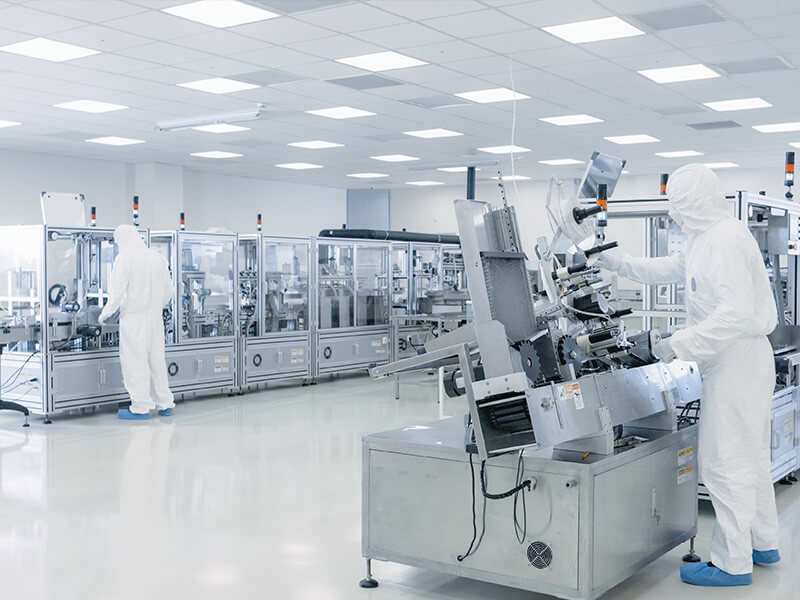
Gases found within Pharmaceutical and Bioanalytical Laboratories
There are a wide variety of gases found within a pharmaceutical or medical laboratory. Many have no taste, colour or smell, which makes it difficult to tell if a gas leak is present. A gas leak from a cylinder or fixed pipe gas system poses a series risk that can cause a potentially fatal incident or hazard within a laboratory environment.
The pharmaceutical industry is one of the world’s fastest growing industries. Most of the sales revenue it generates is then reinvested in the area of research and development of new products. Research and development uses a wide range of speciality gases and equipment. Analytic instruments such as gas chromatographs, liquid chromatographs and spectrometers all rely on the appropriate level of gas delivery to operate effectively.
These pharmaceutical and medical gases are manufactured specifically for the medical, pharmaceutical manufacturing, and biotechnology industries. They are frequently used to synthesize, sterilize, or insulate processes or products which contribute to human health.
Pharmaceutical gases are also inhaled by patients in a technique known as gas therapy. Gases used for human healthcare are strictly controlled by both legislation and industrial standards so as to not impair human physiology.
Gases found within a laboratory
Helium
Helium (He) is a very light, odourless and tasteless gas. It is also one of the 6 noble gases (helium, neon, argon, krypton, xenon and radon), so called because they do not react with other elements and therefore cannot bond with other atoms to form complex compounds. This gives it a strong safety profile and a potential usage in multiple applications. Due to their unreactive status Helium is often used as a carrier gas in laboratories. Helium has many uses beyond its most common one to fill balloons and its role within the pharmaceutical and biotechnology sector is invaluable. It is most widely used in the laboratory in the cooling of magnets inside MRI machines however it is also used across a large range of medical areas including respiratory, cardiology, radiology and cryology functions.
Argon
Argon (Ar) is also a noble gas with non-reactive properties. In addition to its well-known use in neon lights it is also sometimes used in the medical and biotechnology sectors. It is the preferred inert gas for use within Schlenk lines and glove boxes in cases where nitrogen may react with reagents or apparatus and can also be uses is the carrier gas in gas chromatography and electrospray mass spectrometry. In pharmaceuticals and medicine it can also be used in packaging where nitrogen may conflict and also in cryosurgery and in lasers used for vascular welding and correcting eye defects.
Nitrogen
Although not a noble gas like Helium or Argon Nitrogen (N) is also commonly used in pharmaceutical industry due to is relatively non- reactive properties in many different processes and applications. Laboratories primarily to control the atmosphere for highly sensitive equipment and procedures. Nitrogen gas is applied to control oxygen levels, humidity, and temperature in lab equipment including cell incubators, dry boxes, glove boxes, and mass spectrometers.