
User manual
ARA User Manual Chinese
Chinese
Download: ARA User Manual Chinese
Our technical support team can help with instrument setup, operation, fault diagnosis and product capabilities.
Before submitting a request, have the following information available where possible:
Need technical support? Raise a support ticket and our team will be in touch.
Access user manuals and technical documents for current and legacy ION Science instruments, including guidance on installation, operation, maintenance and safe use.
User manual
Chinese
Download: ARA User Manual Chinese User manual
English
Download: ARA User Manual English User manual
French
Download: ARA User Manual French User manual
German
Download: ARA User Manual German User manual
Italian
Download: ARA User Manual Italian User manual
Spanish
Download: ARA User Manual Spanish
User manual
Chinese
Download: ARA-X4 User Manual Chinese User manual
English
Download: ARA-X4 User Manual English User manual
French
Download: ARA-X4 User Manual French User manual
German
Download: ARA-X4 User Manual German User manual
Italian
Download: ARA-X4 User Manual Italian User manual
Spanish
Download: ARA-X4 User Manual Spanish
User manual
Chinese
Download: Cub User Manual Chinese User manual
English
Download: Cub User Manual English User manual
French
Download: Cub User Manual French User manual
German
Download: Cub User Manual German User manual
Italian
Download: Cub User Manual Italian User manual
Spanish
Download: Cub User Manual Spanish
User manual
Chinese
Download: FALCO 2 11.7 User Manual Chinese User manual
English
Download: FALCO 2 11.7 User Manual English User manual
French
Download: FALCO 2 11.7 User Manual French User manual
German
Download: FALCO 2 11.7 User Manual German User manual
Italian
Download: FALCO 2 11.7 User Manual Italian User manual
Spanish
Download: FALCO 2 11.7 User Manual Spanish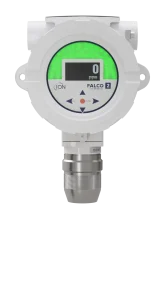
User manual
Chinese
Download: FALCO 2 User Manual Chinese User manual
English
Download: FALCO 2 User Manual English User manual
French
Download: FALCO 2 User Manual French User manual
German
Download: FALCO 2 User Manual German User manual
Italian
Download: FALCO 2 User Manual Italian User manual
Spanish
Download: FALCO 2 User Manual Spanish
User manual
English
Download: FALCO Diffused User Manual English User manual
English
Download: FALCO Pumped User Manual English User manual
English
Download: GasCheck 3000 & 3000is User Manual English User manual
English
Download: GasCheck G User Manual English User manual
English
Download: GasClam 2 User Manual English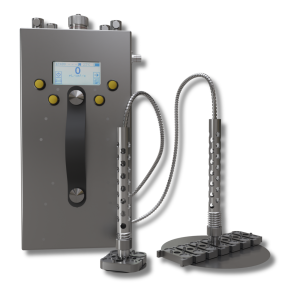
User manual
French
Download: Hydrosteel 6500 User Manual French User manual
Chinese
Download: Hydrosteel 6500 User Manual Chinese User manual
English
Download: Hydrosteel 6500 User Manual English User manual
German
Download: Hydrosteel 6500 User Manual German User manual
Italian
Download: Hydrosteel 6500 User Manual Italian User manual
Spanish
Download: Hydrosteel 6500 User Manual Spanish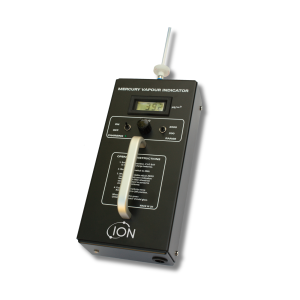
User manual
Chinese
Download: MVI User Manual Chinese User manual
English
Download: MVI User Manual English User manual
French
Download: MVI User Manual French User manual
German
Download: MVI User Manual German User manual
Italian
Download: MVI User Manual Italian User manual
Spanish
Download: MVI User Manual Spanish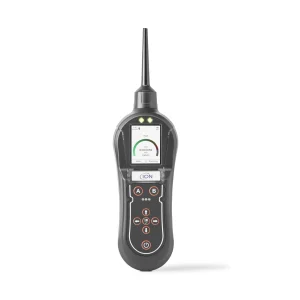
User manual
Chinese
Download: Panther User Manual Chinese User manual
English
Download: Panther User Manual English User manual
French
Download: Panther User Manual French User manual
German
Download: Panther User Manual German User manual
Italian
Download: Panther User Manual Italian User manual
Spanish
Download: Panther User Manual Spanish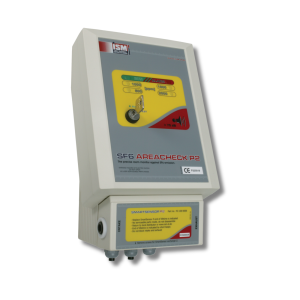
User manual
Chinese
Download: SF6 AreaCheck P2 User Manual Chinese User manual
English
Download: SF6 AreaCheck P2 User Manual English User manual
French
Download: SF6 AreaCheck P2 User Manual French User manual
German
Download: SF6 AreaCheck P2 User Manual German User manual
Italian
Download: SF6 AreaCheck P2 User Manual Italian User manual
Spanish
Download: SF6 AreaCheck P2 User Manual Spanish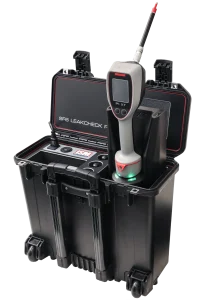
User manual
Chinese
Download: SF6 LeakCheck P1 XTL User Manual Chinese User manual
English
Download: SF6 LeakCheck P1 XTL User Manual English User manual
French
Download: SF6 LeakCheck P1 XTL User Manual French User manual
German
Download: SF6 LeakCheck P1 XTL User Manual German User manual
Italian
Download: SF6 LeakCheck P1 XTL User Manual Italian User manual
Spanish
Download: SF6 LeakCheck P1 XTL User Manual Spanish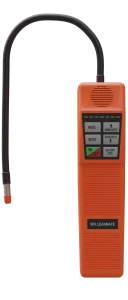
User manual
Chinese
Download: SF6 Leakmate User Manual Chinese User manual
English
Download: SF6 Leakmate User Manual English User manual
French
Download: SF6 Leakmate User Manual French User manual
German
Download: SF6 Leakmate User Manual German User manual
Italian
Download: SF6 Leakmate User Manual Italian User manual
Spanish
Download: SF6 Leakmate User Manual Spanish User manual
English
Download: Tiger LT User Manual English User manual
English
Download: Tiger Select User Manual English User manual
English
Download: Tiger User Manual English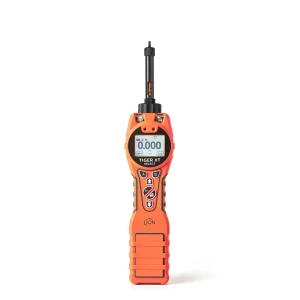
User manual
Chinese
Download: Tiger XT Select User Manual Chinese User manual
English
Download: Tiger XT Select User Manual English User manual
French
Download: Tiger XT Select User Manual French User manual
German
Download: Tiger XT Select User Manual German User manual
Italian
Download: Tiger XT Select User Manual Italian User manual
Spanish
Download: Tiger XT Select User Manual Spanish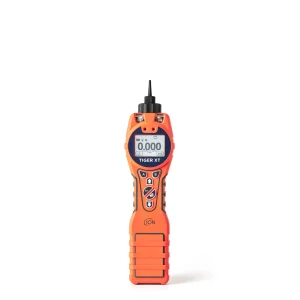
User manual
Chinese
Download: Tiger XT User Manual Chinese User manual
English
Download: Tiger XT User Manual English User manual
French
Download: Tiger XT User Manual French User manual
German
Download: Tiger XT User Manual German User manual
Italian
Download: Tiger XT User Manual Italian User manual
Spanish
Download: Tiger XT User Manual Spanish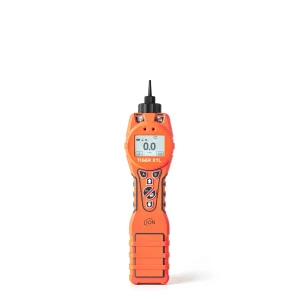
User manual
Chinese
Download: Tiger XTL User Manual Chinese User manual
English
Download: Tiger XTL User Manual English User manual
French
Download: Tiger XTL User Manual French User manual
German
Download: Tiger XTL User Manual German User manual
Italian
Download: Tiger XTL User Manual Italian User manual
Spanish
Download: Tiger XTL User Manual Spanish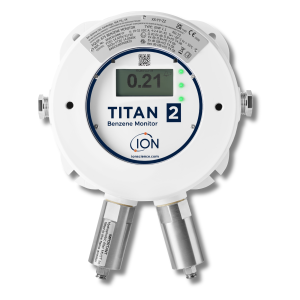
User manual
Chinese
Download: Titan 2 User Manual Chinese User manual
English
Download: Titan 2 User Manual English User manual
French
Download: Titan 2 User Manual French User manual
German
Download: Titan 2 User Manual German User manual
Italian
Download: Titan 2 User Manual Italian User manual
Spanish
Download: Titan 2 User Manual Spanish User manual
English
Download: Titan User Manual English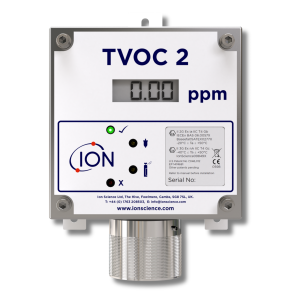
User manual
Chinese
Download: TVOC 2 User Manual Chinese User manual
English
Download: TVOC 2 User Manual English User manual
French
Download: TVOC 2 User Manual French User manual
German
Download: TVOC 2 User Manual German User manual
Italian
Download: TVOC 2 User Manual Italian User manual
Spanish
Download: TVOC 2 User Manual SpanishNo resources match your search.
Download approved software and firmware for compatible ION Science instruments. Select your product to find the latest available versions, release information and installation guidance.
Software & firmware
Software & firmware
Software & firmware
Software & firmware
Software & firmware
Software & firmware
Software & firmware
Software & firmware
Software & firmware
Software & firmware
Software & firmware
Software & firmware
Software & firmware
Software & firmware
Software & firmware
Software & firmware
Software & firmware
No resources match your search.
Watch practical video guides covering instrument setup, operation, bump testing, calibration and routine maintenance.
Select your product to find the guidance relevant to your instrument.
Support video
Support video
Support video
Support video
Support video
Support video
Support video
Support video
Support video
Support video
Support video
Support video
Support video
Support video
Support video
Support video
Support video
Support video
Support video
Support video
Support video
Support video
Support video
Support video
Support video
Support video
Support video
Support video
Support video
Support video
Support video
Support video
Support video
Support video
Support video
Support video
Support video
No resources match your search.
Find answers to common questions about instrument setup, operation, alarms, fault messages, connectivity, maintenance and calibration.
Select your product to view relevant troubleshooting guidance. If the issue remains unresolved, raise a technical support ticket or contact an authorised service centre.
Yes. Isopropanol, isopropyl alcohol, IPA and 2-propanol are different names for the same chemical. In Great Britain’s workplace exposure guidance, it is listed as propan-2-ol.
Requirements vary according to the country, equipment type, quantity of SF₆ and whether pressure, density or automatic leakage-detection systems are installed.
In Great Britain, electrical switchgear containing more than 6 kg of SF₆ may require periodic leak checks unless a specified exemption applies. Equipment containing more than 22 kg must generally have a leakage-detection system. Operators should check the current requirements applicable to each asset and location.
Yes, environmental factors such as high humidity can affect the performance of other PID sensors. FALCO 2 11.7’s Typhoon Technology safeguards the PID sensor from condensing moisture for added reliability in severe weather conditions and patented Fence Electrode Technology eliminates the effect of water condensation on PID response. This ensures far more stable responses, and instrument clear down in very humid atmospheres.
It’s still important to consider the operating environment and ensure proper maintenance to maintain accuracy.
Yes, higher energy lamps like the 11.7 eV have shorter lifespans and may require more frequent maintenance and bump testing. We recommend carrying out a bump test every week and calibration if needed. Additionally, they can be more sensitive to environmental factors such as humidity, which may affect their performance. Thanks to FALCO 2’s Typhoon Technology, the PID sensor is safeguarded from condensing moisture for added reliability in severe weather conditions.
No. Carbon monoxide cannot be detected using photoionisation detector (PID) technology. Electrochemical sensors are the recognised method for industrial carbon monoxide monitoring.
Yes. Authorised representatives can provide product and application guidance based on the gas being monitored, expected concentration, operating environment and type of monitoring required.
For complex or specialist applications, the local representative can work with ION Science to help identify an appropriate solution.
No. ARA CO is an industrial wearable gas detector designed for personal monitoring within a worker’s breathing zone. It is not intended to replace a certified fixed or wall-mounted carbon monoxide alarm in a home or other domestic property.
Cub is designed for personal VOC exposure monitoring across a range of environments, including laboratories, research facilities and industrial workplaces where employees may encounter volatile organic compounds.
Yes. The Cub personal VOC monitor is certified for use in potentially flammable atmospheres, making it suitable for a range of hazardous workplace environments where VOC monitoring is required. Its compact, wearable design allows employees to carry out normal activities while monitoring exposure levels in areas where flammable gases or vapours may be present.
Cub is designed for personal VOC monitoring across industrial environments where workers may encounter hazardous vapours, including petrochemical, chemical manufacturing and other process industries.
Yes. Its 4–20 mA, RS485 Modbus and programmable relay outputs enable integration with compatible distributed control systems, programmable logic controllers and building or site safety systems.
Compatibility and system configuration should be confirmed during installation planning.
The standard Hydrosteel 6500 charger must not be used in an ATEX hazardous area. The battery should be charged in a non-hazardous location using the supplied charger.
A specifically approved intrinsically safe 10 V, 100 mA charging supply is required for permanent installations where charging takes place in a hazardous area. Users should follow the current product manual and site procedures.
Yes. Hydrosteel 6500 has four probe connection ports and can monitor connected probes sequentially. This allows users to collect hydrogen flux data from multiple points during investigation or longer-term monitoring.
The instrument also supports roaming probes for spot measurements at different locations.
No. Tiger XTL has a fixed configuration focused on essential ppm VOC monitoring. Ppb sensitivity, data logging and Health and Safety Mode cannot be added to this model.
This focused configuration supports straightforward operation and cost-effective ownership for users who do not require these additional capabilities.
ION Science products are generally supplied through authorised local representatives, depending on the country and product required. Use the map or contact our team to confirm the appropriate purchasing route for your region.
ION Science do not recommend the 11.7eV lamp window to be cleaned with the aluminium oxide polishing compound.
Yes. Eligible Tiger XT functionality can be enabled remotely using TigerPC software, allowing the instrument to adapt as your monitoring requirements change.
Available upgrades include ppb sensitivity, Health and Safety Mode and a selection of data-logging functions. Availability may depend on the instrument’s existing configuration.
Refer to the Tiger XT user manual or contact your local authorised ION Science representative for guidance.
No, the MiniPID 2 sensor is designed to fit ION Science lamps only. Using lamps from other sources could potentially damage the sensor and will void the warranty.
Yes. Your local representative can advise on warranty assessment and product support. The appropriate process may depend on the instrument, place of purchase and location, so have the product model, serial number and proof of purchase available when making an enquiry.
Selected ION Science instruments are eligible for an extended warranty when registered within the specified period after purchase. Register your instrument promptly and review the applicable warranty terms to confirm its eligibility.
Yes. MVI is designed for applications where mercury vapour monitoring is required, including oil and gas maintenance and inspection activities. Its portable design makes it suitable for field-based checks, helping teams monitor potential mercury exposure risks across a range of operational environments.
MVI is designed to detect mercury vapour, but certain substances can interfere with UV absorption measurements. These include some hydrocarbons, water vapour, sulphur compounds, smoke and significant changes in humidity.
Users should follow the zeroing and sampling procedures in the product manual and consider potential interferences within the monitoring environment.
Yes. Panther can detect a range of refrigerants included within its internal gas table. Customers should confirm that the particular refrigerant used in their system is supported before selecting the instrument.
No. Panther does not chemically identify an unknown gas. The expected gas must be selected from the internal gas table so that the instrument can apply the appropriate response and display an accurate measurement.
Yes. Panther can be used to trace and pinpoint a leak before quantifying its rate or concentration. Move the probe slowly across the inspection area, retrace the route when a leak is indicated, and hold the probe over the source until the reading stabilises.
Yes. Acetone has an ionisation potential of 9.69 eV, making it readily detectable using 10.0 eV, 10.6 eV and 11.7 eV PID detectors.
Yes. Dichloromethane has an ionisation potential of 11.32 eV, meaning it requires an 11.7 eV PID detector for effective detection.
Yes. Ethanol has an ionisation potential of 10.47 eV, making it suitable for detection using 10.6 eV PID detectors.
Yes. Ethyl acetate has an ionisation energy of approximately 10.01 eV, making it suitable for detection using 10.6 eV PID technology.
Yes. Ethylene oxide has an ionisation potential of 10.56 eV, making it detectable using a 10.6 eV photoionisation detector (PID).
Yes. Isopropanol has an ionisation potential of 10.17 eV, making it suitable for detection using 10.6 eV PID detectors.
Yes. Methyl ethyl ketone has an ionisation potential of 9.51 eV, making it readily detectable using 10.6 eV PID detectors.
Yes. Styrene has an ionisation potential of 8.4 eV, making it readily detectable using 10.0 eV and 10.6 eV PID detectors.
Yes. Vinyl chloride has an ionisation potential of 9.99 eV, making it suitable for detection using a 10.6 eV photoionisation detector (PID).
Yes. Ethylbenzene has an ionisation potential below the output of commonly used PID lamps, making PID technology highly effective for real-time monitoring.
Yes. Toluene has an ionisation potential below the output of commonly used PID lamps, making it suitable for detection using PID technology.
Yes. Photoionisation detectors can detect trichloroethylene because it has an ionisation potential below the energy output of commonly used PID lamps, including 10.6 eV lamps.
Yes. Xylene has an ionisation potential below the output of commonly used PID lamps, making it suitable for detection using PID technology.
Yes. Propene vapour is heavier than air and may collect in low-lying or poorly ventilated spaces following a release. It can displace oxygen and create both asphyxiation and explosion hazards.
Confined-space entry requires a suitable risk assessment and monitoring strategy covering all relevant hazards, which may include volatile gases, flammability and oxygen concentration.
SF6 AreaCheck P2 is designed to reduce routine maintenance and associated downtime. Its measuring stations are described as maintenance-free, while serviceable components have an operating life of up to 12 months.
Maintenance and component replacement requirements should be managed according to the product documentation, operating conditions and guidance from an authorised local representative.
Yes. The high and low H2S alarm thresholds can be configured to support applicable exposure limits and site-specific safety procedures. Configuration is completed using the compatible ARA IR Link and software.
Yes. The ARA SO2 is certified for use in hazardous locations and is designed for industries where sulphur dioxide may be present, including chemical processing, industrial manufacturing, utilities and confined space applications.
ARA-X4 can be worn as a diffusion-based personal gas monitor during confined-space work, providing continuous monitoring of the gases included in the selected sensor configuration.
The current model does not include an integrated pump and therefore cannot draw remote samples for pre-entry testing. A pumped model is pending and further information on its availability will be provided once confirmed.
Where remote sampling is required, users should select a suitable pumped gas detector and sampling system in accordance with their risk assessment, confined-space procedure and applicable guidance.
Yes. The ION Science Cub can be upgraded through ION Science PC software, allowing firmware updates as new functionality becomes available. For optimum performance, ION Science recommends annual factory servicing and calibration, alongside routine maintenance and regular bump testing as part of your site safety procedures.
Yes. Tiger XT Select can be used with an approved benzene pre-filter tube to measure benzene selectively. It can also operate without the tube for Total Aromatic Compound monitoring and broader VOC detection.
Readings obtained without the benzene pre-filter tube are not benzene-specific and may reflect the combined response from multiple detectable compounds.
Yes. In addition to sulfur hexafluoride (SF₆), the SF6 LeakCheck P1 XTL can detect C4-FN gas mixtures, making it suitable for newer environmentally friendly insulating gas applications used in electrical power systems.
Yes. The instrument automatically compensates for changes in temperature, air movement and other ambient conditions, helping to maintain consistent leak detection performance in a variety of working environments.
Yes. Optional ppb sensitivity extends the Tiger XT measurement capability down to 1 part per billion.
Contact ION Science or your local authorised representative to confirm the appropriate Tiger XT configuration for your application.
No. Tiger XTL is configured for ppm VOC detection and does not provide ppb sensitivity.
If your application requires lower-level VOC detection, compare the other available Tiger models or contact ION Science for product-selection guidance.
Tiger 11.7 eV is suitable for pharmaceutical applications where sensitive detection of VOCs and solvents is required. Its portability and robust design allow it to support leak detection and emissions monitoring across manufacturing environments.
Standard PID detectors measure the combined response from ionisable compounds present in the sampled air. They can indicate the concentration of detectable VOCs but do not ordinarily identify or distinguish individual compounds.
Tiger XT Select can provide selective benzene measurements when used in tube mode with an approved benzene pre-filter tube.
Yes. Tiger XT is designed for use in demanding operational environments where portability, reliability and fast response are essential. Its robust design and intuitive operation allow investigators to deploy the instrument during complex fire scene assessments while maintaining confidence in their measurements.
Yes. Tiger XTL is designed for practical use in a range of industrial and laboratory environments where VOC monitoring is required. Its portable design allows researchers to carry out gas checks during different stages of battery handling, from incoming inspections through to testing procedures, without disrupting normal workflows.
Yes. TVOC 2 provides a 4–20 mA analogue output that allows VOC measurements to be transmitted to a Distributed Control System or other compatible control equipment.
This enables facilities to incorporate VOC readings into existing monitoring and control arrangements. Compatibility and configuration requirements should be confirmed during installation planning.
No. Available services vary by representative and location. Some representatives provide product sales and application guidance, while selected authorised service centres also provide factory calibration, maintenance and repairs.
Check the representative’s listing or contact ION Science to confirm the services available in your region.
The internal piezo pump provides extremely stable and constant flow rates, even when used in draughty environments.
Yes. The display can be configured to show the live oxygen concentration or the detector’s remaining operating life, depending on the organisation’s monitoring requirements.
No. ARA SO2 is a single gas detector designed specifically to monitor sulfur dioxide. It does not detect oxygen, combustible gases, carbon monoxide, hydrogen sulfide or other toxic gases.
No. Cub 10.0 eV is a diffusion-based personal gas monitor and does not use a pump.
Yes. Cub 10.0 eV features audible, visual LED and vibrating alarms, with pre-set TWA and STEL exposure alarm levels available to help alert users when exposure limits are exceeded.
Yes. Cub 10.0 eV can store up to 30,000 readings with date and time information, allowing exposure data to be reviewed and analysed.
No. Cub 10.0 eV includes built-in humidity resistance, helping maintain accurate readings without the need for manual humidity compensation.
Yes. ION Science develops and manufactures its PID sensor technology at its UK headquarters in Fowlmere, Cambridgeshire. We use this technology in our wearable, portable and fixed PID gas detection instruments.
Yes. ION Science PID sensors are designed and manufactured at our UK facility by ION SENSE, our specialist sensor technology brand. ION SENSE PID technology powers ION Science gas detection instruments and is also trusted by leading gas detection manufacturers for integration into their own OEM equipment.
Yes. ION Science provides product-selection guidance, technical assistance, calibration and servicing support through our global offices and network of authorised distributors and service centres.
Our specialists can help you select suitable equipment and maintain reliable performance from your gas detectors.
SF6 AreaCheck P2 is designed to minimise maintenance and downtime. It features maintenance-free measuring stations, automatic self-diagnostic testing and a built-in low flow alarm to support reliable operation. Serviceable components have a typical lifetime of up to 12 months before replacement is required.
SF6 AreaCheck P2 is designed without cross-sensitivity to other gases or moisture in the air. This helps provide dependable SF₆ monitoring where changing ambient conditions could affect less selective detection methods.
No. Thanks to its advanced NIC technology, the SF6 LeakCheck P1 XTL requires no warm-up or stabilisation time, allowing users to begin leak detection immediately after switching on the instrument.
Yes. ARA-X4 records event logs when alarms are triggered. These records can support incident investigations, exposure reviews, safety audits and compliance reporting.
Refer to the technical documentation for details of the information recorded, storage capacity and data-download process.
To maintain optimum performance and measurement accuracy, the SF6 LeakCheck P1 XTL should be serviced and calibrated in line with your maintenance schedule. Its replaceable SmartSensor simplifies maintenance by allowing wear components to be replaced quickly with minimal downtime.
To maintain optimum performance, the SF6 Leakmate should be serviced and calibrated in accordance with your maintenance schedule and ION Science’s recommendations. Routine servicing helps ensure reliable leak detection and long-term instrument performance.
TVOC 2 uses diffusive sampling as standard, monitoring VOC concentrations at the detector’s installed location.
Where an application requires a sample to be drawn to the detector, TVOC 2 can be fitted with an adaptor and connected to a compatible external pump. The instrument does not contain an integrated sampling pump.
Exposure hotspots can be identified by using real-time monitoring data to understand when and where VOC levels increase. By reviewing recorded measurements alongside specific workplace activities, teams can identify tasks, processes or locations associated with higher exposure levels. This allows organisations to focus improvements, such as additional controls or process changes, where they will have the greatest impact.
Portable SF₆ leak detectors are used to identify and locate leaks around electrical equipment quickly and accurately during maintenance and inspections.
Toluene is an aromatic VOC and one of the four compounds in the BTEX group: benzene, ethylbenzene and xylene. Total aromatic compounds (TAC) refers to the combined concentration or detector response of detectable aromatic compounds rather than to toluene alone.
The lifespan of the lamp depends on the total number of hours it is illuminated. Thanks to the FALCO 2 duty cycling technology, the 11.7 eV sensor turns off when not in use, extending the lamp’s life well beyond the industry standard of 50, to 200 hours.
Tiger XT helps fire investigation teams identify volatile compounds associated with accelerants, enabling investigators to prioritise areas for further forensic examination and support evidence-led investigations.
Follow the instructions in the video below to replace the PTFE filter:
ARA-X4 Multi Gas Detector | How to Change the PTFE Filter (Quick Tutorial)
To replace the SmartSensor:
Detector selection should consider:
Where multiple gases or changing conditions are involved, seek application guidance before selecting an instrument.
Detector selection should consider:
Where multiple gases or changing conditions are involved, seek application guidance before selecting an instrument.
The right gas detector will depend on the target gas, expected concentration, required detection range, relevant exposure limits, operating environment and monitoring application. You should also consider whether you need personal, portable or continuous fixed monitoring. Our gas library can help you identify compatible products, or an ION Science specialist can discuss your requirements, contact us today.
The sensor tip may become contaminated over time. If you notice a reduction in sensitivity, soak the sensor tip in absolute alcohol for a few minutes, then dry it carefully with compressed air. Never use solvents, as they may damage the sensor tip. Always switch the instrument off before removing the sensor tip.
Maintenance is limited to cleaning the instrument with a damp cloth. A mild detergent can be used if required. Do not use solvents, as they may be aggressive to the case material.
Register your Hydrosteel 6500 instrument online within one month of purchase to qualify for extended warranty.
Search the interactive map by country or location. The results will show the representatives serving your region, together with their contact details and available sales or support services.
If no representative is displayed for your location, contact ION Science for assistance.
Start by reviewing the materials used or produced, process conditions, safety data sheets and the findings of the workplace risk assessment. Consider gases created during normal operation as well as maintenance activities, equipment failure, leaks or confined-space entry.
ION Science’s gas search tool provides information about individual gases and compatible detection products. An authorised local representative can also provide application-specific guidance.
Perform a bump test using certified calibration gas. If the reading differs by more than 10% from the expected value, recalibrate the instrument.
Perform a bump test. If the reading differs by more than 10% from the expected concentration, recalibrate the instrument.
A: Perform a bump test with a known concentration of gas. If the reading is more than 10% outside the expected value, recalibration is recommended.
A: Carry out a bump test using a known concentration of calibration gas. If the reading differs by more than 10% from the expected value (allowing for instrument and gas tolerance), the instrument should be recalibrated.
Carry out a bump test using a certified calibration gas. If the reading differs by more than 10% from the known concentration, recalibrate the instrument.
Carry out a bump test using a certified gas concentration. If the reading is outside the acceptable tolerance of 10%, recalibrate the instrument.
Representatives and service centres displayed through the official ION Science Where to Buy map are part of the authorised network for the services identified in their listing.
Customers should use the contact details provided through the map or contact ION Science if they need to verify a supplier.
To ensure reliable performance, the ION Science Cub should be bump tested regularly, calibrated in line with your site procedures and serviced periodically. Routine maintenance helps maintain accuracy and extends the life of your personal VOC gas detector.
Follow the instructions in the video below to replace a like-for-like sensor:
ION Science® | ARA-X4 – How To Change Like for Like Sensors
Cub continuously monitors VOC levels and provides audible, visual and vibrating alerts if exposure levels increase. This allows workers to respond quickly and supports safer decision-making during daily operations.
Cub provides independent VOC monitoring alongside existing fume cabinet controls. By recording exposure levels and providing alerts when VOC concentrations increase, it helps users identify potential issues and verify that safety measures are working effectively.
FALCO 2 provides continuous visibility of VOC concentrations, helping operators identify changes in emissions and better understand their processes. By integrating VOC monitoring into routine operations, facilities can make more informed decisions around environmental management and operational performance.
Helium is introduced into or around the component being tested. A helium leak detector is then used to inspect likely leak points, such as seals, joints, valves, welds and connections.
If helium escapes through a defect, the detector responds to the gas and helps the operator locate the source of the leak. The precise test method depends on the component, test pressure and required leak-rate sensitivity.
A magnetic probe holds a flexible collector plate against the steel surface. The instrument draws ambient air beneath the plate, capturing hydrogen as it emerges from the steel.
The collected hydrogen is carried to the instrument’s sensor and quantified as hydrogen flux. The process is non-intrusive and does not require permanent modification of the asset.
MVI helps support safer confined space entry by providing immediate readings of elemental mercury vapour levels before work begins. This allows teams to make informed decisions based on measured conditions and introduce additional controls where required.
Panther draws a sample through its probe using an internal piezo pump. Its micro thermal conductivity detector measures changes in thermal conductivity between the sample and the surrounding air, providing a rapid indication when a detectable gas is present.
By enabling rapid leak detection and reducing unnecessary gas losses, Panther PRO helps laboratories minimise downtime, maintain analytical accuracy and carry out maintenance more efficiently.
Personal monitoring measures exposure directly within an employee’s breathing zone, providing a more accurate understanding of the VOC levels they experience during their working activities. Area monitoring, by comparison, measures conditions in a fixed location and provides information about the overall environment rather than individual exposure. Personal monitoring is particularly useful for identifying exposure variations between tasks, locations and working practices.
Photoionisation detection (PID) technology provides sensitive detection of many VOCs at low concentrations, making it suitable for monitoring changes in VOC levels within industrial environments. FALCO 2 uses ION Science PID technology to deliver accurate measurements, with sensor protection features designed to maintain performance in challenging conditions.
SF6 AreaCheck P2 uses Negative Ion Capture technology to detect sulfur hexafluoride. This sensing method is designed to provide sensitive SF₆ measurement without cross-sensitivity to other gases or moisture in the air.
The instrument monitors continuously and activates audible, visual or connected alarms when the configured alarm conditions are reached.
ARA CO continuously monitors carbon monoxide concentrations and provides immediate audible, visual and vibrating alerts when configured high or low alarm levels are reached.
The one-button interface keeps operation simple, while live CO readings allow workers to monitor carbon monoxide levels during their shift.
ARA H2S continuously monitors hydrogen sulfide levels and provides instant audible, visual and vibrating alarms when exposure limits are reached. Designed for everyday use, it features simple one-button operation, live readings and a self-test function to check the alarm indicators are working correctly.
The ARA O2 detector continuously monitors oxygen concentrations and provides instant alerts when levels move outside pre-set alarm thresholds. Its simple one-button operation, live readings and self-test function make it easy to use throughout the working day.
ARA SO2 uses an electrochemical sensor to continuously measure sulfur dioxide concentrations from 0 to 50 ppm. When a configured high or low alarm threshold is reached, audible, vibration and flashing visual alarms immediately alert the wearer.
ARA-X4 has an accessible filter design that enables quick replacement and simplifies routine maintenance. The optional docking station supports automated bump testing and calibration, helping organisations maintain consistent instrument performance and test records.
Users should follow the maintenance, bump-testing and calibration procedures specified in the product manual and their site requirements.
Cub TAC uses ION Science’s patented PID sensor technology with a 10.0 eV lamp and light filtering technology to provide reliable detection of aromatic hydrocarbons, including benzene. Its Anti-contamination Design and Fence Electrode Technology help maintain performance in challenging environments.
FALCO 2 10.0 eV provides continuous VOC measurement using advanced PID sensor technology, helping users identify changes in TAC concentrations and respond quickly to potential exposure risks. Its robust design supports reliable operation in demanding industrial environments.
FALCO 2 10.6 eV combines advanced PID sensor technology with continuous monitoring capabilities to provide real-time awareness of VOC levels. Features such as robust environmental protection and reliable sensor performance help support accurate detection in challenging operating conditions.
FALCO 2 11.7 is equipped with ION Science’s advanced MiniPID 2 sensor and incorporates patented Fence Electrode Technology with an anti-contamination design. Enhanced by Typhoon Technology, exclusive to the FALCO range, it protects the PID sensor from condensing moisture, ensuring consistent and accurate performance even in challenging conditions where competing technologies often fail.
11.7 eV lamps typically have a shorter lifespan compared to lower energy lamps like the 10.6 eV.
While a 10.6 eV lamp may last for 10,000 Hours of illumination, the FALCO 2 11.7 eV lamp has been designed with duty cycle to maximise the lamp life >3 months from point of installation.
MVI uses dual-beam ultraviolet absorption technology. Its internal pump draws an air sample into a measurement cell, where the absorption of ultraviolet light is measured and converted into a mercury vapour concentration displayed in µg/m³.
The instrument uses Negative Ion Capture (NIC) technology, providing highly sensitive and reliable leak detection. It can detect extremely small leaks with a response time of approximately 0.5 seconds, helping users locate leaks quickly and accurately.
SF6 Leakmate uses high voltage ionisation technology to detect even small concentrations of SF₆. It automatically compensates for changes in ambient conditions, helping to provide reliable leak detection in a range of working environments.
Tiger XT Select uses advanced PID (Photoionisation Detection) technology alongside a benzene pre-filter tube. The tube filters out many other volatile organic compounds, allowing the instrument to selectively measure benzene while displaying real-time readings throughout the test.
Tiger 11.7 eV uses PID technology to provide real-time VOC measurements, allowing operators to identify changes in concentration and locate potential leak sources. This supports faster investigations and more targeted maintenance activities.
Tiger XT allows investigators to quickly screen areas of interest for volatile compounds associated with ignitable liquids. The real-time readings help teams make informed decisions on where to carry out further forensic sampling, supporting a more targeted and efficient investigation process.
Tiger XT provides rapid, real-time VOC detection, allowing responders to quickly assess potentially hazardous environments, identify volatile compounds and support informed decision-making during emergency incidents.
Titan 2 uses internally regulated heating to support stable operation across changing temperatures. ION Science recommends an operating range of −20°C to +50°C for optimum performance.
Customers should review the full environmental specification when planning an installation.
TVOC 2 uses photoionisation detection technology to measure volatile organic compounds in the surrounding atmosphere. Its PID sensor responds to detectable VOCs and displays the measured concentration on the instrument’s LCD.
TVOC 2 provides a total VOC reading rather than identifying or distinguishing individual compounds. Its response depends on the VOCs present, their ionisation energies and the instrument configuration.
VOC monitoring provides real-time visibility of changes in gas levels around battery cells during testing and inspection. By identifying increases in VOC concentrations, researchers can investigate potential issues, review battery condition and take appropriate action before continuing with further assessment.
Titan 2 produces a new benzene measurement every 60 seconds, providing a continuous sequence of readings for site monitoring and analysis.
ION Science recommends factory servicing and calibration every 12 months.
Users should also implement a regular inspection, testing and maintenance programme between scheduled services, based on the application, operating environment and applicable workplace procedures.
Refer to the Tiger XTL user manual for detailed servicing and calibration guidance.
Acetone gas detection is commonly achieved using photoionisation detector (PID) technology, providing real-time monitoring of airborne acetone vapours.
Ammonia can be monitored using electrochemical sensors for toxic gas detection or PID technology in suitable applications, depending on the monitoring requirements.
Benzene is commonly detected using photoionisation detector (PID) technology with a benzene-selective pre-filter, allowing accurate measurement of low-level benzene concentrations.
Industrial carbon monoxide can be detected using fixed, portable or wearable gas-monitoring equipment. Wearable personal CO monitors commonly use electrochemical sensors to measure airborne carbon monoxide continuously and alert the worker when preset alarm levels are reached.
ION Science provides wearable carbon monoxide monitors for personal protection in industrial and occupational environments.
Dichloromethane gas detection is commonly achieved using PID technology equipped with an 11.7 eV lamp, allowing real-time monitoring of DCM vapours.
Ethanol gas detection is commonly achieved using photoionisation detector (PID) technology, providing real-time monitoring of airborne ethanol vapours.
Ethylene oxide can be monitored using several methods, depending on the required detection level and purpose. These may include photoionisation detectors for real-time workplace screening and leak detection, fixed monitoring systems, and occupational-hygiene sampling followed by laboratory analysis.
The selected method should be suitable for the expected concentration, required sensitivity, other gases or vapours present and applicable regulatory requirements.
Hydrogen sulfide is most commonly detected using electrochemical gas sensors. These sensors continuously measure airborne H₂S concentrations and trigger audible, visual and vibrating alarms when preset levels are reached.
Industrial H₂S monitoring may include fixed detectors for designated areas, portable instruments for testing an atmosphere and wearable monitors that provide personal protection within an individual worker’s breathing zone.
ION Science provides wearable hydrogen sulfide monitors for industrial and occupational worker protection.
Airborne isopropanol vapour can be detected using photoionisation detector (PID) technology. A PID provides a rapid, real-time response to isopropanol and can be used for personal monitoring, workplace surveys, leak investigation and continuous area monitoring.
The appropriate instrument depends on the expected concentration, required measurement range and other gases or vapours present.
Methyl ethyl ketone gas detection is commonly achieved using photoionisation detector (PID) technology, providing real-time monitoring of airborne MEK vapours.
The appropriate detection technology depends on the purpose of the monitoring. Photoionisation detectors can be used to measure propene at parts-per-million (ppm) concentrations, while suitably selected flammable gas detectors are used to assess fire and explosion risks. Oxygen monitoring may also be required where a propene release could create an oxygen deficient atmosphere.
Monitoring requirements should be determined through a workplace risk assessment that considers the expected concentration, other gases present and the environment in which the instrument will be used.
Airborne styrene vapour can be detected using photoionisation detector (PID) technology. A PID provides a rapid, real-time response and may be used for personal monitoring, workplace surveys, leak investigation and continuous area monitoring.
The appropriate detector should be selected according to the expected concentration, required measurement range, environment and other VOCs that may be present.
ARA-X4 is designed to be worn within the user’s breathing zone to provide continuous personal monitoring. The instrument should be securely attached and positioned in accordance with the product manual and applicable workplace safety procedures.
TVOC 2 is designed to simplify routine maintenance. Its diffusive sampling method helps reduce contamination compared with pumped systems, which can reduce the need for regular PID lamp cleaning.
The PID sensor can be replaced quickly when servicing is required. An optional pipe connection cap is also available for applications where remote sampling is required.
Vinyl chloride gas detection is commonly achieved using PID technology, providing real-time monitoring for workplace exposure, leak detection and continuous area monitoring.
The standard model provides up to 24 months of continuous operation under the specified usage conditions. A 36-month hibernation model is also available for intermittent use, allowing operating life to be preserved while the detector is switched off.
Actual operating life may be affected by alarm activity, testing frequency, environmental conditions and usage.
The standard ARA H2S model provides up to 24 months of continuous operation. A 36-month model with a hibernation function is also available for intermittent use, allowing operating life to be preserved while the detector is switched off.
Actual operating life can be affected by alarm activity, testing frequency, environmental conditions and usage.
The ARA O2 is designed for long-term use, with up to 24 months of continuous operation.
The Cub 10.0 eV provides up to 12 hours of continuous battery life, with a recharge time of approximately 4 hours.
A fully charged Hydrosteel 6500 battery provides up to 70 hours of continuous operation. Actual operating time can depend on the instrument configuration, logging programme and operating conditions.
A fully charged Tiger XTL battery provides up to 24 hours of operation.
Actual battery life may vary depending on instrument use, battery condition, alarm activity and environmental conditions.
ION Science recommends factory service and calibration every 12 months. Users should also carry out regular maintenance checks between services to help ensure reliable performance of their Cub 10.0 eV Personal Total Aromatic Compound Gas Monitor.
ION Science recommend users to frequently bump test the FALCO 2 11.7eV product with a suitable span calibration gas to ensure accuracy of the product and ensure the sensor is still within calibration tolerance.
For optimum product performance and accuracy ION Science recommends that the FALCO 2 11.7eV device is calibrated on a weekly basis.
Perform a bump test at least every 30 days. You should also perform a bump test if the device has been subject to physical impact, liquid immersion, an over-limit alarm event, a change of ownership, or whenever you have any doubt about the detector’s performance.
If the detector fails the bump test, perform a calibration.
Inspect the filter regularly and replace it immediately if it appears contaminated, damaged or obstructed.
Replacement may typically be required after approximately 100 hours of use, although the appropriate interval will depend on the application, level of airborne contamination and operating environment.
Follow the inspection and replacement guidance within the Tiger XTL user manual.
ION Science recommends factory servicing and calibration every 12 months.
Users should also implement a regular inspection, testing and maintenance programme between scheduled services, based on the application, operating environment and applicable workplace procedures.
Refer to the Tiger XT user manual for detailed maintenance and calibration guidance. Or contact your local authorised ION Science representative.
ION Science recommends that the MVI is factory serviced and calibrated every 12 months. Users should also implement regular inspection and maintenance checks between scheduled services to help ensure reliable performance.
Cub 10.0 eV has a response time of less than 13 seconds (T90), providing rapid alerts when hazardous gas or vapour levels are detected.
Panther has a T90 response time of one second under the specified test conditions. This rapid response helps users efficiently inspect pipework, joints, valves, seals and other potential leak points.
Once the required warm-up, stabilisation and zeroing procedure has been completed, MVI responds to changes in airborne mercury vapour concentrations in approximately three seconds. Its internal pump supports rapid indication and recovery during surveys.
The three-second specification refers to the instrument’s response time and does not include its initial warm-up period.
SF6 Leakmate has a response time of approximately one second, enabling users to locate leaks quickly during routine inspections and maintenance activities.
Tiger XT has a response and clear-down time of less than two seconds, helping users identify changing VOC concentrations and potential emission sources rapidly.
Actual performance may depend on factors including the compound being measured, instrument configuration and operating conditions.
The instrument is available in Standard and HIGHSense models. The Standard model detects leaks down to 1 × 10⁻⁷ cc/sec, while the HIGHSense model achieves an impressive 1 × 10⁻⁸ cc/sec, enabling the detection of extremely small leaks.
ARA CO is a disposable gas detector and should be disposed of responsibly at the end of its operational life. Disposal can be carried out through the appropriate WEEE compliance scheme to ensure the detector is handled in accordance with applicable electronic waste requirements.
Always remove the batteries from the instrument if it is going to be stored for an extended period. Exhausted batteries may leak corrosive acid and damage the instrument.
ARA H2S is a disposable gas detector and should be disposed of responsibly at the end of its service life. Disposal can be completed safely through the WEEE compliance scheme, ensuring the device is handled in line with electronic waste requirements.
The ARA O2 is a disposable oxygen detector and should be disposed of responsibly at the end of its operational life. It can be safely recycled through the WEEE compliance scheme, ensuring the device is handled in accordance with electronic waste regulations.
Yes. Panther is suitable for detecting leaks from pressurised hydrogen systems and has a specified hydrogen sensitivity of 3.8 × 10⁻⁶ cc/s, compared with 5 × 10⁻⁶ cc/s for helium.
Panther has demonstrated relative immunity to high electromagnetic fields. The ION Science R&D Team conducted several tests at the UK’s National Physics Laboratory, a report is available upon request.
ARA CO has an IP67 ingress-protection rating, providing protection against dust and temporary water immersion under the conditions defined by that rating. The detector must still be used and maintained in accordance with the product manual.
ARA SO2 has an IP67 ingress-protection rating, providing protection against dust and temporary water immersion under the conditions defined by the rating. It must still be used and maintained in accordance with the product manual.
Yes. 1,3-Butadiene is classified as a volatile organic compound due to its high volatility and ability to readily evaporate into the atmosphere.
Yes. Cub 10.0 eV meets ATEX and IECEx certification requirements for use in hazardous environments.
Yes. Ethyl acetate is classified as a volatile organic compound because it evaporates readily at room temperature. Its vapour can build up where ethyl acetate is stored, transferred or used, particularly within enclosed or poorly ventilated areas.
Ethyl acetate is a highly flammable liquid and vapour. Exposure can irritate the eyes, skin, nose and throat. High airborne concentrations may cause headaches, dizziness, drowsiness or other effects on the central nervous system.
Suitable controls should be used to prevent ignition, minimise vapour release and protect workers from exposure.
Yes. Ethylbenzene is classified as a volatile organic compound because it readily evaporates into the air at room temperature.
Yes. Ethylbenzene is one of the four compounds that make up the BTEX group, alongside benzene, toluene and xylene.
BTEX compounds are commonly associated with crude oil, petroleum products, fuel storage, refining and petrochemical operations.
FALCO 2 11.7 eV has an IP65-rated enclosure and is designed to operate in demanding industrial environments. Typhoon Technology also helps protect the PID sensor from condensing moisture.
The installation must follow the product manual, approved operating conditions and any additional requirements identified through the site assessment.
FALCO 2 incorporates ION Science’s Typhoon Technology to help protect the PID sensor from condensing moisture. Its IP65-rated enclosure supports installation in demanding industrial environments, subject to the approved operating and installation conditions.
Helium is non-toxic, non-flammable and chemically inert. However, a significant release can displace oxygen and create an asphyxiation hazard, particularly in an enclosed or poorly ventilated space.
Helium cylinders also contain gas under pressure, while liquid helium presents additional cryogenic hazards. Appropriate storage, handling, ventilation and risk-control procedures should therefore be followed.
Hydrosteel 6500 carries ATEX and IECEx certification. Use in a hazardous area remains subject to the applicable certification, approved accessories, installation arrangement and operating instructions.
Yes. The magnetic probes attach to the external steel surface and collect emerging hydrogen without drilling into or permanently modifying the asset.
The surface must be suitably prepared and the collector plate correctly fitted to obtain dependable measurements.
No. In addition to leak rate calibration, it’s also calibrated to a ‘span’ concentration.
Yes. Propene is classified as an extremely flammable gas and can form explosive mixtures with air. Because propene vapour is heavier than air, a release may travel or accumulate in low-lying, enclosed or poorly ventilated areas, creating a fire or explosion hazard.
Propene has relatively low acute toxicity, but high airborne concentrations can displace oxygen and create an asphyxiation hazard, particularly in confined or poorly ventilated spaces. Exposure to very high concentrations may also cause dizziness, drowsiness or loss of consciousness.
Contact with liquefied propene can cause cold burns or frostbite. The principal industrial hazards associated with propene are its extreme flammability, storage under pressure and potential to displace oxygen.
Yes. SF6 AreaCheck P2 is suitable for monitoring locations containing SF₆-insulated electrical equipment, including gas-insulated switchgear and substations.
Fixed measuring stations can be positioned at selected points to provide ongoing awareness of SF₆ concentrations and help operators identify potential leaks.
Styrene is a flammable liquid and vapour. Exposure may irritate the eyes, skin, nose and respiratory system. Higher airborne concentrations can cause headaches, dizziness, tiredness, confusion or drowsiness.
Suitable containment, ventilation, ignition controls and workplace monitoring should be used wherever a styrene risk has been identified.
Pure SF₆ is generally considered non-flammable and to have low toxicity under normal operating conditions. However, it contains no oxygen and can displace air if released in an enclosed space, creating an asphyxiation hazard.
SF₆ exposed to electrical arcing can also form toxic and corrosive decomposition products. Maintenance involving contaminated equipment or used gas requires appropriate procedures, ventilation and personal protective equipment.
ARA H2S carries hazardous-area approvals for use in specified potentially explosive environments. Customers should review the current certification and operating conditions to ensure that the selected model is suitable for their location and application.
ARA H2S has an IP67 ingress-protection rating, providing protection against dust and temporary water immersion under the conditions defined by the rating. It remains important to use and maintain the detector in accordance with the product manual.
Yes. ARA-X4 holds ATEX and IECEx certification for use in approved potentially explosive atmospheres.
Always check the certification marked on the instrument and detailed in its technical documentation to confirm that the selected configuration is suitable for the intended hazardous area, location and operating conditions.
Yes. Cub 10.0 eV is designed to be worn within the worker’s breathing zone, providing personal monitoring of benzene and TAC exposure throughout the working day.
Yes. The ION Science Cub personal gas detector is certified for use in hazardous locations with ATEX and IECEx approvals. It is designed for workers operating in potentially explosive atmospheres where reliable VOC monitoring is essential for maintaining safety and regulatory compliance.
Yes. The ION Science Cub is certified for use in hazardous locations with ATEX, IECEx and North American approvals. Its robust design and dependable VOC monitoring make it suitable for use across industries including chemical processing, manufacturing, oil and gas, and environmental monitoring.
Yes. MVI is a portable mercury survey instrument featuring an internal pump, one-handed operation, a large digital display, an audible alarm and robust construction for demanding field environments.
Users should allow sufficient time for the instrument to warm up, stabilise and be zeroed before beginning a survey.
Yes. The SF6 Leakmate is designed for straightforward operation with automatic zeroing, selectable sensitivity, an audible alarm and an LED bar graph display that helps users estimate the size of a detected leak.
Yes. Tiger XT is intrinsically safe and meets ATEX, IECEx and relevant North American and Canadian Standards.
Check the certification shown on the instrument and within its technical documentation to confirm suitability for the intended location and application.
Yes. Toluene is classified as a volatile organic compound because it evaporates readily at room temperature, potentially creating airborne vapours in workplaces where it is manufactured, handled, stored or used.
Yes. Toluene is flammable, and exposure to elevated vapour concentrations can affect the central nervous system. Reported effects include headache, dizziness, confusion and irritation of the eyes, nose and skin. Suitable engineering controls, personal protective equipment and gas monitoring should be selected following a workplace risk assessment.
Yes. Trichloroethylene is classified as a volatile organic compound (VOC) due to its ability to evaporate into the air at room temperature.
Some specialist uses of trichloroethylene continue under UK REACH authorisation. Businesses must establish whether their intended use is permitted and comply with the conditions of any applicable authorisation.
The regulatory position can change, so organisations should consult current HSE and UK REACH guidance rather than relying on historic use information.
TVOC 2 is ATEX and IECEx approved and can be installed in Zone 1 and Zone 2 hazardous areas, subject to the relevant certification and installation requirements.
Zone 1 installations require the power supply to be provided through an approved isolation barrier rated for the application. Users should refer to the current product manual and certification before installation.
Yes. Xylene is classified as a volatile organic compound because it evaporates readily at room temperature.
Yes. Xylene is flammable, and exposure to elevated vapour concentrations can irritate the eyes, nose, throat and skin. It may also affect the central nervous system, potentially causing headache, dizziness, confusion or impaired coordination.
Yes. Xylene is one of the four aromatic compounds represented by the term BTEX, alongside benzene, toluene and ethylbenzene. Within BTEX measurements, “xylene” may include the combined contribution of its different isomers.
Yes. Panther PRO provides approximately 10 days of continuous data logging. Recorded sessions can be downloaded using compatible ION PC software to support analysis and reporting.
Helium offers excellent sensitivity, is chemically inert, does not react with most materials and can detect extremely small leaks that may otherwise go unnoticed.
Xylene occurs in three isomeric forms: ortho-xylene (o-xylene), meta-xylene (m-xylene) and para-xylene (p-xylene). They have the same molecular formula, C₈H₁₀ but differ in the position of the two methyl groups attached to the benzene ring.
Typical applications include:
Total aromatic compounds, commonly shortened to TACs, are a group of volatile organic compounds with aromatic chemical structures. They include benzene, toluene, ethylbenzene and xylene, collectively known as BTEX. FALCO 2 10.0 eV measures the combined concentration of detectable aromatic VOCs rather than identifying each compound separately.
The ION Science Cub 11.7 eV detects a broad range of volatile organic compounds, including substances that cannot be measured by standard 10.6 eV PID instruments. It provides fast, reliable detection across a measurement range of 0.5 to 5,000 ppm for a wide variety of industrial applications.
TVOC 2 offers three user-selectable measurement ranges:
The appropriate range should be selected according to the expected VOC concentrations and requirements of the application. ION Science or an authorised local representative can provide application guidance.
The MVI uses different alarm sounds to indicate different conditions:
A:
If an F1 error remains after five minutes:
Error 01 means that the P1 SmartSensor could not be started because it is not generating ionisation. This is usually caused by a worn or dirty sensor.
If the P1 SmartSensor appears to be in good condition, switch off the device, remove the cap and front filter, and gently breathe into the intake opening. Reattach the cap and front filter, then switch the device back on.
Error 03 means that the sample flow rate is too low and the sample flow is insufficient.
Check the red cap for blockages caused by dirt or grease. It can potentially be cleaned using isopropanol and/or compressed air. Allow it to dry thoroughly before reuse.
Replace the front filter regularly, at least once a week. Before taking a measurement, remove any oil, grease, condensation or other contamination from the test sample.
Error 05 means that the signal from the P1 SmartSensor has been lost. The measurement current has dropped to zero during operation. This can occur if the sensor is unplugged while the device is running or if the discharge is extinguished by an excessively high gas concentration.
Move the device away from the high gas concentration area and restart it. Check that the SmartSensor is securely seated and do not unplug it while the device is operating.
If the error persists, the P1 SmartSensor may be worn out or heavily contaminated and should be replaced.
Hydrosteel 6500 measures hydrogen flux from steel—the rate at which hydrogen emerges from or passes through a steel surface. Hydrogen flux is expressed as a volume of hydrogen per unit area per unit time, typically in pL/cm²/s.
The instrument does not directly measure corrosion rate, metal loss or the concentration of hydrogen inside the steel. Its measurements provide data that can support corrosion investigations, hydrogen damage assessment and asset-integrity decisions.
ION Science designs and manufactures industrial gas detection equipment for monitoring volatile organic compounds (VOCs), toxic gases and other hazardous substances. The range includes portable, wearable and fixed gas detectors used for worker protection, leak detection, industrial hygiene, environmental monitoring and process applications worldwide.
An E-7 error indicates the PID lamp has failed to strike correctly.
We recommend:
Tiger XT uses photoionisation detection technology to measure a wide range of volatile organic compounds.
Whether a particular compound can be detected depends on factors including its ionisation energy, the PID lamp fitted and the required measurement range.
Use the ION Science gas search tool or contact an authorised representative to confirm whether Tiger XT is suitable for a particular gas or application.
ARA SO2 combines continuous gas monitoring with a lightweight, wearable design. It features live gas readings, one-button operation, configurable alarm settings, event logging and a self-test function, making it simple to use in demanding working environments.
The SF6 LeakCheck P1 XTL features a wireless handheld unit, 2.8-inch touchscreen display, audible, visual and vibration alarms, inductive charging, and built-in self-diagnostics that monitor sample flow, sensor condition, battery status and hardware performance.
ION Science PID instruments can detect a wide range of VOCs and selected gases. A compound can generally be detected when its ionisation energy is lower than the energy of the PID lamp. Use the ION Science gas search or TA-02 PID Response Factor Table to check a specific compound.
ION Science products can detect a wide range of VOCs, toxic gases and other hazardous substances, depending on the instrument, sensor and lamp fitted. The gas library provides information about individual gases, potential risks, ionisation energies and compatible ION Science products.
Panther detects gases whose thermal conductivity differs from the surrounding atmosphere, including hydrogen, helium and a range of refrigerants. Customers should consult the current Panther gas table or contact their local ION Science representative to confirm suitability for a particular gas and background atmosphere.
ARA-X4 can monitor up to four gases simultaneously, depending on the selected sensor configuration. Available electrochemical sensor options include oxygen (O₂), carbon monoxide (CO), hydrogen sulphide (H₂S), a combined CO/H₂S Dual Tox sensor, hydrogen cyanide (HCN) and sulphur dioxide (SO₂). Flammable gas monitoring is available using an LEL Pellistor or LEL NDIR sensor.
The gases monitored depend on the selected instrument configuration; a single ARA-X4 does not monitor every gas listed above simultaneously.
Cub 10.0 eV uses a 10.0 eV PID lamp specifically designed for detecting total aromatic compounds (TACs), including benzene and other aromatic hydrocarbons. It provides a detection range from 0 to 5,000 ppm with ppb-level sensitivity.
FALCO 2 10.0 eV uses PID technology to detect compounds with ionisation potentials below 10.0 eV, including aromatic hydrocarbons such as benzene, toluene and xylene (BTX). This makes it particularly suitable for TAC monitoring applications where these compounds are a concern.
FALCO 2 10.6 eV uses PID technology to detect a broad range of VOCs with ionisation potentials below 10.6 eV. This includes many common industrial solvents, hydrocarbons and chemical vapours, making it suitable for general VOC monitoring applications.
The ION Science Cub with a 10.6 eV lamp detects a wide range of volatile organic compounds (VOCs). It measures concentrations from low ppm levels up to 5,000 ppm and supports response factors for hundreds of different compounds, making it a versatile personal gas detector for VOC monitoring.
Tiger XTL uses photoionisation detection (PID) technology to measure a wide range of volatile organic compounds (VOCs) at ppm concentrations.
Detection capability depends on factors including the compound’s ionisation energy, the PID lamp fitted and the expected concentration. Use the ION Science gas search tool or contact an authorised representative to confirm suitability for your application.
Tiger XTL can detect a wide range of volatile organic compounds (VOCs) that may be released during lithium-ion battery off-gassing events. The specific gases detected depend on the battery chemistry, materials involved and testing conditions. Monitoring VOC changes can provide valuable insight into potential battery issues during research and evaluation.
ARA CO is a limited-life detector with a non-replaceable battery. Its remaining operating life can be shown on the display, allowing replacement to be planned before the detector expires.
ARA O₂ is a limited-life detector with a non-replaceable battery. Its remaining operating life can be shown on the display, helping users plan replacement before the detector expires.
ARA H2S is a limited-life gas detector with a non-replaceable battery. The remaining operating life can be shown on its display, helping users plan replacement before the detector expires.
ARA SO2 is a limited-life sulfur dioxide detector with a non-replaceable battery. Its remaining operating life can be shown on the display, helping users plan replacement before the detector expires.
A fixed SF6 gas detector is widely used across electrical power generation and transmission, gas-insulated switchgear (GIS), medical equipment manufacturing, refrigeration and air conditioning testing, and breathing apparatus testing. Continuous SF₆ monitoring helps identify leaks quickly, reducing gas loss and improving workplace safety.
Fixed SF₆ detectors are primarily used in the electrical power sector, including:
Helium leak detection is widely used in manufacturing, automotive, aerospace, refrigeration, medical device production, research and laboratory applications.
Tiger XT Select is commonly used in petrochemical facilities, refineries, chemical manufacturing, marine operations, hazardous material response, confined space entry and plant maintenance where selective benzene monitoring is required.
A fixed continuous VOC detector is permanently installed at a defined location to monitor volatile organic compounds over time. Unlike a portable detector, it remains at the selected monitoring point and can provide measurements to a local display or compatible control equipment.
TVOC 2 combines continuous fixed-point monitoring with a large LCD and 4–20 mA output, providing both local visibility and integration with wider industrial monitoring arrangements.
A personal carbon monoxide detector is a wearable gas monitor designed to continuously measure CO levels around an individual worker and provide an alert when concentrations reach defined alarm levels.
Unlike fixed carbon monoxide monitoring systems, personal CO detectors are worn by the worker, providing individual exposure monitoring as they move through different areas of a workplace.
A photoionisation detector, commonly known as a PID, uses ultraviolet light to ionise and measure volatile organic compounds and other gases with suitable ionisation energies. PID detectors provide rapid and sensitive measurements, making them suitable for applications including personal exposure monitoring, leak detection, industrial hygiene, environmental monitoring and emergency response.
A PID response factor accounts for the different levels of sensitivity a PID has to different compounds. It allows an instrument reading to be adjusted for a target compound when the PID has been calibrated using a reference gas such as isobutylene. Response factors are available in the ION Science TA-02 PID Response Factor Table.
A wearable carbon monoxide monitor is a personal gas detector worn by an individual worker, typically within their breathing zone. It continuously measures the carbon monoxide concentration immediately around the worker and provides audible, visual and vibrating alarms when potentially hazardous levels are detected.
A H2S detector is a personal gas monitoring device designed to detect dangerous levels of hydrogen sulfide (H₂S), a toxic gas commonly found in industries such as oil and gas, petrochemical and wastewater treatment. ARA H2S provides continuous monitoring and alerts workers when H₂S levels exceed safe limits.
Acetone is a colourless, highly volatile solvent widely used in chemical manufacturing, paints, coatings, pharmaceuticals, laboratories and industrial cleaning.
Ammonia is a colourless gas composed of nitrogen and hydrogen that is widely used in refrigeration, fertiliser production, chemical manufacturing and water treatment.
An MMC fault usually indicates the memory card has not been installed correctly. Remove and reinsert the memory card, ensuring it clicks securely into place.
An oxygen detector is a personal gas monitor that continuously measures oxygen levels in the surrounding air. The ARA wearable O2 detector helps protect workers by providing audible, visual and vibrating alarms if oxygen levels become too low or too high, reducing the risk of working in unsafe environments.
An SO2 gas detector is used to protect workers from exposure to sulfur dioxide (SO₂), a toxic gas that can be released during industrial processes. The ARA SO2 provides continuous personal monitoring, helping users identify hazardous conditions before they become a risk.
Benzene is a volatile aromatic hydrocarbon widely used in chemical manufacturing and naturally present in crude oil, fuels and numerous industrial processes.
Butadiene is primarily used to manufacture synthetic rubber, including styrene-butadiene rubber (SBR) and polybutadiene rubber, as well as plastics, resins and chemical intermediates.
Carbon monoxide (CO) is a colourless, odourless and toxic gas produced when carbon-based fuels do not burn completely. Industrial sources can include petrol and diesel engines, boilers, furnaces, generators and other combustion equipment.
Dichloromethane, also known as methylene chloride, is a volatile chlorinated solvent widely used in paint stripping, metal cleaning, pharmaceutical manufacturing and chemical processing.
Ethanol, also known as ethyl alcohol, is a widely used solvent found in chemical manufacturing, pharmaceuticals, food and beverage production, laboratories and biofuel applications.
Ethyl acetate is widely used as a solvent in paints, coatings, varnishes, adhesives, printing inks, pharmaceuticals, fragrances, food flavourings and decaffeination processes.
Ethylbenzene is primarily used to manufacture styrene, which is used to produce polystyrene plastics, synthetic rubber and resins. It is also found in fuels, paints, coatings and industrial solvents.
Ethylene oxide is used to manufacture chemicals including ethylene glycols, surfactants, detergents and ethanolamines. It is also used to sterilise medical devices, pharmaceutical products and other materials that could be damaged by steam, heat or moisture.
Ethylene oxide (EtO) is a colourless, flammable and highly reactive gas with the chemical formula C₂H₄O and CAS number 75-21-8. It is used as an industrial chemical intermediate and as a low-temperature sterilising agent for medical devices and healthcare products.
Ethylene oxide is also known as epoxyethane or oxirane.
Gas detection for battery research involves monitoring for gases released during battery handling, testing and evaluation. Lithium-ion battery cells can emit volatile organic compounds (VOCs) and other gases when damaged, defective or under stress. Detecting these emissions helps researchers identify potential issues early, support safer working practices and make informed decisions during battery development and testing.
Gas leak detection for GCMS instruments involves identifying leaks in carrier gas and calibration gas systems that support gas chromatography mass spectrometry. Detecting leaks helps maintain instrument performance, analytical accuracy and laboratory safety.
Hydrogen sulphide, also spelled hydrogen sulfide, is a highly toxic gas produced naturally through the decomposition of organic material and during numerous industrial processes, particularly in oil and gas, wastewater and chemical industries.
Industrial gas detection is the use of fixed, portable or wearable instruments to identify and measure gases and vapours in workplaces and industrial processes.
It can support worker protection, leak detection, process monitoring, environmental measurement and the identification of potentially hazardous atmospheric conditions.
Isopropanol, also known as isopropyl alcohol (IPA) or 2-propanol, is a colourless solvent widely used in manufacturing, pharmaceuticals, laboratories, electronics and healthcare applications.
Mercury vapour detection in oil and gas involves monitoring for the presence of elemental mercury vapour (Hg⁰) during activities where exposure may be possible, such as tank entry, maintenance and inspection operations. Real-time detection helps teams identify potential mercury risks, verify working conditions and support safer operational decisions.
Methyl ethyl ketone (MEK), also known as butanone or 2-butanone, is a widely used industrial solvent found in paints, coatings, adhesives, printing inks, pharmaceuticals and synthetic rubber manufacturing.
Personal VOC monitoring in laboratories involves using wearable detection equipment to measure an individual’s exposure to volatile organic compounds during workplace activities. It provides real-time visibility of exposure levels and helps organisations evaluate whether existing controls are effective.
Personal VOC monitoring in the petrochemical industry applications involves using wearable gas detection equipment to measure an employee’s exposure to volatile organic compounds during work activities. It helps identify potential risks and provides early warning of hazardous vapours.
PID for fire investigation uses photoionisation detection technology to identify volatile organic compounds (VOCs) that may be associated with ignitable liquids at fire scenes. By providing rapid, real-time readings, PID instruments help investigators assess areas of interest, prioritise forensic sampling and support evidence-led decision-making.
Photoionisation detection (PID) technology is used to detect volatile organic compounds and certain inorganic gases. A PID uses an ultraviolet lamp to ionise detectable gas molecules, producing an electrical signal proportional to the total concentration present.
A standard PID does not selectively identify individual compounds when multiple detectable gases are present. However, benzene-specific instruments such as Titan 2 combine PID sensing with additional gas-speciation technology to selectively distinguish and measure benzene.
Propene is primarily used to manufacture polypropylene, one of the world’s most widely used plastics. It is also used to produce chemical intermediates including propylene oxide, acrylonitrile, cumene, acrylic acid and industrial alcohols.
Propene can also be used as a fuel gas for industrial heating, metal cutting and high-velocity oxy-fuel (HVOF) thermal-spraying applications.
SF6 LeakCheck P1 XTL is a portable leak detector designed to locate and measure leaks of SF₆ (sulfur hexafluoride) and C4-FN gas mixtures. It is commonly used for leak testing in high-voltage switchgear, electrical transmission equipment, medical devices, refrigeration systems and other industrial applications requiring highly sensitive leak detection.
Styrene is a volatile aromatic hydrocarbon with the chemical formula C₈H₈ and CAS number 100-42-5. It is primarily used to manufacture polystyrene, synthetic rubber, resins, plastics and composite materials.
Styrene is also known as ethenylbenzene, vinylbenzene or phenylethene.
SF₆ is a synthetic insulating gas widely used in high-voltage electrical equipment because of its excellent dielectric properties.
The hibernation model can be switched off between periods of use to preserve its operating life for up to 36 months under the specified conditions. It is particularly suitable for contractors, consultants and occasional site visitors who do not require continuous daily monitoring.
ARA-X4 is a wearable multi gas detector designed to help protect workers in hazardous environments by continuously monitoring oxygen, toxic and flammable gas hazards. This compact 4 gas monitor can be configured with different sensor options to suit specific workplace risks and applications.
The Cub 10.0 eV is a wearable personal Total Aromatic Compound gas monitor designed to detect total aromatic compounds (TACs), including benzene, in the working environment. It provides early warning of hazardous exposure using audible, visual and vibrating alarms.
Cub 10.0 eV has a detection range of 0 to 5,000 ppm, with sensitivity down to 0.001 ppm (isobutylene equivalent), allowing users to monitor low-level concentrations of total aromatic compounds.
SF6 Leakmate has a practical detection threshold of 1 × 10⁻⁶ mbar·l/s, making it suitable for locating small SF₆ leaks during routine inspection and maintenance of electrical equipment.
A 10.0 eV lamp detects a narrower range of compounds with lower ionisation energies. A 10.6 eV lamp detects a broad range of common volatile organic compounds (VOCs). An 11.7 eV lamp can detect additional compounds with higher ionisation energies, but it typically has a shorter service life than the lower-energy options.
A lower-energy lamp can help limit which compounds contribute to the reading. When several detectable compounds are present, a standard PID gives a combined response and cannot identify the individual compounds.
The main difference is the range of compounds each PID lamp can detect. A 10.0 eV PID detector is more selective and is commonly used for monitoring aromatic compounds such as benzene and TACs, while a 10.6 eV PID detector provides broader VOC detection across a wider range of volatile organic compounds.
A fixed SF₆ detector remains installed at a selected location and continuously monitors the surrounding area. It is suited to locations where ongoing leak awareness is required.
A portable SF₆ leak detector is carried by an operator to inspect equipment and locate the source of a suspected leak. SF6 AreaCheck P2 provides fixed area monitoring, while products such as SF6 Leakmate and SF6 LeakCheck P1:p XTL support portable leak detection and investigation.
Industrial carbon monoxide gas detectors provide continuous, real-time gas concentration measurements suitable for workplace safety, confined space entry and process monitoring. Domestic CO alarms are designed to alert occupants in residential environments and are not intended for industrial gas monitoring applications.
Cub 10.0 eV uses a 10.0 eV PID lamp with light filtering technology designed for detecting total aromatic compounds, including benzene. The Cub 10.6 eV is designed for broader VOC detection across a wider range of compounds.
FALCO 2 10.6 eV detects a broad range of VOCs and is intended for general VOC monitoring. The 10.0 eV configuration provides a more focused response to aromatic VOCs, commonly measured together as total aromatic compounds.
The correct configuration depends on the target compounds, background gases and monitoring objective.
ION Science provides complete, ready-to-use gas detection instruments. ION SENSE is the dedicated sensor brand within the ION Science family, providing ION Science PID sensors and integration support to OEMs and manufacturers developing their own equipment.
ION Science develops finished gas detection instruments, including portable, wearable and fixed detectors. ION SENSE is the sensor technology brand of ION Science. It designs and manufactures PID and sensing components for use within ION Science instruments and for integration into third-party OEM gas detection and air-quality monitoring equipment.
Both models provide rapid leak location and measurement. Panther PRO additionally includes data logging and Bluetooth connectivity, allowing recorded results to be transferred to compatible ION PC software.
The standard Panther is suited to applications where users need to locate and quantify leaks without storing inspection data.
Parts per million (ppm) and parts per billion (ppb) are units used to describe the concentration of a gas or vapour. One ppm is equal to 1,000 ppb, so ppb sensitivity enables the measurement of substantially lower VOC concentrations.
The appropriate measurement range depends on the target compound, anticipated concentration, exposure limits and purpose of the monitoring application.
Propene and propane are different gases. Propene, or propylene, has the formula C₃H₆ and contains a carbon-carbon double bond. Propane has the formula C₃H₈ and is commonly used as a fuel.
Both gases are extremely flammable, but their chemical properties, industrial uses and detector responses differ. The correct gas must therefore be selected when configuring, calibrating or interpreting gas-monitoring equipment.
The diffused model monitors gas at the detector’s installed location. It is suitable when the sensor can be positioned directly in the area requiring monitoring.
The pumped model actively draws a sample through a sampling line. It may be more suitable when the sampling point is difficult to access or needs to be located away from the main detector.
SF6 Leakmate provides a simple indication of gas presence for routine SF6 switchgear leak checks. SF6 LeakCheck P1 XTL offers greater sensitivity and quantitative measurement, making it suitable for locating very small SF6 leaks and leaks from gas mixtures containing C4-FN.
The 11.7 eV model can detect compounds with higher ionisation energies that may not respond to a 10.6 eV PID lamp. The 10.6 eV models are intended for broad, general VOC monitoring and offer different measurement ranges. The correct configuration depends on the target compounds, required range, response time and application.
The Tiger XTL provides essential VOC detection functionality for customers who do not require features such as ppb sensitivity, data logging or health and safety operating modes. Other Tiger models are available for applications requiring these additional capabilities
Tiger XT is designed for general VOC detection, while the Tiger XT Select adds selective benzene detection using a pre-filter tube. It can also operate as a PID Total Aromatic Compound detector, giving users the flexibility to monitor both benzene and a broad range of VOCs with a single instrument.
FALCO 2 10.0 eV is a fixed VOC gas detector designed for continuous monitoring of Total Aromatic Compounds (TACs), including benzene. It is ideal for applications where targeted detection of aromatic hydrocarbons is required, such as chemical processing, petrochemical facilities, storage areas and industrial hygiene monitoring.
FALCO 2 10.6 eV is a fixed VOC gas detector designed for continuous monitoring of a wide range of volatile organic compounds (VOCs). It provides reliable area monitoring in industrial environments where early detection of VOC hazards is important for workplace safety and process control.
The ION Science Cub 11.7 eV is a wearable personal VOC gas detector designed to monitor worker exposure to volatile organic compounds (VOCs). Its 11.7 eV PID sensor can detect compounds with higher ionisation energies, making it ideal for applications involving chemicals such as formaldehyde, methanol and acetylene.
The ION Science Cub is a wearable personal gas detector designed to monitor worker exposure to volatile organic compounds (VOCs). Using advanced PID (photoionisation detection) technology, it provides fast, accurate detection of hundreds of VOCs, helping protect personnel in industries such as oil and gas, chemicals, manufacturing, environmental monitoring and emergency response.
Tiger XT provides ppm VOC measurement as standard, across a wide range extending up to 20,000 ppm.
Optional ppb sensitivity can be enabled for applications requiring low-level VOC measurements down to 1 part per billion.
MVI is a portable mercury detector designed to measure airborne mercury vapour. Typical applications include mercury contamination surveys, spill investigations, remediation and decontamination projects, industrial maintenance, exposure monitoring and environmental inspections.
SF6 AreaCheck P2 is a fixed gas detector used for the continuous monitoring of sulfur hexafluoride leaks. It is installed at selected monitoring points to provide early warning when SF₆ concentrations rise.
Typical applications include gas-insulated switchgear, electrical substations, utility facilities and other locations where SF₆ containing equipment is installed.
SF6 Leakmate is a portable leak detector designed to locate leaks of sulfur hexafluoride (SF₆). It is ideal for routine leak detection on SF₆-insulated switchgear and other electrical equipment where fast, reliable leak identification is required.
Tiger XT Select is designed for the rapid detection of benzene and Total Aromatic Compounds (TACs). It can be used with a benzene pre-filter tube for selective benzene measurement or operated in standard mode for VOC detection, making it suitable for a wide range of industrial monitoring applications.
Tiger XTL is a cost-effective PID detector designed for routine ppm measurement of volatile organic compounds. Its focused functionality, straightforward operation and rugged construction make it suitable for industrial, environmental and workplace VOC monitoring applications.
Titan 2 measures benzene concentrations from 0.02 to 20 ppm. Its lower detection limit is 0.02 ppm, equivalent to 20 ppb, with a resolution of 10 ppb.
In Great Britain, the Workplace Exposure Limit for carbon monoxide is 20 ppm as an eight-hour time-weighted average and 100 ppm as a 15-minute short-term exposure limit.
Workplace exposure limits support the assessment and control of worker exposure; they should not be treated as automatic detector alarm settings. Employers should establish suitable alarm levels and monitoring procedures through their risk assessment and applicable safety guidance. Current limits should be checked in the HSE’s EH40 Workplace Exposure Limits.
In Great Britain, the Workplace Exposure Limits for ethyl acetate are:
These values are published in the HSE’s EH40 Workplace Exposure Limits.
Organisations outside Great Britain should consult the latest occupational exposure limits applicable within their country and industry.
In Great Britain, the Workplace Exposure Limits for ethylbenzene are:
Ethylbenzene also carries a skin notation, indicating that absorption through the skin can contribute to total exposure. Current values should be checked in the HSE’s EH40 Workplace Exposure Limits. Organisations outside Great Britain should consult the latest limits applicable within their country and industry.
In Great Britain, the Workplace Exposure Limit for ethylene oxide is 1 ppm as an eight-hour time-weighted average. Ethylene oxide also carries carcinogen and skin notations in the HSE’s EH40 guidance. No separate 15-minute short-term exposure limit is currently assigned in EH40. Organisations should nevertheless assess and control short-term concentration peaks as part of their workplace risk assessment.
Current requirements should always be checked in the HSE’s EH40 Workplace Exposure Limits and against any additional regulations applicable to the location and industry.
In Great Britain, the Workplace Exposure Limits for isopropanol are:
These values are published under the name propan-2-ol in the HSE’s EH40 Workplace Exposure Limits. Organisations elsewhere should consult the current limits applicable within their country and industry.
In Great Britain, the Workplace Exposure Limits for styrene are:
These values are published in the HSE’s EH40 Workplace Exposure Limits. Organisations elsewhere should consult the current occupational exposure limits applicable within their country and industry.
In the UK, the Workplace Exposure Limit (WEL) is 500 ppm over an 8-hour period and 1,500 ppm over a 15-minute reference period.
In Great Britain, the Workplace Exposure Limit for hydrogen sulfide is:
These limits are published in the HSE’s EH40 Workplace Exposure Limits. Requirements vary between countries, so organisations should always consult the latest limits and regulations applicable to their location and industry.
In the UK, the Workplace Exposure Limit (WEL) is 200 ppm over an 8-hour period and 300 ppm over a 15-minute reference period.
In Great Britain, the Workplace Exposure Limits for sulfur hexafluoride are:
These limits apply to occupational exposure to SF₆ and are published in the HSE’s EH40 guidance. Organisations elsewhere should consult the limits applicable within their country and industry.
The exposure limits do not address SF₆’s environmental impact. They should also not be used to assess oxygen deficiency or exposure to toxic and corrosive decomposition products that may form following electrical arcing.
Where a substantial SF₆ release could displace air, oxygen monitoring may also be required. Work involving used or fault-affected SF₆ equipment should follow specific procedures for managing decomposition products.
In Great Britain, toluene has a Workplace Exposure Limit of 50 ppm over an eight-hour time-weighted average and 100 ppm over a 15-minute reference period. It also carries a skin notation, indicating that absorption through the skin can contribute to total exposure. Always consult the latest occupational exposure limits applicable to the relevant country and industry.
In Great Britain, the Workplace Exposure Limits for trichloroethylene are:
TCE also carries carcinogen and skin notations in EH40. Under COSHH, exposure to carcinogens must be reduced to as low as is reasonably practicable, in addition to remaining below the applicable exposure limit.
Current values should be checked in the HSE’s EH40 Workplace Exposure Limits. Organisations elsewhere should consult the regulations and limits applicable within their country.
In Great Britain, vinyl chloride has a Workplace Exposure Limit of 1 ppm as an eight-hour time-weighted average. No separate 15-minute short-term exposure limit is assigned in EH40.
Vinyl chloride carries a carcinogen notation. Under COSHH, exposure to carcinogens must be reduced to as low as is reasonably practicable, in addition to remaining below the applicable exposure limit.
Current requirements should be checked in the HSE’s EH40 Workplace Exposure Limits. Organisations elsewhere should consult the limits and regulations applicable within their country and industry.
In Great Britain, xylene—all isomers—has a Workplace Exposure Limit of 50 ppm over an eight-hour time-weighted average and 100 ppm over a 15-minute reference period. Xylene also carries a skin notation, indicating that absorption through the skin can contribute to total exposure. Always consult the latest limits applicable to the relevant country and industry.
Titan 2 is a fixed benzene monitor designed for continuous, selective measurement in industrial environments. It can support occupational exposure monitoring, process safety, leak detection and the assessment of purification or vapour recovery systems.
Typical applications include oil and gas facilities, refineries, bulk storage terminals, chemical manufacturing and asphalt production.
Toluene is commonly used as an industrial solvent in products including paints, coatings, adhesives, inks, cleaning agents and chemical manufacturing processes.
Trichloroethylene has historically been used extensively for metal cleaning, industrial degreasing, vapour degreasing and solvent-extraction processes.
Its use is now heavily controlled or restricted in many countries because of its health and environmental hazards. Certain specialist industrial uses continue where the necessary regulatory authorisation and control measures are in place.
Trichloroethylene is a colourless, volatile chlorinated solvent with the chemical formula C₂HCl₃ and CAS number 79-01-6. It is commonly abbreviated to TCE and is also known as trichloroethene.
Almost all vinyl chloride is used as the raw material for manufacturing PVC. PVC is used to produce pipes, cables, flooring, window frames, packaging, automotive components, medical products and many other plastic goods.
Vinyl chloride may therefore be present at VCM production plants, PVC manufacturing facilities and associated storage and transfer operations.
Vinyl chloride is a colourless, highly flammable gas with the chemical formula C₂H₃Cl and CAS number 75-01-4. It is primarily used to manufacture polyvinyl chloride (PVC), one of the world’s most widely used plastics.
Vinyl chloride is also known as vinyl chloride monomer (VCM), chloroethene or chloroethylene.
Gas detection for fire and rescue services involves monitoring for volatile organic compounds during emergency response, hazardous material incidents and fire investigations. Real-time detection helps responders identify potential hazards, assess risks and make informed operational decisions.
VOC detection in pharmaceutical manufacturing involves monitoring volatile organic compounds released during production processes, including solvent vapours such as dichloromethane (DCM). Detection helps manufacturers identify leaks, support worker safety and maintain environmental compliance.
VOC monitoring for water treatment operations involves measuring volatile organic compound (VOC) concentrations associated with water treatment processes and related air emissions. Monitoring VOC levels provides greater visibility of potential emissions, helping operators understand process performance, support environmental management and make informed operational decisions.
Xylene is commonly used as an industrial solvent in paints, coatings, adhesives, printing inks, cleaning products and chemical manufacturing processes.
MVI provides two user-selectable measurement ranges:
These ranges enable the same portable mercury vapour detector to support both low-level contamination surveys and higher-concentration monitoring.
FALCO 2 provides 4–20 mA and RS485 Modbus outputs, together with two programmable relays. These allow concentration readings, alarms and fault information to be integrated with compatible control, alarm and site-monitoring systems.
Titan 2 provides:
These outputs enable integration with compatible site control, alarm and data-management systems.
Before daily use, check that the sensor and audible port are clear of debris, dirt or other obstructions.
Perform a self-test to confirm that the display, visual, audible and vibration alarms are operating correctly. If the self-test is successful, the sensor symbol will stop blinking
Press RESET while the sensor is still in contact with the specimen to readjust the detector.
Allow the device to run flat, then charge it for 16 hours. If the ‘LOBAT’ symbol is still displayed after charging, contact your local distributor.
Tiger XT connects to TigerPC software, which supports instrument configuration and access to eligible upgrades and data-management functionality.
Refer to the Tiger XT user manual and TigerPC guidance for compatibility and connection instructions.
Hydrosteel 6500 includes large and small roaming probe options designed for use across different steel geometries and areas of access.
Photoionisation detectors (PIDs) are commonly used because they provide fast, accurate, real-time monitoring of butadiene concentrations.
Photoionisation detectors (PIDs) are commonly used for real-time ethyl acetate monitoring because they respond quickly to VOC vapours. Depending on the risk assessment, monitoring may use:
The appropriate detector depends on the monitoring objective, expected concentration, environment and other compounds that may be present.
PID-based VOC detectors are commonly used for ethylbenzene monitoring because they provide sensitive, real-time detection of airborne vapours.
PID-based VOC detectors are commonly used for toluene monitoring due to their sensitivity, rapid response and ability to provide real-time measurements.
PID-based VOC detectors are commonly used for trichloroethylene monitoring due to their sensitivity, fast response and ability to provide real-time measurements.
PID-based VOC detectors are commonly used for xylene monitoring due to their sensitivity, rapid response and ability to provide real-time measurements.
Helium is commonly used to test vacuum systems, refrigeration equipment, automotive components, aerospace systems, medical devices and sealed industrial assemblies.
ION Science manufactures portable, wearable and fixed gas detection equipment for a range of industrial and environmental applications. Portable gas detectors support inspections, surveys and leak detection. Wearable detectors provide personal monitoring for workers, while fixed detectors continuously monitor a defined area, facility or industrial process.
Industrial gas detectors generally fall into three categories:
Some applications may require more than one detector type to address different monitoring requirements.
Industrial gas detectors generally fall into three categories:
Some applications may require more than one detector type to address different monitoring requirements.
The ION Science Cub personal VOC monitor range can detect a wide range of volatile organic compounds, including solvents commonly found in industrial environments. These include substances such as methyl ethyl ketone (MEK), acetone, ethanol, benzene, toluene and xylene. The specific VOCs detected will depend on the sensor configuration and the ionisation potential of the compounds being monitored.
ARA-X4 is supplied with a five-year standard instrument warranty. Sensor warranty periods may vary depending on the selected sensor type and configuration.
Refer to the applicable warranty terms or contact ION Science for full details of the coverage, conditions and exclusions.
The Tiger XTL is supplied with ION Science’s standard warranty. Available 2 years extended-warranty when registered on the ION Science website within one month of purchase.
The probe plate should be inspected before use because its condition affects contact with the test surface and measurement reliability. Replacement is recommended when:
A slight, uniform curvature may be acceptable. Users should follow the inspection and replacement guidance in the current product manual.
Fixed VOC gas detectors such as the FALCO 2 10.6 eV are used across industries including chemical manufacturing, pharmaceuticals, oil and gas, laboratories, battery manufacturing and industrial facilities where continuous VOC monitoring is required.
ARA CO is designed for personal carbon monoxide monitoring where workers may be exposed to CO, including:
Its compact wearable design makes it suitable for workers who need continuous personal CO monitoring while moving between different areas of a site.
ION Science products are available through our global network of authorised distributors, which can be found using our handy interactive map. Find a local ION Science distributor or authorised service centre using our tool.
ION Science products are available through a worldwide network of authorised representatives and distributors. Use the interactive map to find the contact responsible for product sales within your country or region.
Tiger instruments are available through ION Science and its network of authorised representatives. Selected representatives and service centres also provide calibration and servicing. Use the Where to Buy map below to find the appropriate local contact.
Authorised servicing is available through selected ION Science representatives and service centres. Check the services shown within each map listing or contact ION Science to find an approved provider for your instrument and location.
Tiger XT servicing and calibration are available through ION Science and selected authorised representatives and service centres.
Use the Where to Buy map to find an appropriate service provider in your region, or contact ION Science for assistance.
The ARA H2S detector is suitable for applications where hydrogen sulfide exposure is a risk, including oil and gas operations, petrochemical sites, offshore environments, confined space entry, plant shutdowns and industrial maintenance. Its lightweight wearable design allows workers to carry continuous H₂S monitoring throughout their shift.
ARA O2 is suitable for workplaces where oxygen depletion or enrichment may occur, including confined spaces, manufacturing facilities, utilities, laboratories, marine environments and industrial maintenance. Its lightweight, wearable design provides continuous personal oxygen monitoring wherever it’s needed.
TVOC 2 is designed for fixed VOC monitoring in industrial locations such as:
Its fixed installation makes it suitable for monitoring selected locations where VOC concentrations need to be measured continuously.
Occupational carbon monoxide exposure can occur in manufacturing facilities, boiler rooms, warehouses, power-generation sites, refineries, workshops, laboratories and confined or poorly ventilated spaces. Any workplace using engines, heating systems or combustion equipment may present a potential CO risk.
A 10.0 eV PID detector is commonly used in industries where benzene and aromatic VOC monitoring is critical, including oil and gas, petrochemical processing, chemical manufacturing, storage facilities and environmental monitoring applications.
Acetone is commonly used in chemical manufacturing, paint and coatings production, laboratories, pharmaceutical manufacturing, printing and industrial cleaning.
Ammonia is commonly used in refrigeration systems, fertiliser production, chemical processing, agriculture, food manufacturing and wastewater treatment.
Benzene is commonly encountered in oil and gas production, petrochemical facilities, fuel storage terminals, chemical manufacturing, laboratories and maintenance activities involving hydrocarbons.
It is commonly used in paint removal, degreasing, pharmaceutical manufacturing, laboratories, chemical processing and metal cleaning.
Ethanol is widely used in chemical manufacturing, pharmaceutical production, food and beverage processing, laboratories, industrial cleaning and biofuel production.
EtO is widely used in medical device sterilisation, pharmaceutical manufacturing, healthcare product production and specialist sterilisation facilities.
Hydrogen sulfide is commonly encountered in wastewater treatment, oil and gas production, chemical manufacturing, agriculture, biogas facilities, paper mills and confined spaces.
Isopropanol is widely used in electronics manufacturing, pharmaceutical production, laboratories, healthcare, chemical processing and industrial cleaning.
MEK is widely used in paints, coatings, adhesives, printing, pharmaceuticals, synthetic rubber manufacturing and industrial cleaning.
SF₆ is commonly found in gas-insulated switchgear (GIS), substations, circuit breakers, transformers and other high-voltage electrical equipment.
Styrene is widely used in plastics manufacturing, reinforced composites, resin production, automotive manufacturing and chemical processing.
Propene may be present at petrochemical plants, oil refineries, polymer-manufacturing facilities, chemical-processing sites, bulk storage terminals and other workplaces where it is produced, stored, transferred or used.
Potential exposure or release points include process equipment, storage vessels, pipelines, valves, pumps, compressors and loading or unloading operations.
Occupational exposure may occur during petroleum refining, fuel handling, chemical manufacturing, styrene production, painting, coating, printing and solvent-cleaning activities.
Potential exposure sources include tanks, process vessels, pipework, pumps, valves, loading areas and open containers. Maintenance work or a loss of containment may also release ethylbenzene vapour.
Occupational exposure may occur during solvent mixing, spraying, coating, printing, cleaning, fuel handling and chemical processing. Vapours can also escape during storage, transfer and maintenance operations, particularly in enclosed or poorly ventilated areas.
Occupational exposure may occur during:
Potential release points include reactors, tanks, pipework, pumps, valves, compressors and transfer connections.
FALCO 2 10.6 eV is available with four measurement ranges:
The selected range should reflect the expected VOC concentrations and the sensitivity required. ION Science or an authorised distributor can assist with selecting the most suitable configuration.
Panther PRO is suitable for detecting helium, hydrogen and other tracer gases commonly used within laboratory and GCMS applications. This helps identify leaks that could impact instrument performance or laboratory safety.
Gas detection is used across industries where toxic, flammable or asphyxiating gases may be present. These include oil and gas, chemical and petrochemical processing, manufacturing, utilities, laboratories, environmental consultancy and emergency response.
The gases and monitoring requirements vary according to the materials, processes and working conditions within each facility.
Our gas detection technology is used across industries including oil and gas, chemical and petrochemical, manufacturing, research and laboratories, environmental monitoring, and emergency response, helping organisations understand and manage gas-related risks.
ARA-X4 is suitable for industries where workers may be exposed to oxygen-deficient, toxic or flammable atmospheres. Applications include oil and gas, petrochemical, pharmaceutical, maritime, utilities, wastewater, manufacturing and emergency response.
The sensor configuration should be selected according to the hazards identified by the workplace risk assessment.
The SF6 LeakCheck P1 XTL is widely used in the power generation and transmission, utilities, electrical maintenance, medical device manufacturing, refrigeration and air conditioning, and industrial leak testing sectors.
SF6 Leakmate is primarily used by electrical utilities, power generation and transmission companies, switchgear manufacturers, maintenance contractors and industrial service providers responsible for SF₆-insulated equipment.
The appropriate instrument depends on the target compound, anticipated concentration and monitoring requirement. Wearable PID instruments monitor worker exposure, portable instruments support surveys and changing locations, and fixed instruments provide continuous monitoring at a defined location.
Panther supports six selectable measurement units:
The appropriate unit will depend on whether the application requires a leak-rate or concentration measurement.
The Tiger XTL is designed around a 10.6 eV PID lamp, which detects a broad range of VOCs. Customers should confirm that the target compound has an ionisation energy below the lamp energy before purchasing.
ARA-X4 offers configurable oxygen, toxic gas and flammable gas sensors, including a choice of leaded or lead-free oxygen sensor. This flexibility allows the wearable 4 gas monitor to be configured for different workplace hazards and operating environments.
The required gases, measurement ranges and sensor compatibility should be confirmed when selecting the instrument.
The right Tiger portable PID detector depends on the compounds you need to monitor, the expected concentration range and the functionality required:
Choose Tiger XT when you need flexible general VOC monitoring with a wide ppm range and optional ppb sensitivity, data logging or Health and Safety Mode.
Choose Tiger XTL when you require focused, cost-effective ppm VOC detection without upgradeable functionality.
Choose Tiger XT Select when you need benzene-selective measurement using pre-filter tubes, alongside TAC and broader VOC monitoring.
Contact ION Science or an authorised representative if you need help selecting the most appropriate instrument for your application.
For diffusion models, ensure the incoming flow does not exceed 0.5 L/min. For optimum performance, maintain a flow between 0.3 and 0.5 L/min.
Start by calibrating the instrument. If readings remain high:
If the issue continues, contact your authorised service center.
If readings appear unusually high or inaccurate:
To stabilise readings:
If the issue continues, ensure the instrument has the latest firmware and has been factory calibrated recently.
Standard PID instruments respond to many volatile organic compounds. Selective benzene detection typically requires a benzene pre-filter that removes many interfering compounds before measurement.
Although hydrogen sulfide smells like rotten eggs at low concentrations, exposure quickly paralyses the sense of smell, making odour an unreliable indicator of danger. A lack of odour does not mean that an atmosphere is free from H₂S. Appropriate gas-detection equipment should always be used where hydrogen sulphide may be present.
A 10.6 eV PID detector provides a broad detection range for volatile organic compounds, making it a versatile choice for applications where multiple VOCs may be present. It is commonly used for continuous monitoring in manufacturing, chemical processing, storage and hazardous environments.
Photoionisation detection (PID) technology provides highly sensitive detection of many VOCs at low concentrations, making it ideal for monitoring potential exposure risks. Unlike some traditional detection methods, PID sensors can provide fast, real-time readings, helping users identify changes in VOC levels as they occur. This makes PID technology particularly useful for applications where understanding exposure patterns and identifying sources of VOCs is important.
SF6 AreaCheck P2 combines selective sulfur hexafluoride detection with continuous fixed-point monitoring. Its Negative Ion Capture technology detects SF₆ without cross-sensitivity to other gases or moisture in the air, supporting dependable measurement in changing ambient conditions.
Audible and visual alarms provide clear local warning of detected leaks, while relay outputs allow connection to compatible external alarm equipment. Secure PC configuration, a built-in low-flow alarm and self-diagnostic testing further support reliable long-term operation.
The ION Science Cub combines market-leading PID technology with an ultra-lightweight, wearable design. Featuring humidity-resistant and anti-contamination technology, it delivers accurate VOC monitoring with reduced maintenance, while audible, visual and vibrating alarms help keep workers informed of changing gas levels.
The ION Science Cub is the world’s smallest and lightest wearable PID personal gas detector, offering rapid response, high sensitivity and reliable performance in challenging environments. Its humidity-resistant, anti-contamination sensor design helps deliver accurate readings with minimal maintenance, while audible, visual and vibrating alarms alert users when VOC levels exceed preset limits.
The MVI’s dual-beam UV absorption technology enables continuous measurement without saturating or requiring regeneration between readings. This reduces downtime during surveys compared with traditional gold-film mercury detectors.
Port of Antwerp selected Cub due to its combination of compact design, reliability and ease of use. The instrument provided a practical personal monitoring solution that employees could comfortably wear while working across a large petrochemical environment.
NOC selected Cub for its combination of sensitive VOC detection, lightweight design and ease of use. The instrument provided a practical way to monitor employee exposure without interfering with routine laboratory activities.
If a pressure sensor fault appears and the instrument switches itself off, the instrument requires inspection by your local authorised service centre.
Large numbers of stored data logs can occasionally cause the instrument to freeze.
If the issue persists, contact your local distributor.
Because acetone evaporates rapidly, vapour concentrations can quickly build up in enclosed or poorly ventilated areas. Continuous acetone monitoring helps protect workers and support safe operations.
Ammonia is corrosive and highly irritating. Exposure can damage the eyes, skin and respiratory system, while high concentrations can cause severe injury or death.
Ammonia refrigeration systems operate under pressure, and early leak detection helps protect workers, minimise downtime and maintain safe operation.
Long-term exposure to benzene has been associated with serious health effects, including blood disorders and an increased risk of certain cancers. As a result, occupational exposure limits are set at very low concentrations.
Butadiene monitoring helps organisations minimise worker exposure, identify leaks, support industrial hygiene programmes and manage fire and explosion risks.
Carbon monoxide binds to haemoglobin in the blood, reducing its ability to transport oxygen around the body. Exposure can cause headaches, dizziness, nausea, confusion and loss of consciousness. High concentrations can be fatal, particularly because workers cannot see, smell or taste the gas.
Dichloromethane is commonly used as a solvent in pharmaceutical processes but can present health and environmental concerns if released. Detecting DCM leaks allows manufacturers to respond quickly, reduce emissions and maintain safe operating conditions.
Dichloromethane readily evaporates to form hazardous vapours and prolonged exposure has been associated with serious health effects, making workplace monitoring essential.
Continuous dichloromethane monitoring helps protect workers, identify solvent leaks and support compliance with occupational exposure limits.
Because ethanol evaporates readily, vapour concentrations can build up in enclosed or poorly ventilated areas. Continuous ethanol monitoring helps protect workers and maintain safe operating conditions.
Ethyl acetate monitoring helps organisations manage worker exposure, identify solvent leaks and reduce fire risks associated with flammable solvent vapours.
Ethylene oxide is toxic, carcinogenic and highly flammable. Exposure may irritate the eyes and respiratory system, while repeated or long-term occupational exposure can increase the risk of serious health effects, including cancer. Because EtO may be absorbed through inhalation and skin contact, workplaces must prevent or adequately control exposure.
As a gas, ethylene oxide penetrates packaging and complex medical devices, allowing effective sterilisation of products that are sensitive to heat or moisture.
Lithium-ion batteries can release gases during failure conditions, internal faults or damage. Monitoring for gas emissions during activities such as incoming inspections, unpacking and laboratory testing provides researchers with greater visibility of battery condition, helping identify potential concerns before they escalate and supporting safer laboratory environments.
Helium’s small atomic size, chemical stability and low background concentration make it an excellent tracer gas for identifying extremely small leaks.
Hydrogen sulfide can affect the eyes, respiratory system and central nervous system. Lower-level exposure may cause irritation, headaches, dizziness and nausea. High concentrations can cause rapid unconsciousness, breathing failure and death, sometimes within only a few breaths.
Because H₂S can accumulate quickly and workers may receive little warning of a release, suitable workplace controls and gas-monitoring equipment are essential wherever a risk has been identified.
Because isopropanol evaporates rapidly, vapour concentrations can build up in enclosed or poorly ventilated areas. Continuous isopropanol monitoring helps protect workers and maintain safe operating conditions.
Leaks in GCMS gas lines can affect analytical results, increase operating costs and reduce instrument efficiency. Routine leak detection helps ensure a stable gas supply and supports consistent laboratory performance.
Because occupational exposure limits are extremely low and benzene is a recognised carcinogen, accurately detecting low concentrations is essential for protecting workers and managing long-term exposure.
Crude oil storage tanks and other enclosed spaces may contain trace levels of elemental mercury, which can present an exposure risk during maintenance activities. Mercury vapour monitoring before entry provides greater visibility of conditions inside confined spaces, helping teams assess potential risks and implement appropriate safety measures.
Because MEK evaporates readily, vapour concentrations can build up in enclosed or poorly ventilated areas. Continuous methyl ethyl ketone monitoring helps protect workers and maintain safe operating conditions.
Check that the filter is not contaminated and perform a bump test. If the issue persists, perform a calibration.
Connect the charcoal filter before adjusting the reading back to 0. Once the unit is stable, remove the charcoal filter, attach the PTFE filter and probe, and continue using the device.
The sensor may be contaminated or worn out. Clean the sensor as described above or replace it with a new sensor.
A: First check that:
If the instrument continues to display a pump fault, internal pneumatic components or the pressure sensor may require servicing. Find your local authorised ION Science service centre here.
Inspect the instrument fuses and replace any that have blown. If the fault continues, contact your local authorised distributor.
This fault is commonly caused by pressure variations within the sampling system.
For reliable operation:
If the instrument displays 9999 while operating in the 0–10 ppm range, calibration is required before the instrument can be used. Follow the calibration procedure in the user manual, or use our handy video tutorial.
Real-time monitoring allows organisations to identify changing VOC concentrations quickly, helping support exposure management and workplace safety procedures.
Detecting leaks helps maintain equipment performance, reduce environmental emissions and support regulatory compliance.
SF₆ provides high dielectric strength, allowing electrical equipment to be insulated effectively within a compact enclosure. It also helps extinguish electrical arcs during switching operations.
These properties have made SF₆ widely used in gas-insulated switchgear, circuit breakers and other electricity transmission and distribution assets.
Real-time styrene monitoring can help identify elevated vapour concentrations, leaks and changes in workplace conditions. It can also support exposure assessments and help organisations evaluate whether ventilation, containment and working practices are controlling styrene effectively.
Direct-reading instruments provide valuable real-time information but do not replace any prescribed occupational-hygiene sampling or regulatory compliance method.
Trichloroethylene is classified as a carcinogen and can be absorbed through inhalation and skin contact. Exposure may affect the eyes, skin, central nervous system, heart, liver and kidneys.
Short-term exposure to elevated concentrations can cause headaches, dizziness, drowsiness, nausea and visual disturbance. Workplaces must prevent or adequately control exposure wherever TCE is used or may be present.
Vinyl chloride is toxic and classified as a human carcinogen. Prolonged exposure has been linked to serious health effects, making effective monitoring essential in workplaces where it is used.
Continuous vinyl chloride monitoring helps identify leaks, protect workers and support compliance with occupational exposure limits.
VOC detection provides firefighters and specialist response teams with valuable information about hazardous substances that may be present during an incident. This supports safer working practices and helps responders assess environments before carrying out operational activities.
VOC detection helps fire investigators identify potential areas where ignitable liquids may be present following a fire. Rapid screening at the scene allows teams to focus forensic sampling efforts more effectively, helping improve the speed and accuracy of fire cause and origin investigations.
Laboratories often use chemicals that can release VOCs during handling, processing or analysis. Monitoring exposure helps identify potential risks, verify safety measures and support a proactive approach to employee health and safety.
Petrochemical environments may involve exposure to solvents, hydrocarbons and other VOCs that can pose health risks. Personal monitoring provides employees and safety teams with greater visibility of exposure levels and supports proactive workplace safety management.
VOC monitoring helps water treatment facilities identify and understand potential emissions from treatment processes, supporting more effective environmental oversight. Real-time measurements allow operators to verify VOC concentrations, monitor changes over time and respond to potential variations in process conditions.
Hydrogen can enter steel through corrosion reactions, sour-service conditions, chemical processing and some thermal or manufacturing processes. Once present, it can contribute to forms of hydrogen damage that affect material integrity.
Measuring hydrogen flux helps users investigate hydrogen activity, compare conditions across an asset and assess changes following corrosion-control or process interventions.
Low-level monitoring can help identify fugitive emissions, leaks and changes in process conditions before concentrations become more significant. Early detection can support worker protection, leak investigation, maintenance activities and the reduction of uncontrolled emissions.
Monitoring VOC exposure helps organisations understand where employees may come into contact with volatile organic compounds (VOCs) during their work. Personal monitoring provides insight into how exposure levels change throughout different tasks and working environments, helping identify higher-risk activities and opportunities to improve workplace controls. By using accurate exposure data, businesses can make more informed decisions to support employee health and safety.
Prompt repair helps prevent further gas loss, maintain insulating performance and reduce greenhouse-gas emissions. It can also reduce the cost of replacement SF₆ avoid repeated gas top-ups and lower the risk of equipment failure or an unplanned outage.
Applicable regulations may require an identified leak to be repaired without undue delay and the repair to be checked afterwards.
Sulfur dioxide is colourless and can be harmful even at low concentrations. Wearing the ARA SO2 helps provide early warning of rising gas levels, allowing workers to leave the area or take appropriate action before exposure limits are exceeded.
FALCO 2 was selected for its ability to provide reliable, real-time VOC measurements in a practical fixed monitoring solution. Its simple operation, robust design and minimal maintenance requirements allow it to integrate seamlessly into existing water treatment processes, providing operators with greater confidence in emission monitoring.
Panther PRO was selected for its high sensitivity, portable design and ease of use. It enables users to quickly locate gas leaks throughout laboratory systems while integrating easily into routine maintenance procedures.
The ION Science MVI was selected for its ability to provide rapid, real-time mercury vapour detection in a portable instrument. Its straightforward operation and practical design allow offshore teams to carry out pre-entry checks efficiently, helping confirm conditions before personnel enter confined spaces.
Tiger 11.7 eV was selected for its ability to detect challenging VOC compounds, including DCM, with high sensitivity. Its portable design, fast response and reliable performance make it suitable for routine leak detection and maintenance verification.
Tiger XT was selected for its ability to detect VOCs down to ppb levels, fast response times and dependable performance in demanding environments. Its ease of use and portable design make it well suited to emergency response and fire investigation applications.
Tiger XT was selected by Bedfordshire Fire & Rescue Service as a reliable, field-ready PID solution that built on their existing experience with the Tiger platform. Its combination of rapid detection, ease of use and dependable performance supports investigators working in complex and time-sensitive fire scene environments.
If your Cub won’t start:
A: Connection issues are commonly caused by the USB connection or computer settings.
A: If your instrument won’t power on:
Regular servicing and calibration help ensure your ION Science instrument continues to provide accurate, reliable results throughout its working life. We recommend returning your gas detection instrument annually for service and factory calibration to maintain performance and support your extended warranty coverage.
Our qualified engineers can provide factory recalibration, repairs, maintenance, reprogramming and technical support, with access to genuine spare parts and extensive product knowledge.
Your instrument can be returned to an ION Science Authorised Service Centre or to our UK headquarters, where our trained technicians follow the same high standards and procedures used during manufacture.
For more information on returning your instrument, please see our Service & Calibration Return Form or contact our support team for assistance.
Find replacement parts and accessories to help maintain your ION Science instrument and keep it performing at its best. From filters, batteries and charging equipment to calibration accessories and other consumables, our range of genuine spares and accessories supports the ongoing use and reliability of your equipment.
 Tiger XT Portable PID VOC Detector
| Item | Part number | Description |
|---|---|---|
 View image: Car Charger Lead
Car Charger Lead
|
1/jawu-01 | Vehicle charging lead for powering or charging the Tiger XT while travelling |
 View image: Multi Adaptor with Pipe Connector
Multi Adaptor with Pipe Connector
|
A-912338 | This adaptor features a quick-release connector for attaching longer lengths of tubing with a 4 mm internal diameter and 6 mm external diameter |
 View image: Multi Adaptor with Probe Extension 1000mm
Multi Adaptor with Probe Extension 1000mm
|
A-912337 | Flexible 1000mm probe extension for sampling hard to reach areas with the Tiger XT and Tiger XTL |
 View image: Multi Adaptor with Probe Extension 300mm
Multi Adaptor with Probe Extension 300mm
|
A-912336 | Flexible probe attaches to the Tiger XT range and is used for hard to reach spaces. |
 View image: Tiger XT Container Probe
Tiger XT Container Probe
|
A-912339 | Designed for reliable remote sampling in demanding applications |
 View image: Tiger XT Fire Investigation Kit
Tiger XT Fire Investigation Kit
|
TXXXSRBMP-0000 | A complete accessory kit for the Tiger XT, supplied with a premium carrying case, rechargeable battery pack, charger assembly, multi-region mains adaptor, car charger lead, PID response check pen, 1m flexi probe, pack of 10 PTFE filters, exhaust barb and USB cable. |
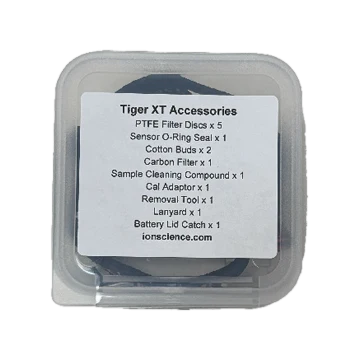 View image: Tiger XT Range Accessory Kit
Tiger XT Range Accessory Kit
|
A-912300 | Contains a PTFE filter discs, sensor O-ring seal, carbon filter, lamp cleaning compound, cal adaptor, PID stack removal tool, lanyard, and battery lid catch for quick, simple maintenance. |
| Item | Part number | Description |
|---|---|---|
 View image: Electrode Stack White
Electrode Stack White
|
A-846267 | Replacement white electrode stack for the PID sensor |
 View image: Lamp 10.6eV
Lamp 10.6eV
|
LA4TM600 | Replacement 10.6 eV PID lamp for the Tiger XT |
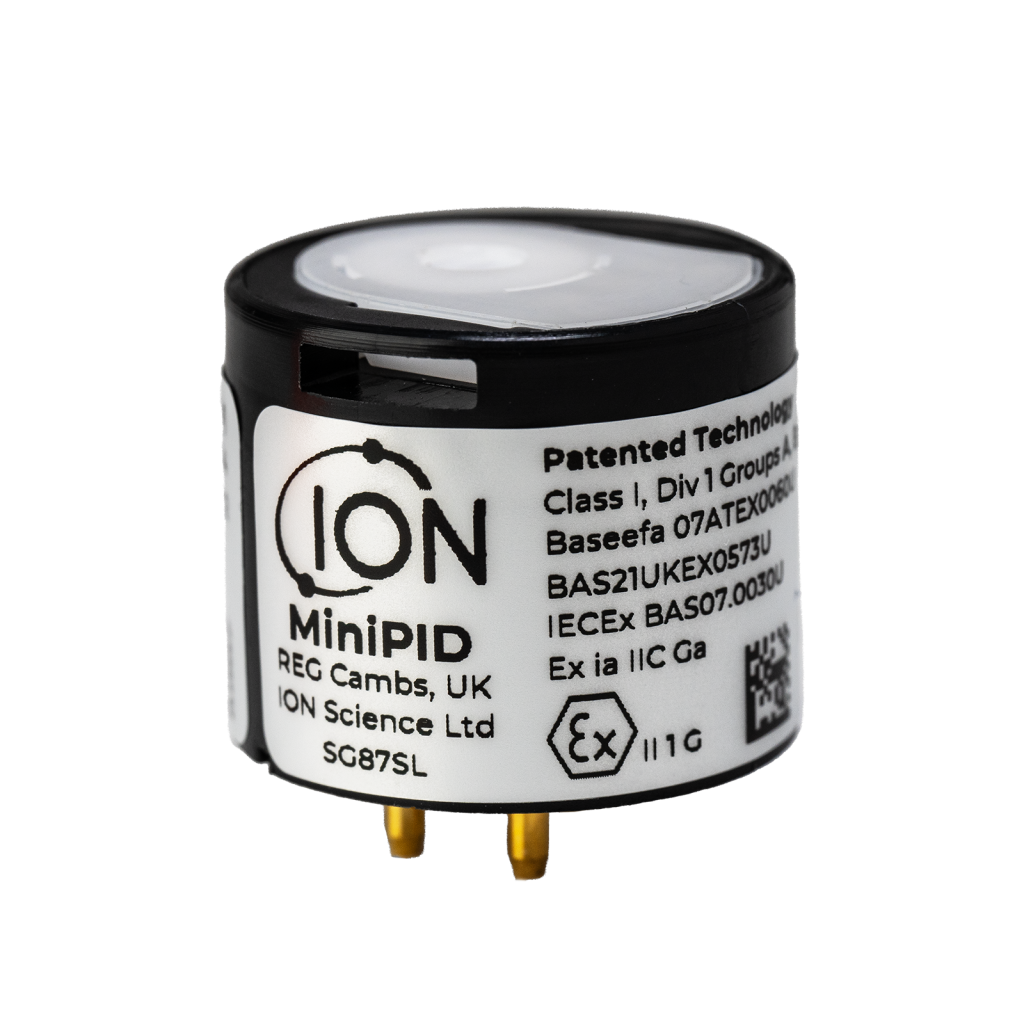 View image: MiniPID 2 6-pin 10.6eV
MiniPID 2 6-pin 10.6eV
|
MP6SX6BXU2 | Replacement 6-pin MiniPID 2 sensor |
 View image: PTFE Filter Disc (x10)
PTFE Filter Disc (x10)
|
A-861632 | Probe inlet designed to accurately pinpoint and sample target gases |
 View image: Tiger Range Filter Clamp O-Ring (x5)
Tiger Range Filter Clamp O-Ring (x5)
|
A-912363 | Replacement O-rings for sealing the Tiger XT range filter clamp |
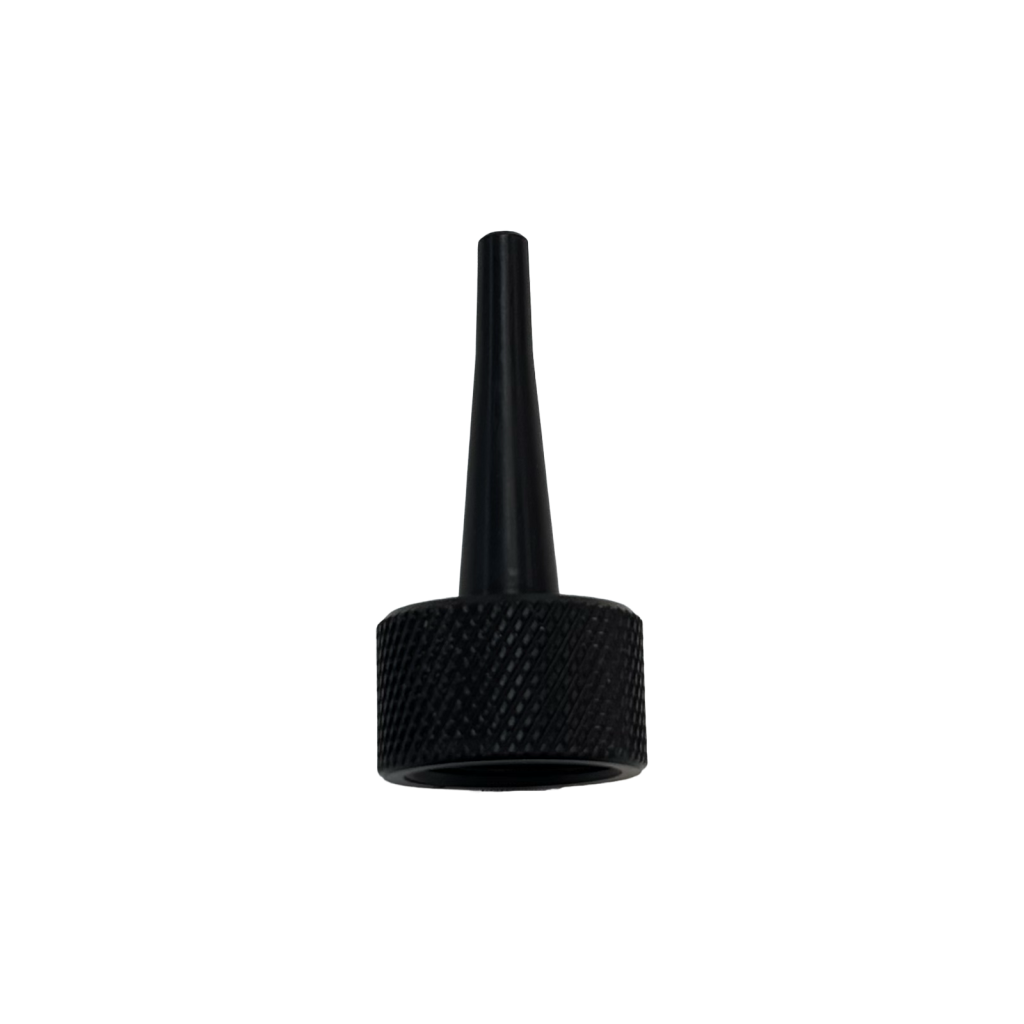 View image: Tiger Range Probe (x5)
Tiger Range Probe (x5)
|
A-880214 | Replacement sampling probe designed to accurately pinpoint and sample target gases |
 Tiger XT Select Portable Benzene Detector
| Item | Part number | Description |
|---|---|---|
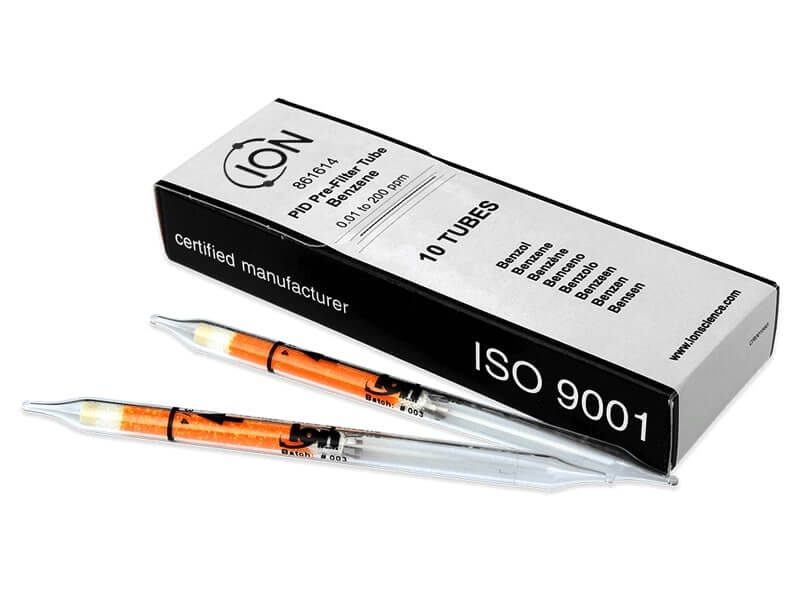 View image: Benzene Tubes x 10
Benzene Tubes x 10
|
A-861626 | Tiger XT Select benzene pre-filter tubes pack of 10 |
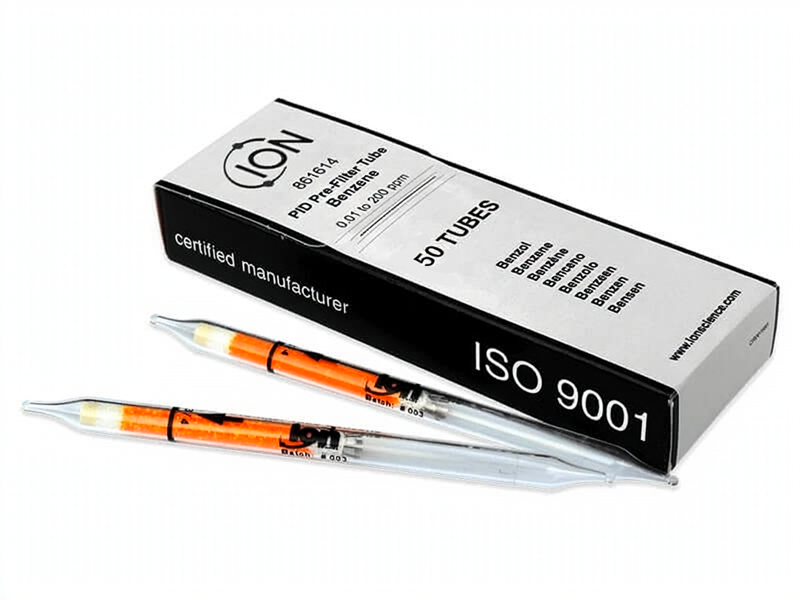 View image: Benzene Tubes x 50
Benzene Tubes x 50
|
A-861627 | Pre-filter tubes for selective benzene measurements with Tiger XT Select |
|
View image: Car Charger Lead
Car Charger Lead
|
1/jawu-01 | Vehicle charging lead for powering or charging the Tiger XT while travelling |
|
View image: Tiger XT Range Accessory Kit
Tiger XT Range Accessory Kit
|
A-912300 | Contains a PTFE filter discs, sensor O-ring seal, carbon filter, lamp cleaning compound, cal adaptor, PID stack removal tool, lanyard, and battery lid catch for quick, simple maintenance. |
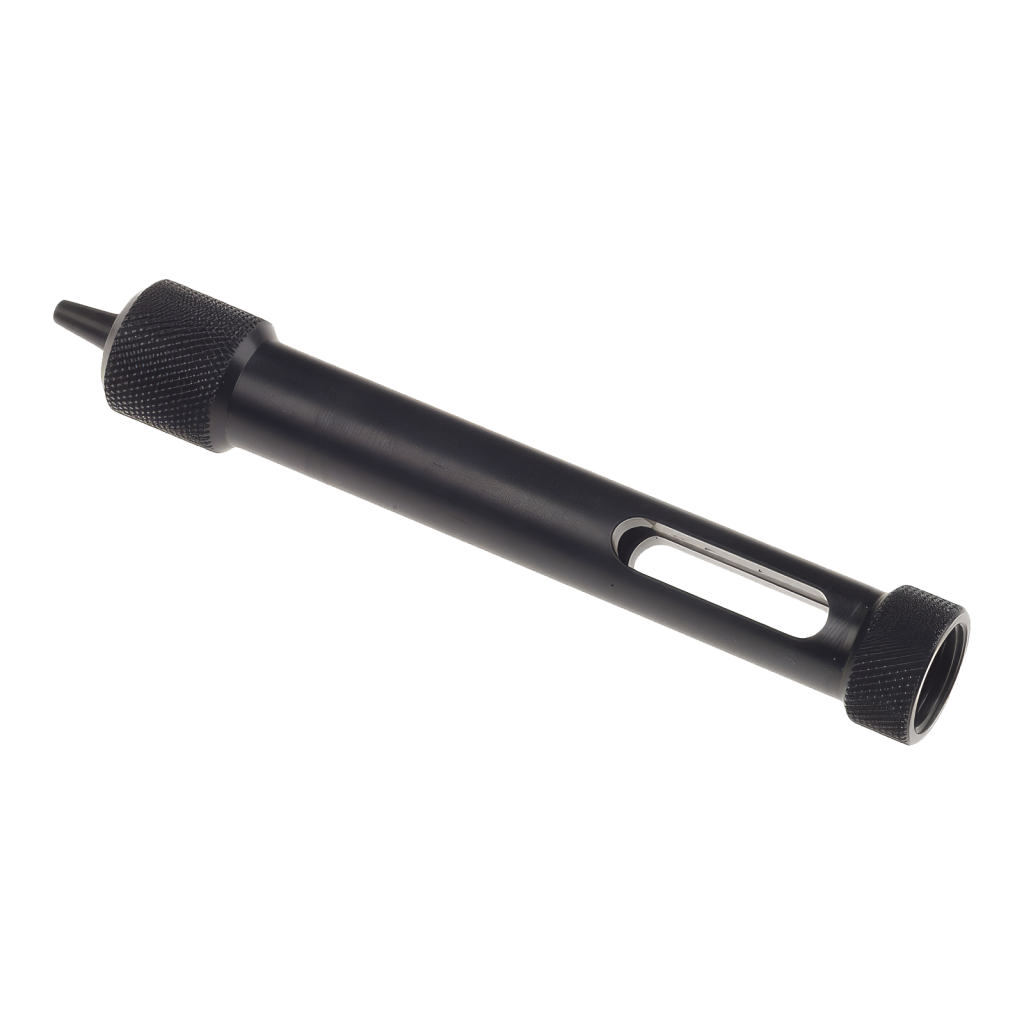 View image: Tube Holder
Tube Holder
|
A-880209 | Reusable holder for fitting benzene pre-filter tubes to the Tiger XT Select |
| Item | Part number | Description |
|---|---|---|
|
View image: 10.0 eV Lamp
10.0 eV Lamp
|
LA4TS600 | Replacement PID lamp for the 6-pin MiniPID 2 10.0 eV |
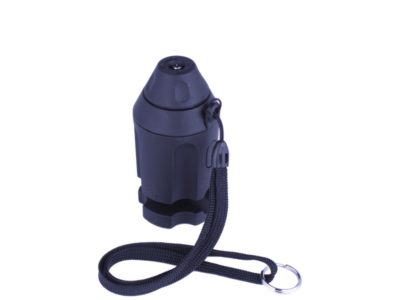 View image: Benzene Tube Opener
Benzene Tube Opener
|
5/FD-02 | Designed to safely break the glass tip off the benzene tube and stores it in the container |
 View image: Electrode Stack White + Gold
Electrode Stack White + Gold
|
A-846417 | Replacement white and gold electrode stack |
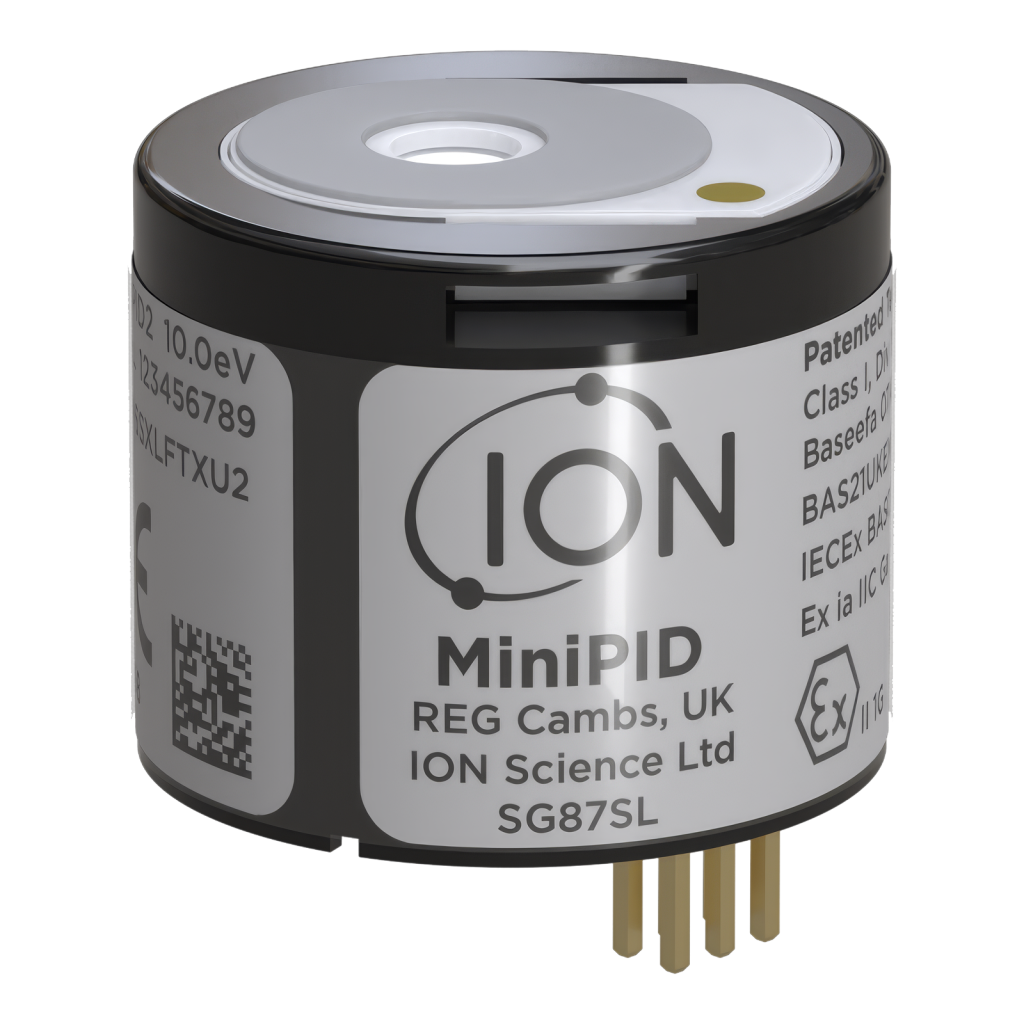 View image: MiniPID 2 10.0eV 6-pin
MiniPID 2 10.0eV 6-pin
|
MP6SX60XU2 | Replacement 10.0 eV 6-pin MiniPID 2 sensor |
|
View image: PTFE Filter Disc (x10)
PTFE Filter Disc (x10)
|
A-861632 | Probe inlet designed to accurately pinpoint and sample target gases |
|
View image: Tiger Range Filter Clamp O-Ring (x5)
Tiger Range Filter Clamp O-Ring (x5)
|
A-912363 | Replacement O-rings for sealing the Tiger XT range filter clamp |
|
View image: Tiger Range Probe (x5)
Tiger Range Probe (x5)
|
A-880214 | Replacement sampling probe designed to accurately pinpoint and sample target gases |
 Tiger XTL Portable PID VOC Detector
| Item | Part number | Description |
|---|---|---|
|
View image: Car Charger Lead
Car Charger Lead
|
1/jawu-01 | Vehicle charging lead for powering or charging the Tiger XT while travelling |
|
View image: Multi Adaptor with Pipe Connector
Multi Adaptor with Pipe Connector
|
A-912338 | This adaptor features a quick-release connector for attaching longer lengths of tubing with a 4 mm internal diameter and 6 mm external diameter |
|
View image: Multi Adaptor with Probe Extension 1000mm
Multi Adaptor with Probe Extension 1000mm
|
A-912337 | Flexible 1000mm probe extension for sampling hard to reach areas with the Tiger XT and Tiger XTL |
|
View image: Multi Adaptor with Probe Extension 300mm
Multi Adaptor with Probe Extension 300mm
|
A-912336 | Flexible probe attaches to the Tiger XT range and is used for hard to reach spaces. |
|
View image: Tiger XT Container Probe
Tiger XT Container Probe
|
A-912339 | Designed for reliable remote sampling in demanding applications |
|
View image: Tiger XT Range Accessory Kit
Tiger XT Range Accessory Kit
|
A-912300 | Contains a PTFE filter discs, sensor O-ring seal, carbon filter, lamp cleaning compound, cal adaptor, PID stack removal tool, lanyard, and battery lid catch for quick, simple maintenance. |
|
View image: Tiger XTL Fire Investigation Kit
Tiger XTL Fire Investigation Kit
|
TXLLSRBMP-0000 | A complete accessory kit for the Tiger XTL, supplied with a premium carrying case, rechargeable battery pack, charger assembly, multi-region mains adaptor, car charger lead, PID response check pen, 1m flexi probe, pack of 10 PTFE filters, exhaust barb and USB cable. |
| Item | Part number | Description |
|---|---|---|
 View image: Electrode Stack Orange
Electrode Stack Orange
|
A-846496 | Replacement orange electrode stack for the 10.6 eV ION Science MiniPID 2 sensor |
|
View image: Lamp 10.6eV
Lamp 10.6eV
|
LA4TM600 | Replacement 10.6 eV PID lamp for the Tiger XT |
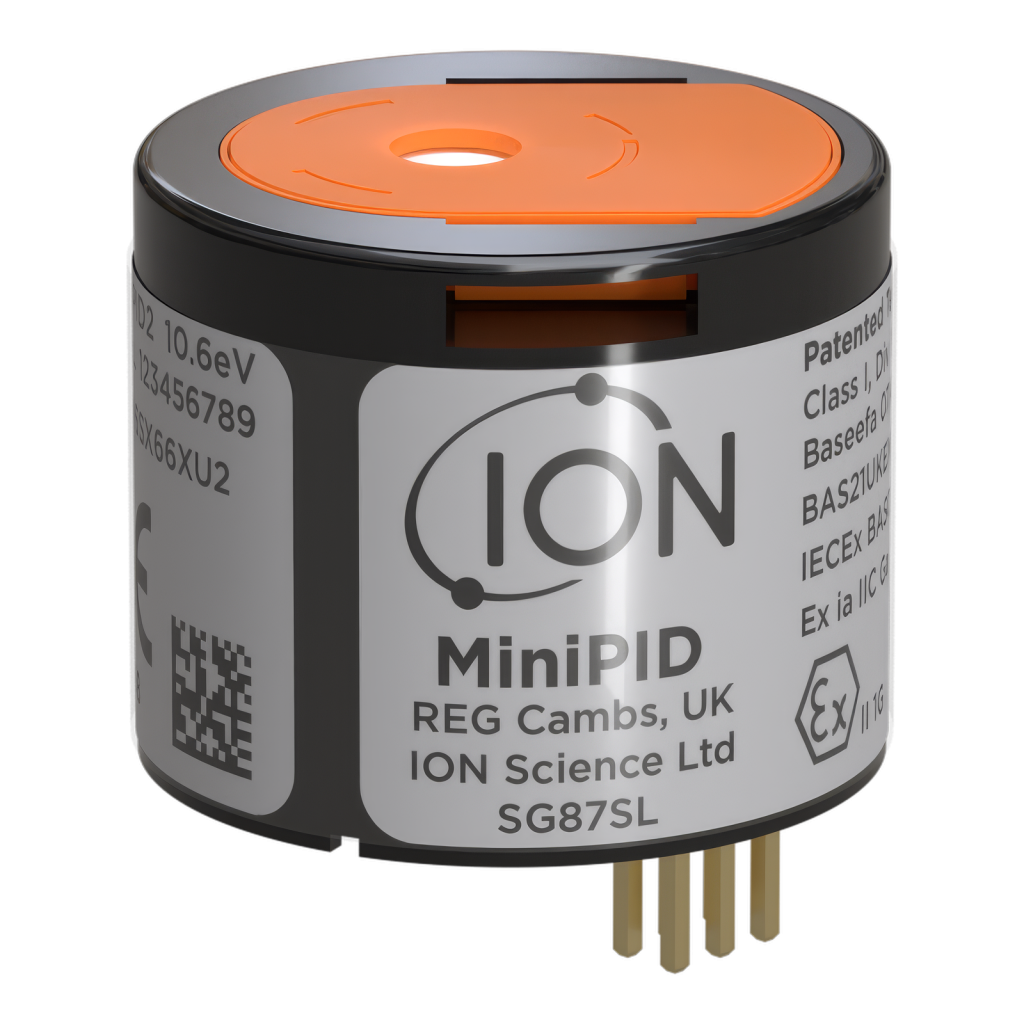 View image: Mini PID 10.6eV 6-pin (orange)
Mini PID 10.6eV 6-pin (orange)
|
MP6SX66XU2 | Replacement PID sensor for the Tiger XTL |
|
View image: PTFE Filter Disc (x10)
PTFE Filter Disc (x10)
|
A-861632 | Probe inlet designed to accurately pinpoint and sample target gases |
|
View image: Tiger Range Filter Clamp O-Ring (x5)
Tiger Range Filter Clamp O-Ring (x5)
|
A-912363 | Replacement O-rings for sealing the Tiger XT range filter clamp |
|
View image: Tiger Range Probe (x5)
Tiger Range Probe (x5)
|
A-880214 | Replacement sampling probe designed to accurately pinpoint and sample target gases |
 Cub 10.0 eV Wearable PID TAC Detector
| Item | Part number | Description |
|---|---|---|
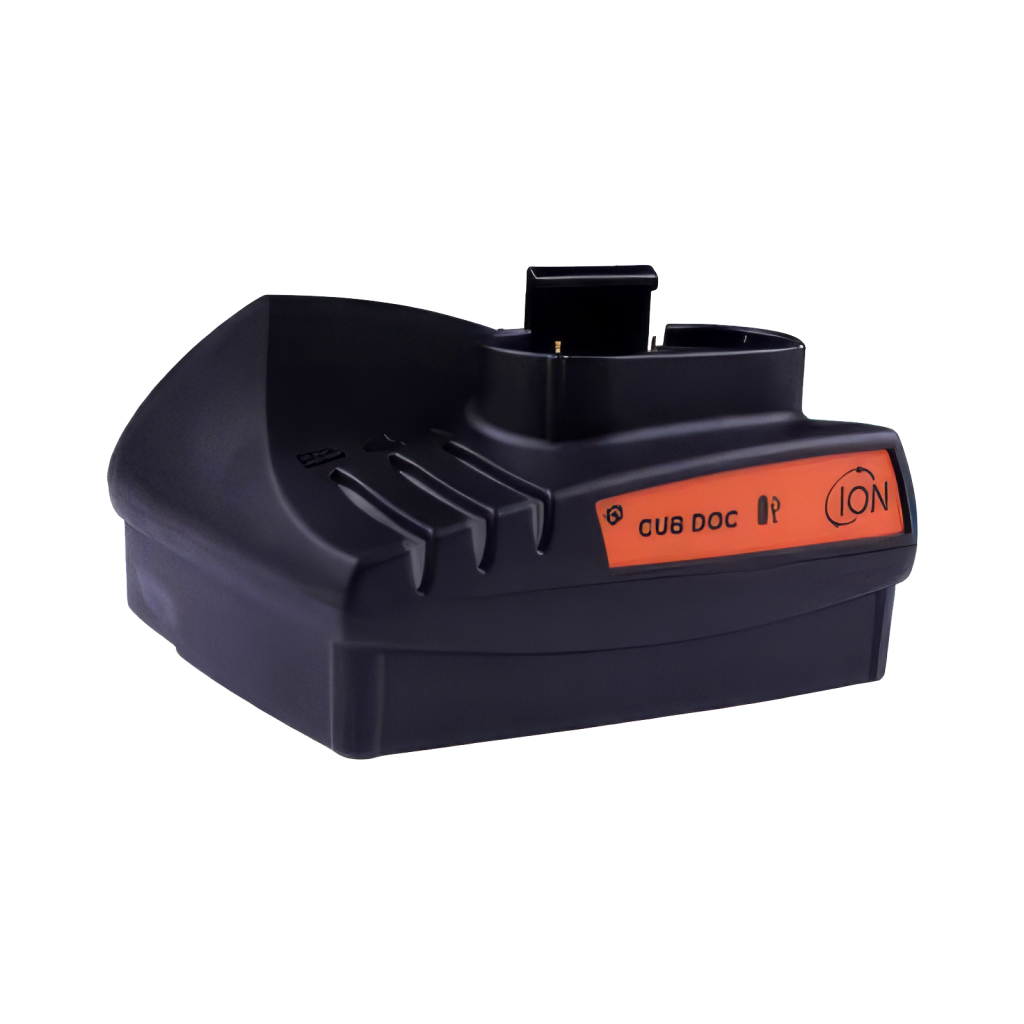 View image: Cub Calibration Docking Station – Australian Plug
Cub Calibration Docking Station – Australian Plug
|
CDASXCSX-X | Calibration Dock to support and carry out quick and easy bump testing and calibration of the unit before use |
|
View image: Cub Calibration Docking Station – European Plug
Cub Calibration Docking Station – European Plug
|
CDASXCEX-X | Calibration Dock to support and carry out quick and easy bump testing and calibration of the unit before use. |
|
View image: Cub Calibration Docking Station – UK Plug
Cub Calibration Docking Station – UK Plug
|
CDASXCKX-X | Calibration Dock to support and carry out quick and easy bump testing and calibration of the unit before use. |
|
View image: Cub Calibration Docking Station – US Plug
Cub Calibration Docking Station – US Plug
|
CDASXCAX-X | Calibration Dock to support and carry out quick and easy bump testing and calibration of the unit before use. |
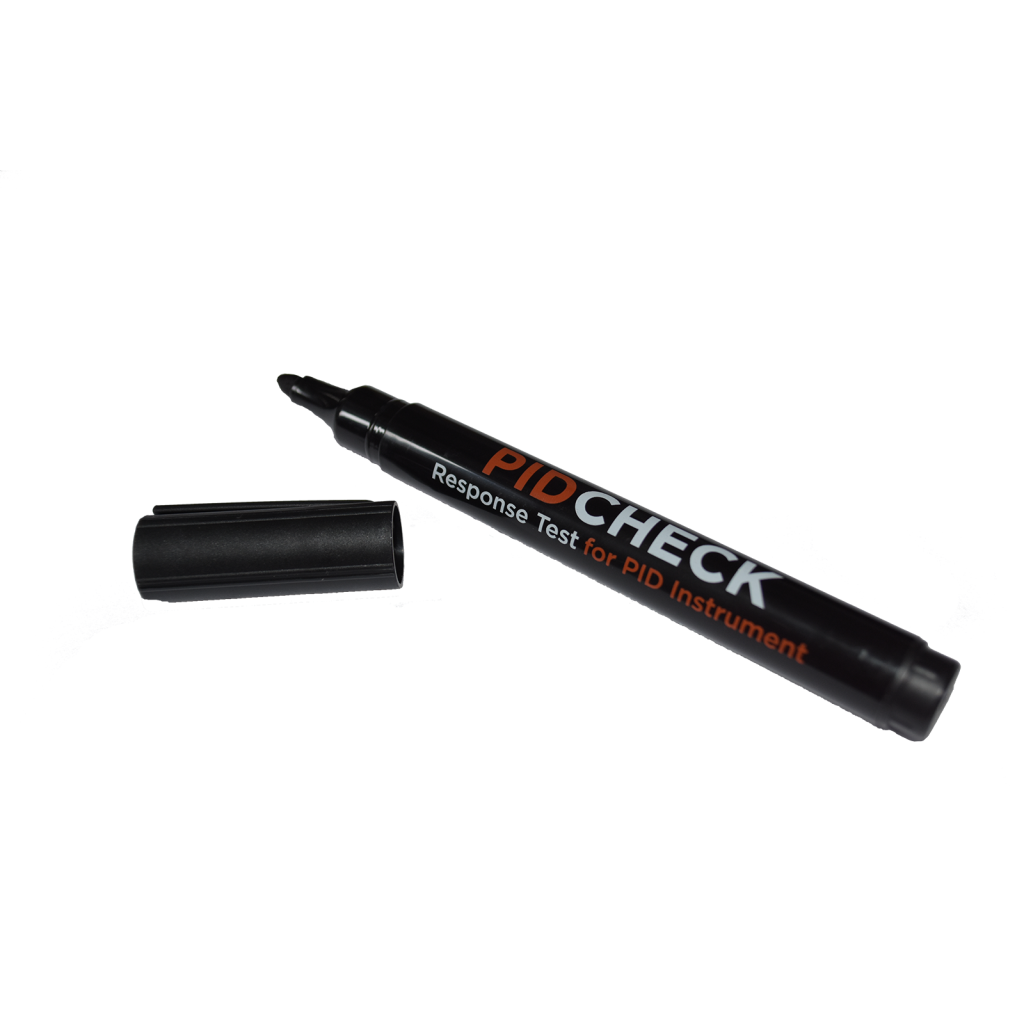 View image: PID Check Pen
PID Check Pen
|
4/QM-01 | Portable check pen for confirming the response of compatible PID instruments |
| Item | Part number | Description |
|---|---|---|
|
View image: 10.0 eV Lamp
10.0 eV Lamp
|
LA4TS600 | Replacement PID lamp for the 6-pin MiniPID 2 10.0 eV |
|
Cub PTFE and Seal Kit
|
A-871205 | Replacement PTFE components and seals for maintaining the Cub sample inlet. |
|
View image: Electrode Stack White + Gold
Electrode Stack White + Gold
|
A-846417 | Replacement white and gold electrode stack |
|
View image: MiniPID 2 10.0eV 6-pin
MiniPID 2 10.0eV 6-pin
|
MP6SX60XU2 | Replacement 10.0 eV 6-pin MiniPID 2 sensor |
|
View image: PTFE Filter for Cub – pack of 10
PTFE Filter for Cub – pack of 10
|
A-871243 | Replacement PTFE filters for protecting the Cub sample inlet from particles |
|
View image: PTFE Filter for Cub – pack of 100
PTFE Filter for Cub – pack of 100
|
A-871244 | Replacement PTFE filters for protecting the Cub sample inlet from particles. |
 Cub 10.6 eV Wearable PID VOC Detector
| Item | Part number | Description |
|---|---|---|
|
View image: Cub Calibration Docking Station – Australian Plug
Cub Calibration Docking Station – Australian Plug
|
CDASXCSX-X | Calibration Dock to support and carry out quick and easy bump testing and calibration of the unit before use |
|
View image: Cub Calibration Docking Station – European Plug
Cub Calibration Docking Station – European Plug
|
CDASXCEX-X | Calibration Dock to support and carry out quick and easy bump testing and calibration of the unit before use. |
|
View image: Cub Calibration Docking Station – UK Plug
Cub Calibration Docking Station – UK Plug
|
CDASXCKX-X | Calibration Dock to support and carry out quick and easy bump testing and calibration of the unit before use. |
|
View image: Cub Calibration Docking Station – US Plug
Cub Calibration Docking Station – US Plug
|
CDASXCAX-X | Calibration Dock to support and carry out quick and easy bump testing and calibration of the unit before use. |
|
View image: PID Check Pen
PID Check Pen
|
4/QM-01 | Portable check pen for confirming the response of compatible PID instruments |
| Item | Part number | Description |
|---|---|---|
|
Cub PTFE and Seal Kit
|
A-871205 | Replacement PTFE components and seals for maintaining the Cub sample inlet. |
|
View image: Electrode Stack White
Electrode Stack White
|
A-846267 | Replacement white electrode stack for the PID sensor |
|
View image: Lamp 10.6eV
Lamp 10.6eV
|
LA4TM600 | Replacement 10.6 eV PID lamp for the Tiger XT |
|
View image: MiniPID 2 6-pin 10.6eV
MiniPID 2 6-pin 10.6eV
|
MP6SX6BXU2 | Replacement 6-pin MiniPID 2 sensor |
|
View image: PTFE Filter for Cub – pack of 10
PTFE Filter for Cub – pack of 10
|
A-871243 | Replacement PTFE filters for protecting the Cub sample inlet from particles |
|
View image: PTFE Filter for Cub – pack of 100
PTFE Filter for Cub – pack of 100
|
A-871244 | Replacement PTFE filters for protecting the Cub sample inlet from particles. |
 Cub 11.7 eV Wearable PID VOC Detector
| Item | Part number | Description |
|---|---|---|
|
View image: Cub Calibration Docking Station – Australian Plug
Cub Calibration Docking Station – Australian Plug
|
CDASXCSX-X | Calibration Dock to support and carry out quick and easy bump testing and calibration of the unit before use |
|
View image: Cub Calibration Docking Station – European Plug
Cub Calibration Docking Station – European Plug
|
CDASXCEX-X | Calibration Dock to support and carry out quick and easy bump testing and calibration of the unit before use. |
|
View image: Cub Calibration Docking Station – UK Plug
Cub Calibration Docking Station – UK Plug
|
CDASXCKX-X | Calibration Dock to support and carry out quick and easy bump testing and calibration of the unit before use. |
|
View image: Cub Calibration Docking Station – US Plug
Cub Calibration Docking Station – US Plug
|
CDASXCAX-X | Calibration Dock to support and carry out quick and easy bump testing and calibration of the unit before use. |
|
View image: PID Check Pen
PID Check Pen
|
4/QM-01 | Portable check pen for confirming the response of compatible PID instruments |
| Item | Part number | Description |
|---|---|---|
|
View image: 11.7 eV Lamp
11.7 eV Lamp
|
LA4TM700 | Replacement 11.7 eV PID lamp for the Cub 11.7 eV |
|
Cub PTFE and Seal Kit
|
A-871205 | Replacement PTFE components and seals for maintaining the Cub sample inlet. |
|
View image: Electrode Stack White
Electrode Stack White
|
A-846267 | Replacement white electrode stack for the PID sensor |
|
View image: MiniPID 2 6-pin 11.7 eV
MiniPID 2 6-pin 11.7 eV
|
MP6SX7BXU2 | Replacement PID sensor for the Cub 11.7 eV |
|
View image: PTFE Filter for Cub – pack of 10
PTFE Filter for Cub – pack of 10
|
A-871243 | Replacement PTFE filters for protecting the Cub sample inlet from particles |
|
View image: PTFE Filter for Cub – pack of 100
PTFE Filter for Cub – pack of 100
|
A-871244 | Replacement PTFE filters for protecting the Cub sample inlet from particles. |
 FALCO 2 10.0 eV Fixed Aromatic VOC Gas Detector
| Item | Part number | Description |
|---|---|---|
|
FALCO 2 Flange Adaptor (Diffused only)
|
932250 | Flange adaptor for installing FALCO 2 diffused models into compatible sampling systems |
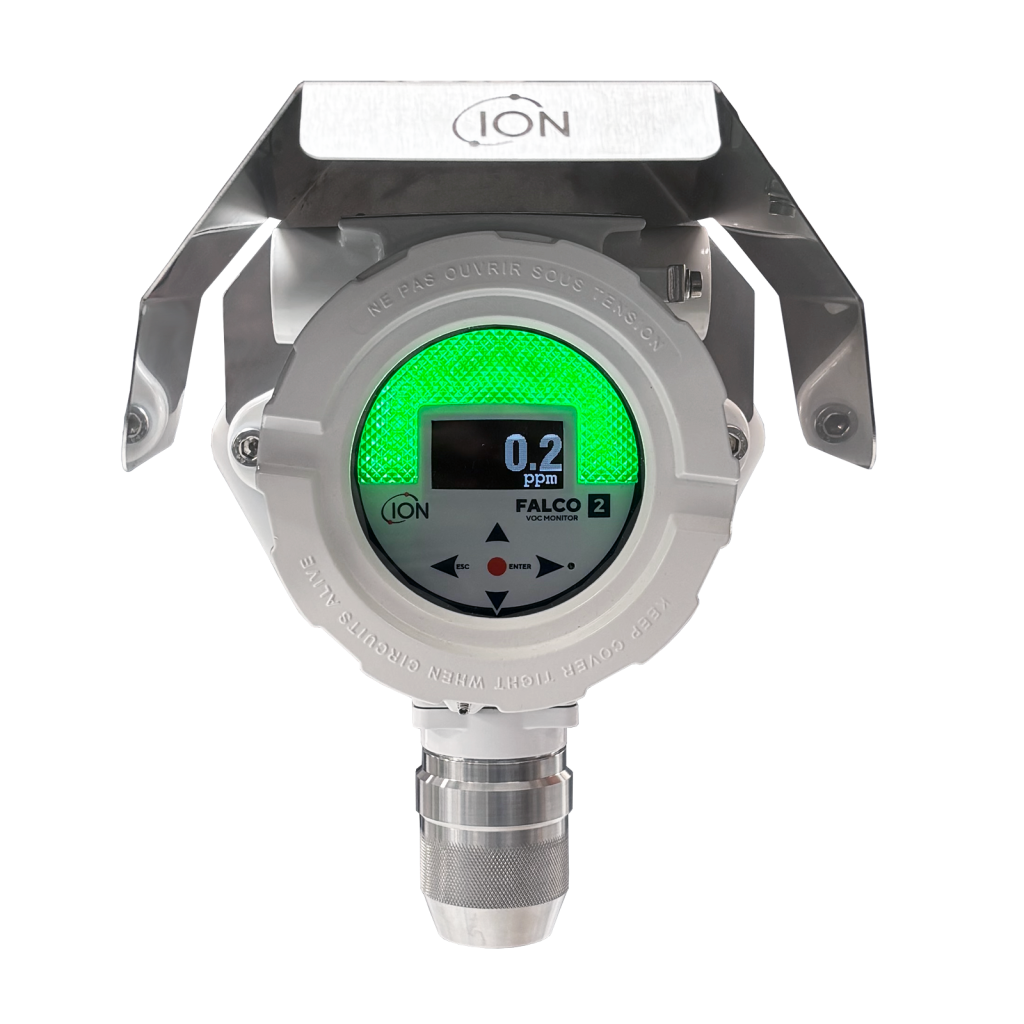 View image: FALCO Range Weather Guard
FALCO Range Weather Guard
|
932221 | FALCO Weather Guard protects instruments in outdoor and ATEX environments |
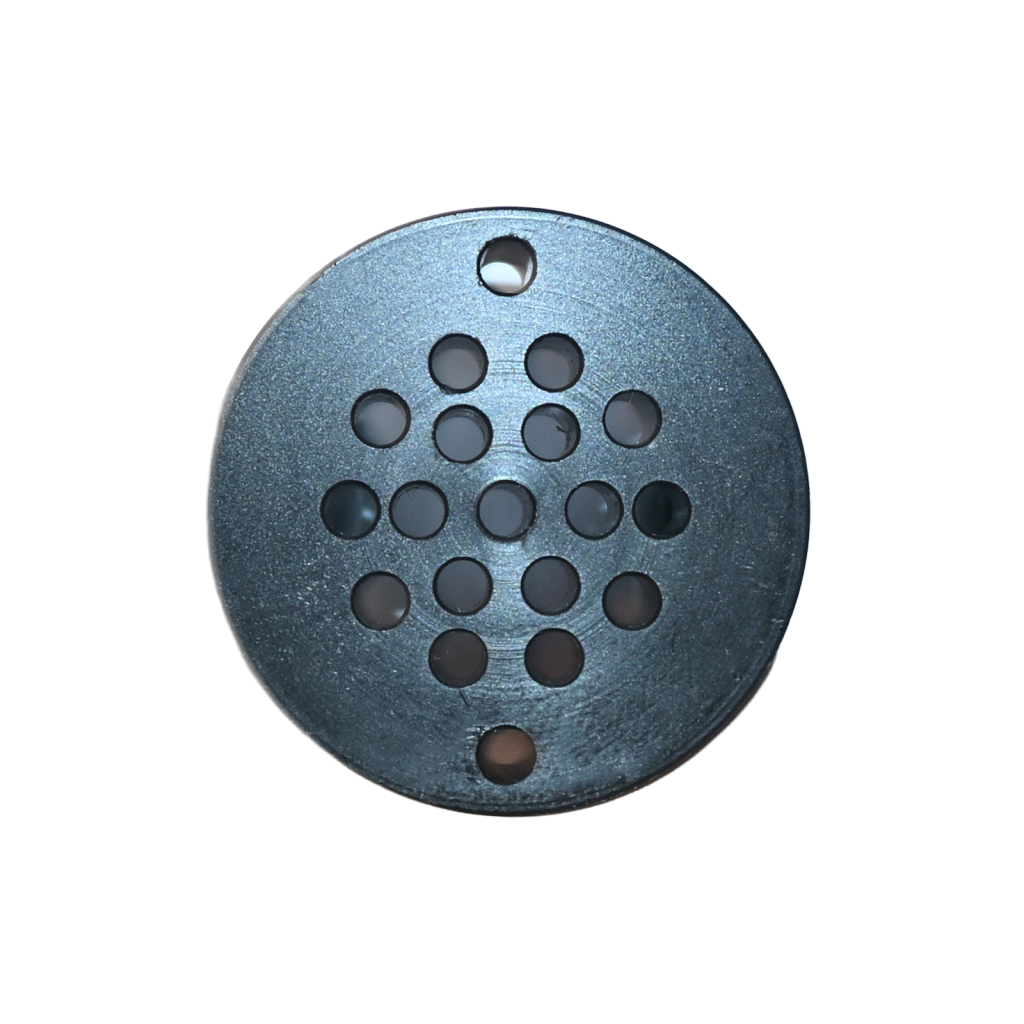 View image: FALCO/FALCO 2 Diffused Splash Guard (Diffused only)
FALCO/FALCO 2 Diffused Splash Guard (Diffused only)
|
932254 | Splash guard for protecting the inlet of Falco 2 diffusion models. |
|
Kit Flow Adaptor Falco (Diffused only)
|
A-873230 | This kit provides the mechanical interface needed to temporarily deliver and regulate gas flow directly to the diffused sensor head |
| Item | Part number | Description |
|---|---|---|
|
View image: 10.6eV Lamp
10.6eV Lamp
|
LA4SFL3.2 | Replacement 10.6 eV PID lamp |
|
Electrode Stack FALCO TAC
|
A-846767 | Replacement electrode stack for the FALCO 2 10.0 eV PID sensor |
|
View image: Falco / Falco 2 PTFE Filter Disc (Diffused only)
Falco / Falco 2 PTFE Filter Disc (Diffused only)
|
873210 | Replacement PTFE filters for protecting the sample inlet from particles |
|
Hydrophobic Filter (Pumped only)
|
A-873273 | Replacement hydrophobic filter that helps prevent moisture entering the FALCO 2 Pumped sample path. |
|
Luer Fitting (Pumped only)
|
A-873275 | Replacement Luer fitting for the Falco 2 10.0 eV Pumped sample connection |
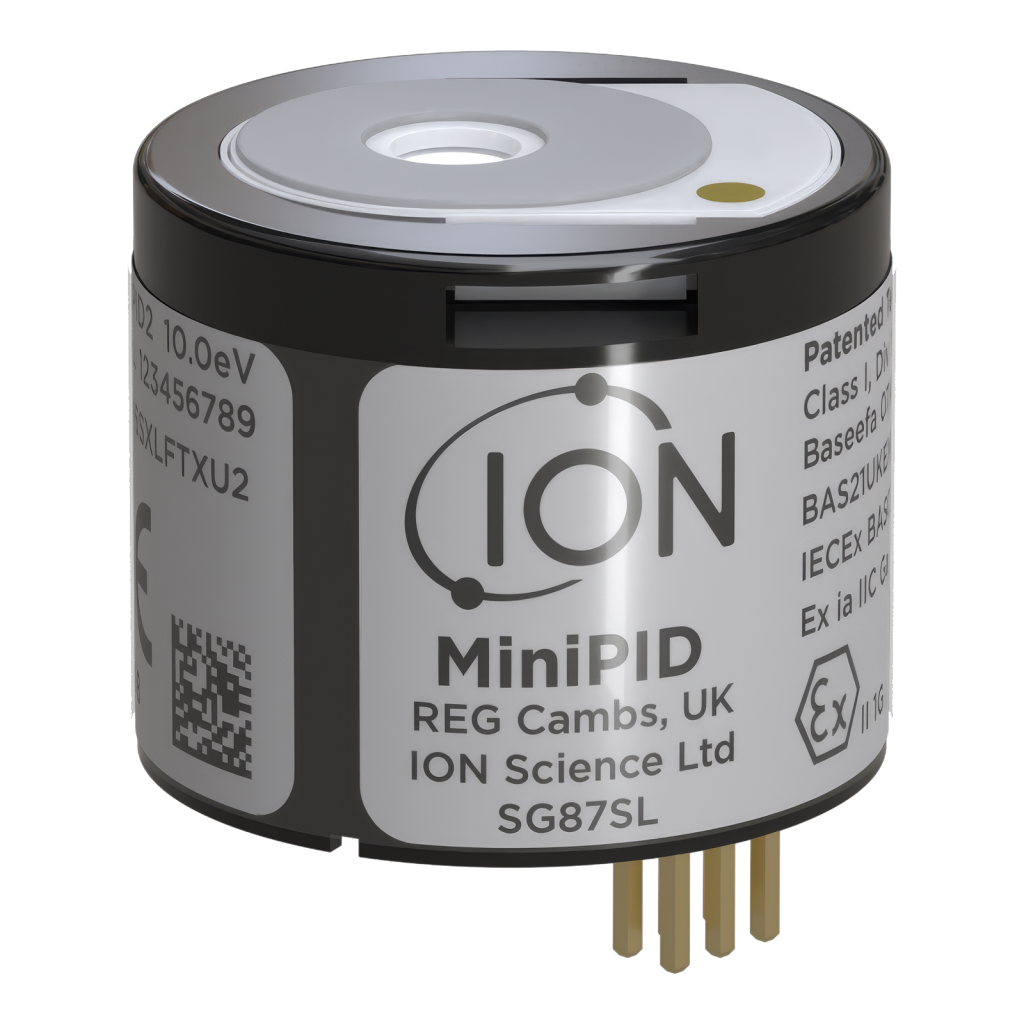 View image: MiniPID 2 FALCO TAC
MiniPID 2 FALCO TAC
|
MP6SXLFTXU2 | Replacement PID sensor module for the Falco 2 10.0 eV |
 View image: MiniPID Spring Kit – (pack of 10)
MiniPID Spring Kit – (pack of 10)
|
A-8461044 | Replacement PID retaining springs for servicing the FALCO 2 sensor assembly. |
 FALCO 2 10.6 eV Fixed VOC Gas Detector
| Item | Part number | Description |
|---|---|---|
|
FALCO 2 Flange Adaptor (Diffused only)
|
932250 | Flange adaptor for installing FALCO 2 diffused models into compatible sampling systems |
|
View image: FALCO Range Weather Guard
FALCO Range Weather Guard
|
932221 | FALCO Weather Guard protects instruments in outdoor and ATEX environments |
|
View image: FALCO/FALCO 2 Diffused Splash Guard (Diffused only)
FALCO/FALCO 2 Diffused Splash Guard (Diffused only)
|
932254 | Splash guard for protecting the inlet of Falco 2 diffusion models. |
|
Kit Flow Adaptor Falco (Diffused only)
|
A-873230 | This kit provides the mechanical interface needed to temporarily deliver and regulate gas flow directly to the diffused sensor head |
| Item | Part number | Description |
|---|---|---|
|
View image: 10.6eV Lamp
10.6eV Lamp
|
LA4SFL3.2 | Replacement 10.6 eV PID lamp |
|
View image: Falco / Falco 2 PTFE Filter Disc (Diffused only)
Falco / Falco 2 PTFE Filter Disc (Diffused only)
|
873210 | Replacement PTFE filters for protecting the sample inlet from particles |
|
View image: FALCO Electrode Stack Orange
FALCO Electrode Stack Orange
|
A-846629 | Replacement orange electrode stack for FALCO 2 10.6 eV Diffused instruments configured for the 0–50 ppm or 0–3,000 ppm measurement range |
|
View image: FALCO Electrode Stack White
FALCO Electrode Stack White
|
A-846627 | Replacement white electrode stack for Falco 2 10.6 eV Diffused instruments configured for the 0–10 ppm or 0–1,000 ppm measurement range |
|
Hydrophobic Filter (Pumped only)
|
A-873273 | Replacement hydrophobic filter that helps prevent moisture entering the FALCO 2 Pumped sample path. |
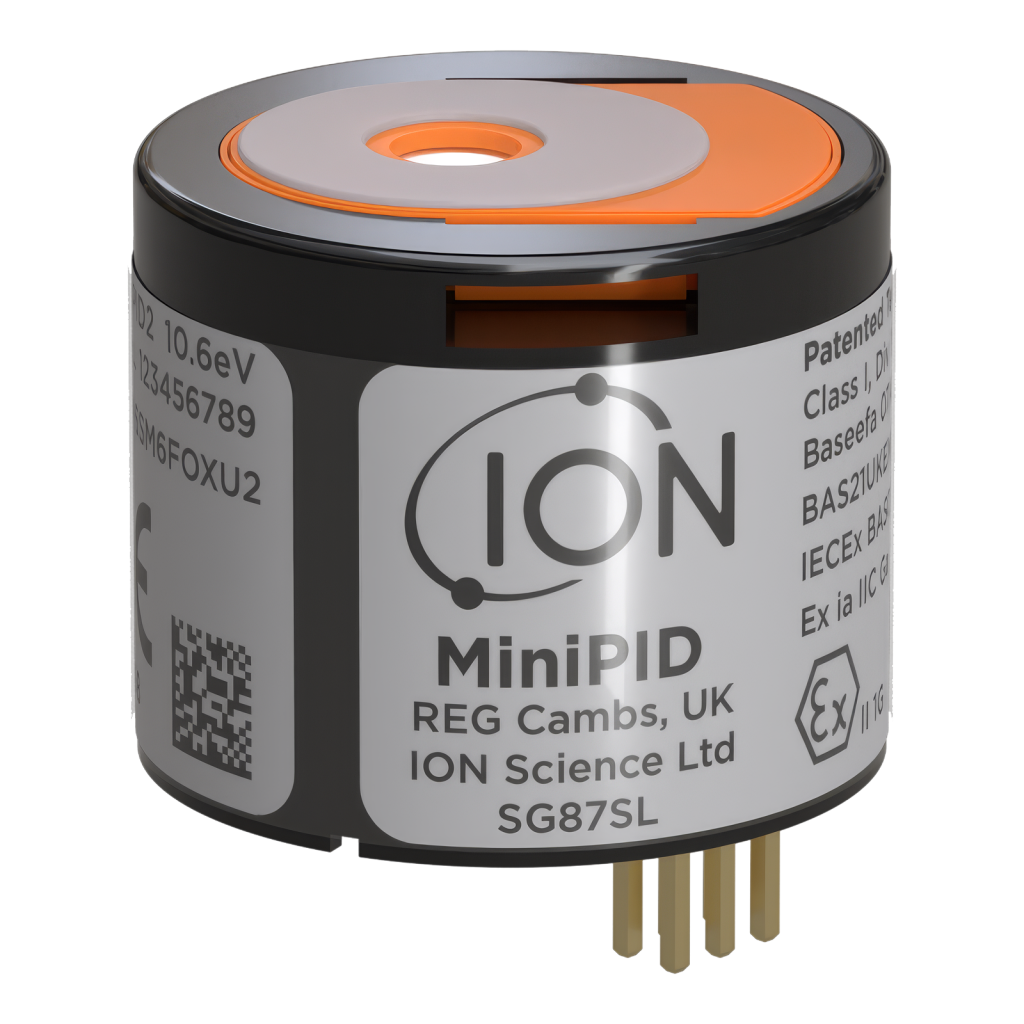 View image: MiniPID 2 FALCO Orange
MiniPID 2 FALCO Orange
|
MP6SM6FOXU2 | Replacement orange PID sensor for FALCO 2 10.6 eV Diffused instruments configured for the 0–50 ppm or 0–3,000 ppm measurement range. |
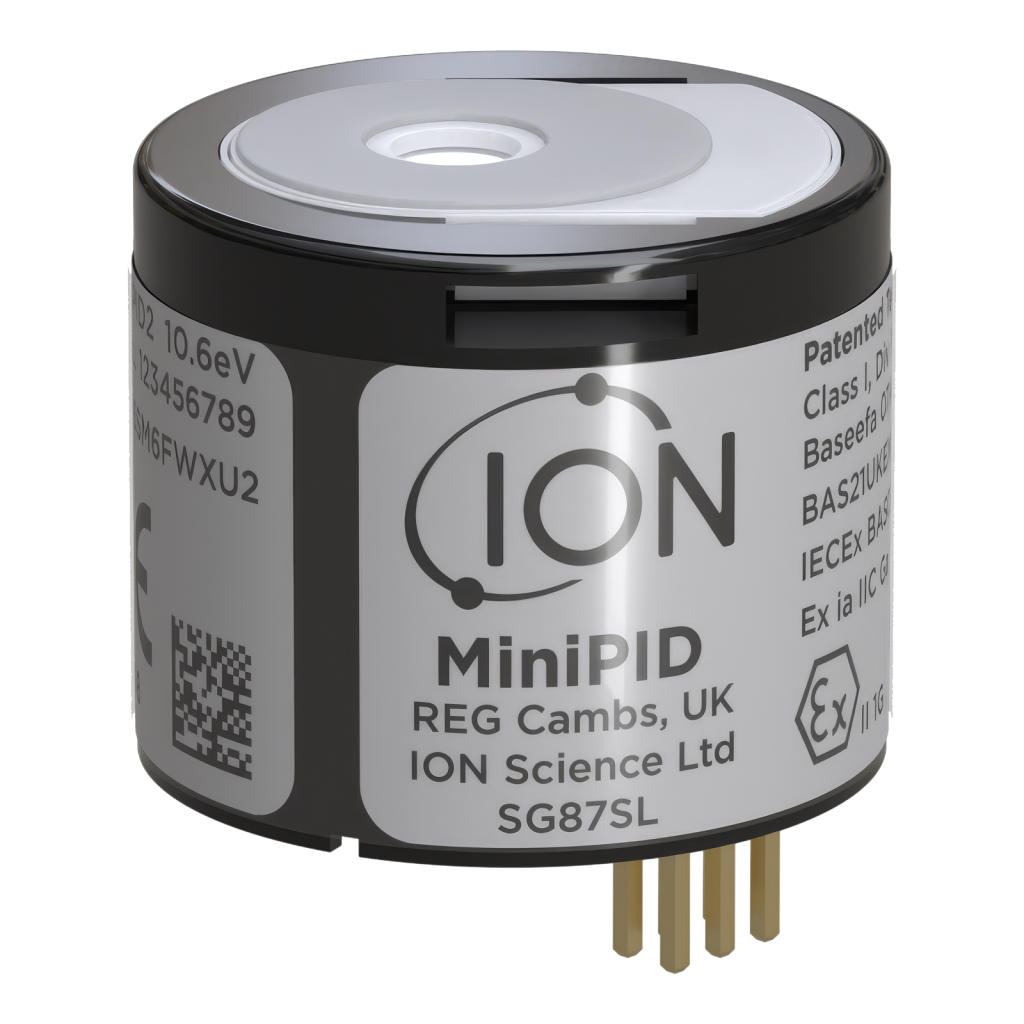 View image: MiniPID 2 FALCO White
MiniPID 2 FALCO White
|
MP6SM6FWXU2 | Replacement PID sensor for FALCO 2 10.6 eV Diffused instruments configured for the 0–10 ppm or 0–1,000 ppm measurement range |
 FALCO 2 11.7 eV Fixed VOC Gas Detector
| Item | Part number | Description |
|---|---|---|
|
FALCO 2 Flange Adaptor (Diffused only)
|
932250 | Flange adaptor for installing FALCO 2 diffused models into compatible sampling systems |
|
View image: FALCO Range Weather Guard
FALCO Range Weather Guard
|
932221 | FALCO Weather Guard protects instruments in outdoor and ATEX environments |
|
View image: FALCO/FALCO 2 Diffused Splash Guard (Diffused only)
FALCO/FALCO 2 Diffused Splash Guard (Diffused only)
|
932254 | Splash guard for protecting the inlet of Falco 2 diffusion models. |
|
Kit Flow Adaptor Falco (Diffused only)
|
A-873230 | This kit provides the mechanical interface needed to temporarily deliver and regulate gas flow directly to the diffused sensor head |
| Item | Part number | Description |
|---|---|---|
|
View image: 11.7 eV Lamp
11.7 eV Lamp
|
LA4TM700 | Replacement 11.7 eV PID lamp for the Cub 11.7 eV |
|
View image: Falco / Falco 2 PTFE Filter Disc (Diffused only)
Falco / Falco 2 PTFE Filter Disc (Diffused only)
|
873210 | Replacement PTFE filters for protecting the sample inlet from particles |
|
View image: FALCO Electrode Stack White
FALCO Electrode Stack White
|
A-846627 | Replacement white electrode stack for Falco 2 10.6 eV Diffused instruments configured for the 0–10 ppm or 0–1,000 ppm measurement range |
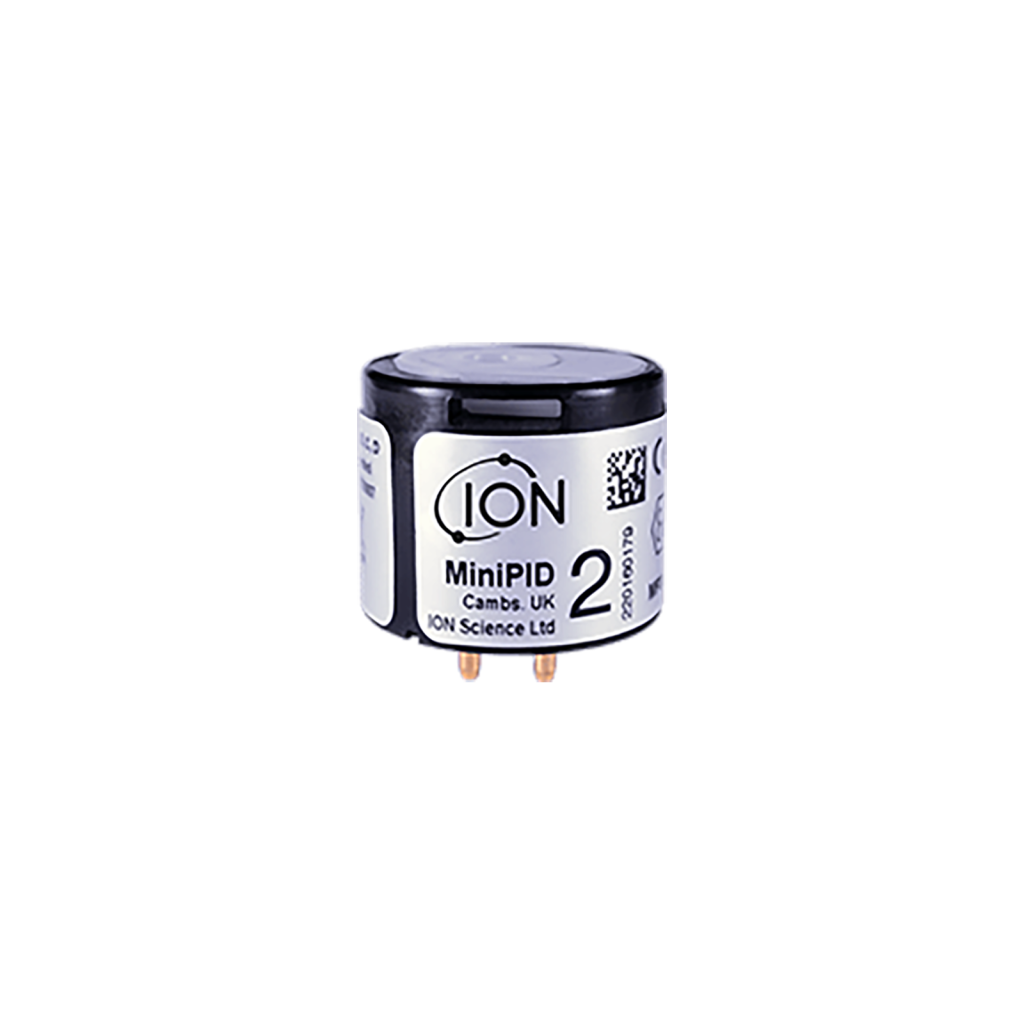 View image: MiniPID 2 6-pin FALCO 2 11.7 eV
MiniPID 2 6-pin FALCO 2 11.7 eV
|
MP6SX7FWXU2 | Replacement PID sensor for the FALCO 2 11.7 eV |
|
View image: MiniPID Spring Kit – (pack of 10)
MiniPID Spring Kit – (pack of 10)
|
A-8461044 | Replacement PID retaining springs for servicing the FALCO 2 sensor assembly. |
 Panther Portable Gas Leak Detector
| Item | Part number | Description |
|---|---|---|
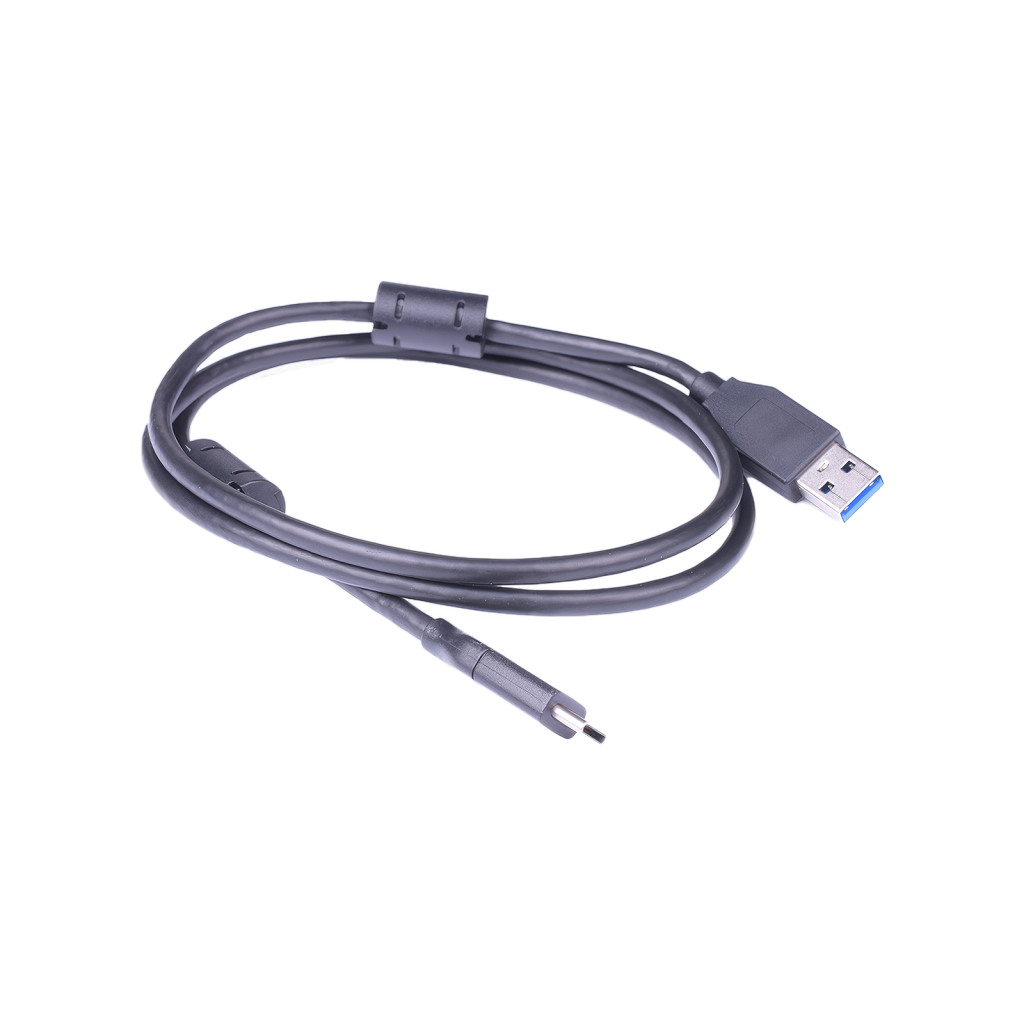 View image: Cable USB A male to USB C male 1m black with ferrite
Cable USB A male to USB C male 1m black with ferrite
|
1/VC-27 | One-metre USB-A to USB-C cable for charging and data connection |
|
View image: Cable USB A male to USB C male 2m black with ferrites
Cable USB A male to USB C male 2m black with ferrites
|
1/VC-29 | Two-metre USB-A to USB-C cable for charging and data connection |
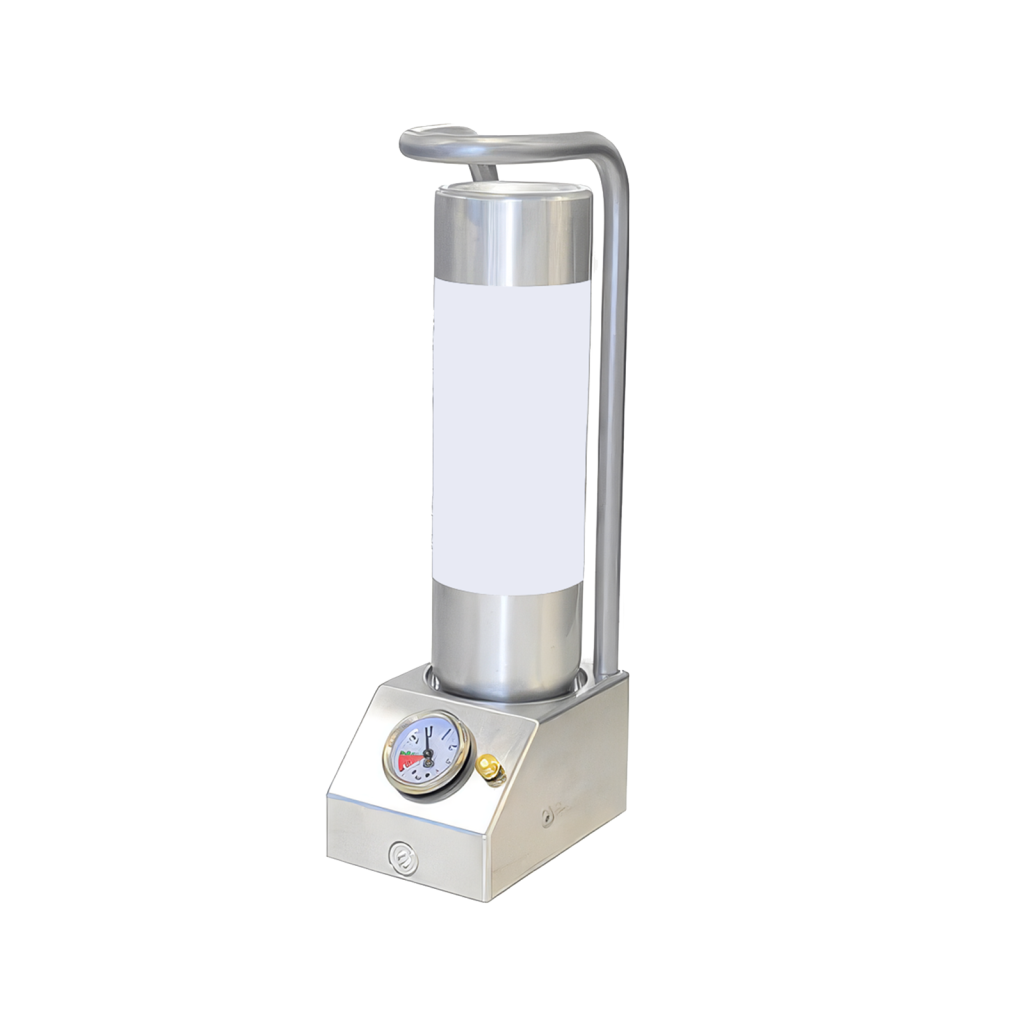 View image: Panther CalCheck 5% Hydrogen / 95% Nitrogen
Panther CalCheck 5% Hydrogen / 95% Nitrogen
|
A-907308 | Portable reference source for checking Panther response to a 5% hydrogen and 95% nitrogen gas mixture |
|
View image: Panther CalCheck Helium
Panther CalCheck Helium
|
A-907306 | Portable helium reference source for checking Panther detector response |
|
View image: Panther CalCheck SF6
Panther CalCheck SF6
|
A-907307 | Portable SF6 reference source for checking Panther detector response |
 View image: Power Supply 5VDC 1.20A 6W USB – Multi-Head
Power Supply 5VDC 1.20A 6W USB – Multi-Head
|
1/VS-32 | Multi-head 5 V USB power supply for charging the Panther instrument |
| Item | Part number | Description |
|---|---|---|
|
Panther Capillary Probe – short (for 200mm Flexible Probe)
|
A-907229 | Replacement sampling probe for Panther |
|
Panther Capillary Probe – Standard
|
A-907228 | Replacement sampling probe for the Panther |
 View image: Panther Flexible Probe 200mm
Panther Flexible Probe 200mm
|
A-907227 | Replacement sampling probe for the Panther |
 View image: Panther Flexible Probe Body Assembly
Panther Flexible Probe Body Assembly
|
A-907298 | Replacement body assembly for the Panther flexible probe |
|
Panther Nozzle
|
907209-RWK | Replacement sampling nozzle for the Panther gas leak detector |
|
Panther Probe Sleeve (pack of 5)
|
A-907289 | Replacement sleeves for protecting the Panther probe during use |
 Titan 2 Selective Fixed Benzene Monitor
| Item | Part number | Description |
|---|---|---|
|
Titan Case Service Module
|
875405 | Protective case for the service module for the Titan 2 |
| Item | Part number | Description |
|---|---|---|
 View image: Hydrophobic Filter
Hydrophobic Filter
|
A-875417 | Replacement hydrophobic filter that helps prevent moisture entering the Titan 2 sample path |
|
Joint rapid fit 8/6 tube 1/4BSPP
|
5/JRC-01 | Rapid-fit tube connector for the Titan 2 sample system |
|
Titan Actuation Magnet Assembly
|
A-875265 | Replacement actuation magnet assembly for operating the Titan 2 enclosure controls |
|
Titan Enclosure Lid O-Ring
|
875404 | Replacement O-ring for maintaining the seal around the Titan 2 enclosure lid |
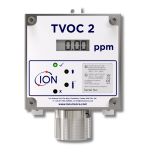 TVOC 2 Fixed Continuous VOC Detector
| Item | Part number | Description |
|---|---|---|
|
TVOC 2 Flow Adaptor Cap Assembly
|
A-900218 | Flow adaptor cap assembly for connecting sample tubing to the TVOC 2 |
|
TVOC and TVOC 2 Tool Kit
|
A-849214 | Tool kit for routine maintenance of TVOC and TVOC 2 instruments |
| Item | Part number | Description |
|---|---|---|
|
View image: 10.6eV Lamp
10.6eV Lamp
|
LA4SFL3.2 | Replacement 10.6 eV PID lamp |
|
View image: Electrode Stack Orange
Electrode Stack Orange
|
A-846496 | Replacement orange electrode stack for the 10.6 eV ION Science MiniPID 2 sensor |
|
View image: MiniPID2 10.6eV 6-Pin (orange) TVOC 2
MiniPID2 10.6eV 6-Pin (orange) TVOC 2
|
MP6SDL6XU2 | Replacement PID sensor for the TVOC 2 |
|
Quick Blow Fuse (125mA)
|
68-0024 | Replacement 125 mA quick-blow fuse for the TVOC 2 |
|
TVOC 2 Seal Disk complete with O-Rings
|
A-900221 | Replacement TVOC 2 seal disc supplied complete with O-rings to maintain the enclosure seal |
 View image: TVOC Calibration Magnet
TVOC Calibration Magnet
|
A-849219 | Calibration magnet used to access calibration functions on TVOC instruments |
 SF6 LeakCheck P1 XTL Portable Leak Detector
| Item | Part number | Description |
|---|---|---|
|
View image: CalCheck SF6
CalCheck SF6
|
A-21520 | Portable SF6 reference source for checking SF6 AreaCheck detector response |
 View image: Flexible Probe Extender 500mm
Flexible Probe Extender 500mm
|
23018 | Flexible 500 mm probe extender for reaching confined or difficult-access test points |
|
SF6 Extension Hose 10m
|
23007 | SF6 sampling extension hose for increasing the reach of the SF6 LeakCheck P1 XTL |
|
SF6 Extension Hose 15m
|
23035 | SF6 sampling extension hose for increasing the reach of the SF6 LeakCheck P1 XTL |
|
SF6 Extension Hose 5m
|
23006 | SF6 sampling extension hose for increasing the reach of the SF6 LeakCheck P1 XTL |
| Item | Part number | Description |
|---|---|---|
|
View image: O-Ring for Lemo Connector (pack of 10)
O-Ring for Lemo Connector (pack of 10)
|
23022 | Replacement O-rings for maintaining the seal around the SF6 probe connector |
 View image: P1 Smart Sensor Complete Assembly
P1 Smart Sensor Complete Assembly
|
23001 | Replacement smart sensor assembly for the SF6 LeakCheck P1 XTL |
 View image: SF6 25mm Std Probe Tip
SF6 25mm Std Probe Tip
|
23003 | Replacement flexible probe tip for locating SF6 leaks |
|
View image: SF6 300mm Flexible Probe Tip
SF6 300mm Flexible Probe Tip
|
23004 | Replacement flexible probe tip for locating SF6 leaks |
 View image: SF6 Hose Filter (pack of 10) for 300mm Probe
SF6 Hose Filter (pack of 10) for 300mm Probe
|
23005 | Replacement filters for the 300 mm SF6 flexible probe hose |
|
SF6 Probe Filter (pack of 10)
|
23002 | Replacement inlet filters for protecting the SF6 LeakCheck P1 XTL probe from dust and debris |
 MVI Portable Mercury Vapour Detector
| Item | Part number | Description |
|---|---|---|
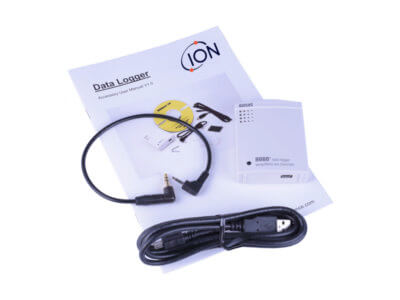 View image: MVI Data Logger
MVI Data Logger
|
A-869204 | Data logger for recording and downloading measurements from the MVI |
| Item | Part number | Description |
|---|---|---|
|
24V 3 way power supply
|
A-26228 | Replacement power supply for operating MVI |
|
24V 6 way power supply
|
A-26220 | Replacement power supply for operating MVI |
|
5 probes and pack of 50 Water Trap Filters
|
A-26017 | Replacement MVI probe kit containing five probes and 50 water-trap filters |
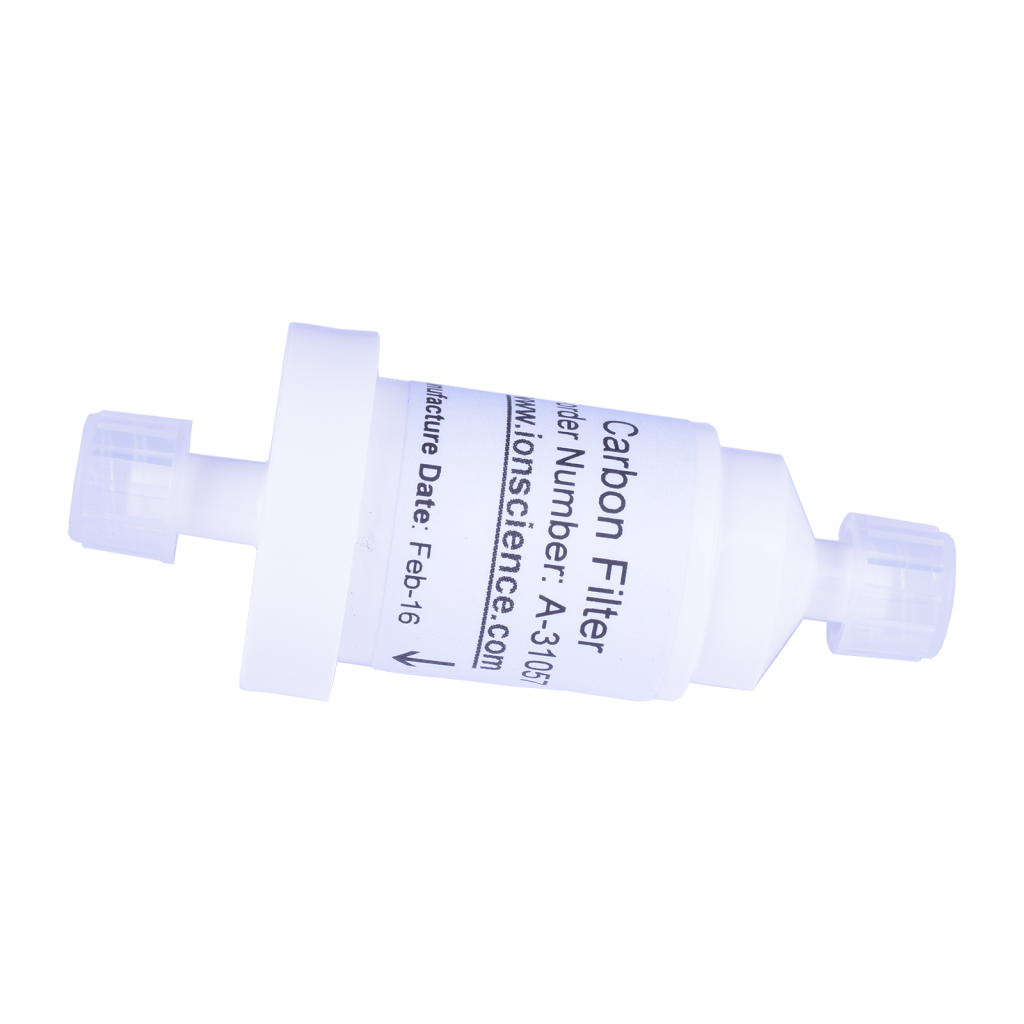 View image: Carbon Filter
Carbon Filter
|
A-31057 | Used with the MVI to absorb interfering background vapours and help zero the device in contaminated areas |
|
Probe and pack of 10 Water Trap Filters
|
A-26007 | Replacement 1.0-micron PTFE water-trap filter for protecting the MVI sample path |
|
Water Trap Filter PTFE 1.0micron
|
4/JLF-03 | Replacement 1.0-micron PTFE water-trap filter for protecting the MVI sample path |
 ARA-X4 Wearable Multi-Gas Detector
| Item | Part number | Description |
|---|---|---|
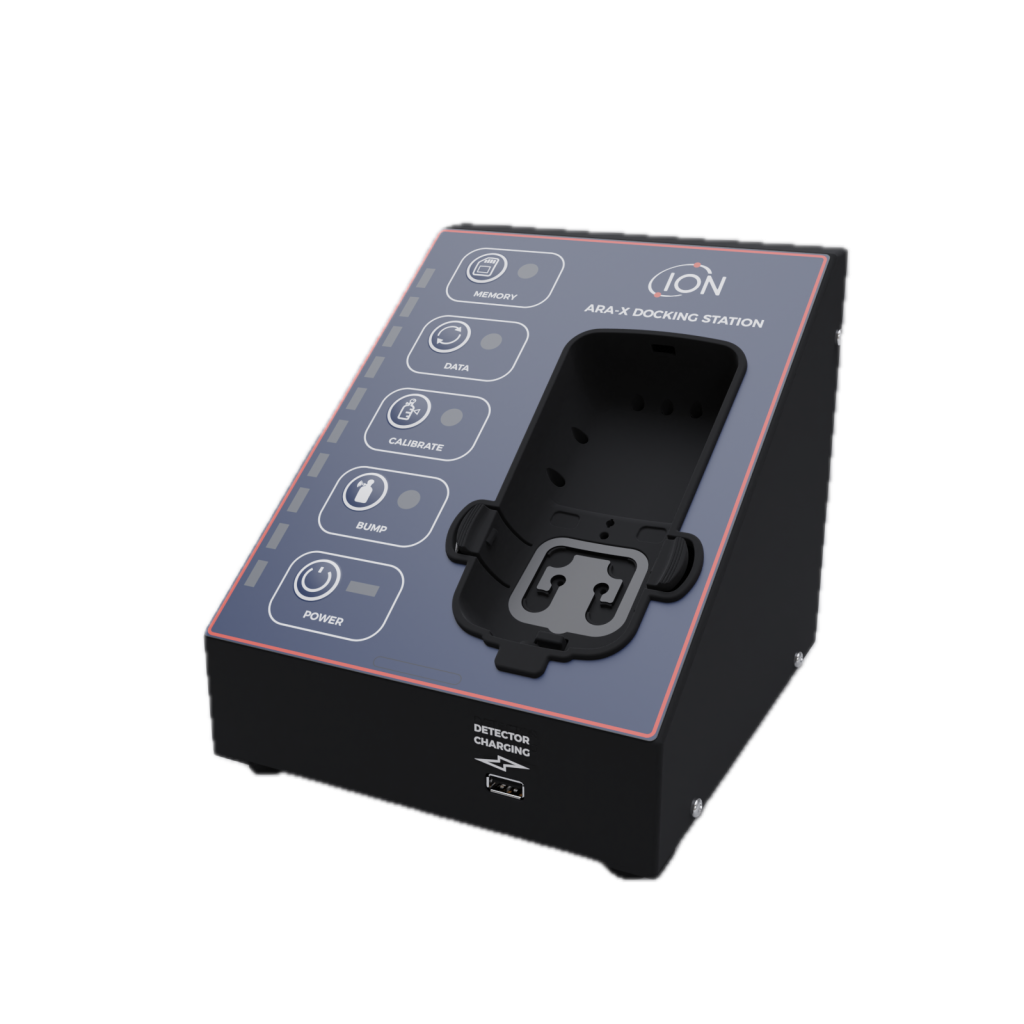 View image: ARA-X Docking Station
ARA-X Docking Station
|
926200 | Docking station for charging, bump testing and calibrating ARA-X4 |
 View image: ARA-X4 Car Charger
ARA-X4 Car Charger
|
926242 | Vehicle charger for powering or charging the ARA-X4 while travelling |
| Item | Part number | Description |
|---|---|---|
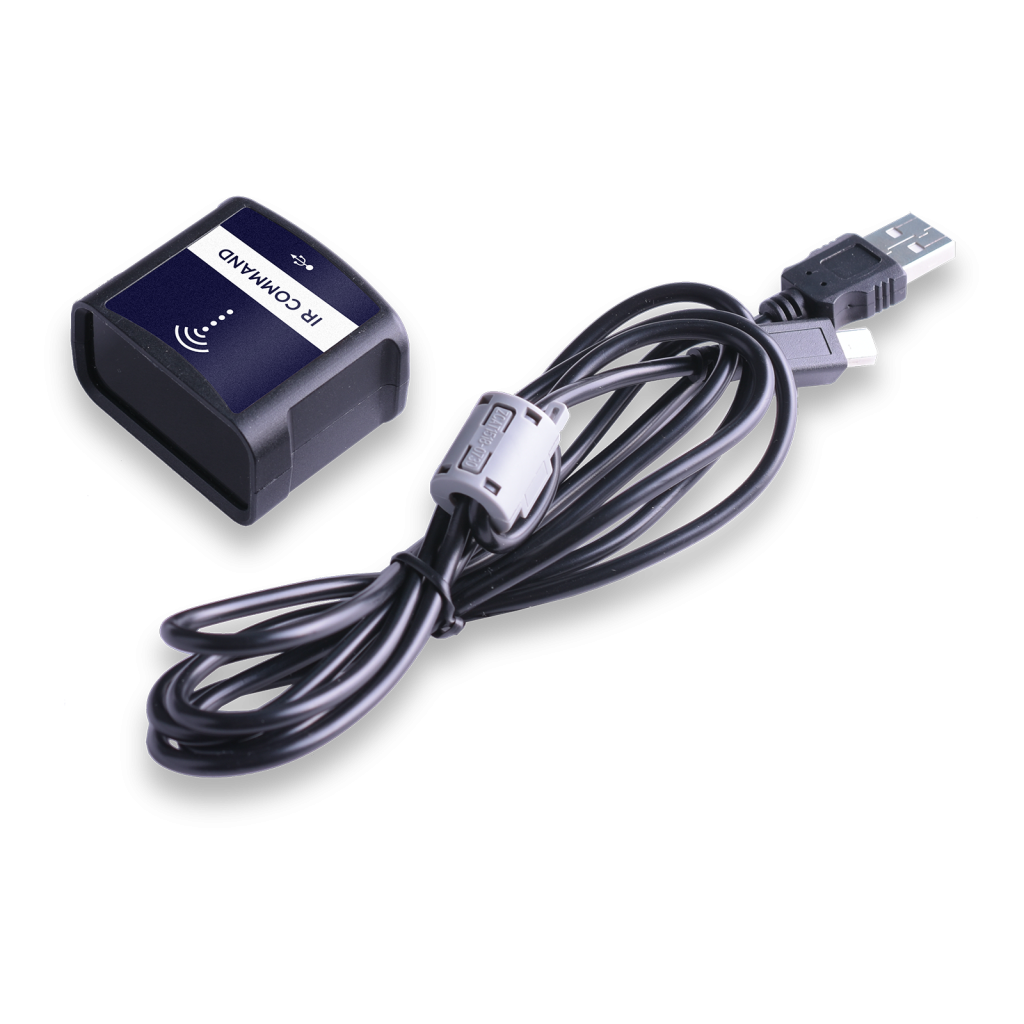 View image: ARA IR Link and USB Cable
ARA IR Link and USB Cable
|
908201 | Infrared communication link and USB cable for connecting compatible ARA range detectors to a computer |
 View image: ARA-X4 Calibration Cap
ARA-X4 Calibration Cap
|
926243 | Calibration cap for applying test gas during bump tests and calibration of the ARA-X4 |
|
ARA-X4 Filter Assembly (pack of 5)
|
926263 | Replacement filter assemblies for protecting the multi gas detector gas inlet from dust and debris |
|
ARA-X4 Gas Plate
|
926206 | Replacement gas plate for the ARA-X4 detector assembly |
|
ARA-X4 LCD
|
926249 | Replacement LCD screen for the multi gas detector |
|
ARA-X4 Screw Kit
|
926252 | Replacement screw set for servicing the multi gas detector enclosure |
 ARA H₂S Wearable Gas Detector
| Item | Part number | Description |
|---|---|---|
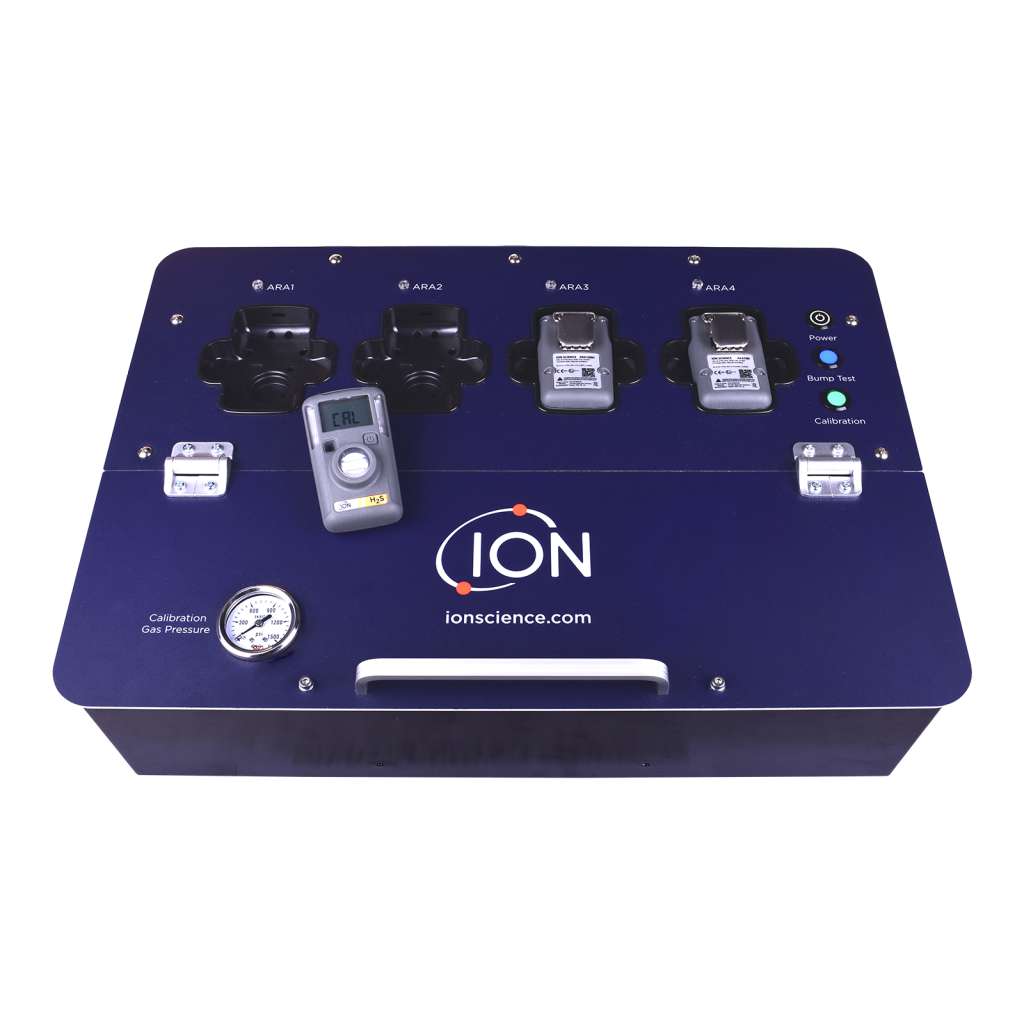 View image: ARA 4-Station Docking Station
ARA 4-Station Docking Station
|
ARADOCK4 | Four-station docking system for charging, bump testing and calibrating ARA detectors |
 View image: ARA DOCK4 Carry Case
ARA DOCK4 Carry Case
|
908223 | Protective carry case for transporting and storing the ARA DOCK4 docking station |
 View image: ARA DOCK4 Wall Mount Kit
ARA DOCK4 Wall Mount Kit
|
908224 | Wall-mounting kit for securely installing the ARA DOCK4 docking station |
| Item | Part number | Description |
|---|---|---|
 View image: ARA Calibration Cap
ARA Calibration Cap
|
908200 | Calibration cap for applying test gas during bump tests and calibration of the ARA Single Gas Range |
|
View image: ARA IR Link and USB Cable
ARA IR Link and USB Cable
|
908201 | Infrared communication link and USB cable for connecting compatible ARA range detectors to a computer |
 ARA CO Industrial Wearable Carbon Monoxide Detector
| Item | Part number | Description |
|---|---|---|
|
View image: ARA 4-Station Docking Station
ARA 4-Station Docking Station
|
ARADOCK4 | Four-station docking system for charging, bump testing and calibrating ARA detectors |
|
View image: ARA DOCK4 Carry Case
ARA DOCK4 Carry Case
|
908223 | Protective carry case for transporting and storing the ARA DOCK4 docking station |
|
View image: ARA DOCK4 Wall Mount Kit
ARA DOCK4 Wall Mount Kit
|
908224 | Wall-mounting kit for securely installing the ARA DOCK4 docking station |
| Item | Part number | Description |
|---|---|---|
|
View image: ARA Calibration Cap
ARA Calibration Cap
|
908200 | Calibration cap for applying test gas during bump tests and calibration of the ARA Single Gas Range |
|
View image: ARA IR Link and USB Cable
ARA IR Link and USB Cable
|
908201 | Infrared communication link and USB cable for connecting compatible ARA range detectors to a computer |
 ARA O₂ Industrial Wearable Oxygen Detector
| Item | Part number | Description |
|---|---|---|
|
View image: ARA 4-Station Docking Station
ARA 4-Station Docking Station
|
ARADOCK4 | Four-station docking system for charging, bump testing and calibrating ARA detectors |
|
View image: ARA DOCK4 Carry Case
ARA DOCK4 Carry Case
|
908223 | Protective carry case for transporting and storing the ARA DOCK4 docking station |
|
View image: ARA DOCK4 Wall Mount Kit
ARA DOCK4 Wall Mount Kit
|
908224 | Wall-mounting kit for securely installing the ARA DOCK4 docking station |
| Item | Part number | Description |
|---|---|---|
|
View image: ARA Calibration Cap
ARA Calibration Cap
|
908200 | Calibration cap for applying test gas during bump tests and calibration of the ARA Single Gas Range |
|
View image: ARA IR Link and USB Cable
ARA IR Link and USB Cable
|
908201 | Infrared communication link and USB cable for connecting compatible ARA range detectors to a computer |
 ARA SO₂ Wearable Sulfur Dioxide Gas Detector
| Item | Part number | Description |
|---|---|---|
|
View image: ARA 4-Station Docking Station
ARA 4-Station Docking Station
|
ARADOCK4 | Four-station docking system for charging, bump testing and calibrating ARA detectors |
|
View image: ARA DOCK4 Carry Case
ARA DOCK4 Carry Case
|
908223 | Protective carry case for transporting and storing the ARA DOCK4 docking station |
|
View image: ARA DOCK4 Wall Mount Kit
ARA DOCK4 Wall Mount Kit
|
908224 | Wall-mounting kit for securely installing the ARA DOCK4 docking station |
| Item | Part number | Description |
|---|---|---|
|
View image: ARA Calibration Cap
ARA Calibration Cap
|
908200 | Calibration cap for applying test gas during bump tests and calibration of the ARA Single Gas Range |
|
View image: ARA IR Link and USB Cable
ARA IR Link and USB Cable
|
908201 | Infrared communication link and USB cable for connecting compatible ARA range detectors to a computer |
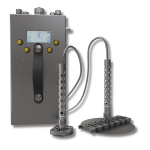 Hydrosteel 6500 Multipoint Hydrogen Flux Monitor
| Item | Part number | Description |
|---|---|---|
 View image: Handle – Probe
Handle – Probe
|
6500251 | Replacement handle for Hydrosteel 6500 probe assemblies |
|
Hydrosteel All Temp Stationary (AT-S) Probe
|
A-6500288 | All-temperature stationary probe for continuous measurements with the Hydrosteel 6500 |
|
Hydrosteel High Temp Stationary (HT-S) Probe
|
A-6500290 | High-temperature stationary probe for continuous measurements with the Hydrosteel 6500 |
| Item | Part number | Description |
|---|---|---|
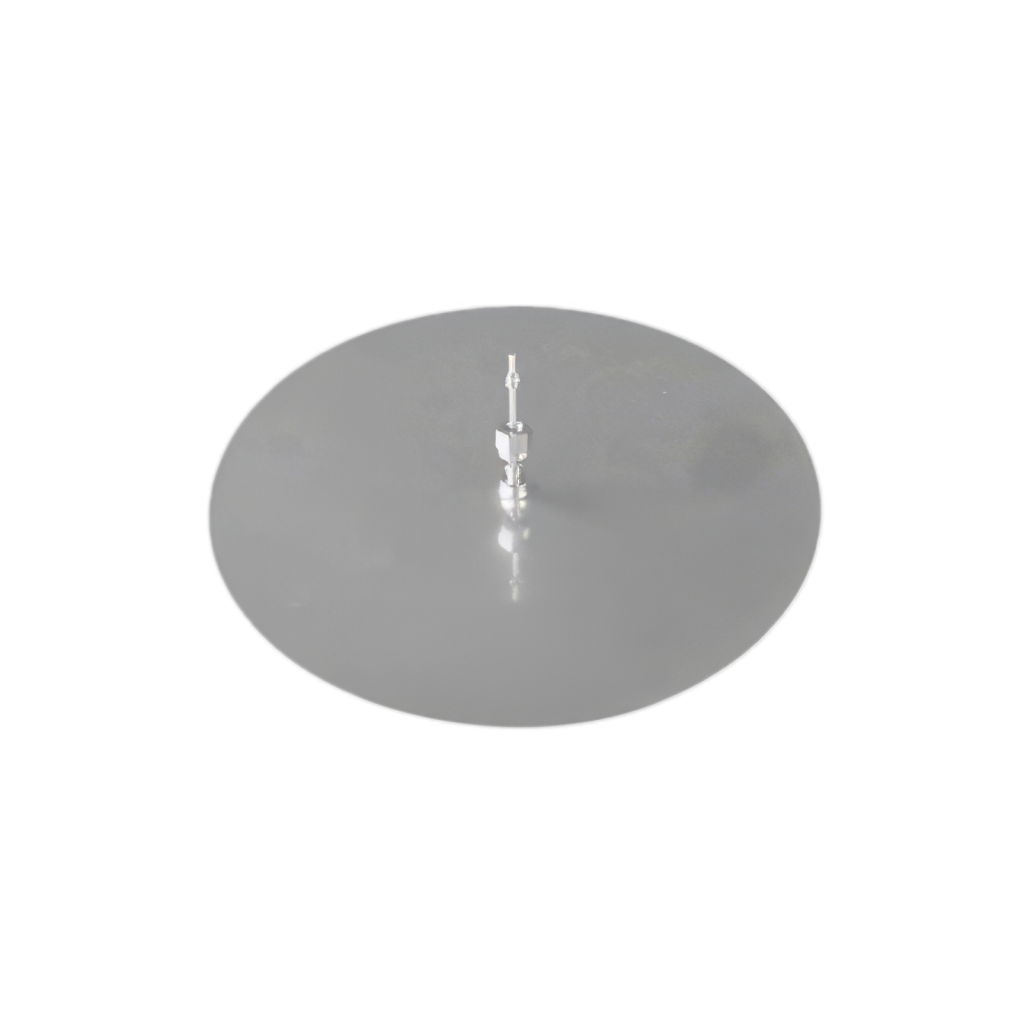 View image: Collector Plate Assembly – Large
Collector Plate Assembly – Large
|
A-6500261 | Replacement large collector plate assembly for use with the Hydrosteel 6500 probe |
|
Collector Plate Assembly – Small
|
A-6500262 | Replacement small collector plate assembly for use with the Hydrosteel 6500 probe |
|
Hydrosteel 6500 Carry Case
|
6500265 | Protective carry case for transporting and storing the Hydrosteel 6500 and its accessories |
 View image: Hydrosteel 6500 Leather Case
Hydrosteel 6500 Leather Case
|
6500266 | Protective leather case for carrying the Hydrosteel 6500 during field use |
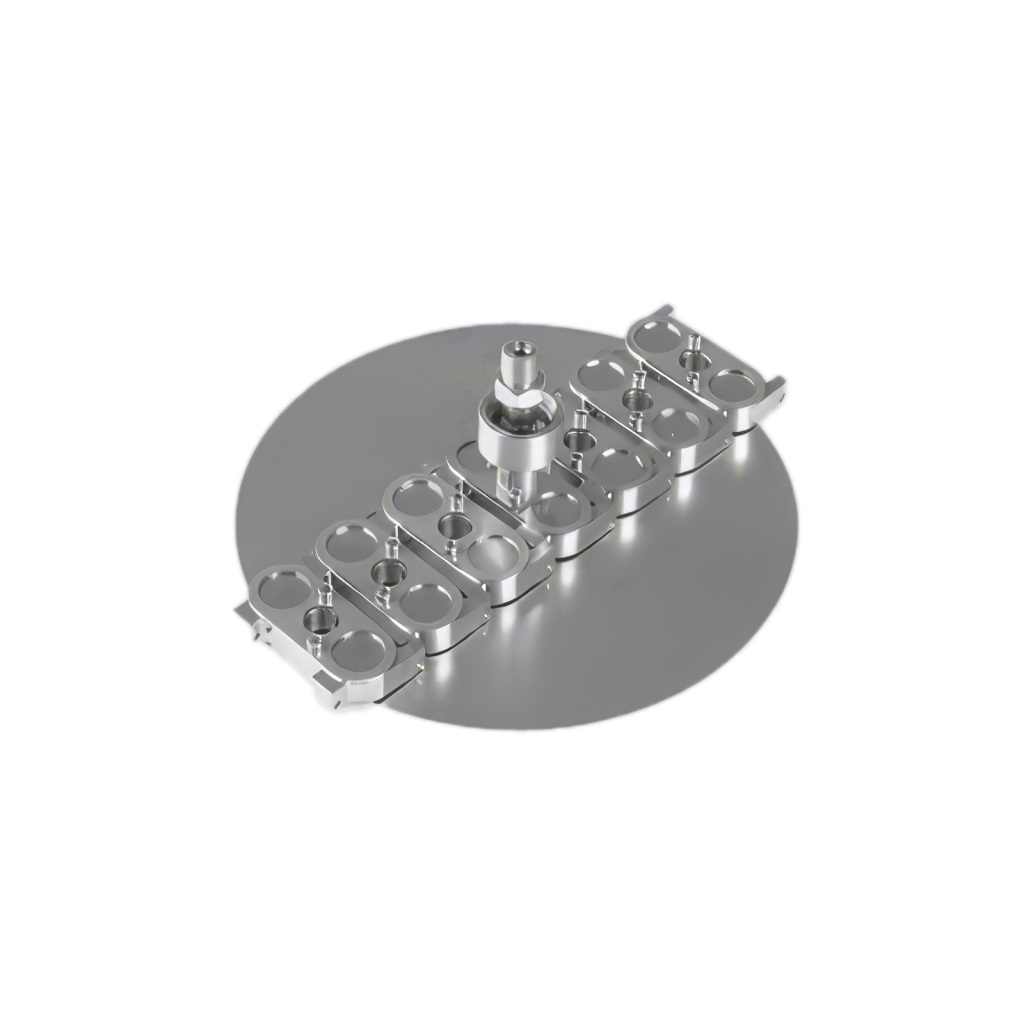 View image: Large Probe Assembly
Large Probe Assembly
|
A-6500256 | Replacement large probe assembly for the Hydrosteel 6500 |
|
Small Probe Assembly
|
A-6500257 | Replacement small probe assembly for the Hydrosteel 6500 |
 SF6 AreaCheck P2 Fixed SF6 Gas Detector
| Item | Part number | Description |
|---|---|---|
|
View image: CalCheck SF6
CalCheck SF6
|
A-21520 | Portable SF6 reference source for checking SF6 AreaCheck detector response |
| Item | Part number | Description |
|---|---|---|
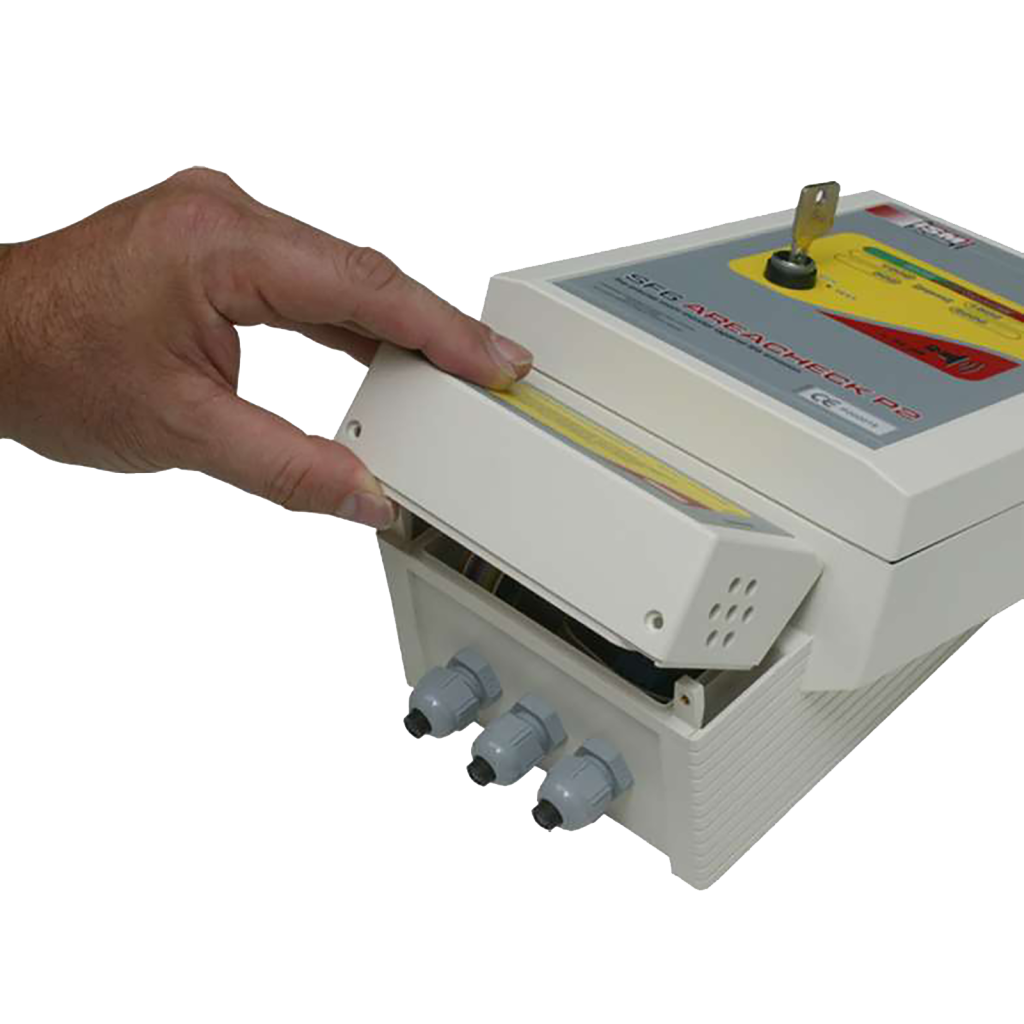 View image: P2 Smart Sensor Complete Assembly
P2 Smart Sensor Complete Assembly
|
23017 | Complete replacement smart sensor assembly for the SF6 AreaCheck P2 |
 View image: SF6 AreaCheck P2 RS232 Cable
SF6 AreaCheck P2 RS232 Cable
|
23095 | RS232 communication cable for connecting the SF6 AreaCheck P2 to compatible equipment |
No resources match your search.
Protect your investment with ION Science’s standard and extended warranty options. Registering your instrument within one month of purchase extends your warranty, giving you added confidence and support throughout the life of your product.
Warranty periods
To complete your warranty registration, you’ll need your instrument serial number. If you’re unsure where to find it, view our Instrument Serial Number Guide. For full warranty terms, conditions and coverage details, please read our Warranty Statement.