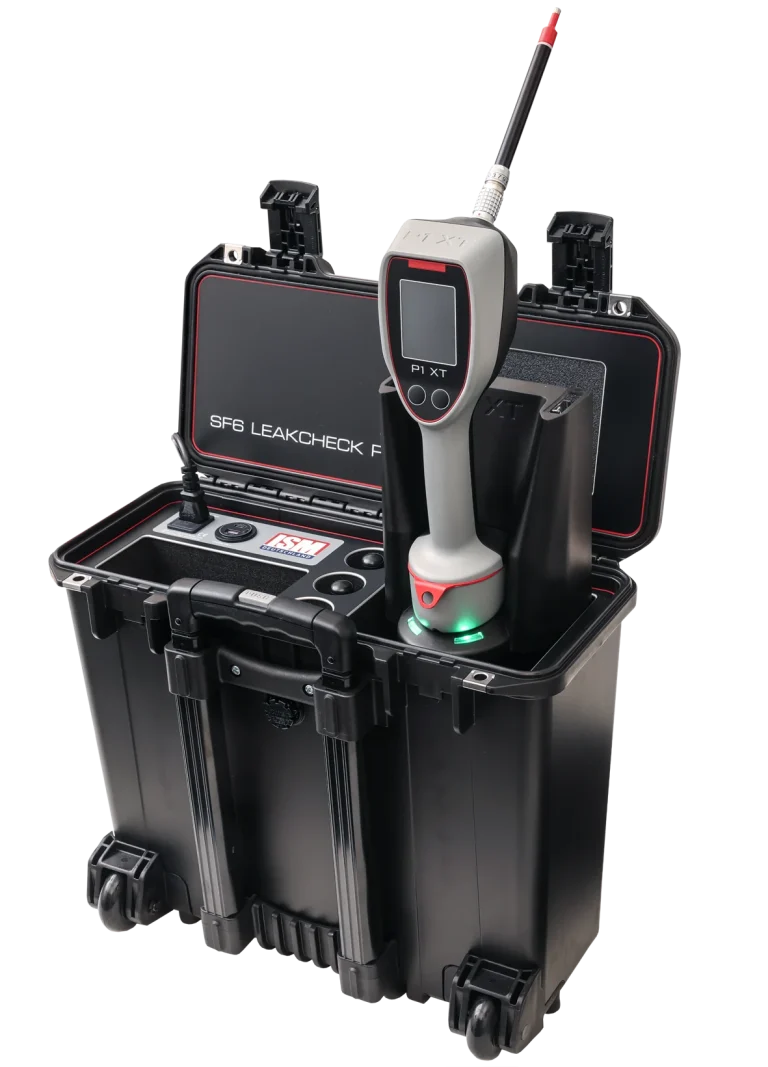
SF6 LeakCheck P1 XTL Portable Leak Detector
A portable SF6 leak detector for locating leaks and measuring their concentration, supporting detailed leak testing and equipment maintenance.
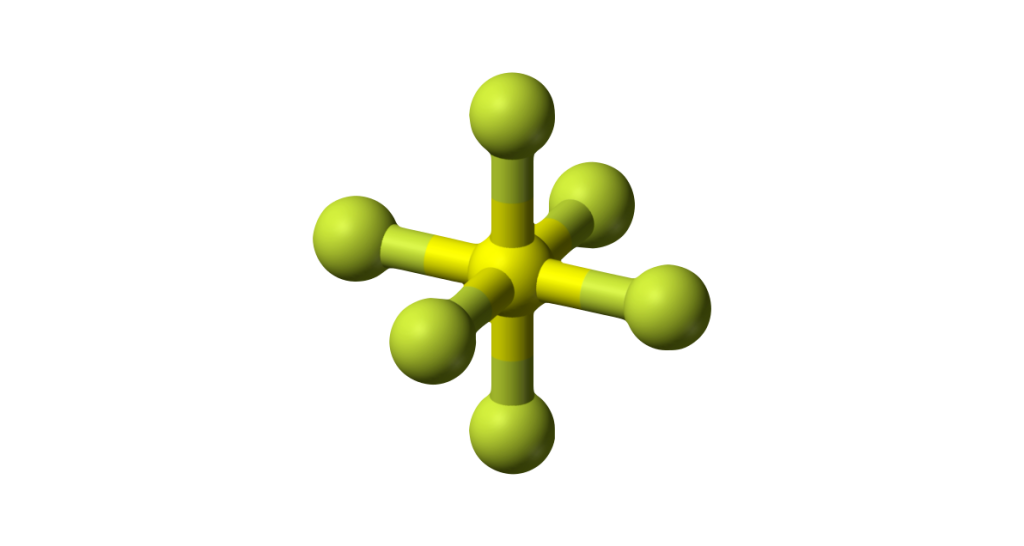
View product: SF6 LeakCheck P1 XTL Portable Leak DetectorSulfur hexafluoride (SF₆) is a colourless, odourless and non-flammable gas widely used as an insulating and arc-quenching medium in high-voltage electrical equipment. Its exceptional dielectric properties make it an ideal choice for gas-insulated switchgear (GIS), circuit breakers and substations, where reliable insulation is critical for safe operation.
Although SF₆ is chemically stable and non-toxic under normal operating conditions, it is one of the most potent greenhouse gases. Detecting and locating SF₆ leaks is essential for maintaining equipment performance, reducing environmental impact and supporting compliance with emissions regulations.
| Property | Value |
| Chemical Formula | SF6 |
| CAS Number | 2551-62-4 |
| Molecular Weight | 146.06 g/mol |
| Appearance | Colourless gas |
| Odour | Odourless |
| Flammability | Non-flammable |
| Relative Density | Heavier than air |
| Common Detection Technologies | Negative Ion Capture (NIC), Non-Dispersive Infrared (NDIR), Optical Gas Imaging (OGI) |
Sulfur hexafluoride is a synthetic gas used primarily as an electrical insulator in high-voltage power transmission and distribution equipment. Its excellent dielectric strength allows electrical systems to operate safely while reducing equipment size and improving reliability.
Because SF₆ has an extremely high global warming potential (GWP), even small leaks can have significant environmental implications. Routine leak detection helps operators identify losses early, minimise emissions and maintain the integrity of critical electrical infrastructure.
| Electrical Utilities | Power Generation | Renewable Energy |
| Monitor gas-insulated switchgear, substations and transmission equipment for leaks to maintain reliability and minimise emissions. | Detect SF₆ leaks from generators, circuit breakers and high-voltage electrical assets. | Support the maintenance of wind farms, solar installations and battery energy storage systems using SF₆-insulated equipment. |
| Electrical Equipment Manufacturing | Equipment Maintenance | Research and Testing |
| Verify the integrity of newly manufactured switchgear and electrical components before commissioning. | Locate leaks during routine inspections, servicing and condition monitoring programmes. | Monitor SF₆ during equipment development, testing and validation. |
SF₆ provides electrical insulation within gas-insulated switchgear, circuit breakers, substations and other high-voltage equipment. A loss of gas can reduce pressure or density and may affect the equipment’s insulating performance.
Early SF₆ leak detection allows maintenance teams to locate and repair the source before gas loss contributes to reduced reliability, equipment failure or an unplanned outage.
Sulfur hexafluoride is one of the most potent and long-lived greenhouse gases. Even a relatively small release can have a significant environmental impact.
Regular leak testing and prompt repair help electricity network operators reduce fugitive SF₆ emissions, improve gas management and support organisational carbon-reduction objectives.
Routine leak monitoring helps organisations meet environmental reporting requirements and asset management obligations.
Finding leaks before significant gas losses occur helps minimise downtime, reduce maintenance costs and extend equipment life.
SF₆ is a synthetic insulating gas widely used in high-voltage electrical equipment because of its excellent dielectric properties.
SF₆ provides high dielectric strength, allowing electrical equipment to be insulated effectively within a compact enclosure. It also helps extinguish electrical arcs during switching operations.
These properties have made SF₆ widely used in gas-insulated switchgear, circuit breakers and other electricity transmission and distribution assets.
Detecting leaks helps maintain equipment performance, reduce environmental emissions and support regulatory compliance.
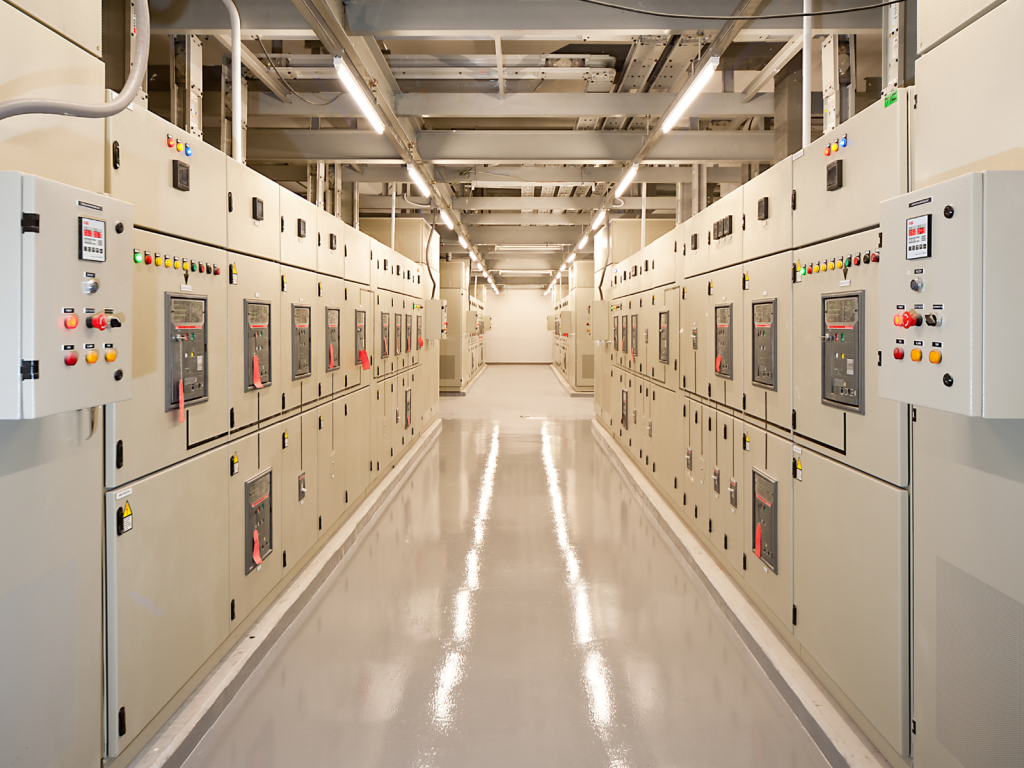
SF₆ is commonly found in gas-insulated switchgear (GIS), substations, circuit breakers, transformers and other high-voltage electrical equipment.
Pure SF₆ is generally considered non-flammable and to have low toxicity under normal operating conditions. However, it contains no oxygen and can displace air if released in an enclosed space, creating an asphyxiation hazard.
SF₆ exposed to electrical arcing can also form toxic and corrosive decomposition products. Maintenance involving contaminated equipment or used gas requires appropriate procedures, ventilation and personal protective equipment.
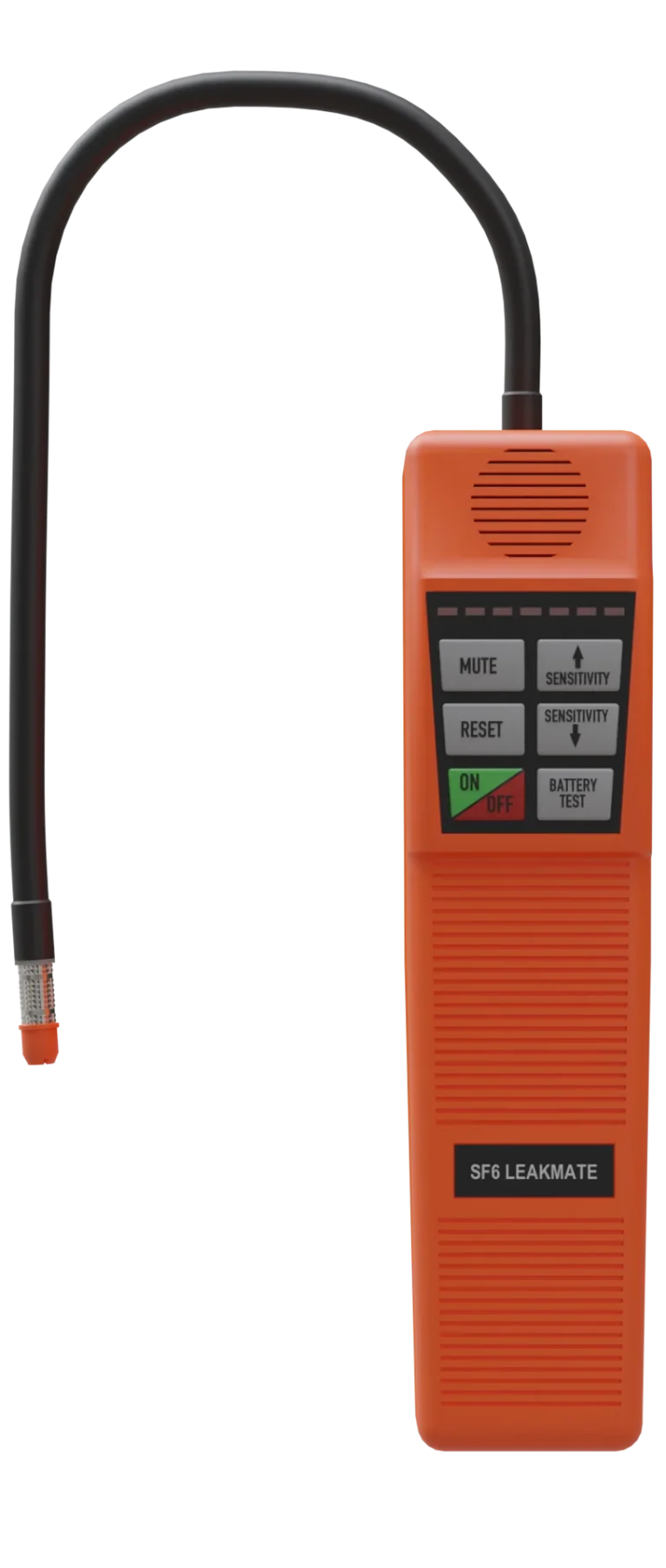
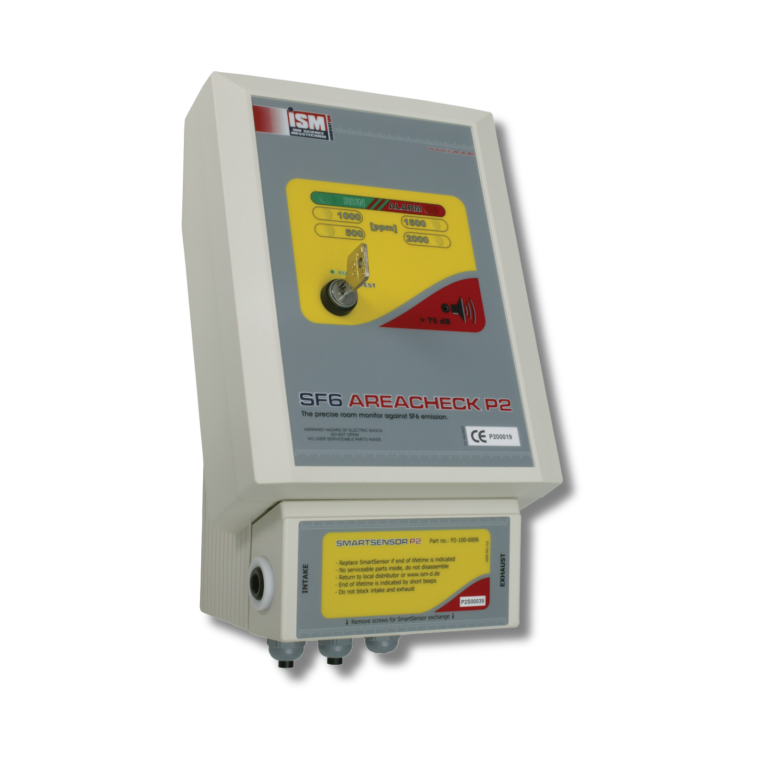
Portable SF₆ leak detectors are used to identify and locate leaks around electrical equipment quickly and accurately during maintenance and inspections.
Requirements vary according to the country, equipment type, quantity of SF₆ and whether pressure, density or automatic leakage-detection systems are installed.
In Great Britain, electrical switchgear containing more than 6 kg of SF₆ may require periodic leak checks unless a specified exemption applies. Equipment containing more than 22 kg must generally have a leakage-detection system. Operators should check the current requirements applicable to each asset and location.
Prompt repair helps prevent further gas loss, maintain insulating performance and reduce greenhouse-gas emissions. It can also reduce the cost of replacement SF₆ avoid repeated gas top-ups and lower the risk of equipment failure or an unplanned outage.
Applicable regulations may require an identified leak to be repaired without undue delay and the repair to be checked afterwards.
In Great Britain, the Workplace Exposure Limits for sulfur hexafluoride are:
These limits apply to occupational exposure to SF₆ and are published in the HSE’s EH40 guidance. Organisations elsewhere should consult the limits applicable within their country and industry.
The exposure limits do not address SF₆’s environmental impact. They should also not be used to assess oxygen deficiency or exposure to toxic and corrosive decomposition products that may form following electrical arcing.
Where a substantial SF₆ release could displace air, oxygen monitoring may also be required. Work involving used or fault-affected SF₆ equipment should follow specific procedures for managing decomposition products.
Whether you’re carrying out routine inspections, locating leaks or maintaining gas-insulated electrical equipment, our specialists can help you identify the most suitable SF₆ leak detection solution for your application.
Get in touch with the ION Science team to discuss your requirements, arrange a product demonstration or speak to one of our gas detection experts.