Trichloroethylene | CAS 79-01-6

Detecting Trichloroethylene

Trichloroethylene (C2HCl3) is a volatile organic compound (VOC) commonly used as an industrial solvent for degreasing, cleaning and vapour cleaning applications.

Effective trichloroethylene detection is essential in workplaces where exposure risks may occur, helping organisations monitor VOC levels and maintain safer working environments.

ION Science photoionisation detection (PID) technology provides accurate, real-time TCE gas detection, enabling users to identify leaks, monitor exposure and manage potential hazards associated with this widely used industrial chemical.

Gloved hands spray degreaser onto a bolt on a yellow metal component in an industrial workshop.

Trichloroethylene Properties

Property Value
Chemical Formula C2HCl3
CAS Number 79-01-6
Molecular Weight 131.39 g/mol
Appearance Colourless liquid 
Odour Mild, sweet odour
Flammability Non-flammable under normal conditions, but can produce hazardous vapours when heated or decomposed
Relative Density Heavier than air
Common Detection Technology Photoionisation detection (PID) technology

What is Trichloroethylene?

Trichloroethylene, also known as TCE or trichloroethene, is a chlorinated volatile organic compound that has historically been used as a powerful industrial solvent. Its chemical properties make it effective for removing oils, grease and contaminants from manufactured components.

Although many applications have reduced their reliance on trichloroethylene due to health and environmental concerns, it may still be encountered in industrial environments, including metal cleaning, manufacturing processes and maintenance operations.

Because TCE can evaporate easily at room temperature, monitoring airborne concentrations is important in workplaces where the chemical is stored, handled or used.

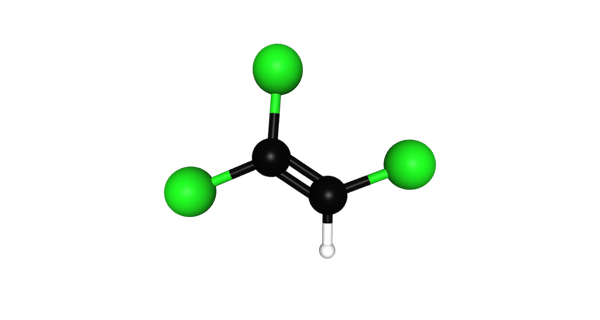
3D molecular model showing the chemical structure of trichloroethylene

Common Applications for Trichloroethylene Detection

Trichloroethylene detection is commonly required in environments where VOCs may be released during industrial processes, including:

Manufacturing & Industrial Processing Metal Fabrication and Engineering Chemical Processing
Monitoring solvent-based cleaning operations, component preparation and production areas where VOC emissions may occur.

Detecting TCE vapours during degreasing, surface preparation and equipment maintenance activities.

Supporting safe handling practices where chlorinated solvents are stored, transferred or used.
Environmental Monitoring & Consultancy
Identifying VOC contamination during site assessments, investigation and clean-up activities.

Why Detect Trichloroethylene?

Monitoring trichloroethylene levels helps organisations identify potential exposure risks, verify ventilation effectiveness and support workplace safety procedures.

As a volatile solvent, TCE can quickly evaporate into the surrounding air, creating the potential for employee exposure if appropriate controls are not in place. Real-time VOC monitoring allows users to identify changes in concentration and respond quickly to unexpected releases.

Trichloroethylene detection can support:

  • Workplace exposure assessments
  • Solvent handling safety procedures
  • Leak detection and investigation
  • Industrial hygiene monitoring
  • Maintenance and confined space assessments

Health Effects of Trichloroethylene Exposure

Exposure to trichloroethylene can occur through inhalation of vapours, skin contact or accidental ingestion. The potential health effects depend on factors including the concentration, duration and frequency of exposure. 

Short-Term (Acute) Exposure

Long-Term (Chronic) Exposure

Exposure to elevated concentrations may cause symptoms such as: Repeated or prolonged exposure has been associated with:
  • Headaches
  • Dizziness or light-headedness
  • Drowsiness and fatigue
  • Nausea
  • Confusion or reduced coordination
  • Eye, skin and respiratory irritation
  • Effects on the central nervous system
  • Potential liver and kidney damage
  • Skin sensitisation or irritation
  • Increased risk of certain cancers, including kidney cancer

Effective trichloroethylene monitoring helps identify elevated VOC levels and supports workplace exposure control measures.

Workplace Exposure Limits of Trichloroethylene

Standard Limit
UK EH40 WEL (8-hour TWA) 100 ppm
UK EH40 WEL (15-minute STEL) 150 ppm
OSHA PEL (8-hour TWA) 100 ppm
NIOSH REL (8-hour TWA) 25 ppm

Exposure limits are provided for guidance and were checked against the relevant regulatory sources in August 2026. Always refer to the latest published guidance from the relevant authority.

Sources: EH40/2005 Workplace exposure limits; OSHA Table Z-1-Limits for Air Contaminants; NIOSH Pocket Guide to Chemical Hazards

How is Trichloroethylene Detected?

Trichloroethylene is commonly detected using photoionisation detection (PID) technology. PIDs use an ultraviolet lamp to ionise VOC molecules, allowing the instrument to measure their concentration in real time.

PID technology is well suited to trichloroethylene monitoring because it provides:

  • Rapid response to changing VOC concentrations
  • Sensitive detection at low ppm levels
  • Real-time measurements for workplace assessments
  • Portable and fixed monitoring options

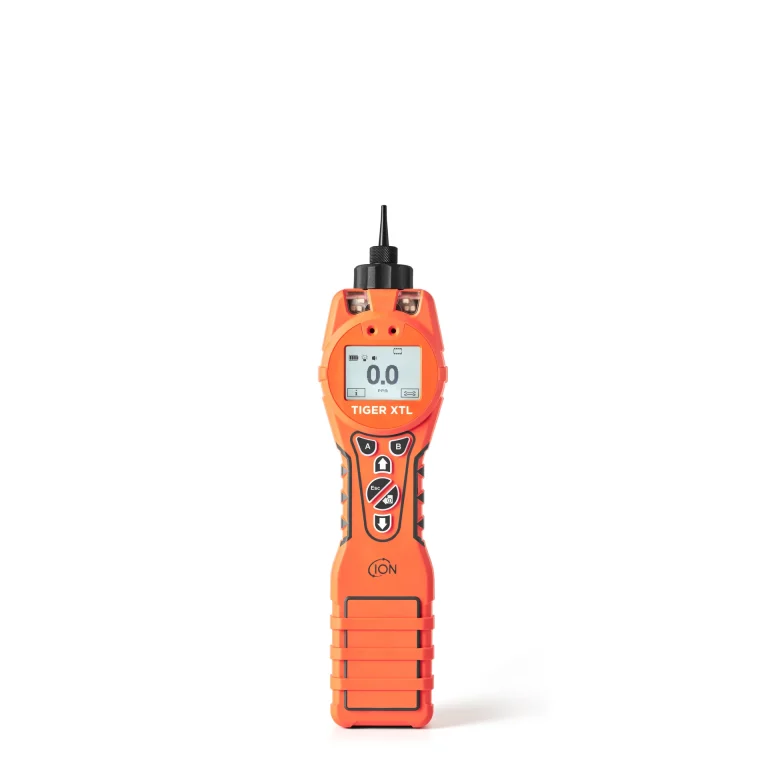
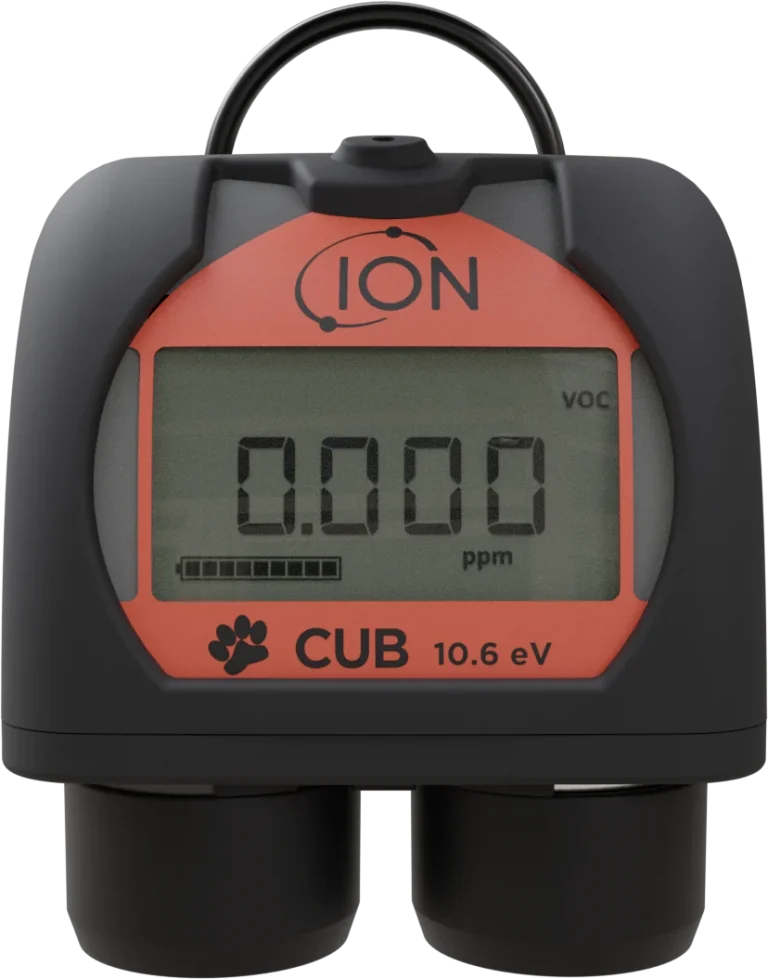
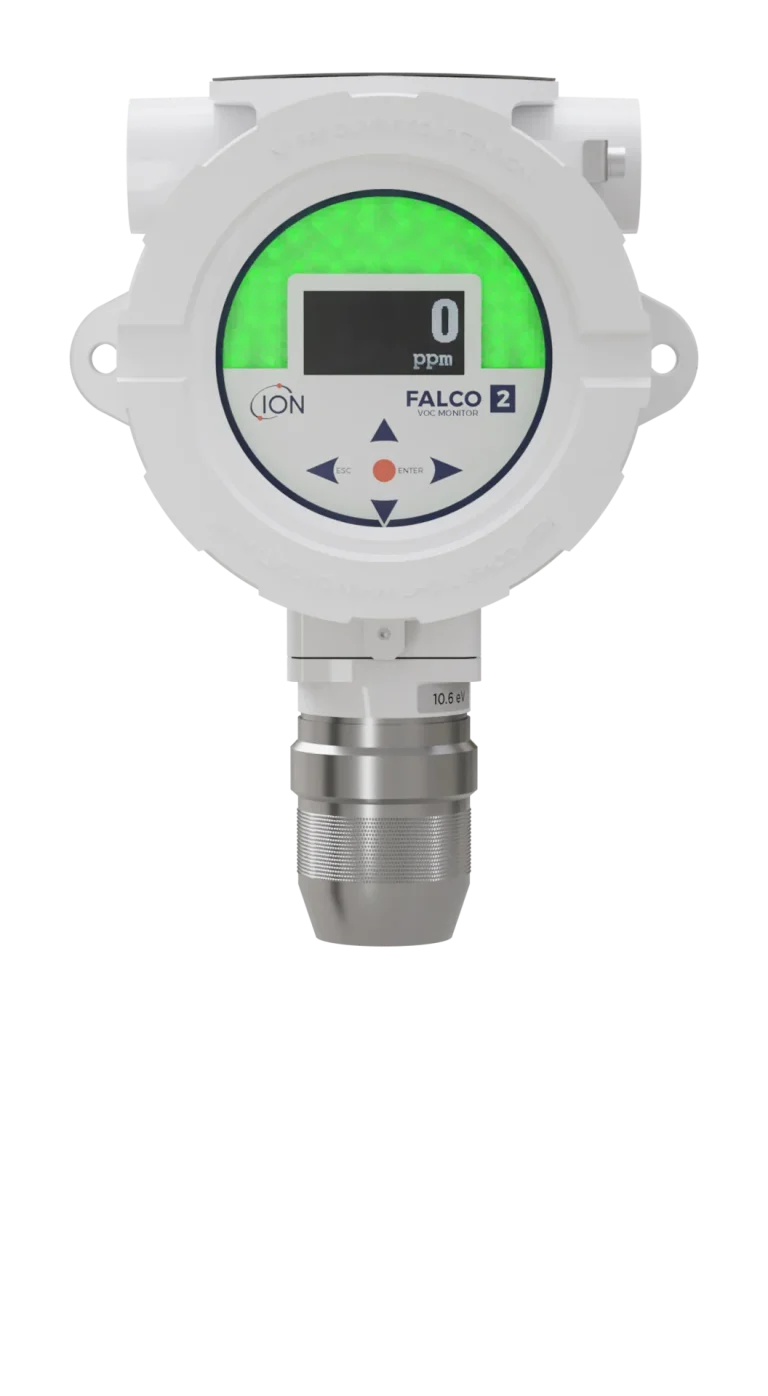
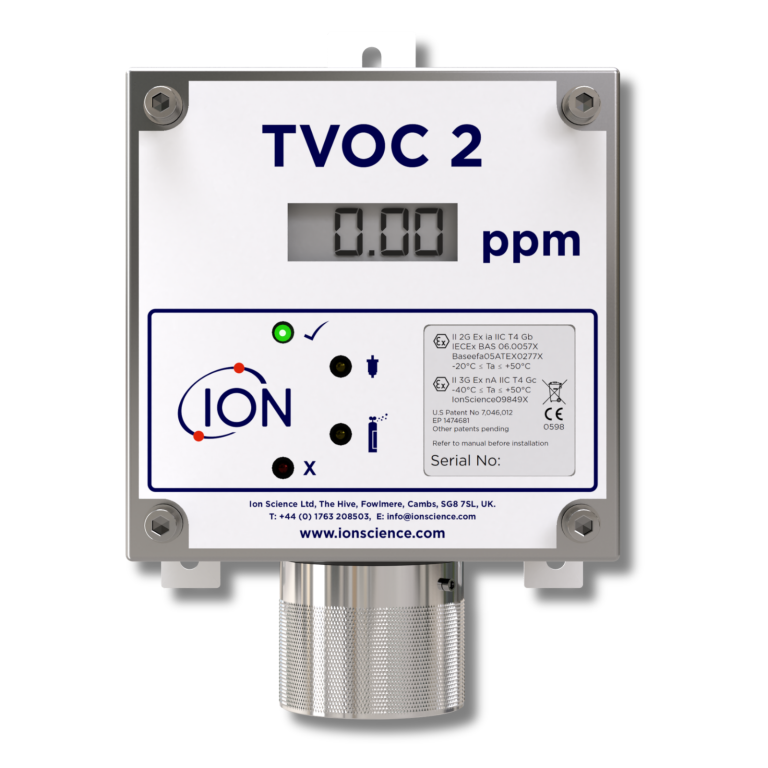
When selecting a trichloroethylene detector, considerations should include required sensitivity, environmental conditions, monitoring requirements and whether personal, portable or area monitoring is required.

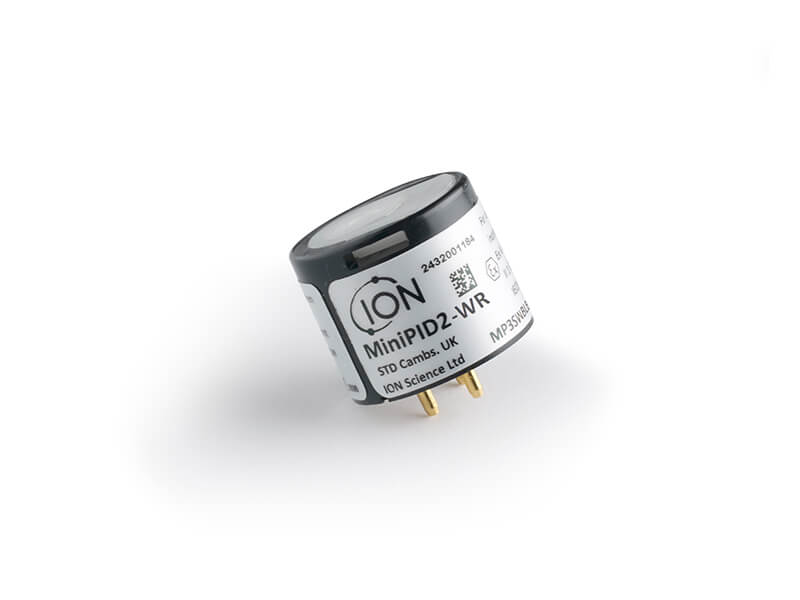
ION Science MiniPID 2 PPB photoionisation sensor for low-level VOC detection.

Frequently Asked Questions about Trichloroethylene

Trichloroethylene is a colourless, volatile chlorinated solvent with the chemical formula C₂HCl₃ and CAS number 79-01-6. It is commonly abbreviated to TCE and is also known as trichloroethene.

Trichloroethylene has historically been used extensively for metal cleaning, industrial degreasing, vapour degreasing and solvent-extraction processes.

Its use is now heavily controlled or restricted in many countries because of its health and environmental hazards. Certain specialist industrial uses continue where the necessary regulatory authorisation and control measures are in place.

Some specialist uses of trichloroethylene continue under UK REACH authorisation. Businesses must establish whether their intended use is permitted and comply with the conditions of any applicable authorisation.

The regulatory position can change, so organisations should consult current HSE and UK REACH guidance rather than relying on historic use information.

Yes. Trichloroethylene is classified as a volatile organic compound (VOC) due to its ability to evaporate into the air at room temperature.

Trichloroethylene is classified as a carcinogen and can be absorbed through inhalation and skin contact. Exposure may affect the eyes, skin, central nervous system, heart, liver and kidneys.

Short-term exposure to elevated concentrations can cause headaches, dizziness, drowsiness, nausea and visual disturbance. Workplaces must prevent or adequately control exposure wherever TCE is used or may be present.

Yes. Photoionisation detectors can detect trichloroethylene because it has an ionisation potential below the energy output of commonly used PID lamps, including 10.6 eV lamps.

PID-based VOC detectors are commonly used for trichloroethylene monitoring due to their sensitivity, fast response and ability to provide real-time measurements.

Real-time monitoring allows organisations to identify changing VOC concentrations quickly, helping support exposure management and workplace safety procedures.

In Great Britain, the Workplace Exposure Limits for trichloroethylene are:

  • 100 ppm as an eight-hour time-weighted average
  • 150 ppm as a 15-minute short-term exposure limit

TCE also carries carcinogen and skin notations in EH40. Under COSHH, exposure to carcinogens must be reduced to as low as is reasonably practicable, in addition to remaining below the applicable exposure limit.

Current values should be checked in the HSE’s EH40 Workplace Exposure Limits. Organisations elsewhere should consult the regulations and limits applicable within their country.

Need a Trichloroethylene Detection Solution?

From personal VOC monitoring to fixed-area detection, ION Science provides PID technology designed to help industries identify and manage trichloroethylene exposure risks.

Contact our team to discuss your trichloroethylene detection requirements and find the right VOC monitoring solution for your application.

Contact ION Science

Loading enquiry form…

Contact ION Science

Loading enquiry form…

Newsletter sign up

Loading enquiry form…

Warranty registration

Loading enquiry form…

Contact support

Loading enquiry form…