Propene | CAS 115-07-1

Detecting Propene

Propene (C3H6), also known as propylene, is a highly flammable hydrocarbon gas widely used in the petrochemical industry as a feedstock for producing polypropylene plastics, synthetic chemicals and fuel gases. 

It is also used in high-velocity oxygen fuel (HVOF) processes and metalworking applications.

Effective propene detection is essential wherever the gas is manufactured, stored or used, helping organisations identify leaks and maintain safe working environments. 

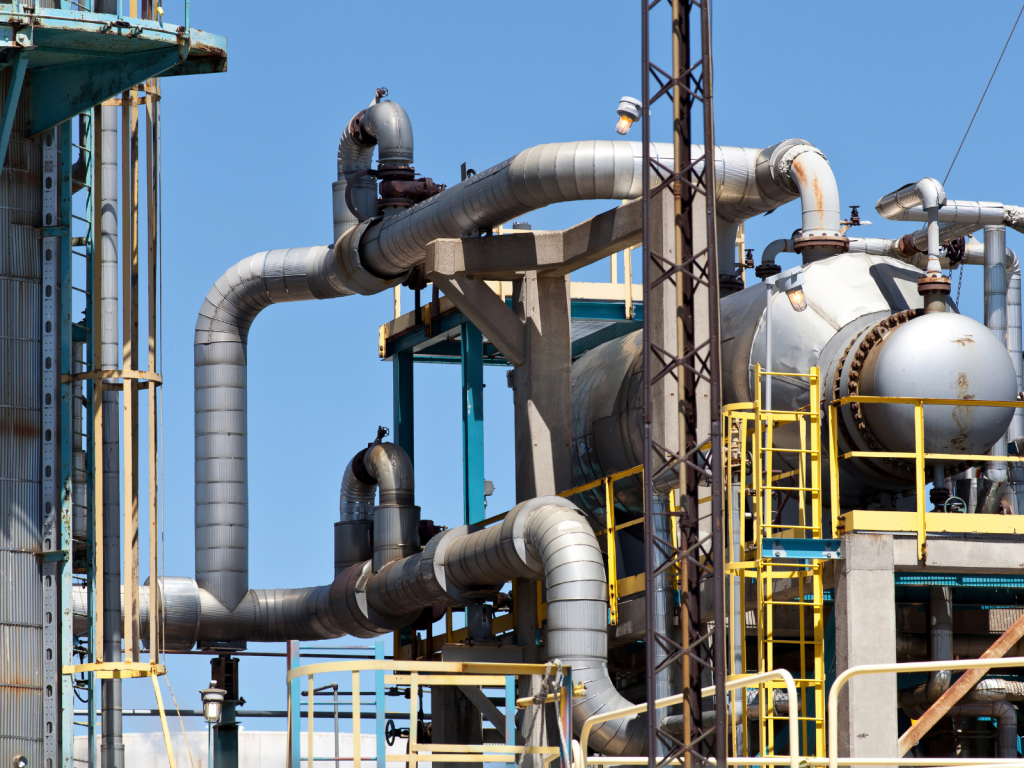
Industrial facility with large metal pipes and ducts, a tall support frame, and yellow handrails connecting equipment and pressure tanks against a clear blue sky.

Propene Properties

Property Information
Chemical formula C₃H₆
CAS number 115-07-1
Molecular weight 42.08 g/mol
Appearance Colourless gas
Odour Mild petroleum-like odour
Flammability Extremely flammable gas
Relative density Heavier than air 
Common detection technology Photoionisation detection (PID) technology

What is Propene?

Propene (propylene) is an unsaturated hydrocarbon belonging to the alkene family. It is one of the most important chemical feedstocks used by the petrochemical industry and is primarily produced during petroleum refining and steam cracking processes. It can also be manufactured through propane dehydrogenation and other dedicated production methods.

The majority of global propene production is used to manufacture polypropylene, one of the world’s most widely used plastics. It is also used in the production of chemicals such as propylene oxide, acrylonitrile and cumene, as well as fuel gas applications including HVOF thermal spraying. Due to its high flammability, reliable propene gas detection is essential where the gas is processed, transported or stored.

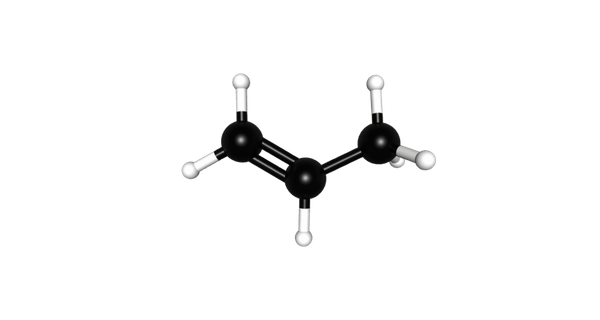
3D molecular model showing the chemical structure of propene

Common Applications for Propene Detection

Propene detection is commonly required in industries where the gas is manufactured, processed, transported or used.

Oil & Gas Chemical & Petrochemical Manufacturing & Industrial Processing

Monitoring propene during petroleum refining, hydrocarbon processing and storage operations. Gas detection supports leak investigation, maintenance activities and workplace safety across upstream, midstream and downstream facilities.

Supporting the manufacture, storage and transfer of propene used as a feedstock for polypropylene, propylene oxide and other industrial chemicals. Continuous monitoring helps identify leaks and maintain process safety.

Monitoring facilities producing plastics, packaging materials, synthetic fibres and other products derived from propene.
Research & Laboratory Metal Fabrication and Thermal Spraying
Monitoring propene during analytical testing, product development and chemical research involving hydrocarbon gases.

Detecting propene used as a fuel gas in high-velocity oxygen fuel (HVOF) coating applications and other industrial heating processes.

Why Detect Propene?

Monitoring propene concentrations helps organisations identify gas leaks, support process safety and reduce fire and explosion risks.

As an extremely flammable gas, propene can quickly form explosive atmospheres if released. Real-time propene gas monitoring enables operators to detect leaks early, verify the effectiveness of engineering controls and respond rapidly to unexpected releases.

Propene detection can support:

  • Gas leak detection and investigation
  • Industrial process safety
  • Fire and explosion risk management
  • Maintenance and shutdown activities
  • Confined space entry assessments
  • Environmental and workplace monitoring

Health Effects of Propene Exposure

Exposure to propene primarily occurs through inhalation of airborne gas. The potential health effects depend on the concentration, duration and the reduction of available oxygen in the surrounding atmosphere.

Short-Term (Acute) Exposure

Long-Term (Chronic) Exposure

Short-term exposure to elevated concentrations of propene may cause:
  • Dizziness
  • Drowsiness
  • Headaches
  • Reduced alertness
  • Sedation at high concentrations
  • Loss of consciousness at very high concentrations

Long-term health effects from occupational exposure are not well established. However, repeated exposure to oxygen-deficient atmospheres or uncontrolled releases can present serious safety risks.

Appropriate ventilation, leak prevention measures and reliablepropene gas monitoring solutions are essential to minimise workplace hazards.

Workplace Exposure Limits for Propene

Workplace exposure limits for propene vary between regulatory bodies and regions. These limits provide guidance on acceptable airborne concentrations over defined periods.

Standard Limit
UK EH40 WEL No specific workplace exposure limit established

Exposure limits are provided for guidance and were checked against the relevant regulatory sources in August 2026. Always refer to the latest published guidance from the relevant authority.

Sources: EH40/2005 Workplace exposure limits;

Note: As propene is primarily considered a flammability and asphyxiation hazard rather than a toxic gas, gas detection should be incorporated into wider process safety and confined space monitoring programmes.

How is Propene Detected?

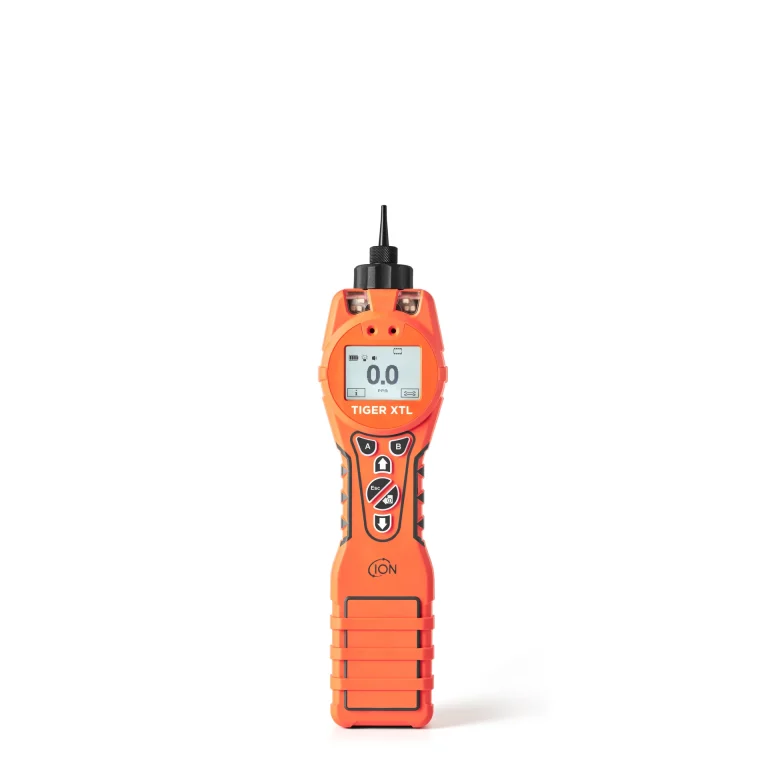
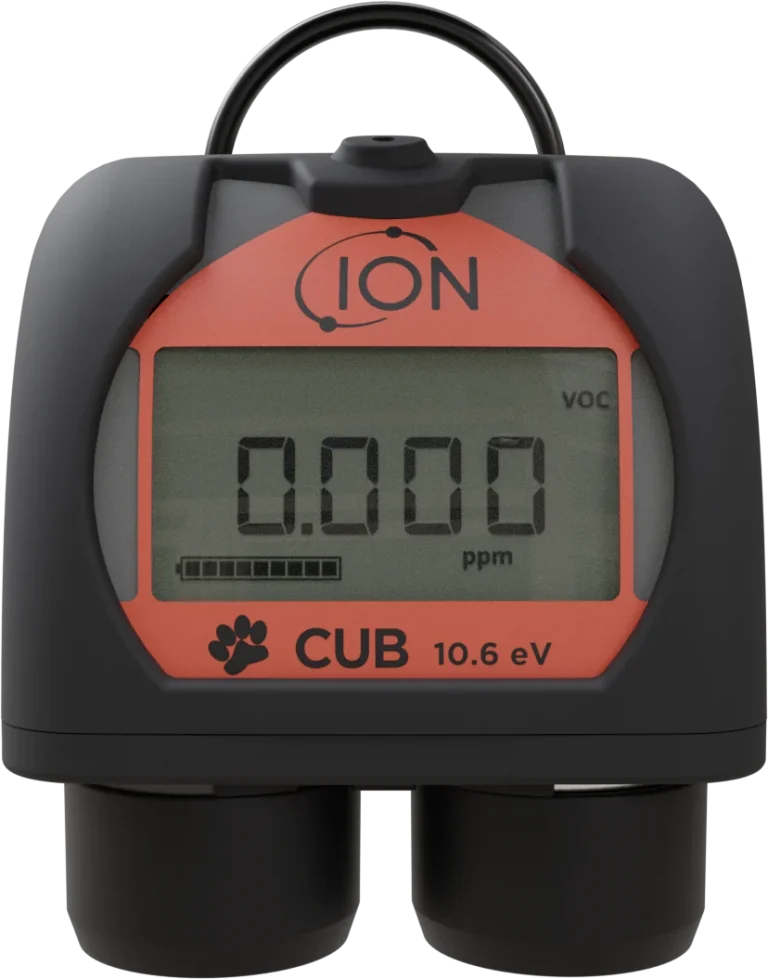
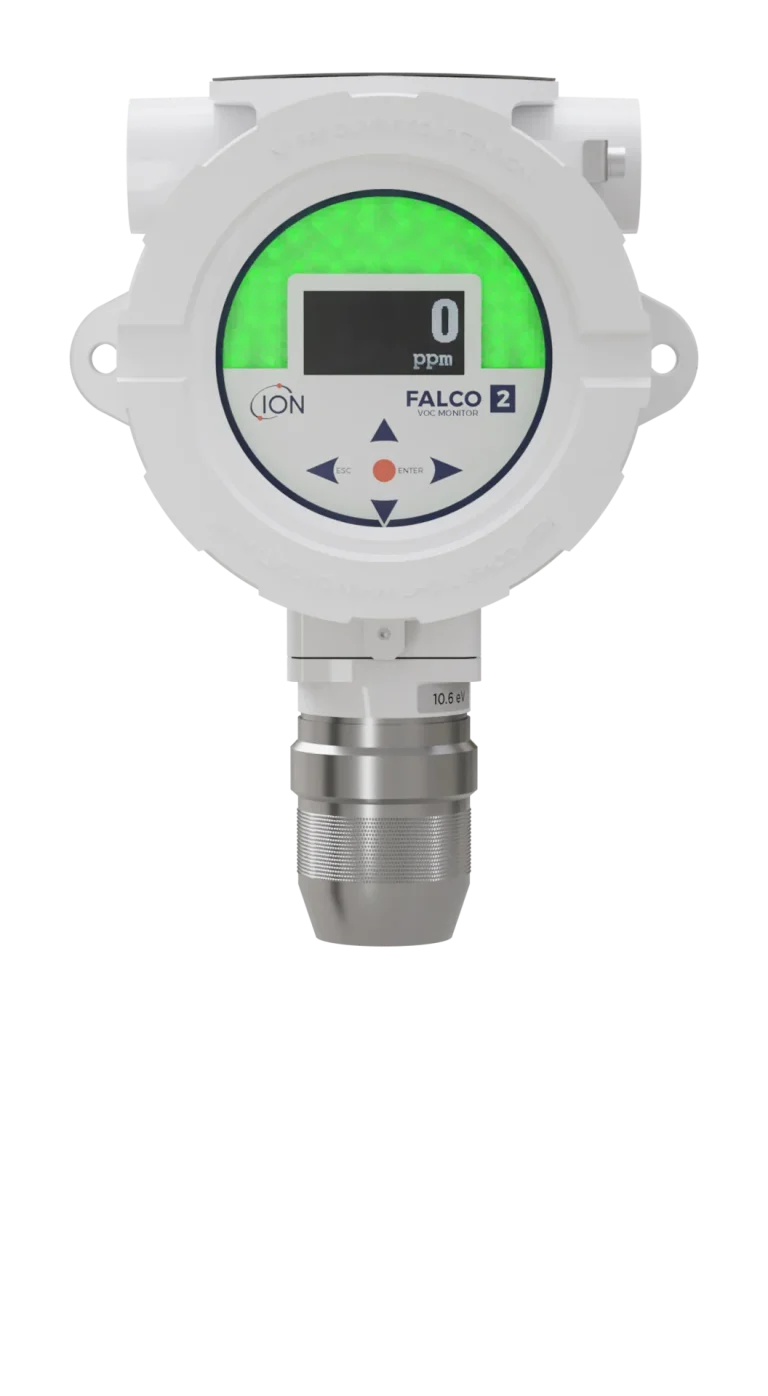
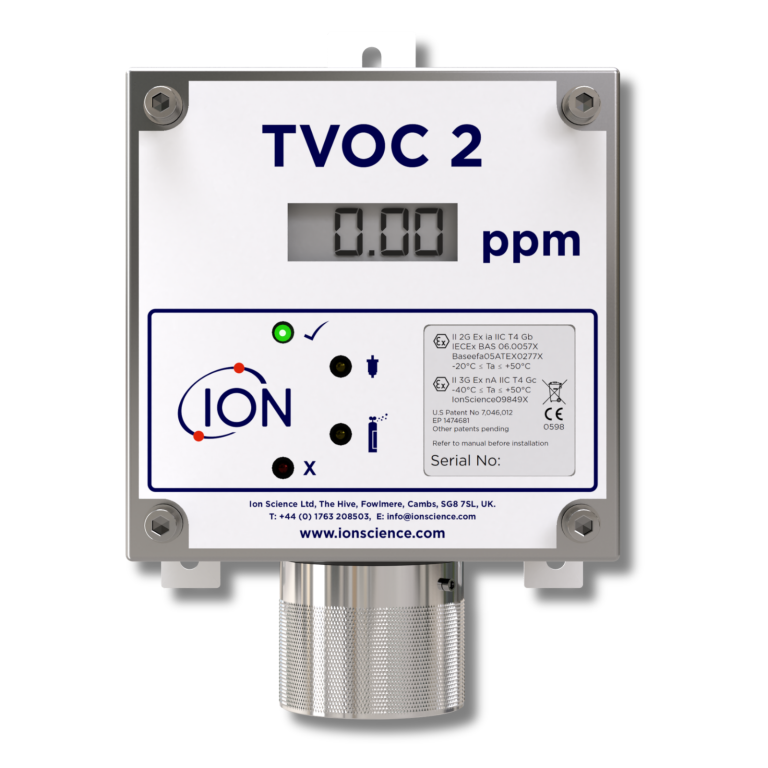
Propene can be detected using photoionisation detection (PID) technology for leak detection and VOC monitoring. PID instruments provide rapid indication of propene releases, making them suitable for industrial leak investigation and workplace monitoring.

PID technology offers:

  • Rapid response to gas leaks
  • Portable and fixed monitoring options
  • Real-time measurements
  • Reliable leak investigation capability

When selecting a propene detector, considerations should include the application, expected concentration range, environmental conditions and monitoring objectives.

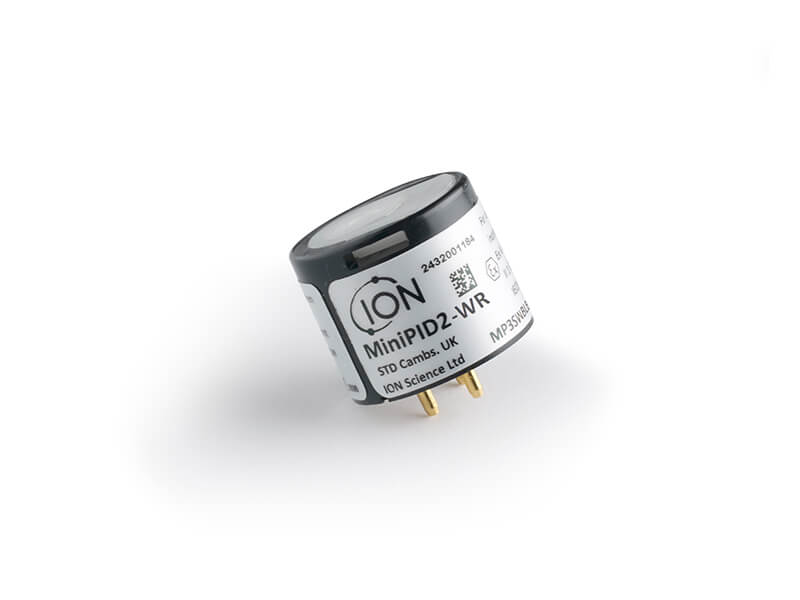
ION Science MiniPID 2 PPB photoionisation sensor for low-level VOC detection.

Frequently Asked Questions about Propene

Propene is primarily used to manufacture polypropylene, one of the world’s most widely used plastics. It is also used to produce chemical intermediates including propylene oxide, acrylonitrile, cumene, acrylic acid and industrial alcohols.

Propene can also be used as a fuel gas for industrial heating, metal cutting and high-velocity oxy-fuel (HVOF) thermal-spraying applications.

Propene may be present at petrochemical plants, oil refineries, polymer-manufacturing facilities, chemical-processing sites, bulk storage terminals and other workplaces where it is produced, stored, transferred or used.

Potential exposure or release points include process equipment, storage vessels, pipelines, valves, pumps, compressors and loading or unloading operations.

Yes. Propene is classified as an extremely flammable gas and can form explosive mixtures with air. Because propene vapour is heavier than air, a release may travel or accumulate in low-lying, enclosed or poorly ventilated areas, creating a fire or explosion hazard.

Propene has relatively low acute toxicity, but high airborne concentrations can displace oxygen and create an asphyxiation hazard, particularly in confined or poorly ventilated spaces. Exposure to very high concentrations may also cause dizziness, drowsiness or loss of consciousness.

Contact with liquefied propene can cause cold burns or frostbite. The principal industrial hazards associated with propene are its extreme flammability, storage under pressure and potential to displace oxygen.

The appropriate detection technology depends on the purpose of the monitoring. Photoionisation detectors can be used to measure propene at parts-per-million (ppm) concentrations, while suitably selected flammable gas detectors are used to assess fire and explosion risks. Oxygen monitoring may also be required where a propene release could create an oxygen deficient atmosphere.

Monitoring requirements should be determined through a workplace risk assessment that considers the expected concentration, other gases present and the environment in which the instrument will be used.

Low-level monitoring can help identify fugitive emissions, leaks and changes in process conditions before concentrations become more significant. Early detection can support worker protection, leak investigation, maintenance activities and the reduction of uncontrolled emissions.

Yes. Propene vapour is heavier than air and may collect in low-lying or poorly ventilated spaces following a release. It can displace oxygen and create both asphyxiation and explosion hazards.

Confined-space entry requires a suitable risk assessment and monitoring strategy covering all relevant hazards, which may include volatile gases, flammability and oxygen concentration.

Propene and propane are different gases. Propene, or propylene, has the formula C₃H₆ and contains a carbon-carbon double bond. Propane has the formula C₃H₈ and is commonly used as a fuel.

Both gases are extremely flammable, but their chemical properties, industrial uses and detector responses differ. The correct gas must therefore be selected when configuring, calibrating or interpreting gas-monitoring equipment.

Need a Propene Detection Solution?

From portable leak detection to continuous fixed-area monitoring, ION Science provides gas detection solutions designed to help industries identify and manage propene hazards.

Contact our team to discuss your propene detection requirements and find the right gas monitoring solution for your application.

Contact ION Science

Loading enquiry form…

Contact ION Science

Loading enquiry form…

Newsletter sign up

Loading enquiry form…

Warranty registration

Loading enquiry form…

Contact support

Loading enquiry form…