Oil and Gas 

Gas detectors and leak detectors in the oil and gas industry are imperative for worker, asset and environmental protection.

Monitoring Gas Hazards Across Oil and Gas Operations

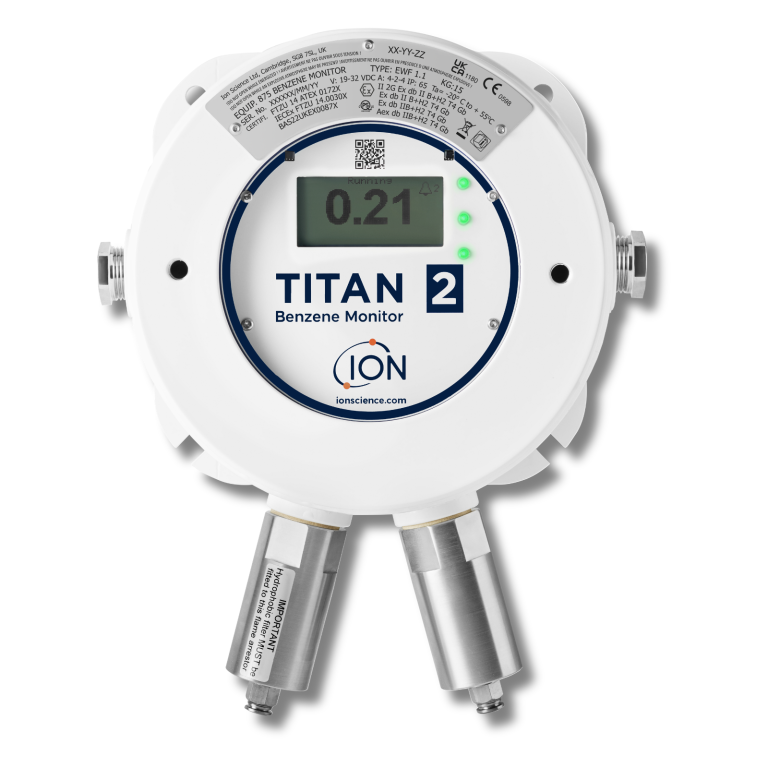
Upstream, midstream and downstream oil and gas activities can expose workers, equipment and the surrounding environment to volatile organic compounds, toxic gases, flammable atmospheres and unsafe oxygen levels. Benzene and hydrogen sulphide are among the significant exposure risks associated with production, processing, storage and maintenance activities.

Drawing on more than 35 years of gas-sensing expertise, ION Science provides portable, wearable, fixed and semi-portable gas detection instruments for personal exposure monitoring, leak investigation, confined-space work and continuous process monitoring.

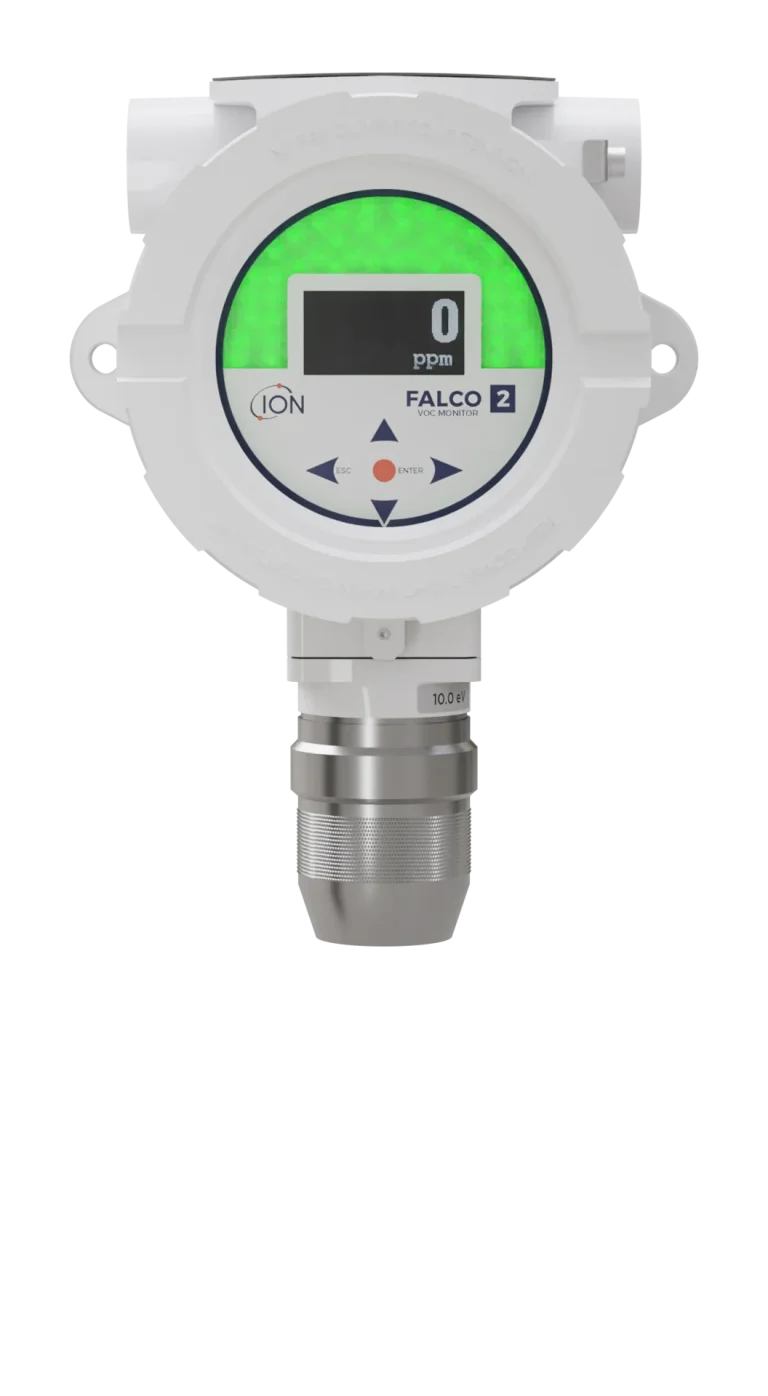
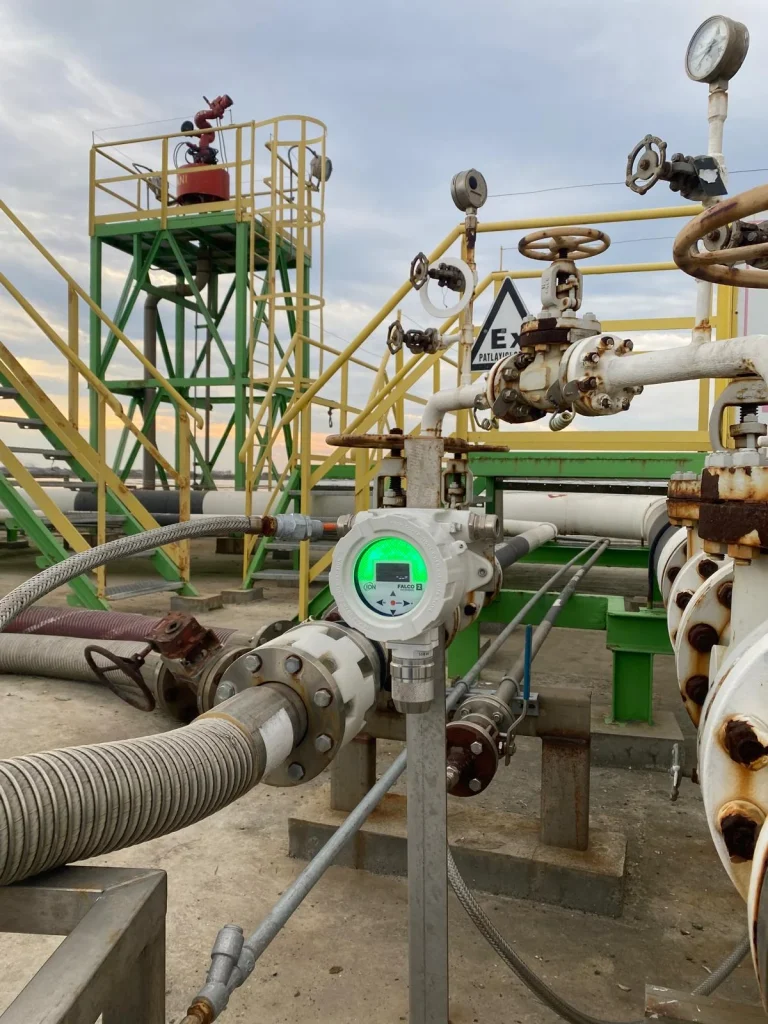
ION Science FALCO 2 10.0 eV (TAC) installed on industrial pipework at a processing facility.

Industry Challenges in Oil and Gas Operations

Oil and gas operations present complex challenges involving worker exposure, fire and explosion risk, asset integrity and environmental emissions. The hazards and appropriate monitoring approach vary across upstream, midstream and downstream activities.

Hazardous gas and vapour exposure

Workers may encounter hazardous substances including hydrogen sulphide (H₂S), carbon monoxide (CO), benzene, methane and other volatile organic compounds (VOCs) during extraction, processing, storage, transfer and maintenance activities.

Carbon monoxide is colourless and odourless, while the smell of hydrogen sulphide must not be relied upon as a warning because the sense of smell can quickly become impaired. Appropriate gas detection equipment is therefore essential for identifying hazardous concentrations and warning workers of potential exposure.

Occupational exposure requirements are established and enforced by the relevant authorities within each jurisdiction. In Great Britain, guidance and enforcement are provided by the Health and Safety Executive (HSE). Within the European Union, the European Commission supports the EU-wide legislative framework, which is implemented through the national laws and authorities of individual Member States. In the United States, federal requirements are overseen by the Occupational Safety and Health Administration (OSHA). 

Organisations should always refer to the legislation, exposure limits and guidance applicable in the country where the work is undertaken.

Confined Space Hazards

Confined spaces within oil and gas operations including tanks, vessels, pits and sections of pipework may contain oxygen-deficient or oxygen-enriched atmospheres, toxic gases, flammable vapours or asphyxiating gases.

Gas concentrations can vary throughout a confined space according to factors including gas density, temperature, ventilation and the source of the release. Atmospheric testing should therefore cover the relevant volume of the space and should not rely on a single reading or the assumption that hazardous gases will only collect at the bottom.

Where confined-space entry cannot be avoided, appropriate equipment and sampling methods should be used to assess the atmosphere before entry. Continued personal monitoring should be determined by the risk assessment and confined-space procedure.

Fire and explosion risks

Methane, hydrocarbons and other flammable gases or vapours can form an explosive atmosphere when mixed with air within their flammable range. Potential ignition sources include electrical equipment, hot surfaces, open flames, mechanical sparks and static discharge.

Suitable gas detection equipment can help identify potentially flammable atmospheres and support safe systems of work. Instruments used within classified hazardous areas must hold the appropriate certification for the intended zone, location and operating conditions.

Environmental compliance and fugitive emissions

Oil and gas operations can release methane and volatile organic compounds through venting, flaring, storage and transfer activities, as well as leaks from valves, seals, flanges and other equipment.

Environmental requirements increasingly focus on monitoring, reporting and reducing these emissions. Effective leak detection and repair programmes can help operators identify releases, prioritise maintenance and support compliance with the requirements applicable to their operations.

Environmental obligations and enforcement measures vary by country and activity. Organisations should refer to the relevant legislation and environmental authority within each jurisdiction.

Harsh operating environments

Oil and gas facilities operate in some of the world’s most demanding conditions. Offshore platforms may be exposed to salt spray, high humidity and corrosive atmospheres, while onshore operations can involve extreme temperatures, wind-driven dust, heavy rain and vibration from drilling and processing equipment.

Gas detection instruments should be selected according to the anticipated temperature and humidity, ingress-protection requirements, hazardous-area classification, target gases, measurement range and intended monitoring period.

Explore Oil and Gas Applications

From exploration and production to transportation, storage, refining and distribution, each stage of the oil and gas industry presents different gas hazards, working conditions and monitoring requirements.

Explore our industry guides and application articles for practical information on common risks, monitoring approaches and gas detector selection across upstream, midstream and downstream operations. The appropriate equipment will depend on the target gases, expected concentrations, required sensitivity, working environment and sampling method.

Gas Detection Equipment for Oil and Gas Operations

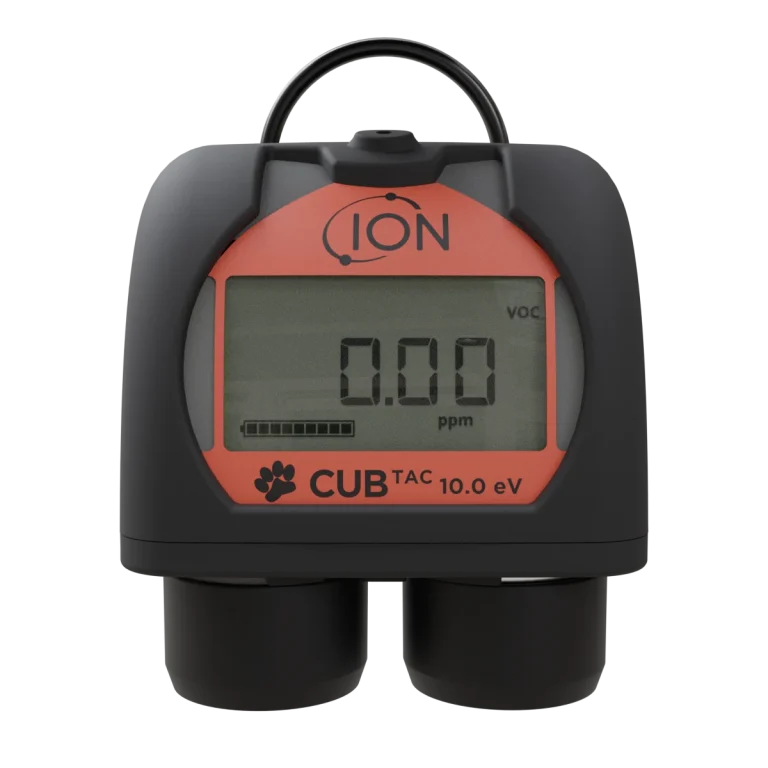
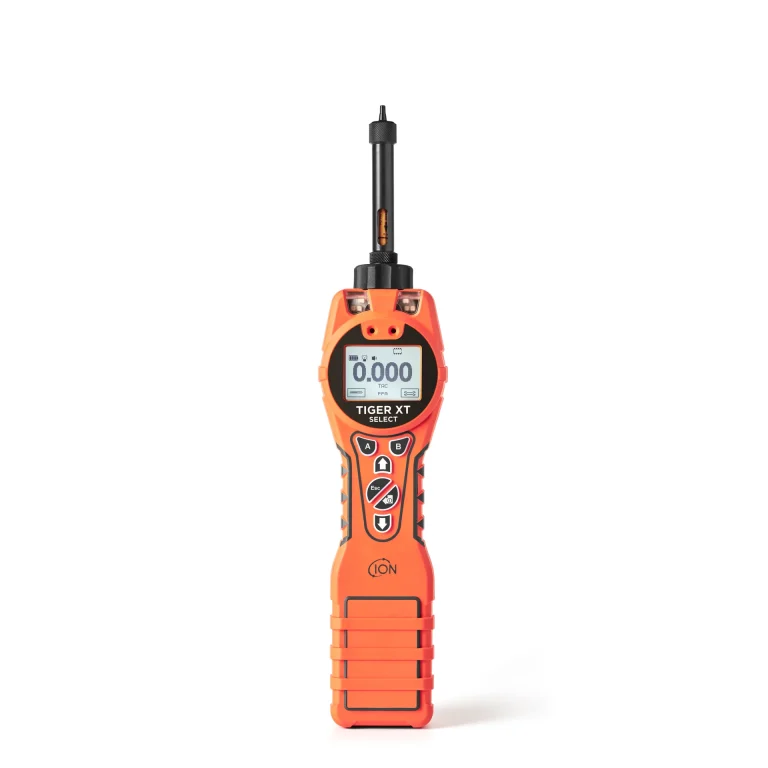
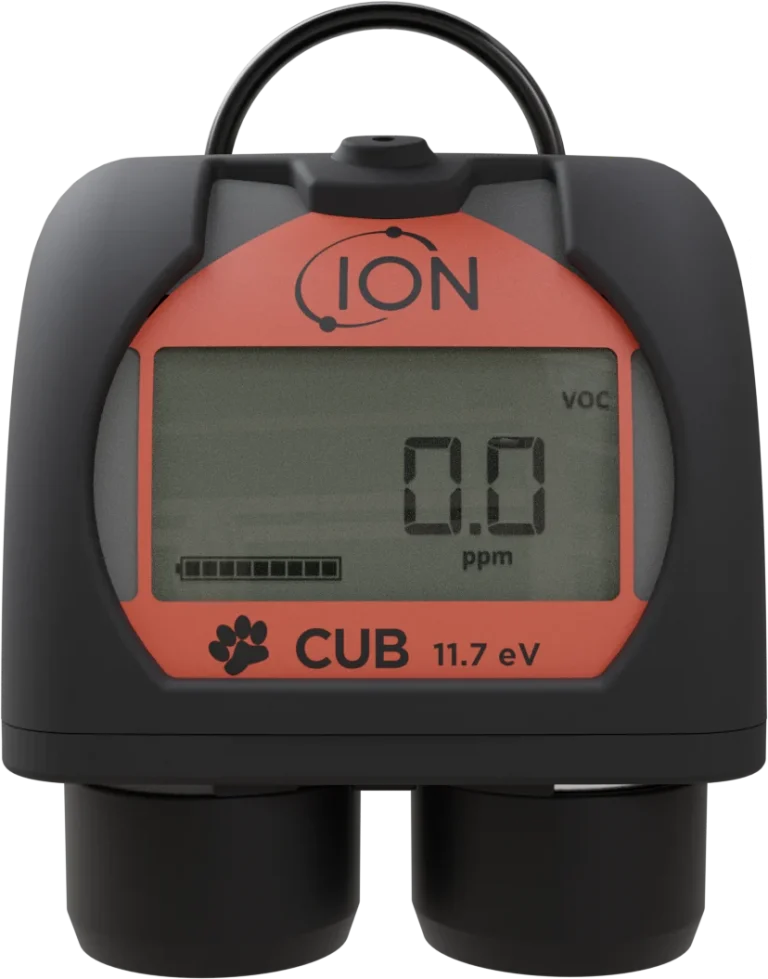
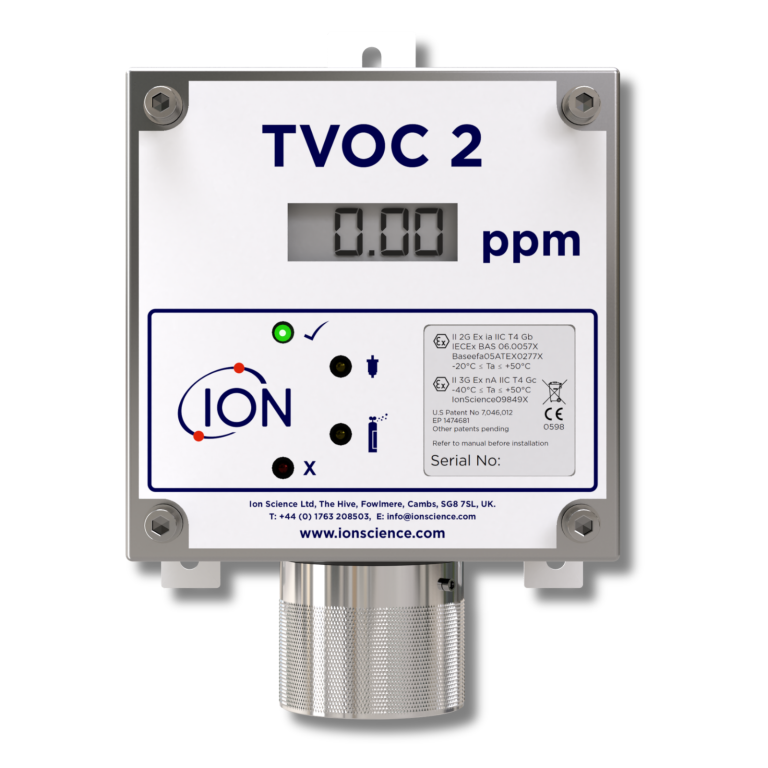
ION Science provides portable, wearable, fixed and semi-portable gas detection instruments for monitoring applications across the oil and gas industry. The range supports personal exposure monitoring, leak investigation, confined-space work, industrial hygiene and continuous gas measurement in demanding operating environments.

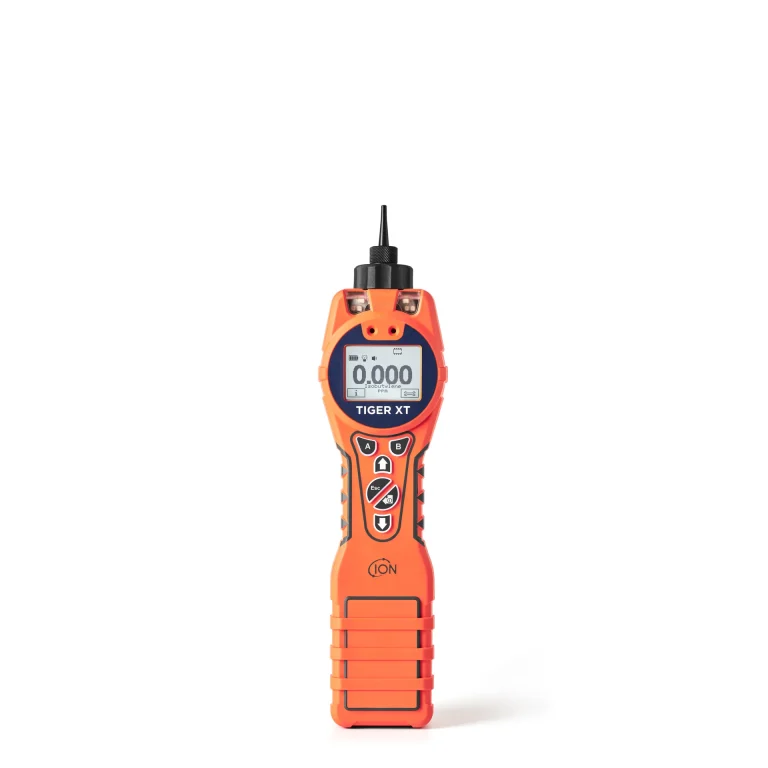
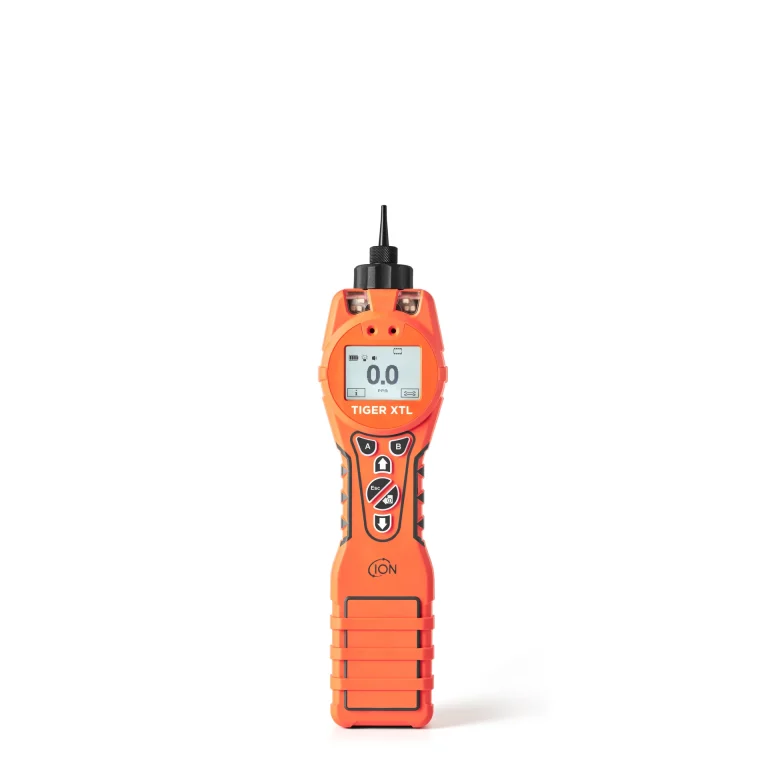
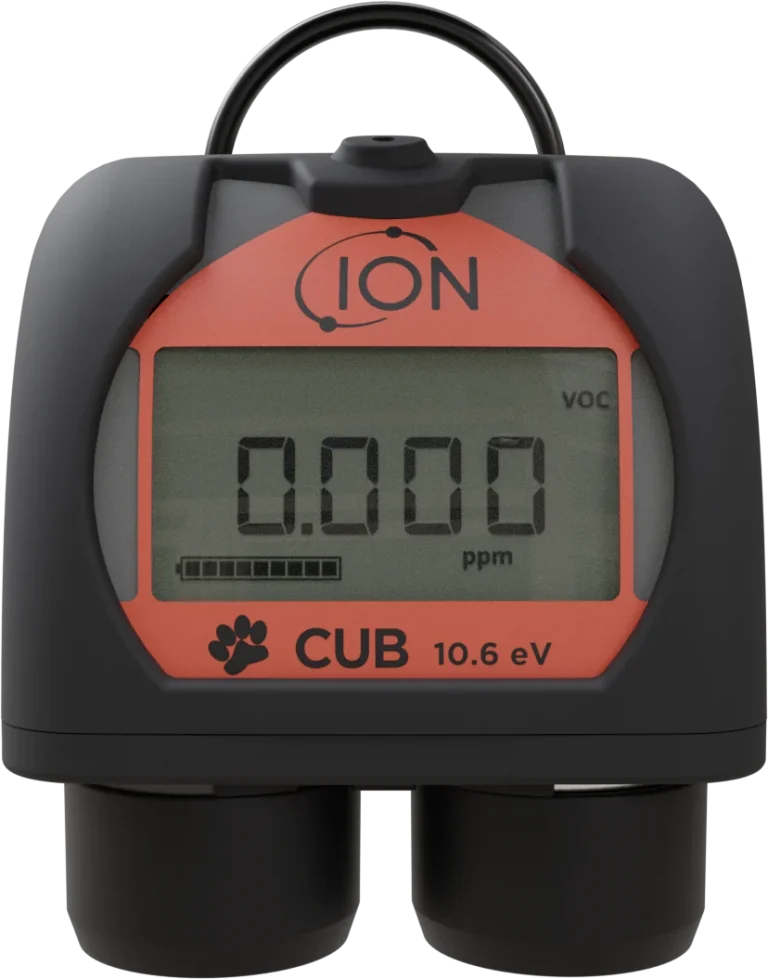
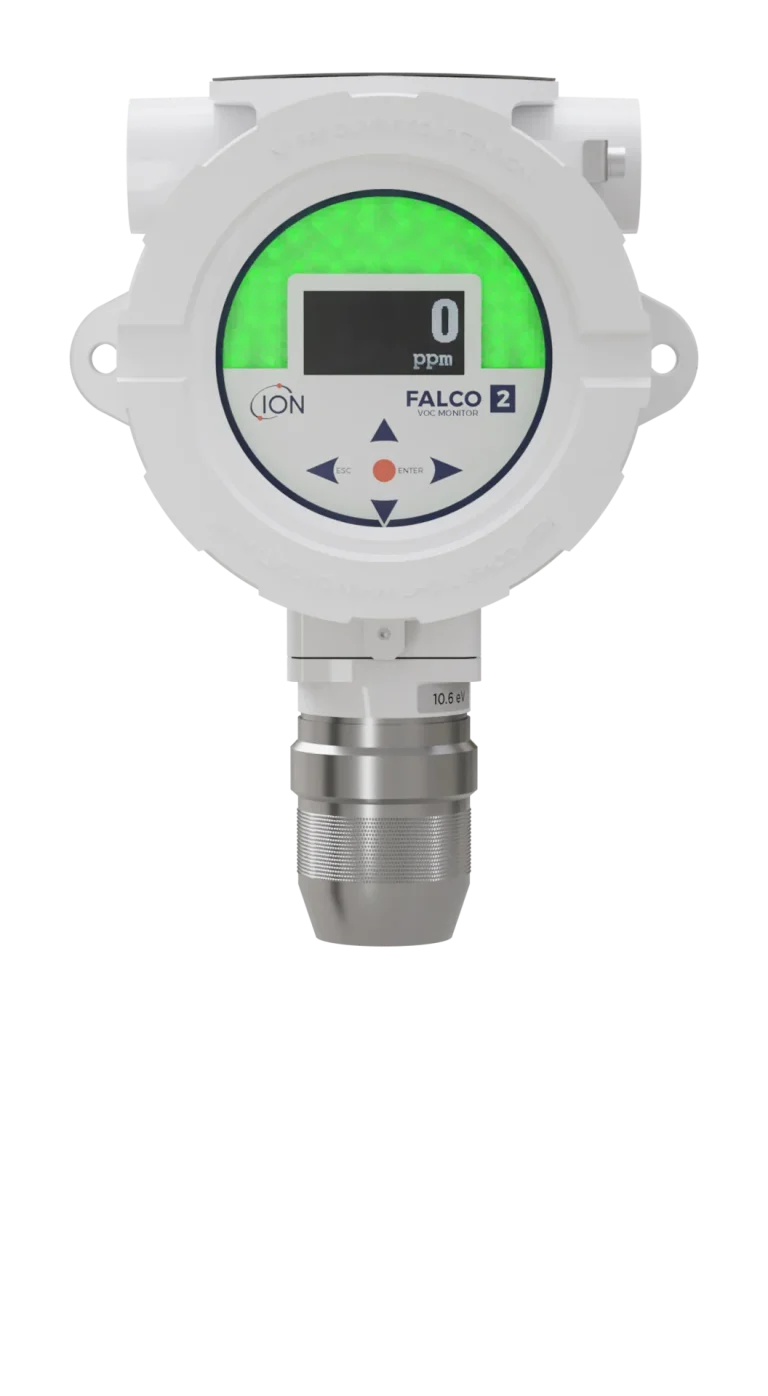
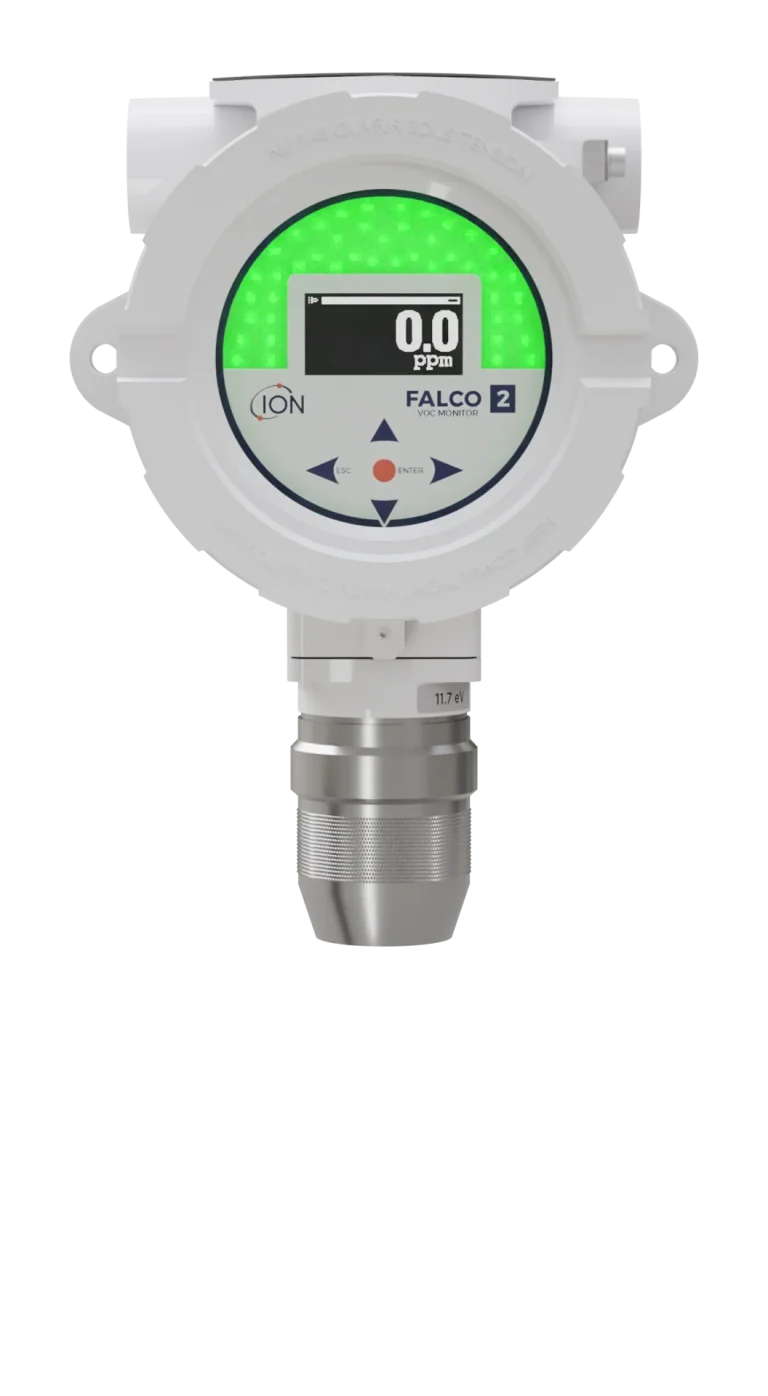
Our photoionisation detection instruments monitor volatile organic compounds (VOCs) and Total Aromatic Compounds (TACs) across handheld, wearable and fixed configurations. Patented Fence Electrode Technology and anti-contamination design help reduce the effects of humidity and contamination on PID performance, supporting stable measurements, instrument uptime and reliable operation in challenging conditions.

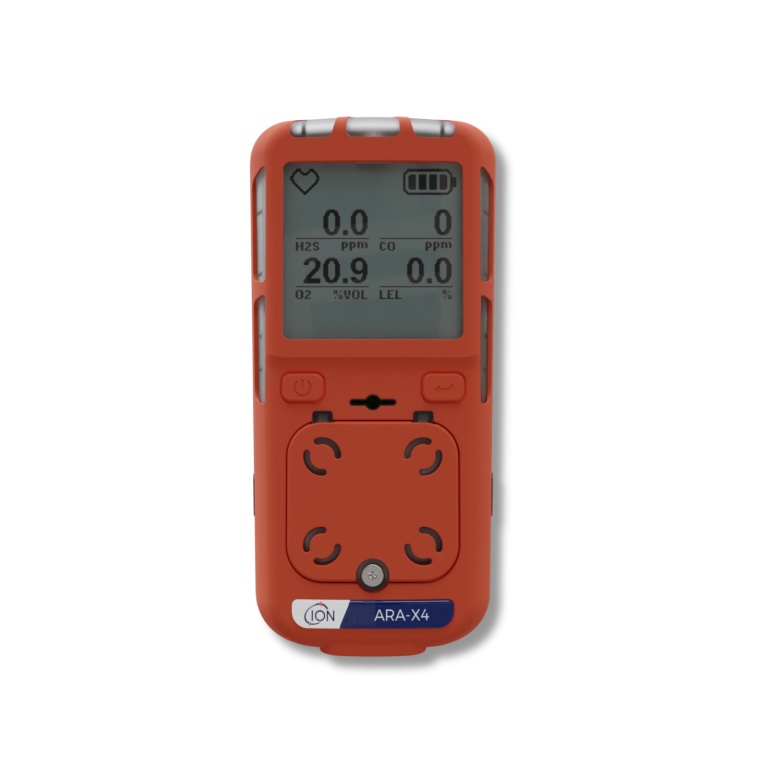
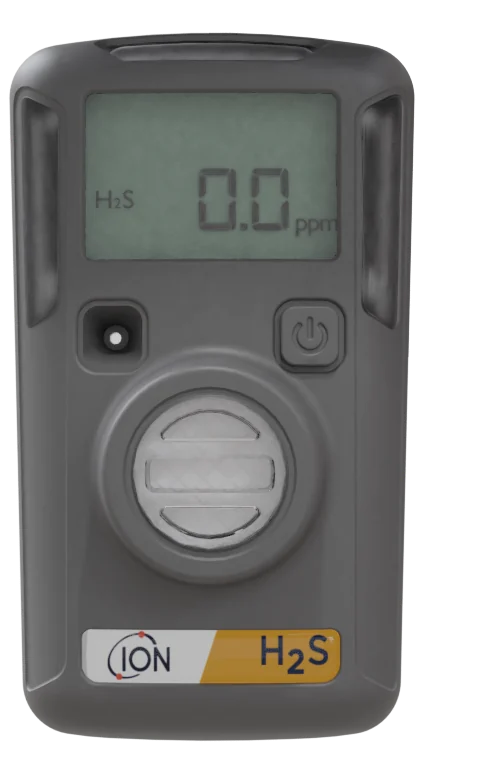
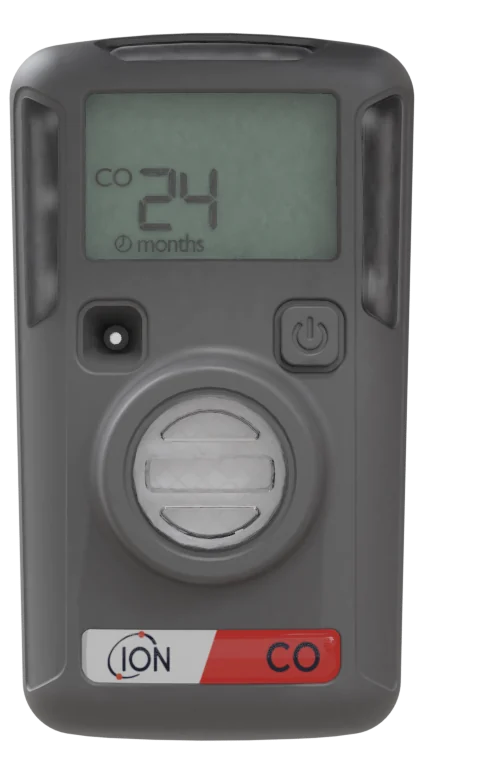
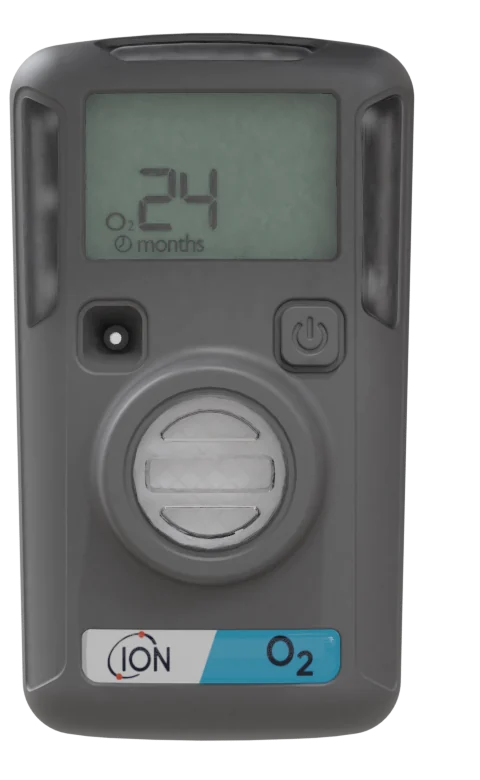
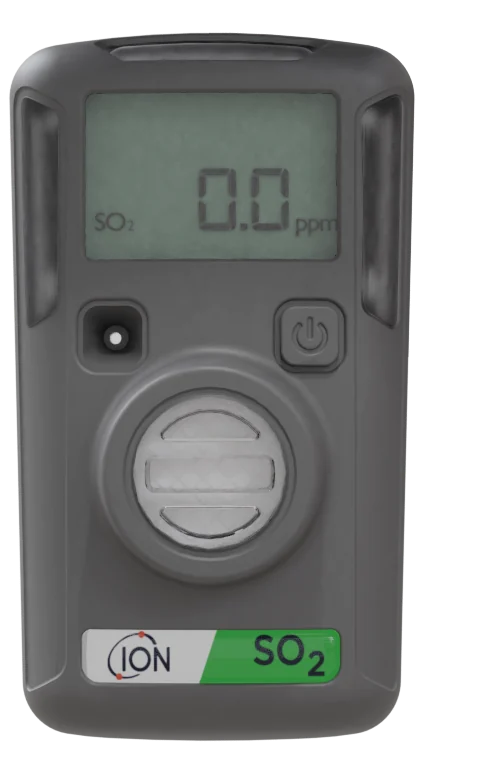
ION Science also provides wearable single and multi gas detectors for monitoring oxygen, toxic and flammable gas hazards. Straightforward controls and clear audible, visual and vibration alarms support routine personal monitoring throughout the working shift.

The appropriate instrument should be selected according to the target gases, expected concentrations, required sensitivity, sampling method, hazardous-area certification and operating environment.

Oil and Gas Customer Case Studies

See how leading oil and gas organisations around the world are implementing ION Science’s gas detection instrumentation into everyday processes to protect workers, remain compliant with legislation and protect their assets.

Find an Authorised ION Science Distributor

Connect with an authorised ION Science distributor for local product availability, application guidance and support in selecting suitable gas detection equipment for your oil and gas operations.

Use the map below to find the appropriate distributor for your country or region.

Sales Centre OnlySales and Service CentreMultiple locations

Reliable Gas Detection for Oil and Gas Operations

Protect personnel, assets and operations with dependable gas detection solutions designed to perform in demanding oil and gas environments. Explore our technologies or speak to our team about your application.

Contact ION Science

Loading enquiry form…

Contact ION Science

Loading enquiry form…

Newsletter sign up

Loading enquiry form…

Warranty registration

Loading enquiry form…

Contact support

Loading enquiry form…